The best traffic-free bike rides around Casariche
4.8
(45)
365
riders
72
rides
No traffic touring cycling routes around Casariche traverse the plains of the River Yeguas and the undulating hills of the Sierra Sur de Sevilla. The landscape is characterized by extensive olive groves, offering a picturesque backdrop for rides. This region provides varied cycling experiences, from relatively flat routes through agricultural land to more challenging sections in the hiller parts of the Sierra. Historical sites like the Roman quarries add cultural enrichment to the natural beauty.
Best no traffic touring cycling…
Last updated: July 29, 2026
11
riders
20.7km
01:53
380m
380m
Moderate bike ride. Good fitness required. Mostly paved surfaces. Suitable for all skill levels.
5.0
(2)
8
riders
30.1km
02:16
240m
240m
Moderate bike ride. Good fitness required. Mostly paved surfaces. Suitable for all skill levels.

Sign up for free
5.0
(1)
7
riders
42.2km
03:51
450m
450m
Hard bike ride. Very good fitness required. Mostly paved surfaces. Suitable for all skill levels.
6
riders
19.2km
01:24
90m
90m
Easy bike ride. Great for any fitness level. Mostly paved surfaces. Suitable for all skill levels.
5
riders
Moderate bike ride. Good fitness required. Mostly paved surfaces. Suitable for all skill levels.
Get access to more routes and recommendations from other explorers.
Sign up for free
Already have an account?
Our route recommendations are based on thousands of hikes, rides, and runs completed by other people on komoot.
Start today with a free account
Your next adventure awaits.
Login or Signup
Popular around Casariche
Tips from the Community

In the heart of Alameda stands the monument to José María Hinojosa Cobacho, better known as "El Tempranillo," one of the most famous Andalusian bandits of the 19th century. The bronze statue depicts him in a typical rebel and folk hero pose and is located on Calle Álamos, not far from the town center. El Tempranillo was born in 1805 in Jauja, near Lucena, and joined a band of highwaymen at a young age. Over time, he became a legendary figure, both feared and revered by the local population—a symbol of resistance against social injustice. After being mortally wounded in a raid in 1833, his body was brought to Alameda, where he died and was buried in the Church of the Immaculate Conception. The monument and his grave are now part of the "Ruta del Tempranillo," a cultural route that traces the life of the bandit. They are reminiscent of a time when outlaws and folk heroes often lived close together, making Alameda an important place in Andalusian history and legendary culture.
1
0
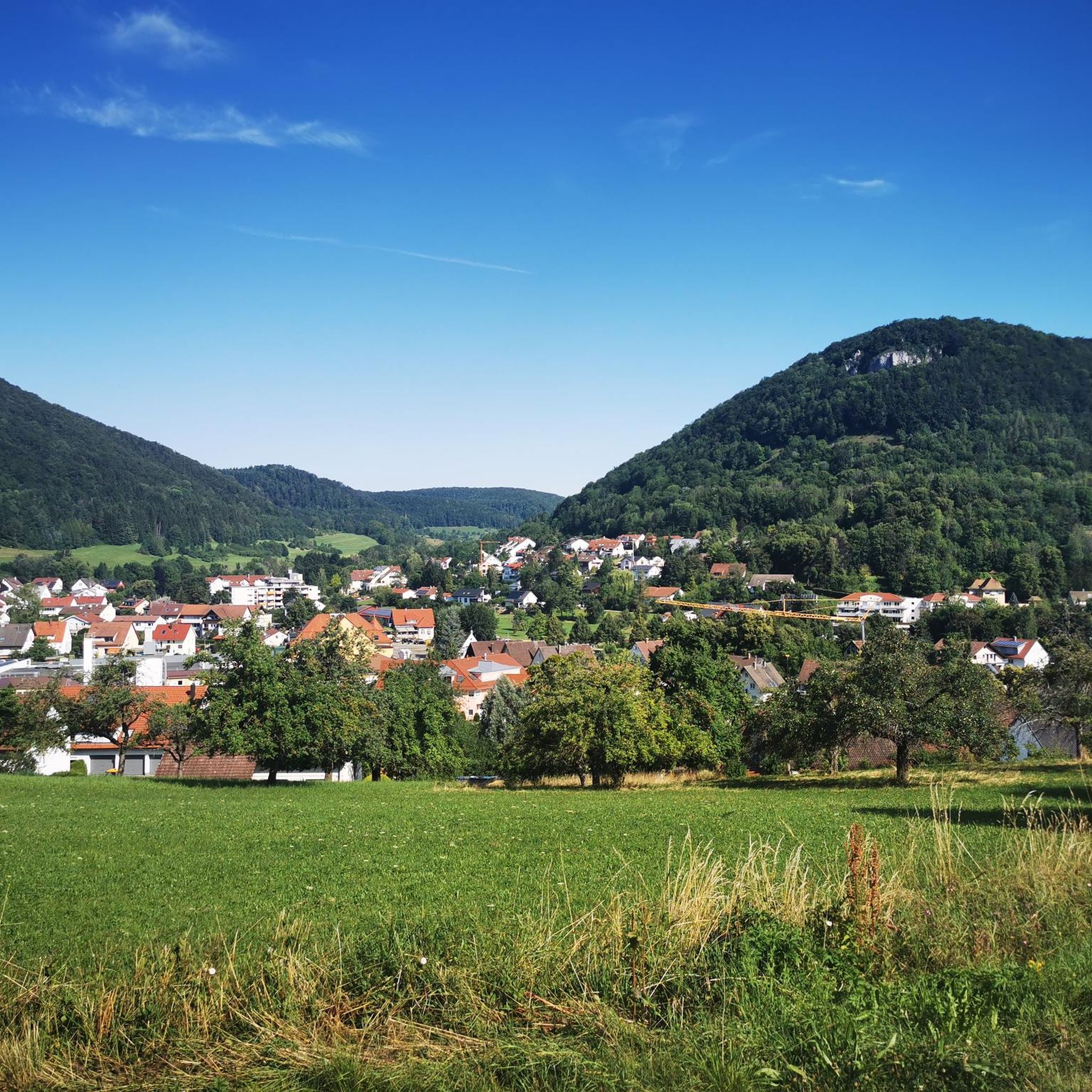
Alameda is a picturesque village that captivates visitors with its tranquil atmosphere and historically rich surroundings. Encircled by expansive fields and rolling hills, it offers ideal conditions for cycling tours through the Andalusian hinterland. The whitewashed houses, narrow streets, and shady squares lend the village its typical Andalusian charm. At its heart lie the Church of the Immaculate Conception and the Placeta Fountain, reminders of the village's Roman roots. Alameda is particularly famous for the legend of the bandit José María "El Tempranillo," whose monument and tomb are now popular destinations for visitors. The surrounding area is easily explored by bicycle – passing olive groves, old farmhouses, and quiet paths that offer a glimpse into rural Andalusia. Alameda uniquely combines history, culture, and nature, making it an ideal starting point for peaceful, enriching tours away from the crowds.
0
0
The Parish Church of Our Lady of the Immaculate Conception (Iglesia Parroquial de Nuestra Señora de la Inmaculada Concepción) is the main church of Alameda and is located in the town center. Built in 1633, it has been expanded several times over the centuries, including the 18th century with the addition of side aisles and a Baroque chapel. The church displays typical elements of Andalusian Baroque architecture, with a simple stone and brick facade and a striking round-arched portal. Inside, the high nave, flanked by two lower side aisles, and a barrel-vaulted ceiling create a harmonious atmosphere. The church is particularly famous as the burial place of the legendary bandit El Tempranillo, who died in Alameda in 1833. It also houses an elaborate image of the Virgen de los Dolores (Virgin of Sorrows), created in 1940 by the sculptor Castillo Lastrucci. The church is now a listed building and is considered one of the most important historical buildings in the town, combining both religious and cultural history.
2
0
The Iglesia Parroquial de Nuestra Señora de la Inmaculada Concepción is the main church of Alameda and is located in the center of the town. It was built in 1633 and expanded several times over the centuries, including the addition of side aisles and a Baroque chapel in the 18th century. The church displays typical elements of Andalusian Baroque, with a simple facade of stone and brick and a striking round-arched portal. The interior features an impressive high main nave, flanked by two lower side aisles, and a barrel-vaulted ceiling, which lends the space a harmonious effect. The church is particularly famous for being the burial place of the legendary bandit El Tempranillo, who died in Alameda in 1833. It also houses an ornate image of the Virgen de los Dolores, created in 1940 by the sculptor Castillo Lastrucci. The church is now a listed building and is considered one of the most important historical buildings in the area, combining both religious and cultural history.
0
0
The Fuente en Álamos - Alameda is a historic fountain located in the heart of the village, marked by a small sign. It was once a central meeting place for the residents, especially for the aguadoras – women who fetched water, skillfully filling jugs directly with running water using a funnel and a long stick. This activity was not only a daily chore but also a kind of original artistry, as described by the writer Francisco Jiménez Conde. The fountain thus symbolizes not only the historical water supply of the community but also the practical skills and traditions of Alameda's inhabitants.
0
0

the craziest single trail
0
0

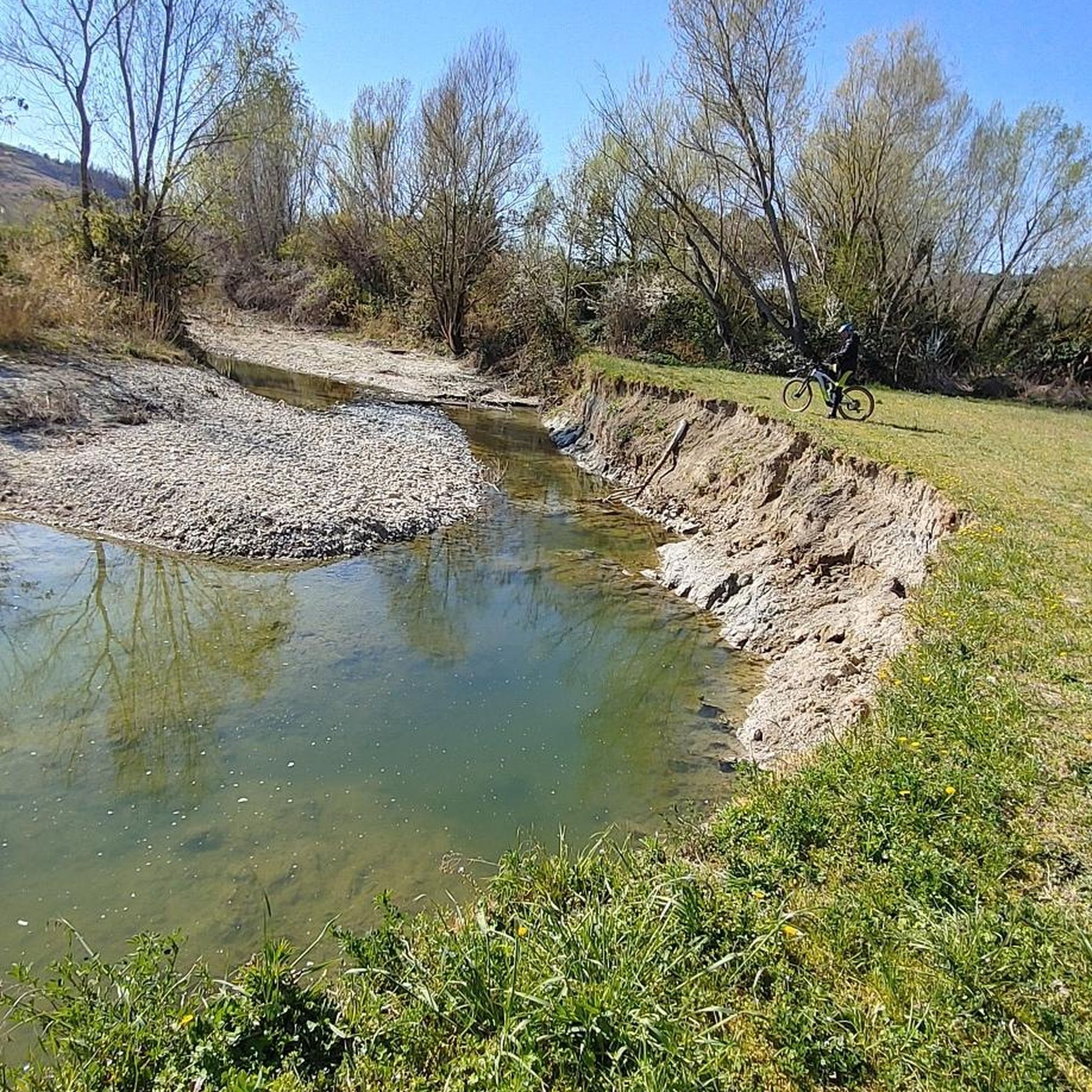
nice trail, after the rains
1
0

Great equestrian route through the Sierra de Mollina, surrounded by rock formations that include the Cueva de los Órganos and pine forests. A great day near the Alameda.
2
0
Frequently Asked Questions
How many no-traffic touring cycling routes are available around Casariche?
Komoot offers over 60 no-traffic touring cycling routes around Casariche. These routes vary in difficulty, with a good selection of moderate and challenging options for exploring the region's landscapes.
What kind of terrain can I expect on these no-traffic routes?
The no-traffic routes around Casariche primarily traverse plains dominated by extensive olive groves, offering a picturesque backdrop. You'll also encounter undulating hills characteristic of the Sierra Sur de Sevilla, providing varied cycling experiences. Some routes may pass by historical sites like the Roman quarries at Cerro Bellido, adding a cultural dimension to your ride.
Are there any family-friendly no-traffic touring routes?
While many routes are moderate, some offer gentler gradients suitable for families. The Path next to the canal loop from Puente Genil is a moderate option that avoids heavy traffic, offering a pleasant ride. For very easy, dedicated paths, consider sections of the nearby Vía Verde de la Subbética, which is free from motor vehicles and has gentle slopes.
Can I bring my dog on these cycling routes?
Many natural trails and Vías Verdes in Andalusia are dog-friendly, provided your dog is kept on a leash and you clean up after them. Always check local regulations for specific areas. The no-traffic nature of these routes generally makes them safer for cycling with a well-behaved dog.
What historical or natural attractions can I see along the way?
You can discover a blend of history and nature. Highlights include the ancient Roman quarries at Cerro Bellido, which are accessible via some routes. Natural features like the Genil River Meander and the La Ratosa Lagoon offer scenic stops. The region is also part of the historical Ruta del Tempranillo, allowing you to cycle through landscapes linked to the famous bandit.
Are there any circular no-traffic touring routes available?
Yes, several circular routes are available. For example, the Unique holm oak – Pedrera loop from Cortijo de los Pinos offers a moderate circular tour. Another option is the Pedrera loop from La Roda de Andalucia, which is a more challenging circular route.
Where can I find parking for these routes?
Parking is generally available in the towns and villages that serve as starting points for these routes, such as Casariche, Puente Genil, or La Roda de Andalucia. For routes connecting to the Vía Verde de la Subbética, designated parking areas are often found at the old railway stations along the trail.
What is the best time of year to go touring cycling in Casariche?
Spring (March to May) and autumn (September to November) are ideal. The weather is milder, and the landscapes are particularly vibrant. Summers can be very hot, making early morning or late afternoon rides preferable, while winters are generally mild but can be damp.
Are there options for food and drink along the no-traffic routes?
Yes, many routes pass through or near small towns and villages where you can find local cafes, restaurants, and pubs. The Vía Verde de la Subbética, accessible from the Casariche region, is particularly well-equipped, with old railway stations converted into restaurants along the route, offering convenient stops for refreshments.
How long do these no-traffic touring routes typically take?
Route durations vary depending on distance and your cycling pace. For instance, the Embalse de Cordobilla – Railway Bridge Singletrail loop from Puente Genil, covering about 20 km, typically takes around 1.5 to 2 hours. Longer routes, like the 42 km Pedrera loop from La Roda de Andalucia, can take 3.5 to 4 hours or more.
What makes the no-traffic touring cycling in Casariche unique?
The no-traffic touring cycling in Casariche is highly rated by the komoot community, with an average score of 4.8 stars. Reviewers often praise the peaceful immersion in the Andalusian countryside, the blend of olive groves and historical sites like the Roman quarries, and the opportunity to experience the region's natural beauty away from busy roads.
Are there any longer, more challenging no-traffic routes for experienced cyclists?
Yes, for experienced cyclists seeking a challenge, routes like the Pedrera loop from La Roda de Andalucia are classified as difficult, featuring significant elevation changes over its 42 km distance. These routes offer more demanding climbs and longer durations while still prioritizing a traffic-free experience.
Can I access these routes using public transport?
Public transport options to Casariche and surrounding towns are available, primarily by bus. However, direct public transport links to the specific starting points of all routes may be limited. Planning your journey in advance and checking local bus schedules is recommended, especially if you plan to bring your bike.
Most popular attractions around Casariche

Get inspired with the komoot mobile app


Explore more
Browse the best Cycling routes in other regions.
