The best traffic-free bike rides around Castilleja De La Cuesta
4.4
(29)
778
riders
41
rides
No traffic gravel bike trails around Castilleja de la Cuesta are situated within the Aljarafe region of Seville, Spain. This area is characterized by a "penillanura" or plain with gently rolling hills and open spaces, providing varied gradients suitable for gravel biking without extreme climbs. The landscape features rural roads, vehicle-width gravel tracks, and single-track trails that traverse through vast fields, including olive groves. Its proximity to Seville allows access to a broader network of off-road routes, including potential connections to the historic Ruta Vía de la Plata.
Best no traffic gravel bike trails around Castilleja De La Cuesta
- The most popular no traffic gravel bike trail is San Juan Bridge – San Juan Bridge loop from San Juan Alto, a 46.5 miles (74.9 km) trail that takes 5 hours 42 minutes to complete. This difficult route features significant distance and elevation gain.
- Another top favourite among local gravel bikers is Vía de la Plata – Amphitheatre of Italica loop from Salteras, a moderate 36.1 miles (58.1 km) path. This route explores historical areas and varied terrain.
- Local gravel bikers also love the Corredor del Pudio – Green Corridor of Seville loop from Ciudad Expo, a 22.0 miles (35.4 km) trail leading through the Green Corridor of Seville, often completed in about 2 hours 23 minutes.
- Gravel biking around Castilleja de la Cuesta is defined by gently rolling hills, open plains, and extensive olive groves. The network offers options for different ability levels, from moderate to difficult.
- The routes in Castilleja de la Cuesta are highly rated by the komoot community with an average score of 4.0 stars from more than 20 reviews. More than 600 gravel bikers have used komoot to explore Castilleja de la Cuesta's varied terrain.
Last updated: November 2, 2026
38
riders
57.8km
04:10
310m
310m
Moderate gravel ride. Good fitness required. Mostly paved surfaces.
3.7
(3)
39
riders
48.1km
03:38
240m
240m
Moderate gravel ride. Good fitness required. Mostly paved surfaces.

4.3
(3)
18
riders
67.6km
04:59
530m
530m
Hard gravel ride. Very good fitness required. Mostly paved surfaces.
16
riders
78.9km
06:18
360m
370m
Hard gravel ride. Very good fitness required. You may need to push your bike for some segments of this route.
10
riders
58.8km
04:31
260m
260m
Moderate gravel ride. Good fitness required. Mostly paved surfaces.
Get access to more routes and recommendations from other explorers.
Already have an account?
Our route recommendations are based on thousands of hikes, rides, and runs completed by other people on komoot.
Start today with a free account
Your next adventure awaits.
Popular around Castilleja De La Cuesta
Tips from the Community

Guillena is located in the beautiful natural setting of the Sierra Norte de Sevilla and is the ideal starting point for hiking and cycling routes, especially due to its proximity to the Gergal reservoir. In addition, its monuments and taverns are worth a leisurely visit.
1
0

⚠️ The part in the photo is of doubtful cyclability
0
0

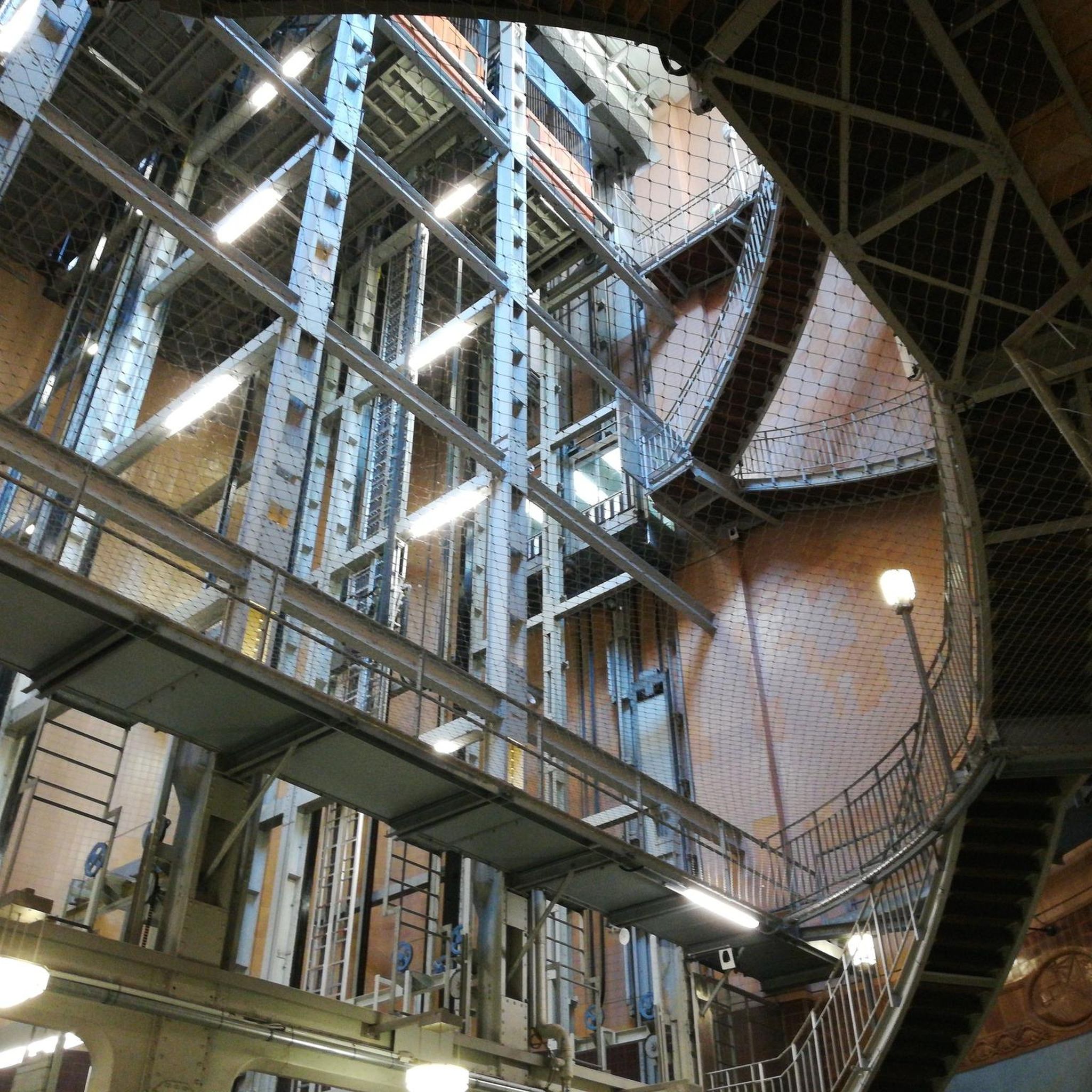
View of the Edificio Torretriana, an administrative building of the Junta de Andalucia, built in 1993. It is known for its unique circular shape and color (a yellow tint).
9
0
Guillena is a small town located in the province of Seville, known for its rich history, diverse landscape, and beautiful architecture. The historic center of the town has retained much of its original charm and contains impressive buildings such as the church of Nuestra Señora de la Granada, the convent of Santa Clara, and the palace of the Counts of Torreblanca and the Sierra Norte de Sevilla, a large natural area that offers numerous possibilities. Guillena is also an important center for agriculture and livestock, with the production of olive oil, wine, and citrus fruits, and a rich gastronomy with traditional dishes such as gazpacho and salmorejo.
9
1
It is the fifth longest river in the Iberian Peninsula. It is 657 km from the Sierra de Cazorla (source) to Sanlúcar (Atlantic Ocean). On its journey through Andalusia from east to west it passes through cities such as Andújar, Córdoba and Seville. From pre-Roman times it was known as Baetis or Betis, and was called Wad al-Kibir (Great River) by the Arabs from the eleventh century.
7
0
The Puente de la Señorita, also known as the Puente de Camas, is a bridge over the Guadalquivir River in Seville. This bridge connects the Isla de la Cartuja with the village of Camas in the comarca of Aljarafe. The bridge was originally built in 1981 as part of the Seville-Huelva railway line, but since 1991 it has been used mainly for road traffic, cycling and walking.
8
0

For us the first signpost on the Camino South
0
0

Historical place. A great highlight and great photo opportunity. Definitely recommended for history fans.
0
0
Frequently Asked Questions
How many no-traffic gravel bike trails can I find around Castilleja de la Cuesta?
There are over 30 no-traffic gravel bike trails available around Castilleja de la Cuesta, offering a variety of distances and difficulties for exploring the Aljarafe region.
What kind of terrain can I expect on gravel bike trails near Castilleja de la Cuesta?
The Aljarafe region, where Castilleja de la Cuesta is located, features gently rolling hills and open spaces. You'll primarily encounter vehicle-width gravel tracks and single-track trails that traverse through fields, including extensive olive groves, and some forested areas. These trails are often dry, dusty, and fast-flowing, with occasional rocky sections, providing a varied gravel biking experience.
What is the best time of year for gravel biking in the Aljarafe region?
The best time for gravel biking in the Aljarafe region is typically during the cooler months, from autumn through spring (October to May). Summers can be very hot and dry, making longer rides challenging. Spring offers pleasant temperatures and often greener landscapes, while autumn provides comfortable conditions after the summer heat.
Are there any easy, family-friendly gravel bike trails without traffic near Castilleja de la Cuesta?
While many routes in the region are moderate, some sections of the wider network, like parts of the Corredor Verde Guadiamar, can be suitable for families. For a moderate option that offers a good experience, consider the Corredor del Pudio – Green Corridor of Seville loop from Ciudad Expo, which is around 35 km and features manageable elevation.
Are there options for more advanced gravel riders seeking no-traffic routes?
Yes, advanced riders will find routes that offer longer distances and more challenging ascents. For example, the San Juan Bridge – San Juan Bridge loop from San Juan Alto is a difficult 75 km route with over 400 meters of elevation gain, providing a substantial challenge away from traffic.
What natural features or landmarks can I see on these no-traffic gravel routes?
Many routes offer views of the characteristic olive groves and open plains of the Aljarafe. Some trails might lead you close to historical sites. For instance, the Vía de la Plata – Amphitheatre of Italica loop from Salteras takes you near the ancient Roman ruins of Italica. You can also find highlights like the Real Alcázar of Seville or the Castle of Saint George in the broader Seville area, which might be accessible via connecting routes.
Are there any circular no-traffic gravel routes available?
Yes, many of the gravel routes in the area are designed as loops, allowing you to start and end at the same point. Examples include the Camping Aznalcázar – San Juan Bridge loop from Plaza de Cuba, which is a challenging 87 km ride, or the Corredor del Pudio – Cafeteria Camping Dehesa Nueva loop from San Juan Alto, a moderate 59 km option.
Where can I park my car when accessing these gravel trails?
Parking is generally available in the towns and villages surrounding Castilleja de la Cuesta, such as Salteras or San Juan Alto, which serve as common starting points for many routes. Look for public parking areas within these communities, often near the beginning of rural tracks or Vías Pecuarias.
Can I reach any of these no-traffic gravel trailheads by public transport?
Castilleja de la Cuesta is well-connected to Seville by public transport. From Seville, you can reach towns in the Aljarafe region by bus, which may allow you to access trailheads. For example, to reach areas like the Corredor Verde Guadiamar, you might take public transport to nearby towns and cycle from there to the trail network.
Are dogs allowed on the gravel bike trails in the Aljarafe region?
Generally, dogs are permitted on most rural tracks and Vías Pecuarias in the Aljarafe region, provided they are kept under control, especially when passing through agricultural areas or near livestock. Always ensure you clean up after your pet and respect local regulations, particularly in protected natural spaces if you venture into them.
What do other gravel bikers enjoy most about gravel biking in Castilleja de la Cuesta?
The komoot community highly rates the gravel biking experience in this area, with an average score of 4.0 stars. Reviewers often praise the sense of freedom and adventure, the quiet, empty trails, and the opportunity to discover places unreachable by tarmac roads, particularly the vast fields and olive groves of the Aljarafe.
Are there any cafes or pubs near the secluded gravel trails for a break?
While the trails themselves offer a remote feel, you'll find cafes and pubs in the towns and villages that dot the Aljarafe region. Planning your route to pass through or near these communities, such as Salteras or San Juan de Aznalfarache, will allow for convenient stops to refuel and relax.
Most popular routes around Castilleja De La Cuesta
Most popular attractions around Castilleja De La Cuesta

Get inspired with the komoot mobile app


Explore more
Browse the best Gravel rides in other regions.
