The best traffic-free bike rides around Zamora
5.0
(1)
13
riders
3
rides
Gravel biking around Zamora, Spain, offers diverse terrain ranging from river routes along the Duero to grain fields and historical paths. The region is characterized by its varied landscapes, including the deep canyons of Arribes del Duero Natural Park and the mountainous areas surrounding Lago de Sanabria. Cyclists can navigate a mix of paved and unpaved surfaces, encountering ancient watermills and traditional villages. This area provides numerous opportunities for exploring natural features and cultural sites on two wheels.
Best no traffic gravel bike trails around Zamora
- The most popular no traffic gravel bike trail is Monoliths of the Three Causeways – Zamora Stone Bridge loop from Zamora, a 29.3 miles (47.1 km) trail that takes 3 hours 13 minutes to complete. This route explores the landscapes around the Duero River, passing historical elements near Zamora.
- Another top favourite among local gravel bikers is Ricobayo Reservoir – Cadozos Waterfall loop from Central Hidroelectrica Ricobayo, a difficult 26.6 miles (42.8 km) path. This path offers views of the Ricobayo Reservoir and leads to the Cadozos Waterfall, characteristic of the region's riverine landscapes.
- Local gravel bikers also love the Palomares – Olivares Watermills loop from Zamora, a 38.0 miles (61.1 km) trail leading through river valleys and past ancient watermills, often completed in about 3 hours 53 minutes.
- Gravel biking around Zamora is defined by river valleys, grain fields, and historical routes like sections of the Vía de la Plata. The network offers options for different ability levels, from moderate to difficult.
- The guide includes highly-rated routes that showcase the best of the region's landscape. More than 8 gravel bikers have used komoot to explore Zamora's varied terrain.
Last updated: October 5, 2026
5.0
(1)
5
riders
47.1km
03:13
320m
320m
Moderate gravel ride. Good fitness required. Mostly paved surfaces. Suitable for all skill levels.
2
riders
Hard gravel ride. Very good fitness required. Mostly paved surfaces. Suitable for all skill levels.

3
riders
60.7km
03:55
570m
570m
Hard gravel ride. Very good fitness required. Mostly paved surfaces. Suitable for all skill levels.
Our route recommendations are based on thousands of hikes, rides, and runs completed by other people on komoot.
Start today with a free account
Your next adventure awaits.
Popular around Zamora
Gijón to Sevilla in Spain – Vía de la Plata (GR 100)
The Great Castilian River – Duero MTB Trail
A romantic journey in the footsteps of the Romans – Via de la Plata
Explore Spain’s monuments and landscapes – cycle the Via de la Plata
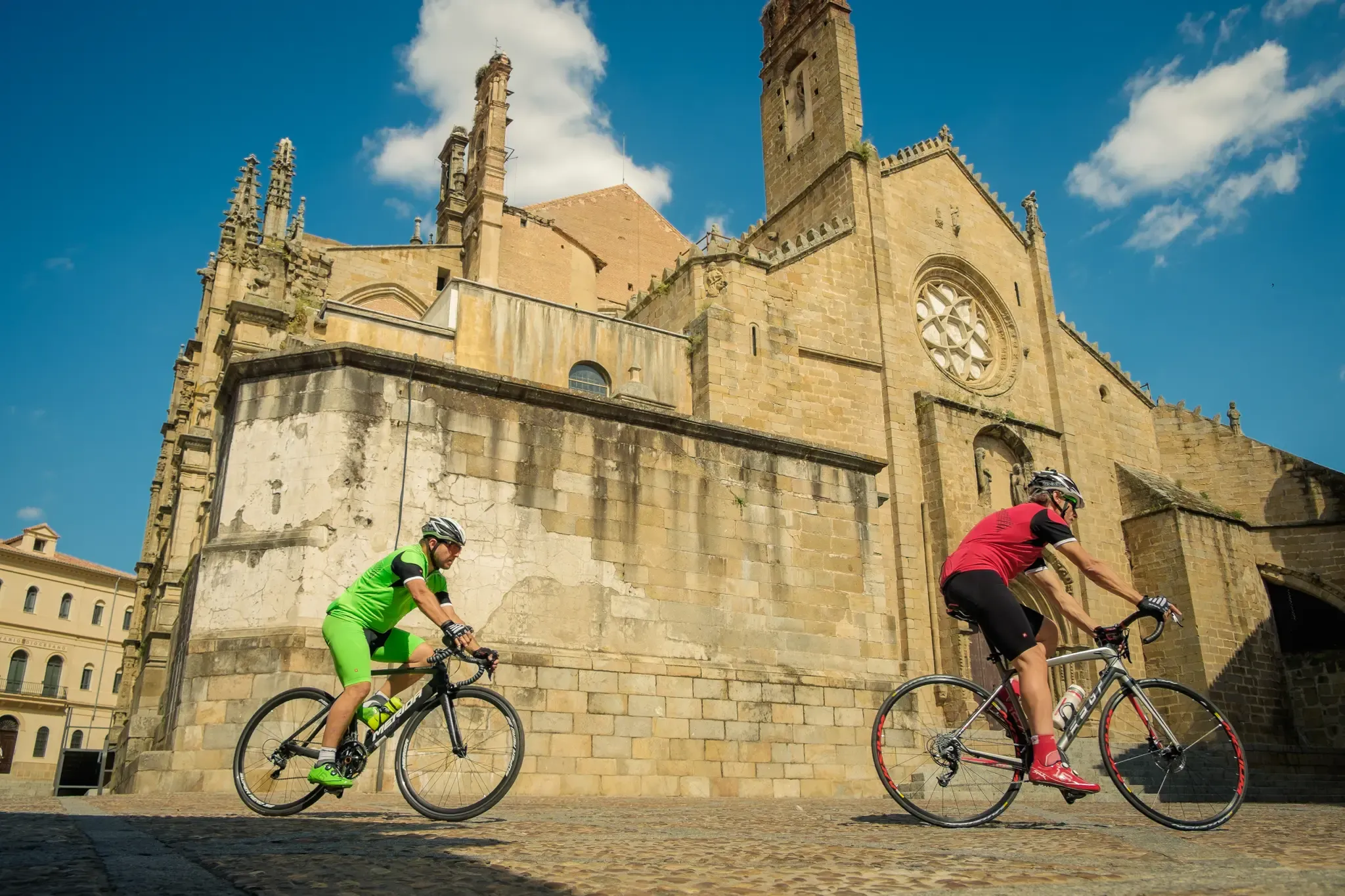
Vía de la Plata – from Seville to Gijón by bike

Traffic-free bike rides around Zamora

Traffic-free bike rides around Zamora
Other adventures around Zamora


Tips from the Community

The Sofreral de Cerezal is a cork oak forest (called sofreros in the area), the largest in Castile and León. Leaving the village, you cross a wonderful path about 4 km long.
0
0

It spans the Duero River in Zamora (Castilla y León), connecting Avenida de Portugal (Pinilla neighborhood) with Calle de Salamanca in the city. The project began in 1882, with construction starting in 1892, under the direction of engineer Prudencio Guadalajara, to alleviate the overloading of the old Stone Bridge. Inaugurated in 1900, it represented a significant improvement in handling the growing traffic in the city. It was designed in steel, using a metal lattice structure of the St. Andrew's Cross type, typical of the late 19th century.
3
0
This monument consists of three monoliths representing the three roads that converge at this location: the Via de la Plata, the Calzada Mirandesa, and the Via Dalmacia; and a curb where pilgrims can write a wish on a stone and throw it into the curb for it to come true.
1
0

Bar Peña Unai Simon A great place to stop and have a coffee.
0
0
The Cadozos Waterfall, located in Muelas del Pan (Zamora), is a little-known but very special natural spot, ideal for hiking and nature lovers. It's a seasonal waterfall, meaning its flow depends on rainfall, being most spectacular in spring or after days of heavy rain.
1
0
It's striking to find a church of this size in a small town, but its origin lies in a tradition that dates back to the late 13th century. Tradition tells us that while King Sancho IV was in Zamora recovering from a fever and wanting to escape his boredom, he organized a hunting trip. During the hunt, one of his falcons shot down a partridge and, upon hunting, found it sheltered among some broom bushes, protected by a small statue of the Virgin. The king ordered the statue of the Virgin to be immediately moved to the Church of San Antolín in the city of Zamora and ordered a church dedicated to Santa María la Real to be erected in her honor on the spot where the statue was found.
1
0
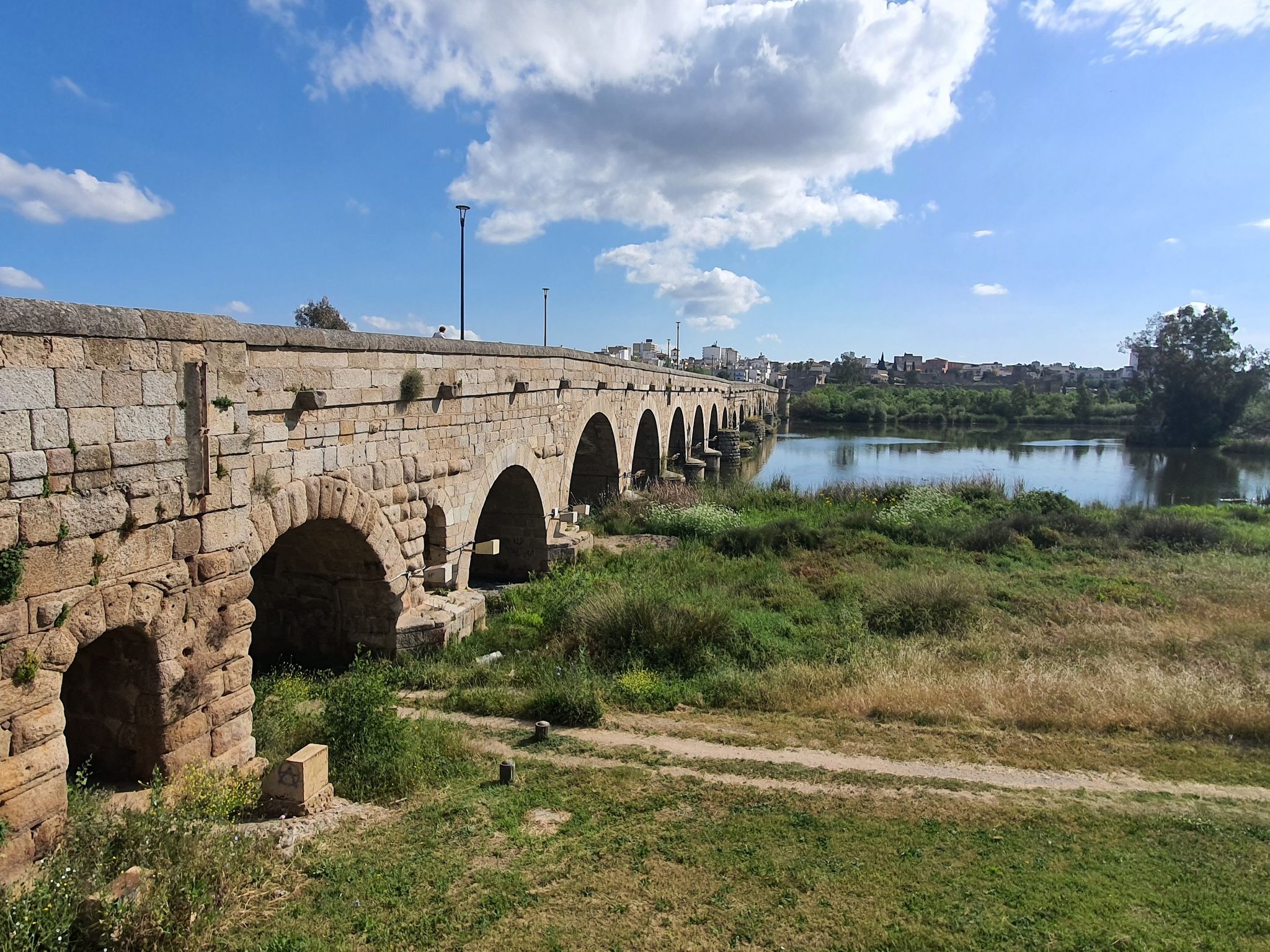
The Stone Bridge of Zamora, also known as Puente Nuevo in the Middle Ages, is one of the five bridges that cross the Duero River in Zamora, Castile and León. This Romanesque bridge was built in the early 13th century and has been renovated on several occasions.
3
1
The best thing about the Puente de los Poetas is the panoramic view of the entire old town of Zamora, dominated by the tower and dome of the Cathedral, in front of the waters of the Duero River and, in the background, the Romanesque Bridge.
0
0
Frequently Asked Questions
How many no-traffic gravel bike trails are available in Zamora?
Currently, this guide features 3 carefully selected no-traffic gravel bike routes around Zamora. These routes are designed to offer a peaceful cycling experience away from vehicular traffic, allowing you to fully immerse yourself in the region's natural beauty.
Are there any easy, beginner-friendly no-traffic gravel bike routes in Zamora?
While many routes in Zamora can be challenging, this guide includes one moderate route that could be suitable for beginners looking for a slightly longer ride: Monoliths of the Three Causeways – Zamora Stone Bridge loop from Zamora. It offers a good introduction to the region's gravel paths without excessive difficulty.
What kind of natural attractions can I expect to see on these no-traffic gravel bike trails?
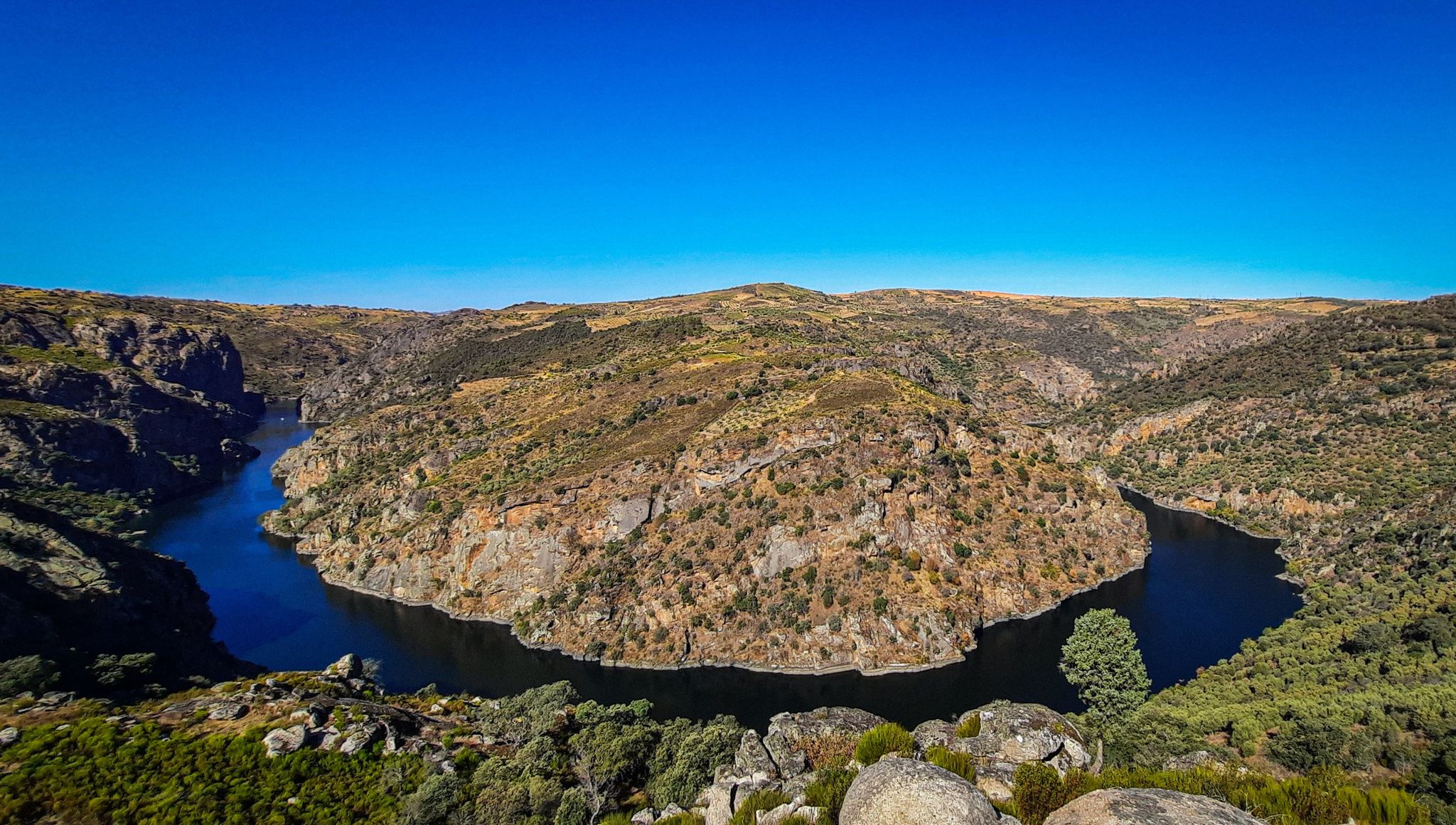
Zamora's no-traffic gravel trails often lead through diverse natural landscapes. You can expect to encounter features like the Valorio Forest, the serene Ricobayo Reservoir, and various waterfalls such as Cadozos Waterfall and La Palia Waterfall. The region is also known for its river canyons, like those in Arribes del Duero Natural Park, offering stunning views and opportunities to spot birds of prey.
Are there any circular no-traffic gravel bike routes in Zamora?
Yes, all the routes featured in this guide are circular, allowing for convenient starting and ending points. For example, the Palomares – Olivares Watermills loop from Zamora offers a substantial circular ride exploring the local landscape.
What is the best time of year to go gravel biking in Zamora to avoid traffic?
The no-traffic routes are designed to be car-free year-round. However, for the most pleasant riding conditions, spring (April-June) and autumn (September-October) are ideal. The weather is milder, and the natural scenery is particularly vibrant, making for a more enjoyable experience.
Do any of the routes pass by historical or cultural points of interest?
Absolutely. Zamora is rich in history. While cycling, you might encounter ancient Roman remains, traditional villages, and unique architectural elements like ancient watermills and dovecotes. The Palomares – Olivares Watermills loop from Zamora, for instance, takes you past historical watermills, offering a glimpse into the region's past.
Are these no-traffic routes suitable for families with children?
The suitability for families depends on the route's difficulty and length. The Monoliths of the Three Causeways – Zamora Stone Bridge loop from Zamora is rated moderate and could be manageable for older, more experienced children. For younger families, shorter sections of these routes or exploring the accessible Valorio Forest near the city might be more appropriate.
What are some of the more challenging no-traffic gravel bike routes in the area?
For experienced gravel bikers seeking a challenge, routes like the Ricobayo Reservoir – Cadozos Waterfall loop from Central Hidroelectrica Ricobayo and the Palomares – Olivares Watermills loop from Zamora are rated difficult. They feature significant elevation changes and longer distances, providing a rewarding test of endurance and skill.
Are there any specific routes where I might spot wildlife?
Many of Zamora's natural areas are rich in wildlife. Riding through areas like the Arribes del Duero Natural Park or near the Lagunas de Villafáfila (though not directly on routes in this guide) offers chances to see birds of prey, migrating birds, and other local fauna. The quiet nature of these no-traffic gravel trails increases your chances of wildlife encounters.
Where can I find parking for these no-traffic gravel bike trails?
For routes starting near Zamora city, such as the Monoliths of the Three Causeways – Zamora Stone Bridge loop, you can typically find parking within or on the outskirts of the city. For routes like the Ricobayo Reservoir – Cadozos Waterfall loop, parking is usually available near the specified starting points, such as Central Hidroelectrica Ricobayo.
What makes the no-traffic gravel biking experience in Zamora unique?
The uniqueness comes from Zamora's diverse and often untouched landscapes, combined with the tranquility of car-free routes. You'll traverse everything from river routes and grain fields to areas with Roman remains, all while enjoying the peace and quiet that allows for deep immersion in nature and local culture. The region's blend of natural beauty, historical depth, and varied terrain makes for a truly distinctive gravel biking adventure.
Most popular attractions around Zamora

Get inspired with the komoot mobile app


