The best traffic-free bike rides around San Pedro Manrique
5.0
(1)
27
riders
1
ride
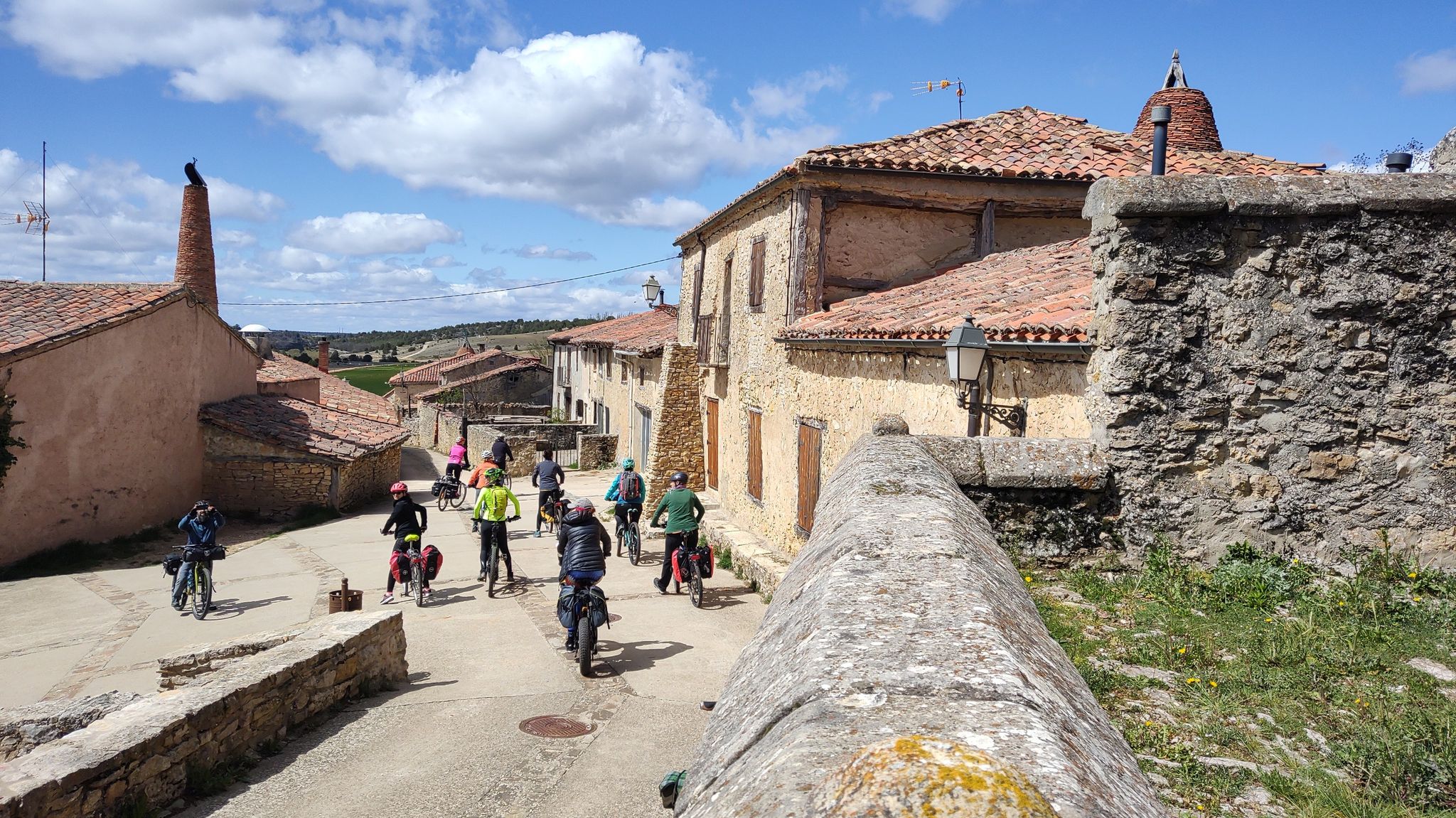
No traffic touring cycling routes around San Pedro Manrique traverse diverse landscapes, featuring rural paths and forest tracks. The region is characterized by varied terrain, including pine forests and river valleys, with elevation changes offering both gentle sections and more challenging ascents. Cyclists can find routes that connect traditional villages, providing a blend of natural beauty and cultural points of interest. This area offers a network of paths designed to keep cyclists away from heavy traffic.
Best no traffic touring…
Last updated: November 2, 2026
2
riders
32.2km
03:01
570m
570m
Hard bike ride. Very good fitness required. Mostly paved surfaces.
2
riders
Hard bike ride. Very good fitness required. You may need to push your bike for some segments of this route.
Our route recommendations are based on thousands of hikes, rides, and runs completed by other people on komoot.
Start today with a free account
Your next adventure awaits.
Popular around San Pedro Manrique
Other adventures around San Pedro Manrique

Tips from the Community

After the tough climb, we have beautiful views of both valleys
0
0

Montenegro de Ágreda is a town belonging to the municipality of Matalebreras, in the province of Soria, region of Moncayo, in the community of Castilla y León. It stands out for the church of Nuestra Señora de la Blanca, a proto-Gothic fortified church from the 13th century that took advantage of the structure of an old Berber tower in its construction.
0
0
Matalebreras is a municipality in the province of Soria, in the Moncayo region, in the community of Castilla y León. It was established as a constitutional municipality with the name of Matalebrera, with 90 homes and 269 neighbors in 1842. Of its heritage, the Gothic church of San Pedro Apóstol from the 18th century stands out, although it preserves a chapel and the nave from the 16th century. Another unique building is the Mozarabic tower, today in ruins, in addition to three emblazoned houses from the 17th-18th centuries, one of them belonging to the Marquis of Velamazán.
2
0

In Montenegro de Ágreda, the ancient fortified church of Nuestra Señora de la Blanca remains standing, built at the end of the 12th century, attached to a Berber defensive tower, from the 10th century. Another jewel of the Romanesque style that spread throughout the medieval border lands .
1
0

In Pozalmuro we find the bar closed, we have little to do and a storm is also threatening, we fill the kettles with water and begin the ascent of the Sierra del Madero, the mountain pass of the day to jump the Iberian System and cross the Duero basin to the great valley of the Ebro. The climb is a cycle path with quite a slope, it has some studs to avoid the destruction of runoff and maintain the quality of the surface but they require extra effort on each step. The hard slope ends at an extraordinary viewpoint with signs of the landscape, the views are magnificent. Moncayo (2,314 m) is an imposing mass, the roof of the Soria mountains and the highest peak of the Iberian System. We follow the milestones of the natural path down a descent with a couple of delicate curves for the gravel wheels on the loose stone and then a well-conditioned and fun path in a holm oak forest of great environmental quality. The sky turns into hell and we arrive at the town of Muro when the raindrops turn into hail balls, luckily the bar is open here. In Muro is the site of the Roman city of Augustóbriga and in the bar room they have posters highlighting the notoriety of the place. The Roman town was decisive in the Roman conquest and control of the towns that lived in the mountain slopes of Moncayo. The bad weather is persistent and we decided to finish the stage in Ágreda, an interesting town of three cultures on the slopes of Moncayo. At Hostal Doña Juana they are welcoming and kind to cyclists, even when they arrive soaked and their bikes are muddy. Before dinner there is time to see more towers, palaces, convents, stately homes and stroll through the Moorish quarter, passing through medieval gates with original battlements or in the shape of a horseshoe arch, such as the Puerta del Agua, from the 8th century, the oldest construction of the architectural heritage of Ágreda.
0
0

It is worth catching your breath while admiring Moncayo... and surroundings
0
0
Drinking water source. It will be good for us to face the climb... although I would not miss visiting the bar in town
0
0

Currently uninhabited, Masegoso has a Berber tower from the 10th century and a beautiful Roman fountain.
3
0
Frequently Asked Questions
How many no-traffic touring cycling routes are available around San Pedro Manrique?
There are several dedicated no-traffic touring cycling routes around San Pedro Manrique, offering a safe and enjoyable experience away from main roads. Currently, komoot features 2 routes in this guide, all designed for touring cyclists seeking quiet paths.
What kind of terrain can I expect on these no-traffic cycling routes?
The no-traffic routes around San Pedro Manrique feature diverse terrain, primarily utilizing rural paths and forest tracks. You can expect varied landscapes with elevation changes, offering both challenging ascents and scenic descents through areas like pine forests and traditional paths leading to rivers such as the Linares.
Are there any challenging no-traffic touring cycling routes in the area?
Yes, the routes listed in this guide are generally considered challenging. For example, the Church of Castilruiz loop from Valdelagua del Cerro covers over 41 km with more than 750 meters of elevation gain, while the Cornago Castle – Cornago loop from Cornago is nearly 37 km with over 830 meters of climbing. These routes are best suited for experienced touring cyclists.
What cultural or historical landmarks can I see along the no-traffic touring cycling routes?
San Pedro Manrique and its surroundings are rich in history. While cycling, you might encounter traditional villages, 16th and 17th-century houses, and remains of a 1421 castle. Notable attractions nearby include Préjano Castle, the historic Yanguas Historic Village, and the Ermita de San Marcos. The region also features the Romanesque ruins of the old Templar monastery of San Pedro el Viejo.
Are there any circular no-traffic touring cycling routes available?
Yes, all the no-traffic touring cycling routes featured in this guide are circular, allowing you to start and end your journey in the same location. Examples include the Church of Castilruiz loop from Valdelagua del Cerro and the Bike loop from Valdelagua del Cerro.
What do other touring cyclists say about the no-traffic routes in San Pedro Manrique?
The komoot community highly rates the touring cycling experience in San Pedro Manrique, with an average score of 5.0 stars. Cyclists often praise the quiet, traffic-free nature of the routes, the diverse landscapes, and the opportunity to explore traditional villages and historical sites.
Are there any natural features or viewpoints to look out for on these routes?
Absolutely. The routes offer panoramic views across varied landscapes, including extensive pine forests, particularly as you traverse areas like the Valdeprado valley. You might also encounter traditional paths that descend to rivers, adding to the natural beauty. Peña Isasa is a notable summit in the broader area that offers impressive vistas.
What is the best time of year to cycle in San Pedro Manrique?
San Pedro Manrique experiences a continental climate. Spring and autumn generally offer the most pleasant cycling conditions with milder temperatures and beautiful scenery. Summers can be hot, while winters can be cold, so planning your visit during the shoulder seasons is often ideal for touring cycling.
Are there any specific villages or settlements I can visit while on a no-traffic cycling tour?
Yes, the routes often connect to charming smaller villages, allowing you to experience local culture. While specific villages vary by route, you might pass through places like Sarnago, Matasejún, or Romero Gil, which are known for their rural charm and traditional architecture. The town of San Pedro Manrique itself is a highlight with its narrow streets and historic buildings.
What are the typical distances for no-traffic touring cycling routes in this area?
The no-traffic touring cycling routes around San Pedro Manrique typically range from approximately 32 km to over 41 km. For instance, the Bike loop from Valdelagua del Cerro is about 32 km, while the Church of Castilruiz loop from Valdelagua del Cerro extends to around 41 km.
Most popular attractions around San Pedro Manrique

Get inspired with the komoot mobile app


Explore more
Browse the best Cycling routes in other regions.
