The best traffic-free bike rides around Jumilla
5.0
(2)
27
riders
6
rides
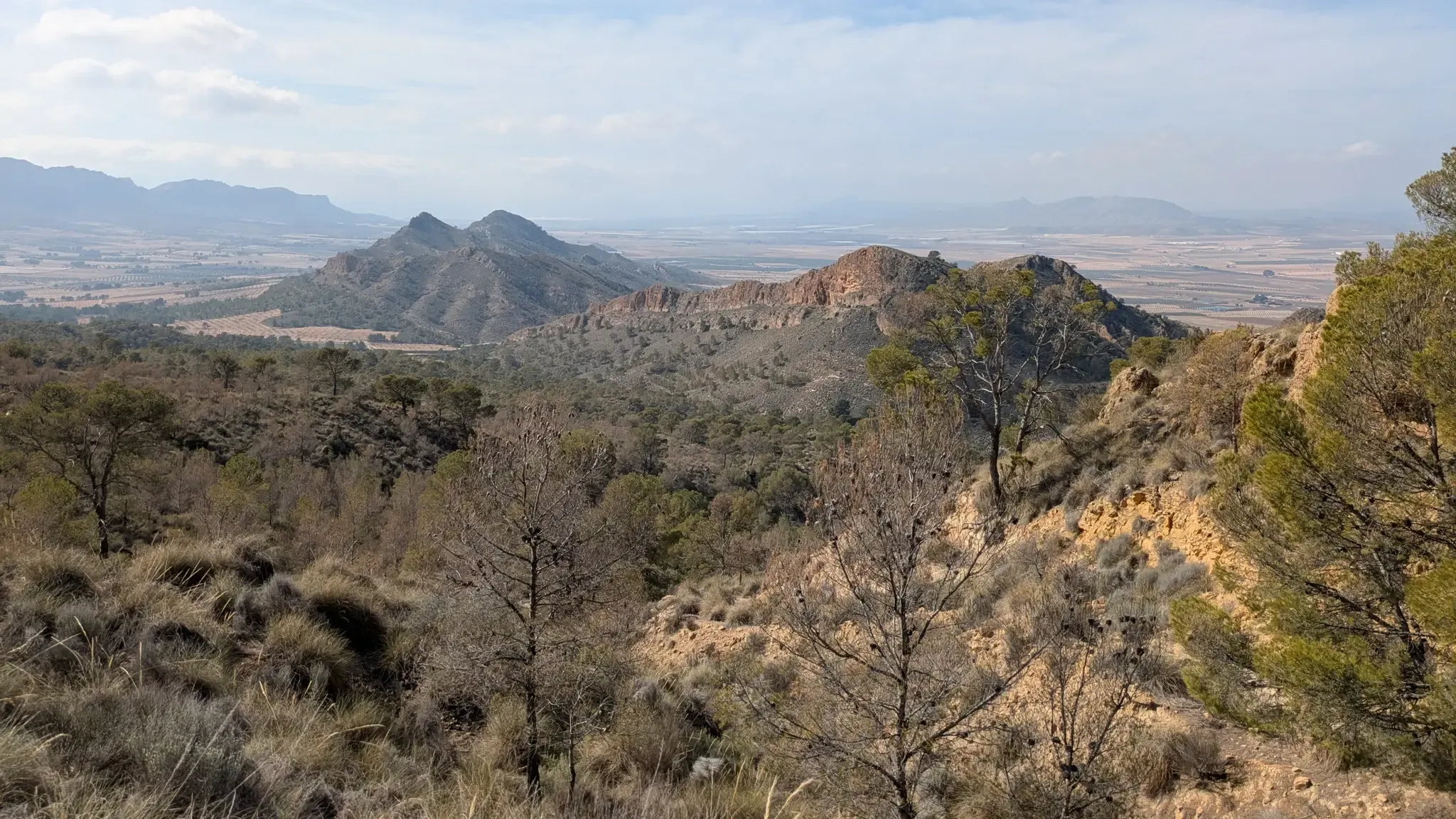
Gravel biking around Jumilla offers diverse terrain across its protected natural areas and agricultural landscapes. The region is characterized by mountainous, predominantly limestone terrain, notably within the Sierra del Carche Regional Park, which features unique geological formations and deep ravines. Expansive vineyards, part of the Jumilla Wine Route, provide picturesque, unpaved roads, while other mountain ranges like Santa Ana and Pedrera contribute to a varied orography ideal for gravel exploration.
Best no traffic gravel bike trails around Jumilla
- The most…
Last updated: May 21, 2026
5.0
(1)
3
riders
24.8km
02:08
640m
640m
Hard gravel ride. Very good fitness required. Mostly paved surfaces. Suitable for all skill levels.
3
riders
28.3km
02:02
420m
420m
Moderate gravel ride. Good fitness required. Mostly paved surfaces. Suitable for all skill levels.

Sign up for free
2
riders
74.4km
05:13
1,040m
1,040m
Hard gravel ride. Very good fitness required. You may need to push your bike for some segments of this route.
2
riders
59.2km
03:47
480m
480m
Hard gravel ride. Very good fitness required. Mostly paved surfaces. Suitable for all skill levels.
5.0
(1)
1
riders
Moderate gravel ride. Good fitness required. Mostly paved surfaces. Suitable for all skill levels.
Our route recommendations are based on thousands of hikes, rides, and runs completed by other people on komoot.
Start today with a free account
Your next adventure awaits.
Login or Signup

Other adventures around Jumilla


Tips from the Community

The Church of Santiago, also known as the Main Parish Church of Jumilla, is one of the most important architectural and religious monuments in the city and the Region of Murcia. It has been a National Monument since 1931. It is the first church with a large dome over a crossing built in the Diocese of Cartagena, making it an architectural landmark of the region. The church is particularly noteworthy because it combines several styles, the result of a long construction process between the 15th and 18th centuries.
1
0
If you enjoy wine, history, and nature, Jumilla is a must-see destination. In a single weekend, you can combine wineries, a castle, gastronomy, and nature trails, all at a relaxed pace and in a very welcoming atmosphere.
4
0
Jumilla is a jewel of the Murcian highlands, internationally renowned for its wines and exceptional historical and natural heritage. It's the perfect city for cultural, gastronomic, and nature getaways. The historic center preserves a traditional and monumental setting: The Church of Santiago – a National Monument since 1931. The Church of El Salvador and the Vico Theatre, along with 19th-century modernist houses. The Archaeological Museum and the Ethnographic Museum (Jerónimo Molina) – ideal for discovering local history.
4
0

The Cabezo de Turra Hostel is a rural accommodation in the Sierra de la Pila, in Fortuna (Region of Murcia), ideal for enjoying nature, with capacity for 28 people, heating and basic services.
0
0
Crossroads of forest paths in the Sierra de la Pila
0
0

The narrow path leads to the summit, with hidden caves and signs that guide you along the Caravaca de la Cruz Route. Without a doubt, a stretch with very special views.
0
0

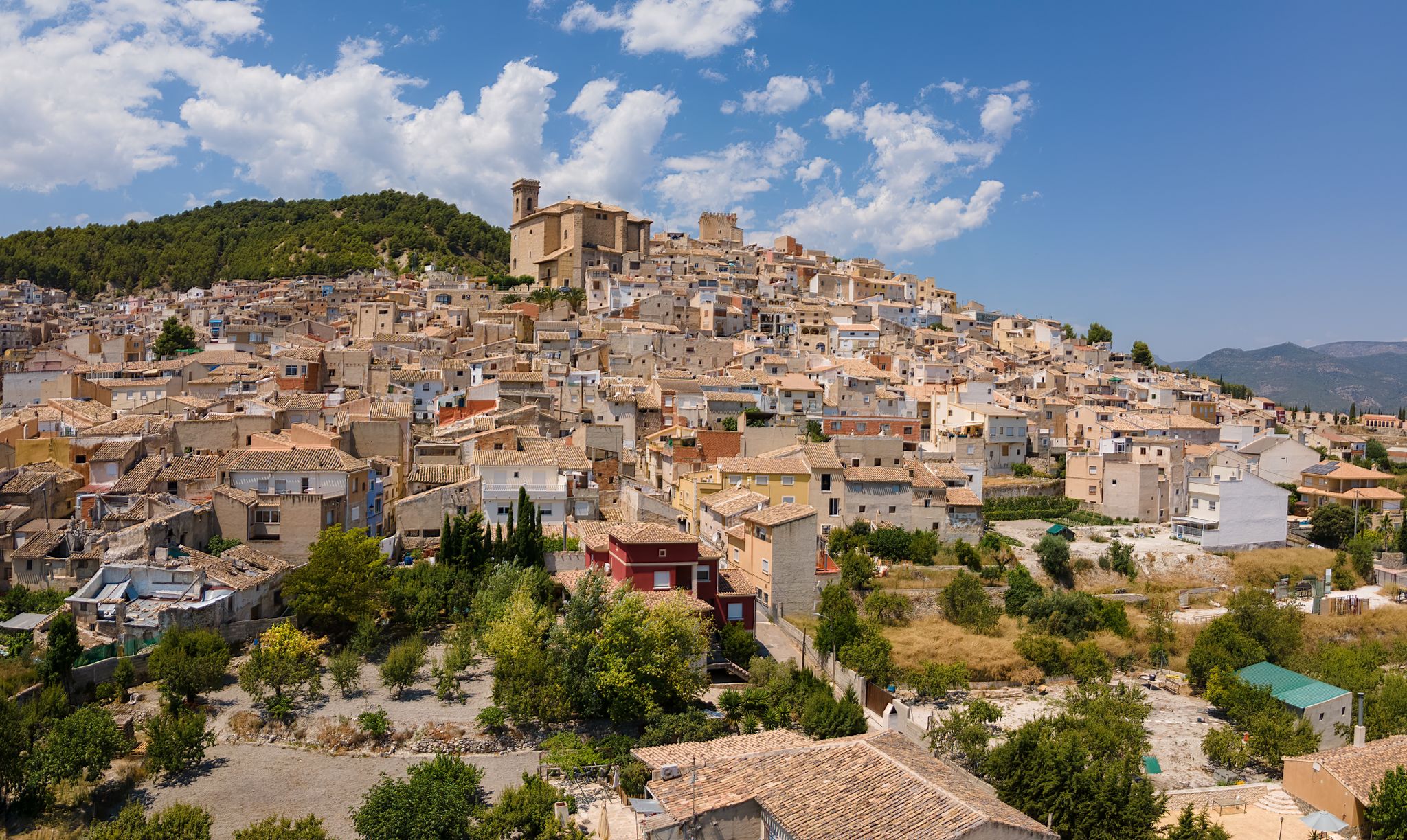
Jumilla is a city in Murcia known for its wines (DOP Jumilla) and pears. Its historic center is well worth a visit: declared a Historic-Artistic Site, it offers numerous religious and civil heritage sites. Its monuments include the Church of Santiago, the castle perched on a hill, the former Town Hall, the Vico Theater, and much more.
2
0

Frequently Asked Questions
How many no-traffic gravel bike trails are available around Jumilla?
There are currently 6 dedicated no-traffic gravel bike trails around Jumilla featured in this guide. These routes offer a mix of moderate and difficult options, perfect for exploring the region's diverse landscapes away from busy roads.
What kind of terrain can I expect on Jumilla's gravel bike trails?
Jumilla's gravel trails offer a varied experience, from the mountainous, predominantly limestone terrain of the Sierra del Carche Regional Park to picturesque routes through expansive vineyards. You'll encounter a mix of unpaved roads, dirt tracks, and some paved sections, providing an ideal environment for gravel biking.
Are there any challenging gravel routes for experienced riders?
Yes, Jumilla offers several challenging gravel routes. For instance, the Puerto Frío Pass – Mojón de las Cuatro Caras loop from La Garapacha is classified as difficult, featuring significant elevation gain. Another demanding option is the Ca Byron – Rabasa Viewpoint loop from el Pinós / Pinoso, which covers a longer distance with substantial climbing.
What are the best times of year to go gravel biking in Jumilla?
The best times to go gravel biking in Jumilla are typically spring (March to May) and autumn (September to November). During these seasons, the weather is generally mild and pleasant, avoiding the intense heat of summer and the cooler, potentially wetter conditions of winter. This allows for comfortable riding and better enjoyment of the region's natural beauty.
Can I find any circular gravel routes around Jumilla?
Yes, many of the gravel routes in Jumilla are designed as circular loops, allowing you to start and end at the same point. A great example is the View of Sierra de la Pila – Monasterio de Santa Ana loop from Jumilla, which offers a moderate challenge and scenic views.
What natural features or landmarks can I see along the trails?
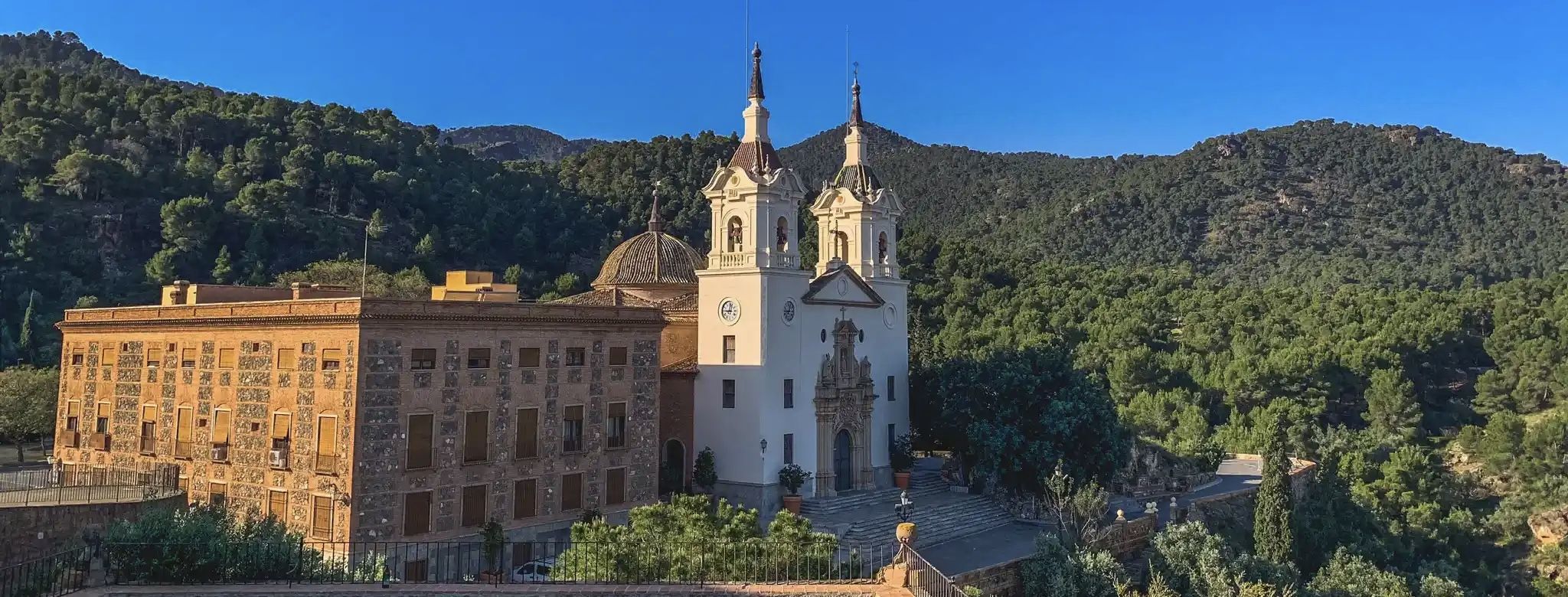
Jumilla's gravel trails often pass through or near significant natural and historical sites. You can explore the unique geological formations within the Sierra del Carche Regional Park, including deep ravines. Routes may also lead you past cultural landmarks such as the Monasterio de Santa Ana or the Ermita de Santa Ana. The region's extensive vineyards also provide a beautiful backdrop.
Are there any places to rest or find shelter along the routes?
Yes, particularly in the more mountainous areas, you might find shelters or huts. For example, the El Carche Summit and Mountain Refuge is a notable spot. Other options include the Shepherd's Stone Hut on Camino de Úbeda and the Pico Pelado Shelter, offering potential resting points during your ride.
What do other gravel bikers enjoy most about riding in Jumilla?
The komoot community highly rates the gravel biking experience in Jumilla, with an average score of 5.0 stars. Reviewers often praise the region's quiet, traffic-free roads, the stunning natural beauty of areas like the Sierra del Carche, and the rewarding challenge of its varied terrain. The opportunity to combine cycling with wine route exploration is also a highlight for many.
Are there any routes that start directly from Jumilla town?
Yes, you can find routes that conveniently start and end in Jumilla itself. The View of Sierra de la Pila – Monasterio de Santa Ana loop from Jumilla is a great example, offering a moderate ride directly from the town. Another option is the longer Jumilla – Jumilla loop from Jumilla, which provides a more extensive exploration of the surrounding area.
What is the highest point I can reach on a gravel bike trail in the region?
Within the Sierra del Carche Regional Park, which offers excellent gravel biking opportunities, the highest point is the Pico de la Madama, reaching an altitude of 1,371 meters. While not all gravel routes directly summit it, many trails in the park will offer significant elevation and stunning views of the surrounding landscape.
Are there any routes that explore the vineyard areas?
Yes, Jumilla is renowned for its vineyards, part of the Jumilla Wine Route. Many gravel routes traverse these agricultural areas, offering picturesque, often unpaved roads with rolling hills and viticulture as a scenic backdrop. While specific vineyard routes aren't listed here, the general character of the region ensures you'll encounter them on many rides.
Most popular attractions around Jumilla

Get inspired with the komoot mobile app


Explore more
Browse the best Gravel rides in other regions.
