The best traffic-free bike rides around La Font De La Figuera
3.9
(10)
387
riders
44
rides
No traffic touring cycling routes around La Font De La Figuera are characterized by a diverse landscape of extensive vineyards and dry farming areas, bordered by the Valle de Montesa and the Serra Grossa mountain range. Situated at an average altitude of 553 meters, the region offers varied terrain suitable for different cycling abilities. The routes often feature paved surfaces, with some challenging segments that may be unpaved. This area provides a blend of natural beauty and historical attractions for…
Last updated: July 29, 2026
45
riders
64.4km
04:15
950m
950m
Hard bike ride. Very good fitness required. Mostly paved surfaces. Suitable for all skill levels.
22
riders
Hard bike ride. Very good fitness required. Mostly paved surfaces. Suitable for all skill levels.

Sign up for free
21
riders
61.0km
03:47
550m
550m
Hard bike ride. Very good fitness required. Mostly paved surfaces. Suitable for all skill levels.
24
riders
31.8km
03:26
870m
860m
Hard bike ride. Very good fitness required. You may need to push your bike for some segments of this route.
23
riders
33.1km
03:21
690m
690m
Hard bike ride. Very good fitness required. You may need to push your bike for some segments of this route.
Get access to more routes and recommendations from other explorers.
Sign up for free
Already have an account?
Our route recommendations are based on thousands of hikes, rides, and runs completed by other people on komoot.
Start today with a free account
Your next adventure awaits.
Login or Signup
Popular around La Font De La Figuera
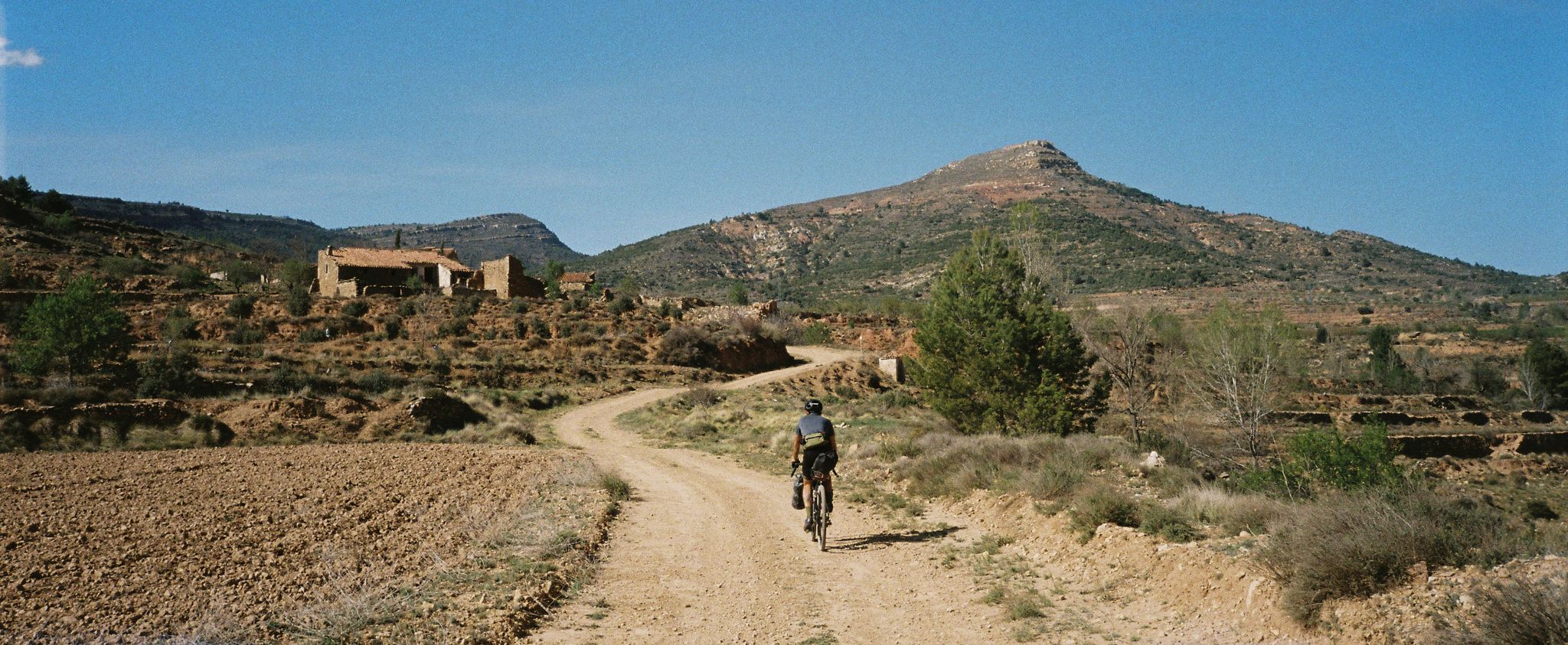
Path of the Tasters - Bikepacking in the Valencian ranges
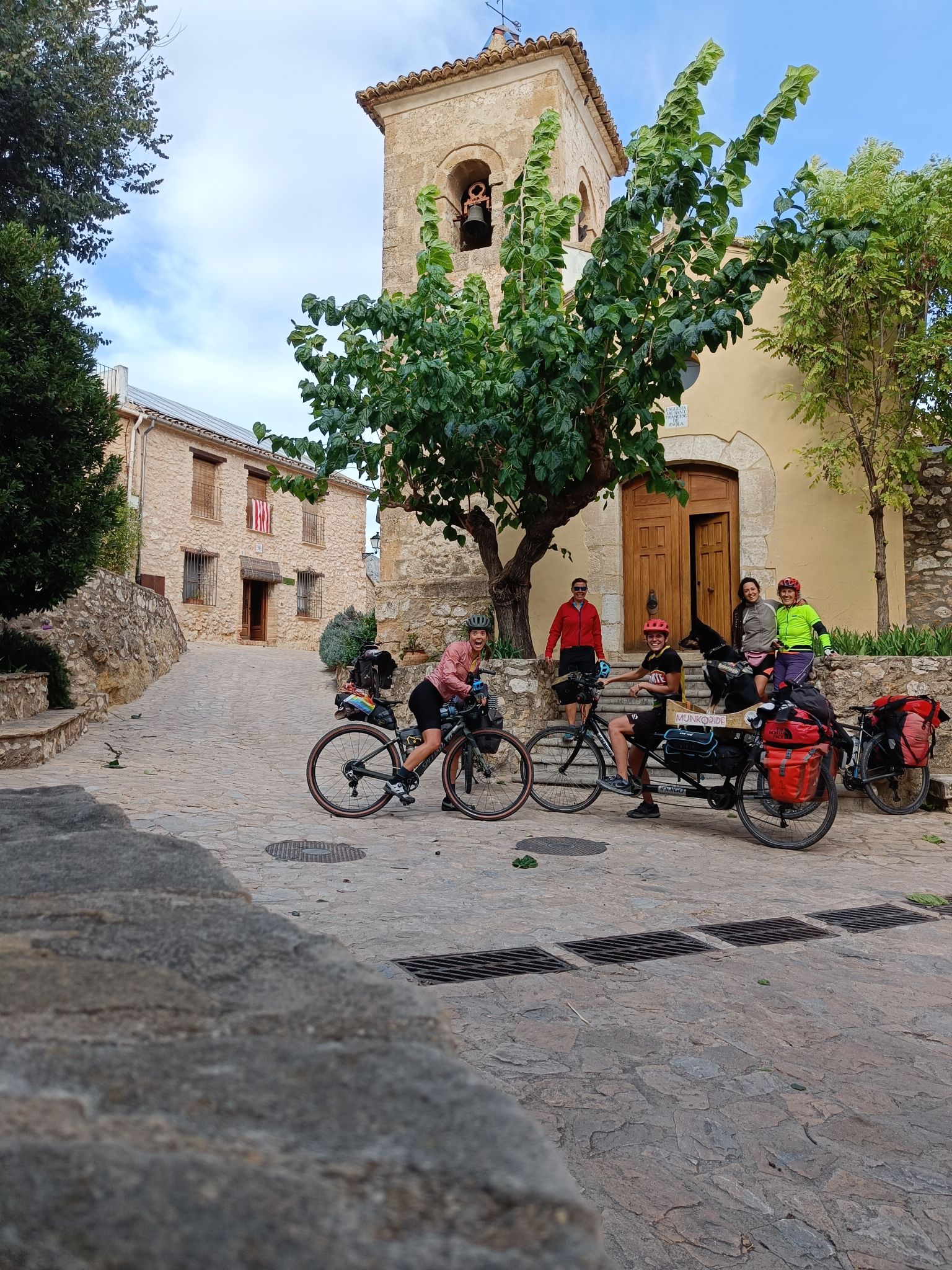
Community ride through the east of Spain – an autumn adventure
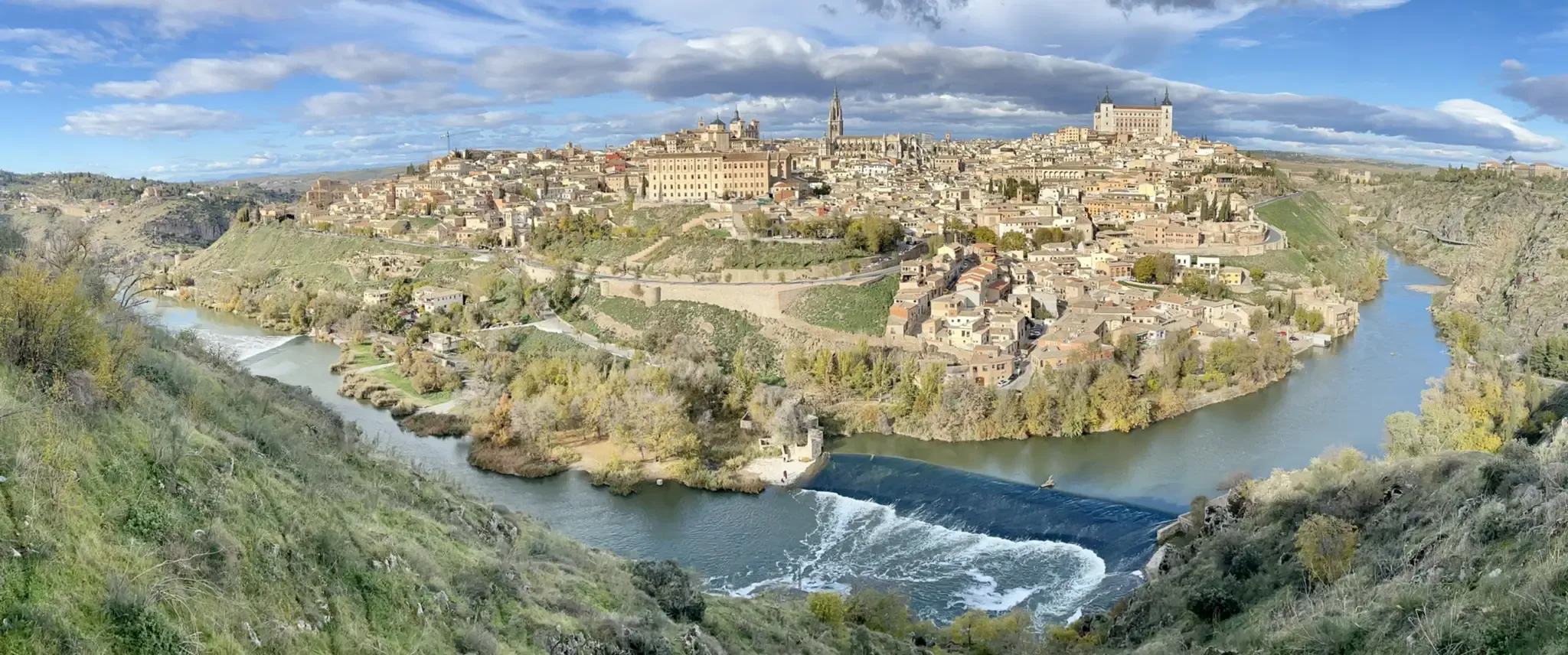
A journey to the interior of the Iberian Peninsula – Levante Way (GR 239)
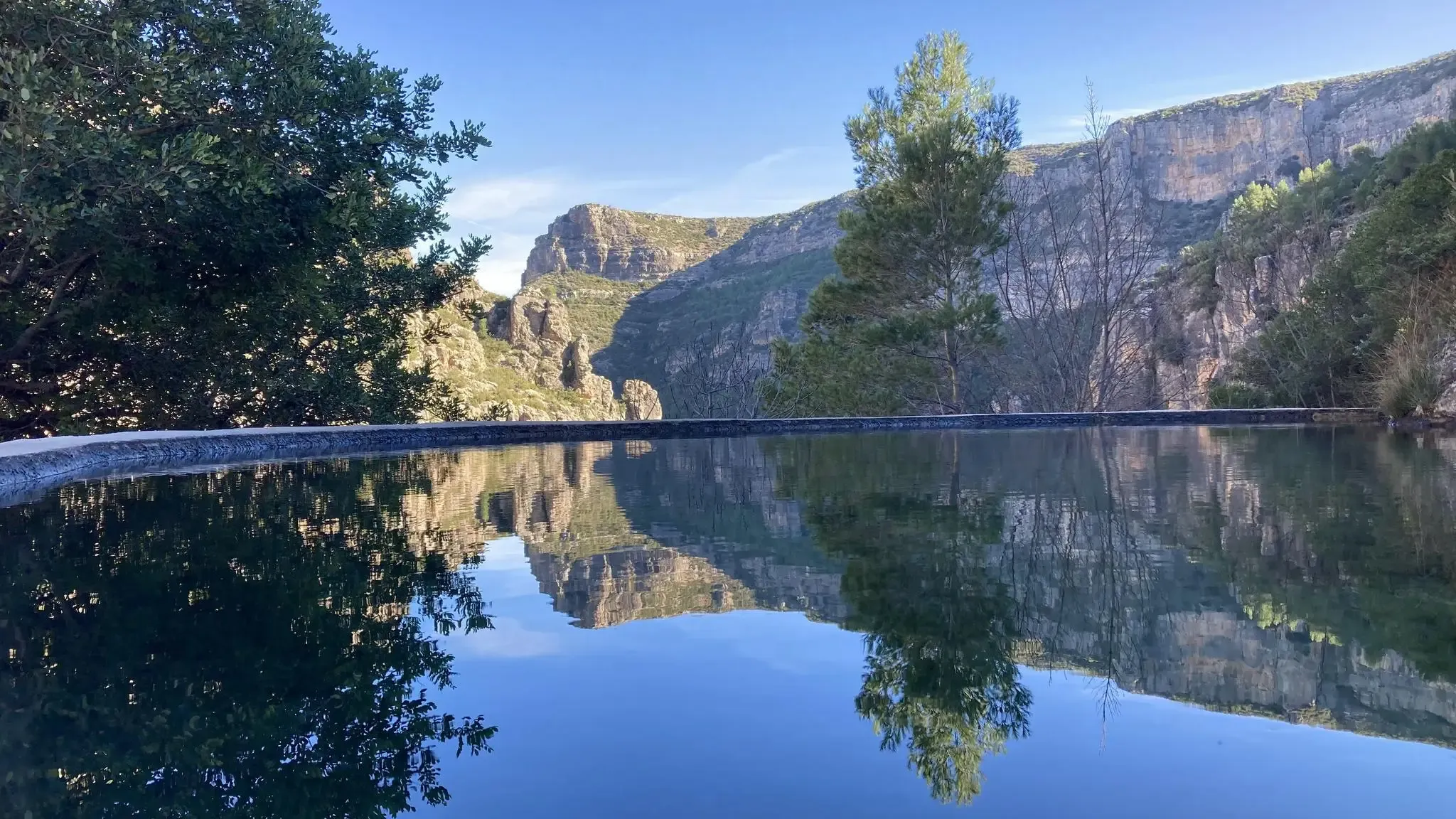
The hidden gem of Valencia – Caroig Massif (GR 237)

Traffic-free bike rides around La Font De La Figuera

Traffic-free bike rides around La Font De La Figuera
Other adventures around La Font De La Figuera


Tips from the Community


The Archpriestal Church of the Assumption in Almansa is an impressive historical and architectural monument. Located in the Plaza de Santa María, next to the Palace of the Counts of Cirat, this church was built in several stages from the 16th to the 19th century.
6
0

The patronage of this church - "Santa MARIA ASUNCION" or "Nuestra Señora de La Asunción" (in German-speaking countries it is called "Mariä Himmelfahrt") - refers to one of the many memorial or feast days in honor of the Mother of God Mary in the church year. It goes back to the feast of her bodily assumption into heaven, which the (Catholic) Church celebrates annually on August 15th. In Christian Orthodox churches the feast is celebrated under the name "Maria Entschläfung". In rural areas it is part of the local custom - depending on the region - that on this special day bundles of herbs are collected by the population and blessed in the festive service.
3
0
The patronage of this church - "Santa MARIA ASUNCION" or "Nuestra Señora de La Asunción" (in German-speaking countries it is called "Mariä Himmelfahrt") - refers to one of the many memorial or feast days in honor of the Mother of God Mary in the church year. It goes back to the feast of her bodily assumption into heaven, which the (Catholic) Church celebrates annually on August 15th. In Christian Orthodox churches the feast is celebrated under the name "Maria Entschläfung". In rural areas it is part of the local custom - depending on the region - that on this special day bundles of herbs are collected by the population and blessed in the festive service.
2
0
The Church of the Assumption in Almansa is an imposing monument that stands in front of the Plaza de Santa María. It is a must-see when touring the historic center of Almansa. Inside, Our Lady of Bethlehem, the Patroness of the city, presides over the High Altar. Construction began on April 30, 1524. Throughout the first half of the 16th century, it was developed from the foundation to the elevation of the nave walls, the side chapels, and buttresses were added. The sculptural group on the façade represents the Annunciation, with the Virgin kneeling before a lectern and the archangel Gabriel in front of her. If you're thinking of visiting the city, here's a little history to inspire you!
5
0
The Palace of the Counts of Cirat, also known as “the Big House”, is a Renaissance-style building with a civil character. It was built in the last quarter of the 16th century by the Almanseño noble Don Alfonso de Pina. This palace is located in the Plaza de Santa María in the town of Almansa. This palace is a historical and architectural testimony that deserves to be appreciated for its beauty and cultural significance. If you ever have the opportunity to visit Almansa, I recommend exploring this magnificent Renaissance building. 🏰🌟
6
0
The original construction could have been the work of the Almohads, who used to use the rammed earth technique for their defensive buildings. The remains of rammed earth walls in this castle, traditionally attributed to the Almohad period, were actually built during the first decades of Christian rule, at the end of the 13th century or the beginning of the 14th century. In the 14th century, Almansa and its fortress were incorporated into the Villena manor. Don Juan Manuel took advantage of the previous construction and ordered its walls to be rebuilt.
5
0
Frequently Asked Questions
How many no-traffic touring cycling routes are available in La Font de la Figuera?
There are over 25 dedicated no-traffic touring cycling routes around La Font de la Figuera, offering a wide range of options for different skill levels. You'll find 2 easy routes, 11 moderate routes, and 15 challenging routes to explore.
Are there any family-friendly no-traffic touring cycling routes in the area?
While many routes in La Font de la Figuera involve significant elevation changes, there are a few easier options suitable for families looking for less strenuous rides. These routes typically traverse the picturesque vineyards and dry farming areas, offering a gentler experience away from traffic. Look for routes marked as 'easy' in the guide for the most family-friendly choices.
What kind of terrain can I expect on these no-traffic touring cycling routes?
The terrain around La Font de la Figuera is diverse, ranging from extensive vineyards and dry farming areas to the more challenging slopes of the Valle de Montesa and Serra Grossa mountain range. Many routes are on paved surfaces, but some more difficult segments may be unpaved and require a good level of fitness. Expect varied landscapes with both rolling hills and steeper climbs.
What are some notable natural features or viewpoints I can experience on these routes?
La Font de la Figuera offers stunning natural vistas. You can expect panoramic views from peaks like Capurutxo (901 meters) and Alt de la Silla (1004 meters). Routes often pass through scenic areas defined by the Serra Grossa Range and Valle de Montesa. You might also encounter natural monuments such as Barranco de la Hoz or Ventana de la Hoz.
Are there any historical or cultural attractions along the no-traffic touring cycling routes?
Yes, the region is rich in history and culture. You can visit the 16th-century Santa Bàrbara Chapel, which offers historical significance and great views. Other points of interest include the 15th-century San Sebastián Chapel, the La Costera Historical Museum of Ethnology (housed in an 18th-century winery), and ancient archaeological sites like Cova de la Balconada. Some routes, like the Castle of Almansa – Palace of the Counts of Cirat loop, directly connect historical landmarks.
What is the best time of year to go touring cycling in La Font de la Figuera?
The region's Mediterranean climate generally makes spring and autumn ideal for touring cycling, offering pleasant temperatures and less extreme weather. Summers can be hot, especially in July and August, while winters are mild but can have cooler, wetter days. Checking local weather forecasts before your ride is always recommended.
Are there any challenging routes for experienced touring cyclists?
Absolutely. La Font de la Figuera is known for its challenging routes with significant elevation gains. For instance, the Ontinyent – Pou Clar loop from Fontanars dels Alforins is a difficult 64.5 km trail with over 950 meters of elevation gain. Another demanding option is the Bar Restaurante Julio – Refugio de Rita loop, which covers 31.8 km with over 860 meters of ascent.
Can I find circular no-traffic touring cycling routes in La Font de la Figuera?
Yes, many of the touring cycling routes in La Font de la Figuera are designed as loops, allowing you to start and end at the same point. Examples include the Puerto del Moro Road – Vía Augusta loop from Fontanars dels Alforins and the Font de Gamellons – Refugio de Rita loop, providing convenient options for exploring the region.
What do other touring cyclists say about the routes in La Font de la Figuera?
The touring cycling routes in La Font de la Figuera are highly regarded by the komoot community, with an average rating of 3.6 out of 5 stars. Cyclists often praise the diverse landscapes, the quiet roads, and the blend of natural beauty with historical sites, making for a rewarding experience away from heavy traffic.
Are there any specific climbs or iconic sections on the no-traffic routes?
Yes, the region features notable climbs that are popular among cyclists. The Puerto del Moro is a classic climb in the area, reaching 987 meters above sea level with some steep gradients. You can experience this on routes like the Puerto del Moro Road – Vía Augusta loop, which incorporates historical road sections.
What are the typical distances for no-traffic touring cycling routes here?
The routes vary significantly in length to accommodate different preferences. You can find shorter routes around 30 km, such as the Bar Restaurante Julio – Refugio de Rita loop (31.8 km). Longer routes extend up to around 65 km, like the Ontinyent – Pou Clar loop (64.5 km), offering options for both shorter excursions and full-day adventures.
Most popular routes around La Font De La Figuera
Most popular attractions around La Font De La Figuera

Get inspired with the komoot mobile app


Explore more
Browse the best Cycling routes in other regions.
