The best traffic-free bike rides around Chelva
534
riders
5
rides
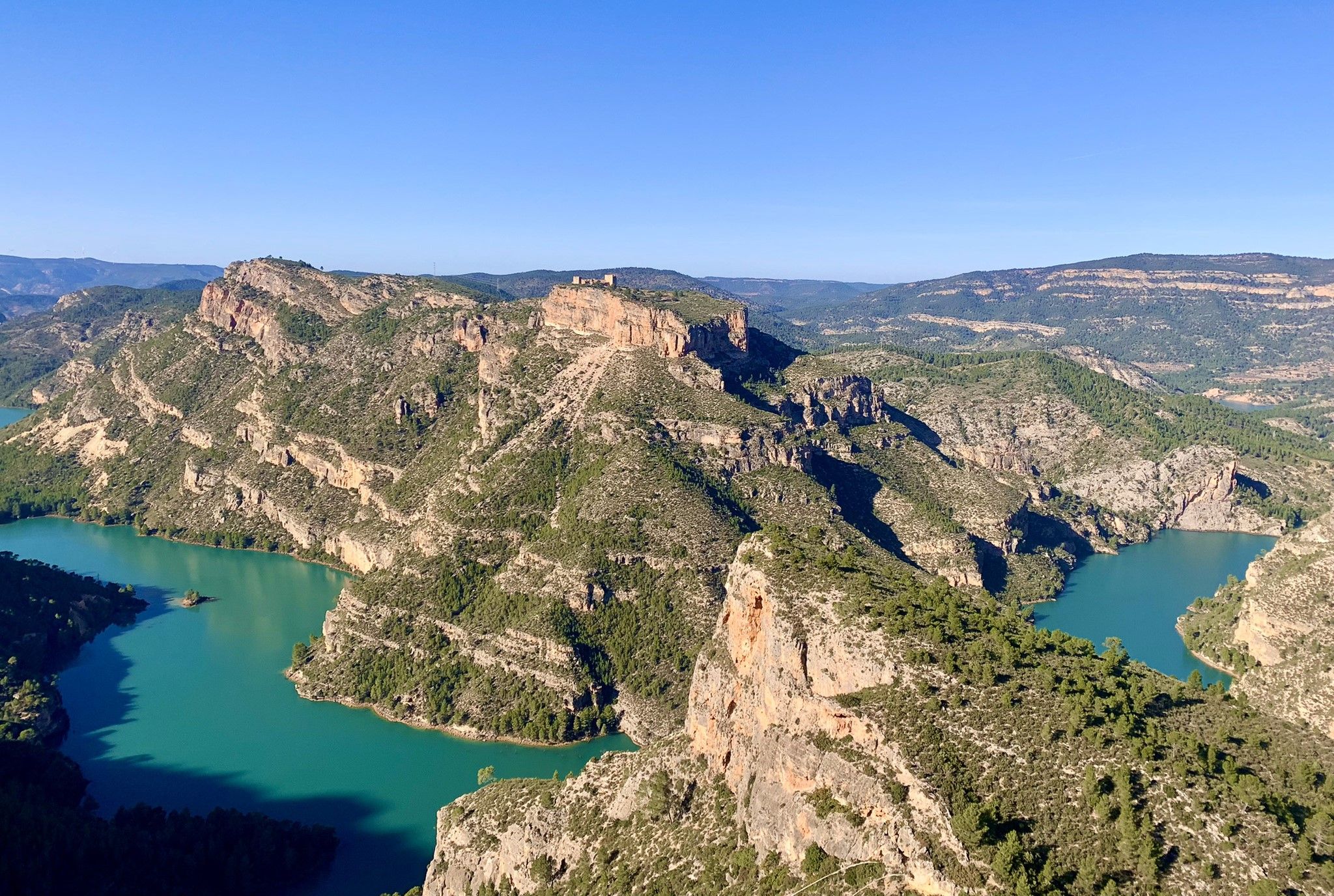
No traffic road cycling routes around Chelva are characterized by a dramatic natural environment, featuring river valleys and gorges carved by the Chelva, Tuéjar, and Turia rivers. The region includes mountainous terrain with peaks such as the Utiel mountain range, Javalambre massifs, and Pico del Remedio, offering varied elevation profiles for cyclists. These landscapes provide a mix of challenging climbs and scenic descents, making the area suitable for diverse road cycling experiences.
Best no traffic road cycling routes around Chelva
…Last updated: October 5, 2026
1
riders
65.1km
03:45
1,380m
1,380m
Tackle the difficult Road ports of La Serranía — Circular from Calles, a 40.5-mile road cycling route with 4516 feet of elevation gain.
22
riders
62.9km
03:40
1,500m
1,500m
Hard road ride. Very good fitness required. Mostly well-paved surfaces and easy to ride.

15
riders
Moderate road ride. Good fitness required. Mostly well-paved surfaces and easy to ride.
10
riders
72.1km
03:51
1,430m
1,430m
Hard road ride. Very good fitness required. Some segments of this route may be unpaved and difficult to ride.
6
riders
39.8km
02:16
920m
920m
Hard road ride. Very good fitness required. Mostly well-paved surfaces and easy to ride.
Our route recommendations are based on thousands of hikes, rides, and runs completed by other people on komoot.
Start today with a free account
Your next adventure awaits.


Other adventures around Chelva

Tips from the Community

The Losilla Viewpoint offers spectacular views of the mountain pass and the landscape surrounding this small village of Aras de los Olmos. From here, you can see the road winding through the mountains, and on clear days, the feeling of spaciousness is impressive. The area is also a popular spot for stargazing, thanks to the purity of its night sky, and has an archaeological route linked to the discovery of the dinosaur Losillasaurus giganteus. It's a good place to stop and enjoy the natural surroundings.
1
0
Arcos de las Salinas is a small village in the Javalambre Mountains, ideal for hiking and nature lovers. Surrounded by mountains and crossed by the Arcos and Torrijano rivers, it is part of a protected area designated as a Site of Community Interest. Its scattered villages and farmhouses give it a very authentic rural feel, perfect for unwinding. Thanks to its altitude, the climate is cool, and snow is not uncommon in winter, making it a good starting point for excursions at any time of year.
1
0
La Yesa is a small village in the Los Serranos region, surrounded by mountains covered with holm oaks and pine forests, ideal for leisurely hikes with beautiful views of the mountains and even the sea on clear days. Its attractions include the Church of Nuestra Señora de los Ángeles, several chapels, and monumental trees such as the Carrasca Tumbada and the Pino Sombrero. The surrounding area offers trails through natural sites such as El Carrascal and El Castellar, with archaeological remains. To replenish your energy, there's nothing better than trying "Olla de pueblo" (village pot), a hearty rice dish with beans and turnips, typical of the area.
2
0

Starting point for a visit to the beautiful village of Chelva and the superb Water Route (Ruta del Agua), well signposted from the square. Despite the signs at the beginning of the circuit indicating that the route is closed, it is possible to pass through with caution. To immerse yourself in the village's narrow streets and the Ruta del Agua, click here: https://youtu.be/YgxESnd14Ww
0
0

The Jewish Quarter of Azoque is a testimony of the cultural wealth that Chelva has inherited from its inhabitants of different religions. Here, the Jews left their mark, and every corner tells a story. It is a place where the sound of the water from the irrigation ditches, the fountains and the stones carved into the wall transport you to bygone times. If you ever visit Chelva, do not hesitate to explore this neighborhood and enjoy its authenticity and beauty. 🏰🌿
2
0
The church was built between the 17th and 18th centuries in the Mannerist and Baroque styles. Its design is inspired by the Church of the Gesù in Rome, designed by Jacopo Vignola. The building has a Latin cross plan, with side chapels and a transept inscribed in a rectangle. Its baroque bell tower and the largest dome in the region that is today the Valencian Community stand out. The interior ornamentation, the work of architect Juan Pérez Castiel, is magnificent and characteristic of its style. This church, declared a Site of Cultural Interest, is a treasure that deserves to be visited. If you ever find yourself in Chelva, do not hesitate to admire the majesty of the Archpriest Church of Our Lady of the Angels. 🌟🏰🌿
2
0

Nice, lively square, there is a cafe.
2
0
Idyllic little town on the Routa del agua.
1
0
Frequently Asked Questions
How many no traffic road cycling routes are available around Chelva?
There are 5 dedicated no traffic road cycling routes around Chelva featured in this guide. These routes offer a range of distances and elevation profiles, ensuring a varied experience for cyclists.
What is the general difficulty level of no traffic road cycling routes in Chelva?
The routes around Chelva cater to different fitness levels. You'll find 2 moderate difficulty routes, perfect for a solid day out, and 3 challenging routes for experienced cyclists seeking significant climbs and descents.
What kind of landscapes can I expect on no traffic road cycling routes in Chelva?
Chelva is nestled in the Los Serranos region, offering a dramatic and impressive natural environment. You can expect to cycle through scenic river valleys, alongside the Chelva and Tuéjar Rivers, and with mountainous backdrops from ranges like Utiel and Javalambre. The routes often feature lush forests and provide spectacular views.
Are there any historical landmarks or natural attractions to see along these routes?
Yes, Chelva's rich history and natural beauty mean there's plenty to explore. While cycling, you might encounter paths leading to the impressive Roman Aqueduct of Peña Cortada, or pass by natural springs like Berra and Gitana. The region also boasts beautiful lakes and mountain peaks. For example, you could visit the Azud de Tuéjar or enjoy views from El Fandarín viewpoint overlooking Loriguilla Reservoir.
What is the best time of year for no traffic road cycling in Chelva?
The region generally offers pleasant cycling conditions for much of the year. Spring and autumn are often ideal, with milder temperatures and beautiful scenery. Summer can be warm, so early morning or late afternoon rides are recommended. Winter rides are also possible, especially on sunny days, but it's always wise to check local weather conditions.
Are there circular no traffic road cycling routes available?
Yes, many of the routes are designed as loops, allowing you to start and finish in the same location. For instance, the challenging Pico del Remedio - La Serranía Loop is a great example of a circular route offering significant elevation.
Is parking available near the starting points of these routes?
While specific parking details for each trailhead are not always listed, Chelva and surrounding villages typically offer public parking areas. It's advisable to check the starting point of your chosen route on komoot for more precise parking information or local signage upon arrival.
Are there options for longer distance no traffic road cycling?
Absolutely. For those seeking a longer challenge, routes like the Source of the Arcos River – Arcos de las Salinas loop from Andilla cover over 110 km with substantial elevation gain, providing an extensive no traffic road cycling experience.
What do other cyclists say about road cycling in Chelva?
The komoot community highly rates the cycling experiences in Chelva, with an average score of 4.0 stars. Cyclists often praise the quiet roads, the challenging climbs, and the stunning natural scenery that makes for a rewarding ride.
Can I find moderate difficulty no traffic routes for road cycling?
Yes, there are excellent moderate options. The Alpuente – Alpuente Village loop from Campo de Abajo is a great choice, offering a manageable distance and elevation for a satisfying ride without excessive difficulty.
Which routes offer a more challenging no traffic road cycling experience?
For experienced cyclists looking for a significant challenge, the Arcos de las Salinas – Source of the Arcos River loop from Titaguas is an excellent option. It features over 1600 meters of elevation gain across nearly 80 km, testing your climbing abilities on quiet roads.
Are there any routes suitable for families or beginners looking for no traffic options?
While many of the listed routes involve significant distances and elevation, the focus on 'no traffic' roads inherently makes them safer. For families or beginners, the shorter moderate routes, such as the Alpuente – Alpuente Village loop from Campo de Abajo, might be more suitable, allowing for a pleasant ride away from busy roads. Always check the route details for distance and elevation to match your group's fitness level.
Most popular attractions around Chelva

Get inspired with the komoot mobile app


Explore more
Browse the best Road cycling routes in other regions.
