The best traffic-free bike rides around Alcaracejos
4.7
(6)
214
riders
70
rides
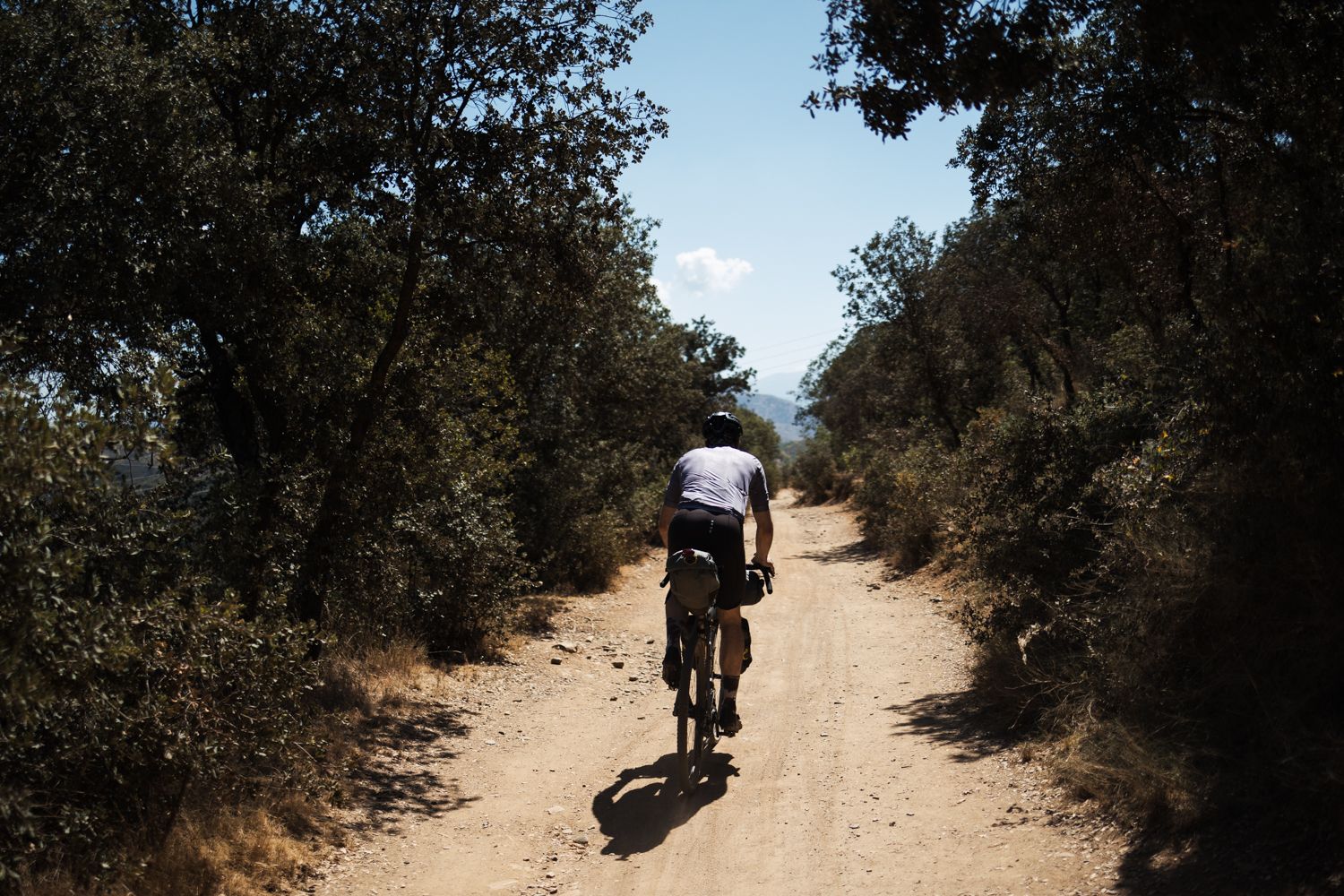
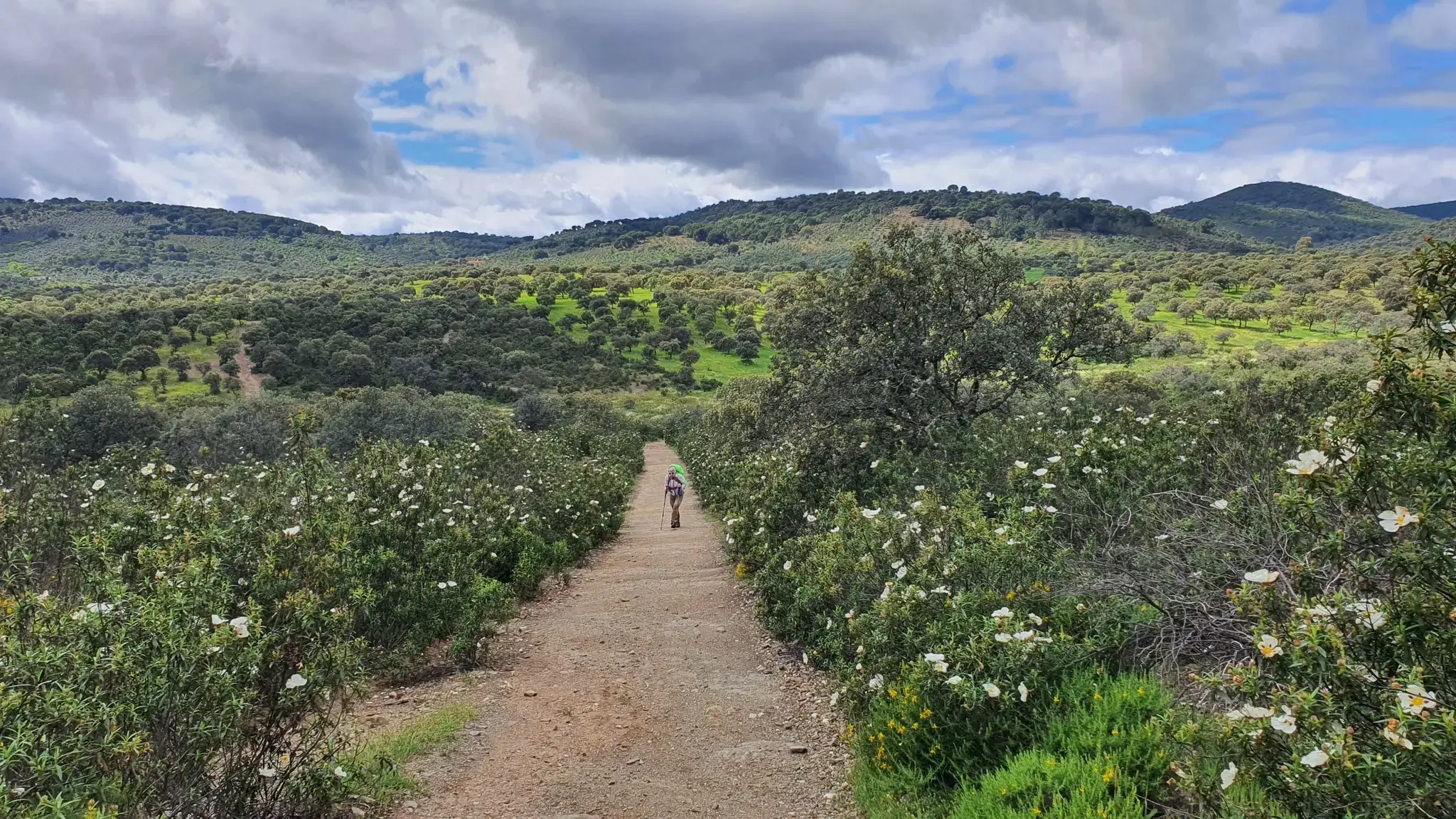
No traffic touring cycling routes around Alcaracejos traverse a landscape characterized by Mediterranean mountains and dehesas in the Valle de los Pedroches. The region features a mix of holm oaks, cork oaks, and diverse undergrowth, providing varied terrain for cycling. Rivers like the Cuzna and Guadalbarbo flow through the area, offering picturesque riverside trails. Mountain passes such as La Chimorra (950 meters) and El Calatraveño (750 meters) present elevation changes for touring cyclists.
Best no traffic touring cycling routes around…
Last updated: June 4, 2026
4.0
(1)
7
riders
30.0km
02:22
240m
240m
Moderate bike ride. Good fitness required. Mostly paved surfaces. Suitable for all skill levels.
61.1km
03:53
520m
520m
Hard bike ride. Very good fitness required. Mostly paved surfaces. Suitable for all skill levels.

Sign up for free
14
riders
58.5km
04:10
960m
960m
Hard bike ride. Very good fitness required. Mostly paved surfaces. Suitable for all skill levels.
5.0
(1)
13
riders
Moderate bike ride. Good fitness required. Mostly paved surfaces. Suitable for all skill levels.
7
riders
51.5km
04:21
480m
480m
Hard bike ride. Very good fitness required. Mostly paved surfaces. Suitable for all skill levels.
Get access to more routes and recommendations from other explorers.
Sign up for free
Already have an account?
Our route recommendations are based on thousands of hikes, rides, and runs completed by other people on komoot.
Start today with a free account
Your next adventure awaits.
Login or Signup




Tips from the Community

La Puerta de la Villa de Santa Eufemia is one of the most notable remains of the municipality's old walled enclosure. This stone arch, of medieval origin, gave access to the interior of the villa and today is integrated into the urban area, preserving its historical and heritage value.
0
0

Dos Torres is one of the most charming villages in Los Pedroches. It stands out for: Its traditional architecture of lime, granite, and wrought iron, very well preserved in the historic center. A tranquil, authentic, and rural atmosphere, ideal for getting away from it all. A historical heritage that combines Roman remains, medieval legacy, churches of great artistic value, and unique natural spaces. Its location amidst spectacular meadows makes it perfect for nature lovers. Overall, it is a small village but surprisingly rich in history, tranquility, and architectural beauty.
1
0
Although the exact date of its construction is unknown, tradition indicates that it was built in the mid-15th century, possibly thanks to a woman from Los Pedroches who promoted the construction of the first hermitage. According to legend, the image of the Virgin was found by a shepherd from Pedroche in a holm oak near the sanctuary at the beginning of the 15th century.
2
0
The Sanctuary of Our Lady of Luna is one of the most emblematic sites in the Los Pedroches Valley, deeply linked to the religious and cultural traditions of Pozoblanco and Villanueva de Córdoba. The sanctuary is located in the Dehesa de la Jara, in the municipality of Navarredonda, a natural holm oak grove characteristic of Los Pedroches. It is situated 15 km from Pozoblanco and 10 km from Villanueva de Córdoba.
2
0
Although the exact date of its construction is unknown, tradition indicates that it was built in the mid-15th century, possibly thanks to a woman from Los Pedroches who promoted the construction of the first hermitage. According to legend, the image of the Virgin was found by a shepherd from Pedroche in a holm oak near the sanctuary at the beginning of the 15th century.
2
0
The Sanctuary of Our Lady of Luna is one of the most emblematic sites in the Los Pedroches Valley, deeply linked to the religious and cultural traditions of Pozoblanco and Villanueva de Córdoba. The sanctuary is located in the Dehesa de la Jara, in the municipality of Navarredonda, a natural holm oak grove characteristic of Los Pedroches. It is situated 15 km from Pozoblanco and 10 km from Villanueva de Córdoba.
2
0

On Doctor Ochoa Street in Pozoblanco, you'll find restaurants and cafes, as well as the Abastos market and accommodations.
0
0

This mountain pass is located on the CO-6410 highway between the towns of Villaharta and Pozoblanco in the heart of the Sierra Morena. The road is in perfect condition and well signposted, with little traffic. It is advisable to stock up on water, since there is no fountain along the way and there is very little shade.
0
0
Frequently Asked Questions
What types of no-traffic touring cycling routes can I find around Alcaracejos?
Alcaracejos, nestled in the Valle de los Pedroches, offers a diverse range of no-traffic touring cycling routes. You'll find paths winding through expansive dehesas and Mediterranean mountains, characterized by holm oaks and cork oaks. The region also features riverside trails along the Cuzna and Guadalbarbo rivers, and sections of historic routes like the Camino Mozárabe de Santiago and GR 48, which are often solitary and hilly. These routes provide a mix of flora, fauna, and varied terrain, from gravel paths to ancient tracks.
Are there any easy, traffic-free touring cycling routes suitable for beginners?
Yes, Alcaracejos offers several easy, traffic-free touring cycling routes perfect for beginners. For example, the Santa Ana Bridge – Stone Cross of Añora loop from Dos Torres is an easy option, covering just under 19 km with minimal elevation gain. These routes allow you to enjoy the scenic landscapes without significant physical demands.
Can I find challenging no-traffic touring cycling routes in the area?
Absolutely. For experienced touring cyclists seeking a challenge, Alcaracejos provides routes with significant elevation changes and longer distances. The Alcaracejos Town Center – Stone Cross of Añora loop from Dos Torres is a difficult route spanning over 117 km with more than 1200 meters of ascent. Another demanding option is the La Guizuela Spring – El Soldado Mines loop from Pozoblanco, which is over 63 km long and features over 400 meters of climbing.
Are there circular no-traffic touring cycling routes available?
Yes, many of the no-traffic touring cycling routes around Alcaracejos are circular, allowing you to start and end at the same point. Examples include the easy Santa Ana Bridge – Stone Cross of Añora loop from Dos Torres and the moderate Santa Ana Bridge – Dos Torres loop from Dos Torres. These loops are convenient for exploring the region without needing return transport.
What kind of natural features and landscapes will I encounter on these routes?
You'll experience the rich natural beauty of the Sierra Morena. Routes often traverse expansive dehesas with holm oaks and cork oaks, and Mediterranean mountains featuring diverse flora like strawberry trees, gorse, thyme, and rosemary. You might also cycle alongside rivers like the Cuzna and Guadalbarbo, and encounter notable mountain passes such as La Chimorra and El Calatraveño, which offer rewarding views.
What historical or cultural landmarks can I see along the no-traffic cycling routes?
The region is rich in history and culture. Along your rides, you might encounter the historic Camino Mozarabe de Santiago, a significant pilgrimage route. Other points of interest include the Malos Pasos Spring, known for its mineral-medicinal waters, and historical sites like the Plaza Mayor De la Villa de Dos Torres or the Casa de las Tiras of Añora.
Is Alcaracejos a dog-friendly destination for touring cyclists?
While the guide focuses on cycling routes, the natural environment of Alcaracejos, with its extensive dehesas and trails, can be enjoyable for dogs. However, specific regulations regarding dogs on Vías Verdes or protected natural areas may apply. It's always advisable to check local signage or official park websites for any restrictions on leash requirements or access before heading out with your dog.
What do other touring cyclists enjoy most about the no-traffic routes in Alcaracejos?
The komoot community highly rates the touring cycling experience in Alcaracejos, with an average score of 4.7 stars. Reviewers often praise the tranquility and natural immersion offered by the traffic-free routes, highlighting the beauty of the dehesas and the varied terrain. The opportunity to combine physical activity with cultural exploration along historic paths like the Camino Mozárabe is also frequently mentioned as a major draw.
Are there any routes suitable for families with children?
For families, the easier, shorter, and flatter no-traffic routes are ideal. The Santa Ana Bridge – Stone Cross of Añora loop from Dos Torres, being an easy route under 20 km, could be a good starting point. Look for routes with minimal elevation gain and well-maintained surfaces to ensure a pleasant experience for all family members.
What is the best time of year to cycle these routes?
The best time to cycle in Alcaracejos is generally during the spring (March to May) and autumn (September to November). During these seasons, temperatures are milder and more comfortable for cycling, and the landscapes are particularly vibrant. Summer can be very hot, making long rides challenging, while winter can bring cooler temperatures and occasional rain.
Are there any public transport options to access the cycling routes?
Alcaracejos is a small town, and while local bus services might connect it to larger towns in the province of Córdoba, direct public transport specifically to the trailheads of all cycling routes may be limited. It's recommended to check local bus schedules for connections to Alcaracejos or nearby towns like Pozoblanco or Dos Torres, from where you can often start your cycling adventures. Parking is generally available in the towns if you're arriving by car.
Most popular routes around Alcaracejos
Most popular attractions around Alcaracejos

Get inspired with the komoot mobile app


Explore more
Browse the best Cycling routes in other regions.
