The best traffic-free bike rides around Pizarral
5.0
(1)
37
riders
7
rides
No traffic touring cycling routes around Pizarral traverse a landscape characterized by traditional Spanish dehesas and holm oak forests, offering picturesque paths. The region is part of the wider Salamanca province, which features diverse terrains including river valleys like the Tormes and Duero, and proximity to natural parks such as Arribes del Duero. Elevations are generally moderate, with some routes featuring significant climbs through undulating terrain. The area is known for its rural charm and traditional architecture, including stone bridges.
…Last updated: November 15, 2026
2
riders
62.6km
03:56
730m
730m
Hard bike ride. Very good fitness required. Mostly paved surfaces.
5.0
(1)
11
riders
Hard bike ride. Very good fitness required. Mostly paved surfaces.

4
riders
55.2km
04:09
620m
620m
Hard bike ride. Very good fitness required. Mostly paved surfaces.
3
riders
Hard bike ride. Very good fitness required. Mostly paved surfaces.
3
riders
38.8km
03:26
660m
660m
Hard bike ride. Very good fitness required. You may need to push your bike for some segments of this route.
Get access to more routes and recommendations from other explorers.
Already have an account?
Our route recommendations are based on thousands of hikes, rides, and runs completed by other people on komoot.
Start today with a free account
Your next adventure awaits.
Popular around Pizarral

Tips from the Community

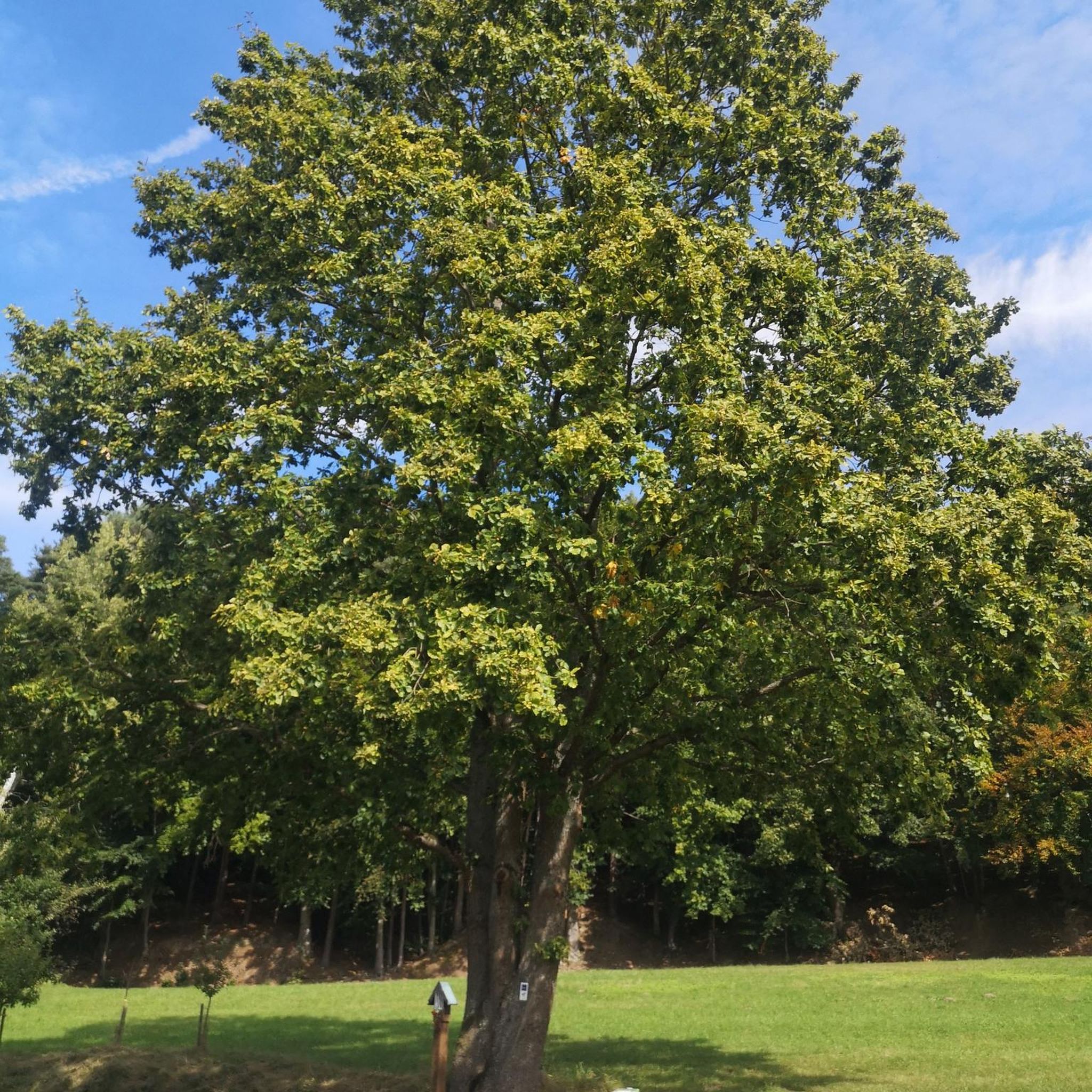
The Tondo path is part of the western Cañada Real Soriana. This section runs through a beautiful oak grove that offers refreshment and some shade in the summer.
0
1

It is one of the highest cathedrals in Spain and is known for its detailed plateresque facade, rich interior, and the famous, intriguing "astronaut" on the north facade. The astronaut or alien shows timelessness or that not everything you see is true.
9
1
Beautiful bridge and view
13
0

This is the tourist and gastronomic area of Guijuelo, considered the birthplace of acorn-fed Iberian ham with Protected Designation of Origin (PDO Guijuelo). More than 150 ham and cured meat producers are concentrated here. The cold, dry climate of the Sierra de Béjar favors a slow, natural curing process, giving the ham a sweeter, more unctuous flavor.
5
0
It is the only granite theme park in Spain, created to pay homage to the quarrying tradition of the municipality. It occupies a former quarry transformed into an artistic and natural space. Monumental sculptures made from granite blocks by the Salamanca artist Amable Diego. Recreations that evoke menhirs, dolmens, and megalithic structures, including the famous "Salamanca Stonehenge." Explanatory panels on the history of quarrying, from Roman roads to modern industry.
7
0
The history of Salamanca's Roman bridge is intertwined with that of the city itself, and it has been one of its defining features for centuries. Located in a position that facilitated human settlement and the development of economic activity, its proximity to the three hills and the Tormes River made it a strategic location. It is a solid bridge, resistant to the passage of time. For centuries it served as the main access point to the city, until a new bridge was completed over the Tormes River in 1913, allowing the passage of vehicles.
11
0

great view back over Salamanca
3
0
The New Cathedral is one of the two cathedrals in the city of Salamanca. The need to build this building arose when the one now known as the Old Cathedral became too small due to the boom in the city, due to university activity, at the beginning of the 16th century. Aid was requested from the Catholic Monarchs for its construction. The work began in 1512, based on a project by Gil de Ontañón, and was completed in 1733, making this cathedral one of the last manifestations of Spanish Gothic. It was planned that the Old Cathedral would remain standing to allow worship until the construction work on the New Cathedral was completed, when it would be demolished. When the work was completed, more than two centuries later, the idea was reconsidered and, fortunately, both buildings were preserved.
15
0
Frequently Asked Questions
How many no-traffic touring cycling routes are available around Pizarral?
There are 7 dedicated no-traffic touring cycling routes around Pizarral listed in this guide. These routes are specifically curated to offer a peaceful cycling experience away from vehicular traffic, focusing on the quiet roads and paths of the Salamanca province.
Are there any easy no-traffic routes suitable for beginners or families?
The routes currently featured in this guide are all rated as difficult, indicating they are better suited for experienced touring cyclists. However, the wider Salamanca province offers an extensive network of over 1500 km of signposted cycling routes, including many easier options and 'Vía Verdes' (converted railway lines) that are ideal for families and beginners seeking car-free paths. These often follow gentle gradients through scenic landscapes.
What kind of landscapes will I encounter on these no-traffic touring cycling routes?
The routes around Pizarral traverse the characteristic landscapes of the Salamanca province. You can expect to cycle through traditional Spanish dehesas with their iconic holm oak forests, open fields, and areas near significant water bodies like the Santa Teresa Reservoir. The region is also known for its gently undulating terrain, offering varied scenery throughout your ride.
Are there circular no-traffic touring routes available?
Yes, several no-traffic touring routes around Pizarral are designed as circular loops. For example, the route Return to the Santa Teresa Reservoir — circular from Guijuelo offers a 62.5 km loop, and the Roman Bridge of Salamanca – Salamanca Cathedral loop from Pedrosillo de los Aires is an 82.7 km circular tour. These allow you to start and end your journey at the same point without needing return transport.
What are some notable attractions or points of interest along these routes?
While Pizarral itself is a quiet village, the touring routes in the surrounding area offer access to interesting sights. You might pass through the Guijuelo Jamón District, famous for its Iberian ham, or cycle near the serene Santa Teresa Reservoir. Other highlights in the broader region include historic towns and the dramatic canyons of the Arribes del Duero Natural Park.
What is the best season for no-traffic touring cycling in Pizarral?
The best seasons for touring cycling in the Salamanca province, including around Pizarral, are typically spring (April to June) and autumn (September to October). During these months, the weather is generally mild and pleasant, with less extreme heat than summer and fewer cold temperatures or heavy rains than winter. This makes for more comfortable riding conditions on the quiet roads.
Where can I park my car to access these no-traffic touring routes?
Many of the routes start from nearby towns or villages that offer parking facilities. For instance, routes like Return to the Santa Teresa Reservoir — circular from Guijuelo begin in Guijuelo, a larger town where parking is generally available. It's advisable to check specific starting points for parking options before your trip.
Can I find food or cafes along the no-traffic touring routes?
While the routes prioritize quiet roads, they often connect or pass near small villages and towns where you can find local cafes, restaurants, or shops to refuel. For example, the route Guijuelo Jamón District – Detour to Guijuelo loop from Antigua Estación de Guijuelo takes you through the renowned Guijuelo area, offering opportunities to experience local gastronomy, particularly its famous Iberian ham.
What does 'no traffic' mean for these touring cycling routes?
For these touring cycling routes, 'no traffic' generally refers to paths that are either dedicated cycle paths (like 'Vía Verdes'), very quiet rural roads with minimal vehicular presence, or routes that intentionally avoid major highways and busy urban areas. The aim is to provide a serene and safe cycling experience where you can enjoy the scenery without constant interaction with cars.
Are there any routes that pass through historic towns or villages?
Yes, the broader cycling network in Salamanca province includes routes that connect historic towns and villages. While the routes listed here focus on the immediate Pizarral area, the region is rich in cultural heritage. For example, the Roman Bridge of Salamanca – Salamanca Cathedral loop from Pedrosillo de los Aires offers a glimpse into the historical significance of the area, leading towards the iconic city of Salamanca.
What is the typical duration for these no-traffic touring cycling routes?
The duration varies depending on the route length and your cycling pace. The routes in this guide range from approximately 37 km to over 82 km. For instance, the Granite Theme Park – Detour to Guijuelo loop from Fuenterroble de Salvatierra is about 44 km, typically taking around 3 hours. The longer routes, like the Roman Bridge of Salamanca – Salamanca Cathedral loop from Pedrosillo de los Aires at 82 km, can take over 6 hours to complete.
Most popular attractions around Pizarral

Get inspired with the komoot mobile app


Explore more
Browse the best Cycling routes in other regions.
