The best traffic-free bike rides around Fustiñana
3.9
(15)
1,087
riders
No traffic road cycling routes around Fustiñana are situated in the Ribera de Navarra region of Spain, near the banks of the Ebro River and bordering Aragón. The area is characterized by a diverse landscape, including riverine paths and agricultural lands. To the south, the region transitions towards the semi-desert terrain of the Bardenas Reales Natural Park, featuring unique geological formations and arid ravines.
Best no traffic road cycling routes around Fustiñana
- The most popular no traffic road cycling route…
Last updated: May 20, 2026
3.0
(1)
86
riders
59.5km
02:36
370m
370m
Moderate road ride. Good fitness required. Some segments of this route may be unpaved and difficult to ride.
96
riders
130km
06:37
1,800m
1,800m
Hard road ride. Very good fitness required. Some segments of this route may be unpaved and difficult to ride.

Sign up for free
5.0
(4)
79
riders
Moderate road ride. Good fitness required. Some segments of this route may be unpaved and difficult to ride.
5.0
(6)
68
riders
102km
05:02
1,360m
1,360m
Hard road ride. Very good fitness required. Some segments of this route may be unpaved and difficult to ride.
27
riders
Easy road ride. Great for any fitness level. Mostly well-paved surfaces and easy to ride.
Our route recommendations are based on thousands of hikes, rides, and runs completed by other people on komoot.
Start today with a free account
Your next adventure awaits.
Login or Signup
Popular around Fustiñana
Tips from the Community

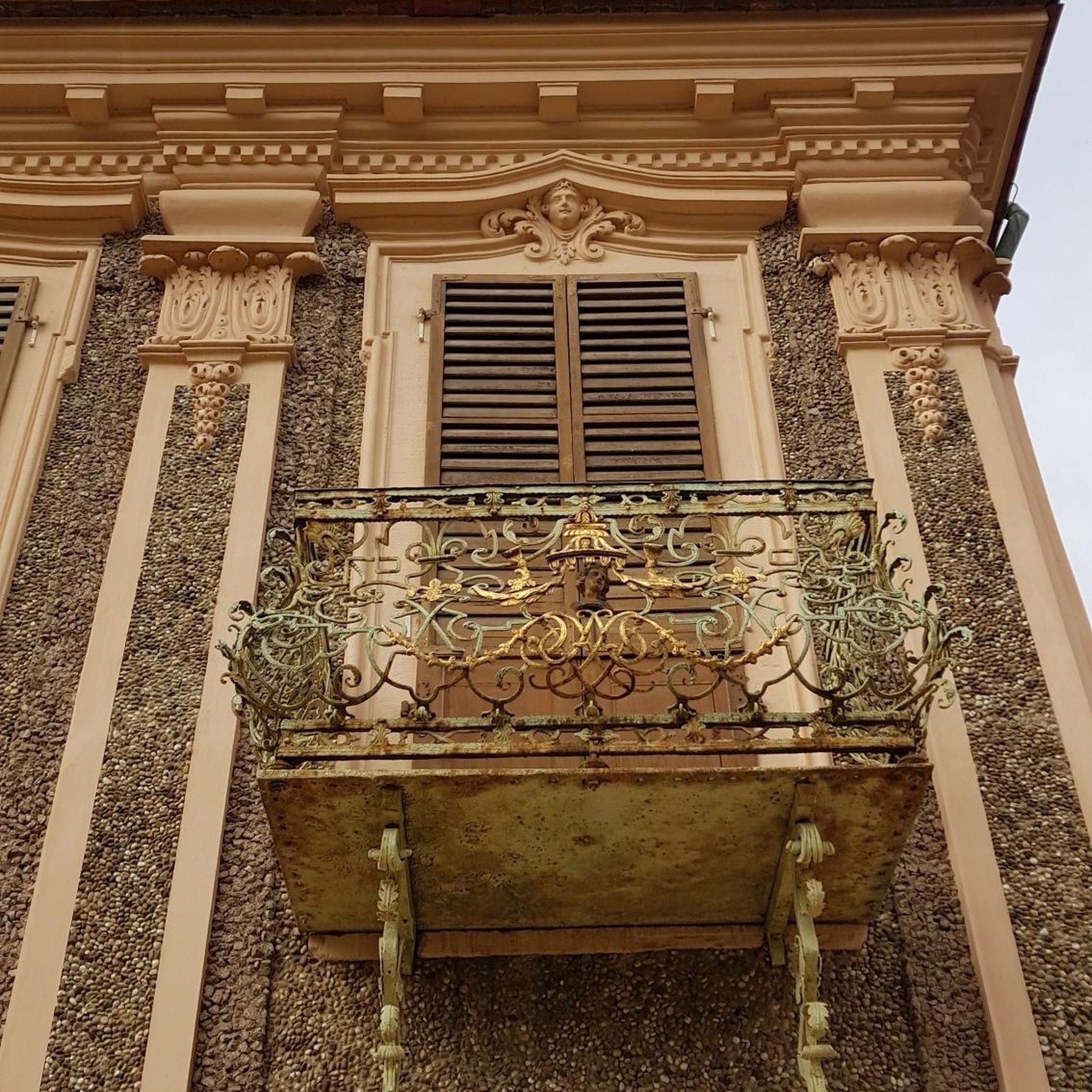
This small town of fewer than 300 inhabitants boasts a mycology center. It is also home to the Church of San Martín de Tours, a neo-Romanesque church with colonial American art.
0
0

Stork's nest on the disused railway line
0
0

The Ebro Bridge in Tudela is an impressive work of medieval architecture. Built of stone, it is 360 meters long and consists of 16 piers and 17 unequal arches. This bridge is fundamental to the history of Tudela, as it has been a strategic crossing over the Ebro River since its construction in the 12th and 13th centuries. Although tradition attributes its construction to King Sancho VII the Strong, some historians suggest it could be a reconstruction of an earlier Muslim bridge. Over the years, it has undergone multiple renovations to withstand floods and the passage of time.
6
0
The Monument to the Heart of Mary in Tudela is an impressive statue dedicated to the Virgin Mary, located on a hill in front of the Monreal Tower, near the Lourdes neighborhood. It was inaugurated on October 7, 1956, after the foundation stone was laid on December 8, 1954. The statue rests on a slender, truncated-cone obelisk, reaching a total height of 21.5 meters.
6
0
The Monreal Tower is a historic defensive tower located in Tudela. Originally built in the 13th century, its current appearance is due to several subsequent reconstructions. The tower has a hexagonal shape and is made of brick, integrating an ancient medieval cistern. Today, the Monreal Tower houses Navarre's first camera obscura, a device that projects real-time images of the tower's surroundings. It also has an interpretation center with explanatory panels about the Jewish, Muslim, and Christian cultures that have coexisted in Tudela.
5
0
Visiting it is doing a deep review of the history of art in Spain, since in its construction there are spaces where all the styles that have existed since the 12th century, the time when construction began, come together. It is a unique example of a Gothic cathedral with an exceptional Mudejar and Renaissance legacy. The Tarazona Cathedral was built in the French Gothic style, but it maintains magnificent examples of the Mudejar style, including a Gothic-Mudejar cloister.
2
0

One of the most recognizable symbols of Tudela. It was built in the 12th century as part of the city's defensive fortifications. One of the highlights of the tower is its clock, which was added in the 17th century.
1
1
An iconic and emblematic bridge of the city. It was built at the end of the 19th century and consists of several arches. It is used by both pedestrians and vehicles.
1
1
Frequently Asked Questions
How many no-traffic road cycling routes are available around Fustiñana?
There are 5 dedicated no-traffic road cycling routes around Fustiñana featured in this guide. These routes offer a variety of distances and difficulties, allowing you to explore the unique landscapes of the Ribera de Navarra region without vehicle interference.
Are there any easy or family-friendly no-traffic road cycling routes near Fustiñana?
Yes, for an easier ride suitable for families or beginners, consider the Bridge and rest area – Plaza de los Fueros de Tudela loop from Tudela de Navarra. This route is classified as easy and covers a distance of approximately 28 km. The Tarazonica Greenway, which features in several routes, is generally well-suited for a relaxed cycling experience.
What kind of landscapes can I expect on these no-traffic road cycling routes?
The routes around Fustiñana offer a diverse range of landscapes. You'll encounter the semi-desert formations of the Bardenas Reales Natural Park, often referred to as the "gateway to the Bardena Negra," as well as scenic paths along the Ebro River and agricultural lands typical of the Ribera de Navarra. The region's unique geology provides a picturesque backdrop for your rides.
Are there any routes that explore the Bardenas Reales Natural Park?
While the Bardenas Reales is a prominent feature of the region, the routes in this guide focus on paved, no-traffic road cycling. The El Buste Viewpoint – Bar de Moncayo loop from Tudela de Navarra offers expansive views that hint at the park's dramatic landscapes. For a more direct experience within the Bardenas, you might explore specific gravel riding highlights like Gravel riding in the Bardenas Reales, though these might not be strictly no-traffic road cycling.
What are some notable viewpoints or attractions along these routes?
Many routes offer scenic vistas. For example, the El Buste Viewpoint – Bar de Moncayo loop from Tudela de Navarra passes by the El Buste Viewpoint. You can also find natural highlights like the Balcón de Pilatos Viewpoint and the Peña del Fraile nearby. The routes originating from Tudela de Navarra also bring you close to cultural attractions such as the Cathedral of Santa María de Tudela and the Plaza de los Fueros de Tudela.
Are there any loop routes for no-traffic road cycling?
Yes, all the no-traffic road cycling routes featured in this guide are loops, allowing you to start and finish at the same point. Examples include the Tarazonica Greenway – Tarazona loop from Tudela de Navarra and the Tarazonica Greenway – Bridge over the Ebro River loop from Tudela de Navarra.
What is the Tarazonica Greenway and how does it relate to these routes?
The Tarazonica Greenway is a former railway line converted into a greenway, providing a car-free path ideal for cycling. Several routes in this guide incorporate sections of the Tarazonica Greenway, offering smooth, traffic-free riding. For instance, the Tarazonica Greenway – Bar de Moncayo loop from Tudela de Navarra extensively uses this path.
What is the best time of year for no-traffic road cycling in Fustiñana?
The Ribera de Navarra region, including Fustiñana, generally offers pleasant cycling conditions for much of the year. Spring and autumn are often ideal, with milder temperatures and beautiful scenery. Summers can be hot, especially in the semi-desert areas, so early morning or late afternoon rides are recommended during those months. Winters are generally mild but can be damp.
Where can I find parking for these road cycling routes?
Many of the routes listed start from Tudela de Navarra, a larger town with various parking options. While specific parking details for each route are not provided here, you can typically find public parking facilities within Tudela, especially near the starting points of the greenways or urban centers. Fustiñana itself also has parking available in its town center.
What do other road cyclists enjoy most about cycling in this region?
The komoot community rates the cycling experience around Fustiñana highly, with an average score of 3.9 stars. Reviewers often praise the unique, dramatic landscapes of the Bardenas Reales, the tranquility of the car-free greenways like the Tarazonica, and the well-maintained roads that make for enjoyable, uninterrupted rides.
Are there any longer or more challenging no-traffic road cycling routes?
For a more challenging experience, consider routes like the El Buste Viewpoint – Bar de Moncayo loop from Tudela de Navarra, which is classified as difficult and covers over 140 km with significant elevation gain. Another difficult option is the Tarazonica Greenway – Bar de Moncayo loop from Tudela de Navarra, spanning over 100 km.
Most popular attractions around Fustiñana

Get inspired with the komoot mobile app


Explore more
Browse the best Road cycling routes in other regions.
