The best traffic-free bike rides around Moià
5.0
(3)
339
riders
25
rides
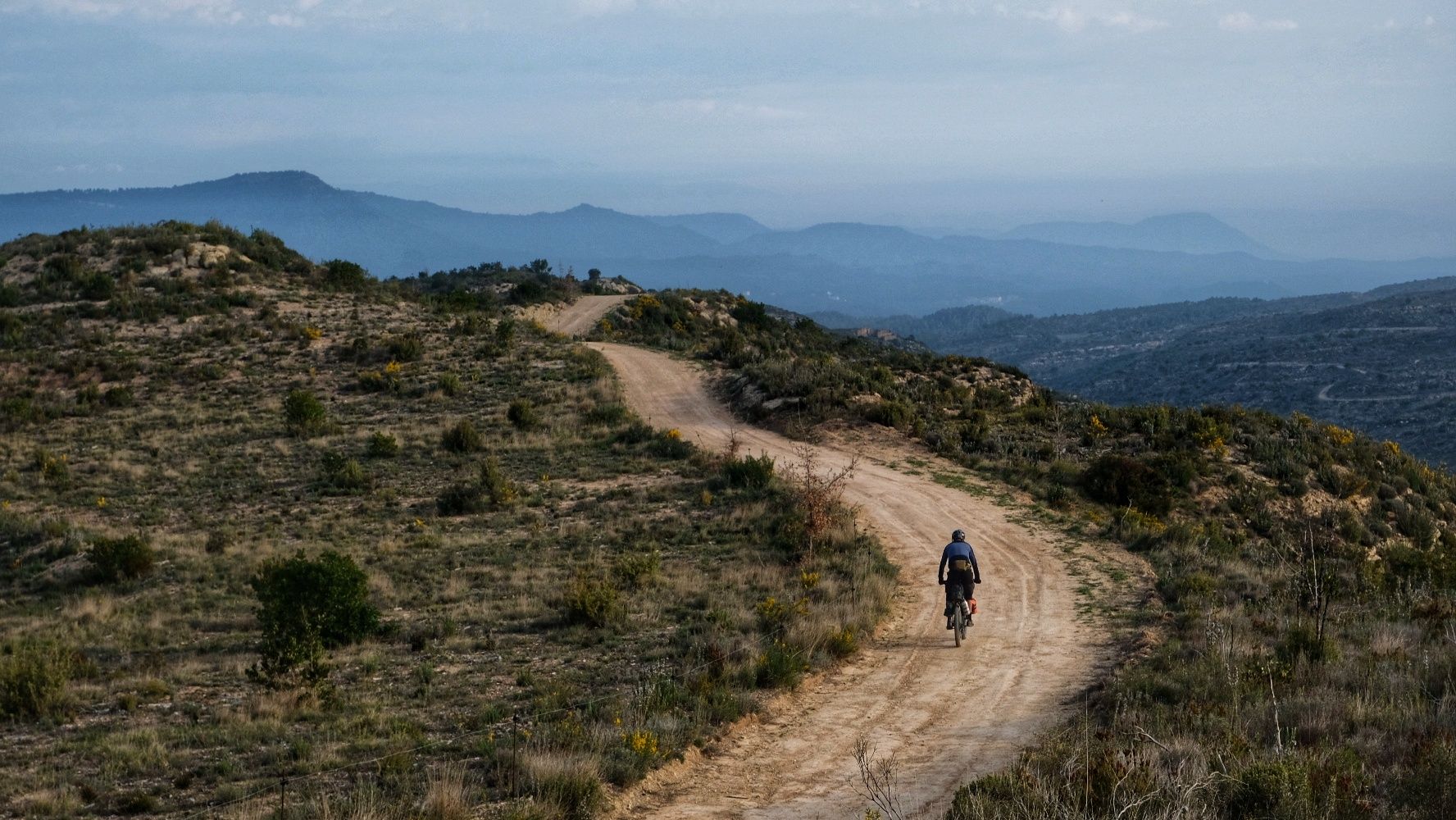
No traffic touring cycling routes around Moià traverse a diverse landscape, situated at an elevation of over 700 meters in the heart of Catalonia. The region is characterized by its plateaus, valleys, and gentle hills, interspersed with extensive beech and oak forests. Streams and ravines crisscross the terrain, which transitions between inland plains and pre-Pyrenean reliefs, offering varied scenery for cyclists.
Best no traffic touring cycling routes around Moià
- The most popular no traffic touring cycling route is Sant Cugat…
Last updated: October 5, 2026
2
riders
43.3km
04:00
900m
900m
Hard bike ride. Very good fitness required. Mostly paved surfaces. Suitable for all skill levels.
5.0
(1)
18
riders
31.0km
02:50
660m
660m
Hard bike ride. Very good fitness required. Mostly paved surfaces. Suitable for all skill levels.

17
riders
59.0km
05:18
1,170m
1,170m
Hard bike ride. Very good fitness required. Mostly paved surfaces. Suitable for all skill levels.
14
riders
25.4km
02:21
490m
500m
Hard bike ride. Very good fitness required. Mostly paved surfaces. Suitable for all skill levels.
19
riders
31.1km
03:09
750m
750m
Hard bike ride. Very good fitness required. Mostly paved surfaces. Suitable for all skill levels.
Get access to more routes and recommendations from other explorers.
Already have an account?
Our route recommendations are based on thousands of hikes, rides, and runs completed by other people on komoot.
Start today with a free account
Your next adventure awaits.

Other adventures around Moià

Tips from the Community

The monastery of Santa Maria de l’Estany is one of the great ensembles of Catalan Romanesque architecture. The church, consecrated in 1133, stands out for its sobriety and for the elegant cimborio that crowns the transept. But the great treasure is in the cloister: its 72 capitals depict religious and profane scenes, among which the Last Supper and the triumphal entry of Jesus into Jerusalem stand out.
0
0

Collsuspina is a small village with fewer than 400 inhabitants. It belongs to the Moyanés region. Its name comes from the fact that it was established on the Espina pass, along the old royal road from Manresa to Vic. The pass was named after the important L'Espina farmhouse that once stood there.
0
0
In Moià is the Rafael Casanova Birthplace Museum. The jurist and Doctor of Law Rafael Casanova was born here in 1660. In addition to his biography, the museum also houses the municipal archives and the Moià Museum, which features archaeological collections, primarily from the Toll caves.
0
0

Quiet and cozy place
0
0

Can Xarina is a good restaurant
1
0

The monastery of Santa María, listed as a historical-artistic monument in 1931, is located in the historic center of L'Estany and can be visited by booking through the website: https://entradas.codetickets.com/entradas/entrada-individual -al-monestir-de-santa-maria-de-l-estany/20011/cases-oliba/online. Above all, the cloister stands out, whose gallery of arches crowned by capitals is one of the best preserved from the Catalan Romanesque period.
2
0

L'Estany is a town in the Moianès region, although it formerly belonged to Bages. The town is located on a plain where there used to be a lake, which gave its name to the town (estany means lake in Catalan). In the 16th century it was decided to dry it to prevent the spread of diseases due to stagnant water. The town stands out for its beautiful cobbled streets with a medieval feel, its traditional houses and its beautiful Romanesque monastery.
1
1
The pass of Sant Pere or de la Crossa is located at an altitude of 930 metres, near the town of l'Estany. Here are the vestiges of the church of Sant Pere del Coll de la Crossa.
1
1
Frequently Asked Questions
How many no-traffic touring cycling routes are available around Moià?
There are over 20 dedicated no-traffic touring cycling routes around Moià, offering a wide range of experiences for cyclists. These routes are carefully selected to ensure a peaceful ride away from vehicular traffic.
What is the best time of year for touring cycling in Moià?
Moià, situated at over 700 meters elevation, offers pleasant cycling conditions for much of the year. Spring and autumn are generally ideal, with mild temperatures and vibrant landscapes. Summers can be warm but are often mitigated by the elevation, while winters are cooler but still offer opportunities for crisp, clear rides. Always check local weather forecasts before heading out.
Are there any easy no-traffic touring cycling routes suitable for beginners or families in Moià?
While many routes in Moià are rated as difficult due to elevation changes, there is at least one easy route available. For a more relaxed experience, look for routes that stick to the flatter southern parts of the region, which are framed by the Moretona and Riqueus mountain ranges. These often feature mosaic fields and forests, providing a gentle introduction to the area's beauty.
What kind of terrain can I expect on the no-traffic touring cycling routes in Moià?
The Moianès region offers diverse terrain. You'll encounter plateaus, valleys, and gentle hills, with routes often traversing extensive beech and oak forests, as well as mosaic fields. While some routes are paved, many incorporate gravel sections, especially those following long-distance hiking trails like the GR-177. The northern part is more mountainous, while the south offers flatter sections.
Are there any circular no-traffic touring cycling routes in Moià?
Yes, many of the no-traffic touring cycling routes in Moià are circular, allowing you to start and end your journey in the same location. An example is the challenging route, Sant Cugat de Gavadons - circular gravel through Moianès, which offers a substantial gravel experience.
What natural features or landmarks can I see along the no-traffic touring cycling routes?
The routes in Moià pass by numerous natural and historical attractions. You might encounter the scenic Sant Miquel del Fai Road, known for its minimal car traffic and views of towering cliffs. Other highlights include the Gorg de la Sort and Baga Cerdana Waterfall, or historical sites like the Toll Caves and the Moianès Ecomuseum with its Ice Wells.
Are there any routes that offer significant elevation gain for a challenging ride?
Absolutely. Moià is situated in a region with varied topography, and many routes feature significant elevation changes. For instance, the Ermita de Sant Sebastià – Rural Road to Sant Sebastià loop from Moià involves over 1100 meters of ascent, providing a demanding yet rewarding experience for advanced touring cyclists.
What do other touring cyclists say about the no-traffic routes in Moià?
The komoot community highly rates the touring cycling experience in Moià, with an average score of 5.0 stars. Reviewers often praise the quiet, traffic-free nature of the routes, the diverse landscapes ranging from forests to open fields, and the challenging yet rewarding climbs that offer stunning views of the Catalan countryside.
Are there options for longer touring cycling routes in Moià?
Yes, Moià offers several longer routes for those seeking extended touring adventures. The Ermita de Sant Sebastià – Rural Road to Sant Sebastià loop from Moià, for example, covers nearly 60 kilometers, providing a substantial ride through the region's beautiful landscapes.
Where can I find parking for my bike when starting a route in Moià?
Moià, as the capital of the Moianès region, offers various parking options within the town center or near popular trailheads. While specific parking areas for cyclists are not detailed, general public parking is available, and it's advisable to check local signage upon arrival for the most convenient spots to begin your no-traffic touring cycling adventure.
Can I reach Moià by public transport with my bike?
Moià is accessible by public transport, primarily bus services from larger cities in Catalonia. Policies regarding bikes on public transport can vary, so it's recommended to check with the specific bus operator beforehand to confirm if bikes are allowed, especially during peak times or for larger touring bikes.
Most popular attractions around Moià

Get inspired with the komoot mobile app


Explore more
Browse the best Cycling routes in other regions.
