The best traffic-free bike rides around Shillingstone
4.8
(13)
196
riders
22
rides
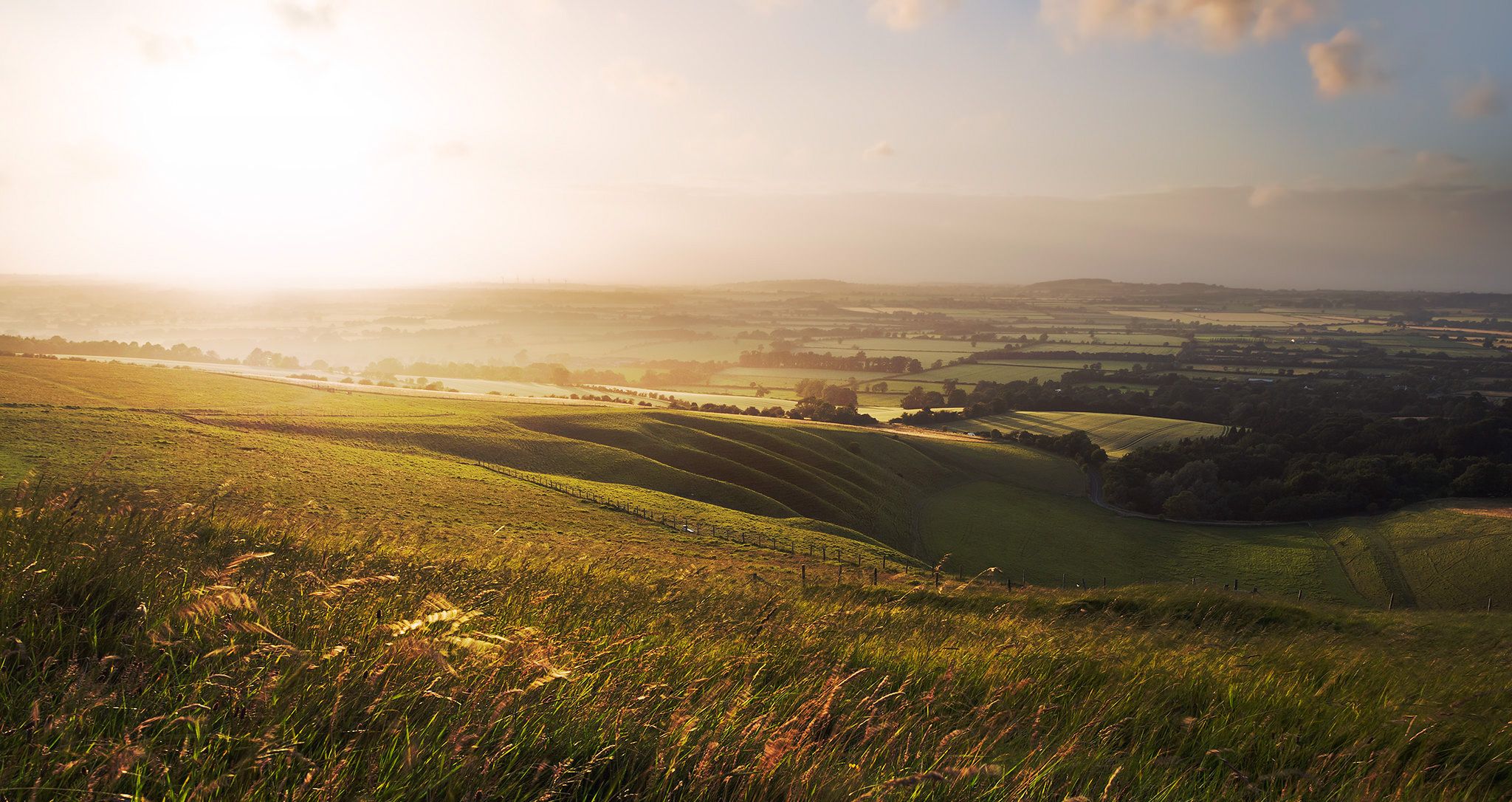
No traffic gravel bike trails around Shillingstone traverse the diverse landscapes of the Blackmore Vale in North Dorset. The area features rolling hills, the meandering River Stour, and historical Iron Age hill forts such as Hambledon Hill and Hod Hill. A key feature for gravel biking is the North Dorset Trailway, a multi-use path providing traffic-free sections through the countryside. This network offers a variety of terrain, from flat riverside paths to routes with significant elevation changes.
Best no traffic…
Last updated: May 20, 2026
5.0
(1)
7
riders
Moderate gravel ride. Good fitness required. Mostly paved surfaces. Suitable for all skill levels.
3
riders
17.3km
01:20
250m
250m
Moderate gravel ride. Good fitness required. Mostly paved surfaces. Suitable for all skill levels.

Sign up for free
4.0
(1)
3
riders
41.6km
03:08
660m
660m
Hard gravel ride. Very good fitness required. Mostly paved surfaces. Suitable for all skill levels.
2
riders
Moderate gravel ride. Good fitness required. Mostly paved surfaces. Suitable for all skill levels.
Get access to more routes and recommendations from other explorers.
Sign up for free
Already have an account?
Our route recommendations are based on thousands of hikes, rides, and runs completed by other people on komoot.
Start today with a free account
Your next adventure awaits.
Login or Signup
Other adventures around Shillingstone

Tips from the Community

All aboard for a massive hit of nostalgia! Shillingstone Station is like a beautifully preserved 1950s time capsule tucked away in the Dorset countryside. Once a vital stop on the legendary Somerset & Dorset Joint Railway (the "Slow and Dirty"), it’s now being lovingly restored by a team of dedicated volunteers. You can wander the original platforms, explore vintage signal boxes, and even have tea in a converted railway carriage. It’s the perfect spot to pretend you're an extra in Brief Encounter while the North Dorset Trailway hikers buzz past. No trains to Bath today, but the atmosphere is pure gold!
0
0
Historic Significance: It is a Grade I Listed Building (the highest level of protection), noted for its special architectural and historic interest. Age: The first record of the bridge dates back to 1334, suggesting its medieval origins, with parts of the current structure likely dating to the 15th century. Construction: It is built of coursed rubble and ashlar stone and features nine semi-circular arches. Widening: The bridge was widened in 1819. The upstream side is the original, medieval part and features triangular cut-waters which extend up to form pedestrian refuges. The downstream side is the later, plainer widening. Inscriptions: There is a reset stone on the east side of the bridge inscribed with the year 1719. Name Origin: The bridge is named Crawford Bridge because it carries the road from Spetisbury to Tarrant Crawford. The nearby area of Spetisbury was historically one of three manors, including Great Crawford.
0
0

Durweston Mill is a Grade II listed building, that has been converted into a holiday accommodation with two apartments, Coopers and Riverside, overlooking the River Stour. It also features a separate 5-acre private island with glamping and camping facilities, which are open for bookings and offer activities like fishing, wild swimming, and dog walking.
0
0

Single lane beware of on coming vehicles
0
0


Using the power of moving water to drive a mill wheel is an ancient invention of the human spirit of discovery, the origins of which can be traced back to times long past. Thanks to such a construction, a watercourse - natural or artificial - could simply replace human or animal muscle power with the power of the natural elements, for example to grind grain into corn or to press oil from fruit. There are essentially two different ways of driving watermills: * Either the flowing water simply hits the blades of the water wheel from below to set it in motion; or * the water is guided - usually through a so-called "mill channel" - above the wheel and falls onto the blades; this type of construction is more efficient due to natural gravity.
0
0
Frequently Asked Questions
How many no-traffic gravel bike trails are available around Shillingstone?
There are over 20 dedicated no-traffic gravel bike trails around Shillingstone. These routes range in difficulty, with the majority being moderate, offering diverse experiences for different skill levels.
What makes Shillingstone a good location for no-traffic gravel biking?
Shillingstone is ideal for no-traffic gravel biking due to its diverse landscapes and well-developed trail networks. The area features the North Dorset Trailway, a 14-mile multi-use path that provides a mostly flat and traffic-free route, connecting to numerous rural roads for extended rides through the picturesque Dorset countryside.
Are there any easy, traffic-free gravel routes suitable for beginners or families?
Yes, while many routes are moderate, the North Dorset Trailway itself offers sections that are mostly flat and traffic-free, making it excellent for beginners or families. It provides a gentle introduction to gravel biking in the area.
What kind of terrain can I expect on Shillingstone's gravel bike trails?
You can expect a varied terrain, from the relatively flat and well-maintained surfaces of the North Dorset Trailway to more challenging routes that incorporate rolling hills and ascents. Trails often feature gravel paths, bridleways, and quiet country lanes, offering a mix of surfaces suitable for gravel bikes.
What are some notable landmarks or viewpoints I can see along these routes?
Many routes offer stunning views and pass by significant landmarks. You might encounter the ancient Hambledon Hill Iron Age hill fort, the historic Hod Hill, or the charming Shillingstone Railway Station & Museum. These spots offer great opportunities for a break and to appreciate the region's history and natural beauty.
Are there any circular no-traffic gravel bike trails in the area?
Yes, several routes are designed as circular loops. For example, the moderate North Dorset Trailway – Hodway Lane Trail Intersection loop from Shillingstone offers a 24.5 km circular ride, allowing you to start and finish in the same location without retracing your steps.
Where can I find parking for gravel biking near Shillingstone?
Parking is often available near access points to the North Dorset Trailway, including in Shillingstone village itself. The Shillingstone Railway Station & Museum is a popular starting point and often has parking facilities, providing convenient access to the trails.
What do other gravel bikers enjoy most about the trails in Shillingstone?
The area is highly rated by the komoot community, with an average score of 4.75 stars. Reviewers often praise the peaceful, traffic-free nature of the trails, the beautiful views of the Blackmore Vale, and the historical points of interest like the hill forts and the restored railway station.
Can I access these trails using public transport?
While Shillingstone is a rural area, local bus services connect it to larger towns like Blandford Forum and Sturminster Newton, which may offer connections to wider public transport networks. Check local bus timetables for routes that pass through or near Shillingstone to access the trailheads.
Are there any challenging no-traffic gravel routes for experienced riders?
Absolutely. For experienced riders seeking a challenge, the View from Bulbarrow Hill – North Dorset Trailway loop from Shillingstone is a difficult 41.6 km route with significant elevation gain, offering rewarding climbs and expansive views across the region.
Are there any cafes or pubs along the no-traffic gravel bike routes?
Yes, Shillingstone and nearby villages offer options for refreshments. The Shillingstone Railway Station & Museum has a cafe, and you'll find traditional pubs in Shillingstone and other villages along or near the North Dorset Trailway, perfect for a mid-ride break or a post-ride meal.
What is the best time of year to go gravel biking in Shillingstone?
Spring and autumn generally offer the most pleasant conditions for gravel biking in Shillingstone, with milder temperatures and beautiful scenery. Summer can be great too, but be prepared for potentially warmer weather. While winter riding is possible, some trails might be muddier, especially after heavy rain.
Most popular routes around Shillingstone
Most popular attractions around Shillingstone

Get inspired with the komoot mobile app


Explore more
Browse the best Gravel rides in other regions.
