Attractions and Places To See around Wdzydzki Park Krajobrazowy - Top 20
Best attractions and places to see around Wdzydzki Park Krajobrazowy, located in southern Kashubia, Poland, is a protected area known for its natural beauty and cultural heritage. The park is centered around the vast Wdzydze Lake complex, often referred to as the "Kashubian Sea," and features extensive pine forests, peat bogs, and over 160 smaller lakes. It offers a blend of pristine nature, historical insights, and recreational opportunities, including an open-air museum preserving Kashubian traditions.
Best attractions and places to see around Wdzydzki Park Krajobrazowy
- The most popular attractions is Forest Path in Wdzydzki Landscape Park, a forest trail that leads through pine forests, peat bogs, and over water. This path offers panoramic views of islands and bays, making it an ideal place for cycling and longer hikes.
- Another must-see spot is Kashubian Ethnographic Park, a historical site and open-air museum. It features over 30 traditional buildings from the Kashubia, Kociewie, and Tuchola Forest regions, allowing visitors to experience daily life from past centuries.
- Visitors also love Decorative Cross at Loryniec Intersection, a man-made monument located in the Wdzydzki Landscape Park. This site is situated on tourist trails, including the green tourist trail of Stone Kręgi and the red Kashubian tourist trail.
- Wdzydzki Park Krajobrazowy is known for its diverse natural features like the Wdzydze Lake complex and extensive forests, alongside cultural sites such as traditional Kashubian villages and historical architecture. The area offers a variety of attractions to see and explore, from nature reserves to viewpoints.
- The attractions around Wdzydzki Park Krajobrazowy are appreciated by the komoot community, with 48 upvotes and 53 photos shared by visitors.
Last updated: May 25, 2026
Kashubian Ethnographic Park
Highlight • Historical Site
A truly interesting place, such living, fascinating history. You can peek into each building and see what it was like.
Don't forget to buy tickets! muzeum-wdzydze.gda.pl
Translated by Google •
Tip by

Church of the Assumption of the Blessed Virgin Mary (Wdzydze Kiszewskie)
Highlight • Religious Site
Parish of the Assumption of the Blessed Virgin Mary in Wąglikowice - a Roman Catholic parish, located in the Pelplin diocese, in the deanery of Kościerzyna
Translated by Google •
Tip by

Sign up now to discover places like this
Get recommendations on the best single tracks, peaks, & plenty of other exciting outdoor places.
Sign up for free
Zajazd u Sołtysa
Highlight • Restaurant
Translated by Google •
Tip by
Decorative Cross at Loryniec Intersection
Highlight • Monument
Translated by Google •
Tip by
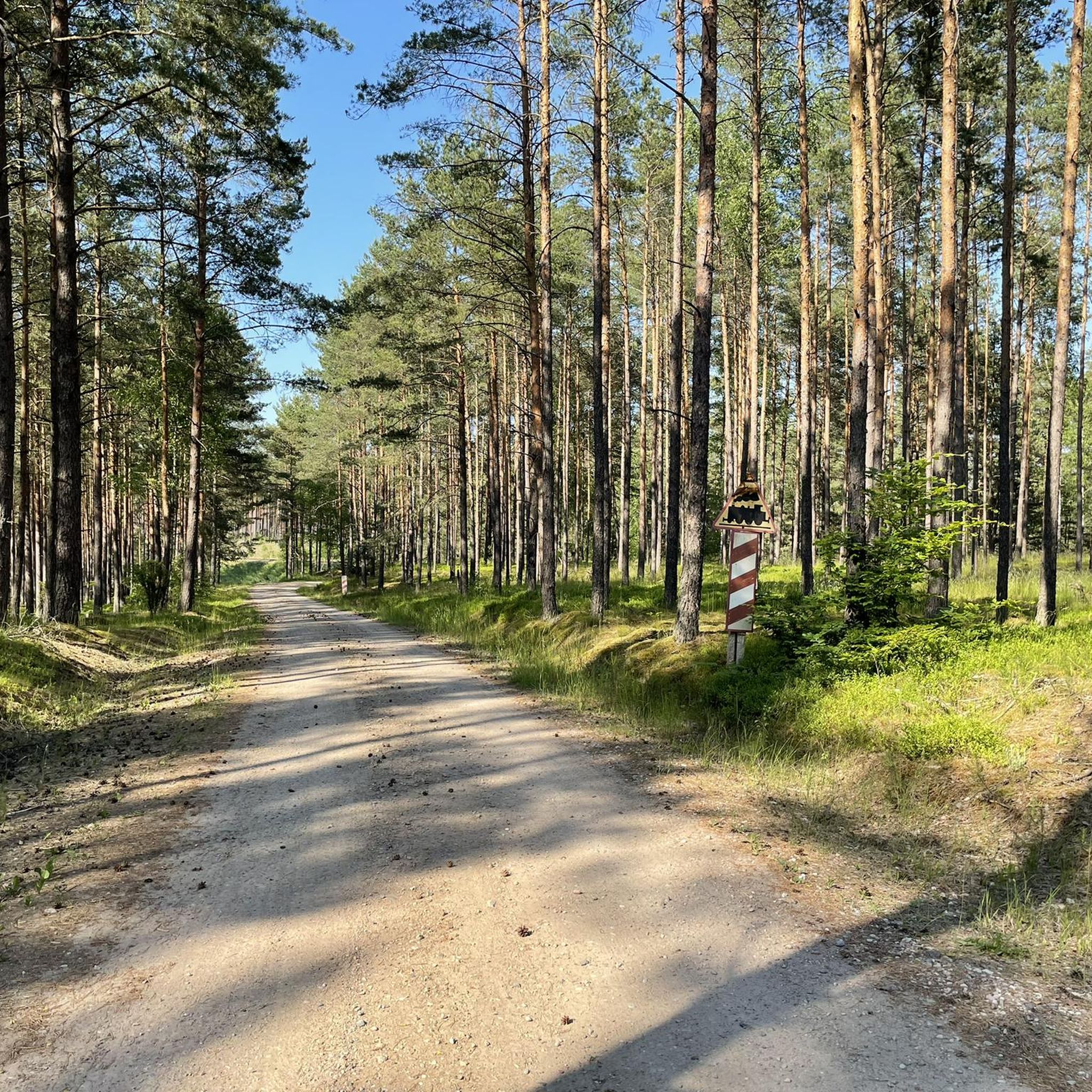
Forest Path in Wdzydzki Landscape Park
Highlight (Segment) • Forest
Wdzydze Landscape Park is the heart of Kashubia, known primarily for the vast Lake Wdzydze, known as the "Kashubian Sea." Surrounding it are pine forests, peat bogs, and smaller lakes, creating an incredibly picturesque landscape. It's an ideal place for cycling – paths lead through forests and over water, and numerous viewpoints offer panoramic views of islands and bays. The park protects rare ecosystems, and encountering a crane or white-tailed eagle is not uncommon. This region combines natural beauty with tranquility, making it ideal for both longer hikes and short, recreational rides.
Translated by Google •
Tip by

Sign up for free to discover even more attractions around Wdzydzki Park Krajobrazowy.
Sign up for free
Already have an account?
Start today with a free account
Your next adventure awaits.
Login or Signup
Popular around Wdzydzki Park Krajobrazowy
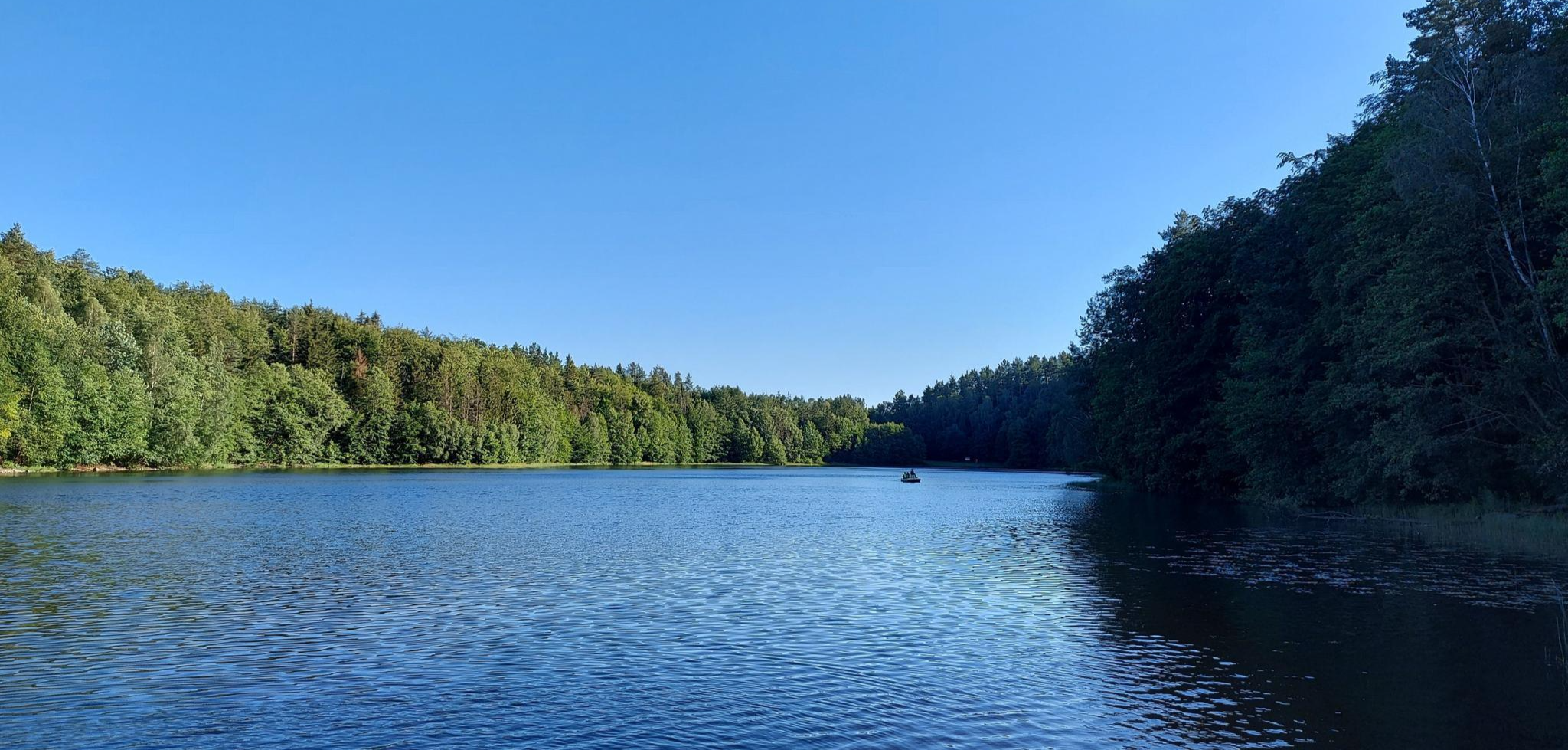
Kashubian Trail - captivating landscapes and beautiful lakes
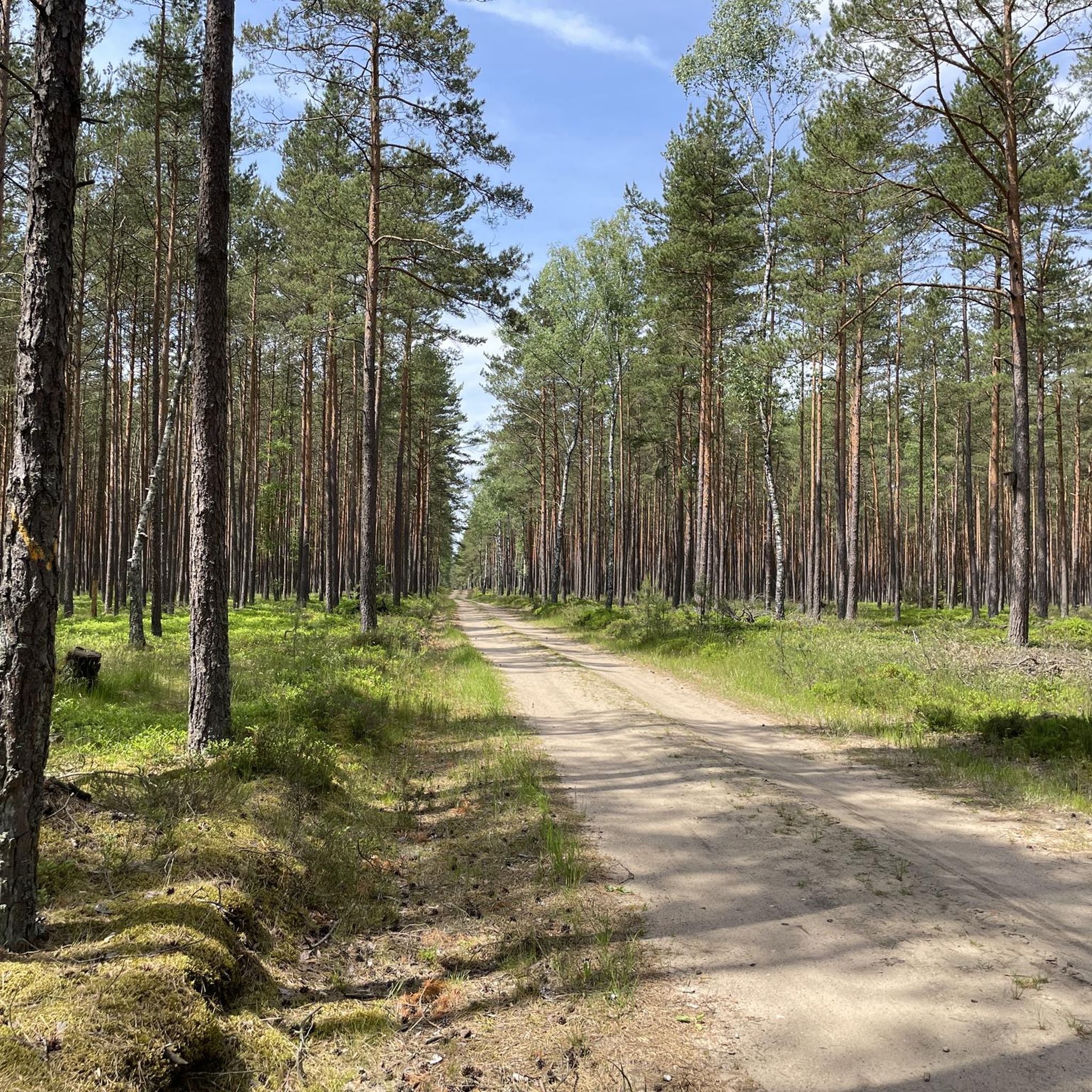
Hiking around Wdzydzki Park Krajobrazowy
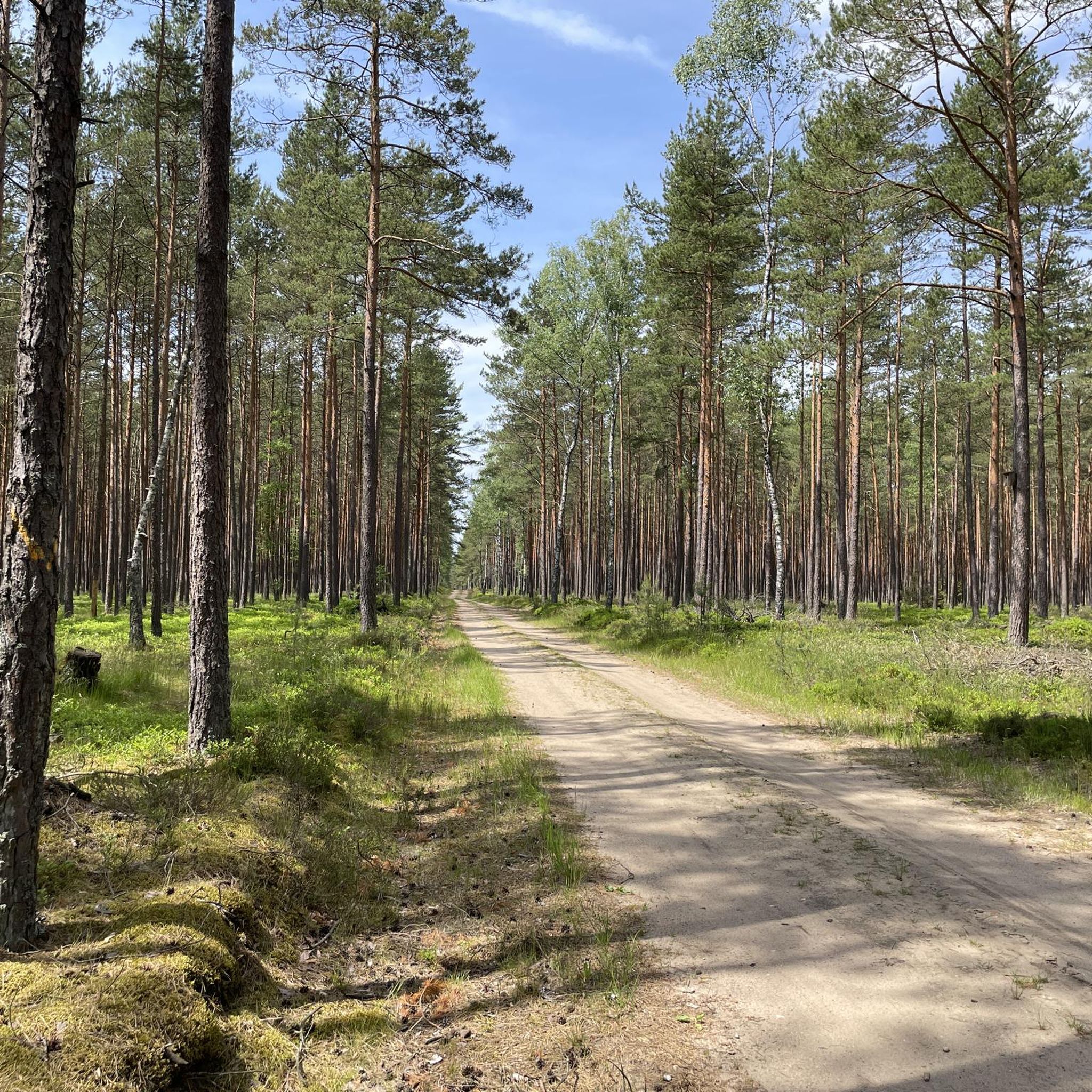
Cycling around Wdzydzki Park Krajobrazowy
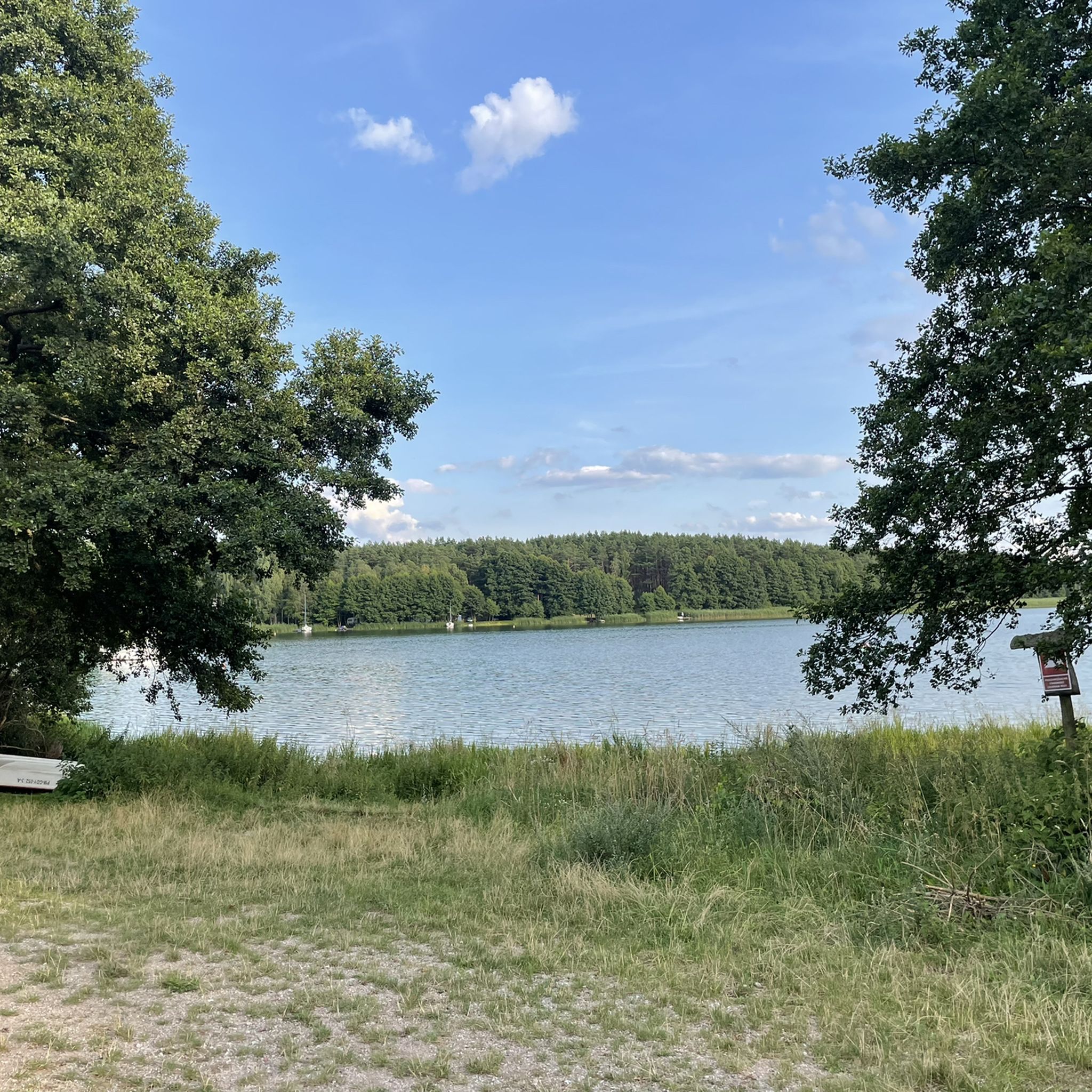
MTB Trails around Wdzydzki Park Krajobrazowy
Road Cycling Routes around Wdzydzki Park Krajobrazowy
Running Trails around Wdzydzki Park Krajobrazowy
Gravel biking around Wdzydzki Park Krajobrazowy
Other adventures around Wdzydzki Park Krajobrazowy

Tips from the Community

Average forest road, bumpy and sometimes sandy, nothing really special here.
0
0

A wonderful place. Here you can admire ancient buildings from Kashubia, Kociewie, and the Tuchola Forest. There are wooden cottages, windmills, an inn, churches, and entire old farmsteads. Travel back in time to see what people did when there was no internet! A truly interesting place, such living, fascinating history. You can peek into each building and see what it was like. Don't forget to buy tickets! http://www.muzeum-wdzydze.gda.pl/
1
0

A beautiful forest path in Wdzydze Landscape Park. Wdzydze Landscape Park is the heart of Kashubia, known primarily for the vast Lake Wdzydze, known as the "Kashubian Sea." Surrounding it are pine forests, peat bogs, and smaller lakes, creating an incredibly picturesque landscape. It's an ideal place for cycling – paths lead through forests and over water, and numerous viewpoints offer panoramic views of islands and bays. The park protects rare ecosystems, and encountering a crane or white-tailed eagle is not uncommon. This region combines natural beauty with tranquility, making it ideal for both longer hikes and short, recreational rides.
2
0

Once a year, the open-air museum hosts the Wdzydzki Fair, which lasts two days and is worth seeing
1
1

The Museum – Teodora and Izydor Gulgowski Kashubian Ethnographic Park in Wdzydze Kiszewskie is located on the picturesque shores of Lake Gołuń. There are over 50 buildings characteristic of the rural landscape of Kashubia, Kociewie and Tuchola Forest from the 17th to the 20th century. Visitors can admire the wealth of old wooden architecture of Pomerania with its equipment: cottages, manors, a school, windmills, churches, inns, farm buildings and craft workshops. The farmsteads present: methods of grinding snuff and grinding grain, washing, mangling, tailoring, weaving, the work of a blacksmith, wheelwright and forest worker. The museum offers various workshops and shows, both for individual visitors and for groups. For the youngest visitors, an interactive exhibition has been prepared “Museum for fun?” - where children can experience the past and plan a museum of the future. This is an exhibition where you are allowed to touch the exhibits: check what it is like to sleep under a duvet, look inside a cast iron waffle iron and rummage through a kitchen cupboard. It tells about various museums that exist in the world; explains why we need museum collections in the first place; shows what kind of exhibits can be collected, for example, in open-air museums. It asks children and adults the question: "What matters to people?" In this way, the exhibition makes visitors aware that research never ends, and that history and tradition are constantly being created. https://wdzydzkipark.pl/o-parku-4/dziedzictwo-kulturowe-6/muzea/kaszubski-park-etnograficzny/
3
1

All roads lead to the Woodshed for Potato Babka!
0
1
Branch Church of St. Barbara in Wdzydze Kiszewskie Built around 1700 in the village of Swornegacie. In 1740, a tower was added. Originally dedicated to St. John the Baptist and St. Bartholomew. Expanded in 1740, 1744 and 1812. At the beginning of the 20th century, it was in a deplorable state. In 1916, the first Holy Mass was celebrated in the new church, and the old one was to be demolished. However, the residents saved the monument, which was renovated in 1947. In 1980, the Chełmno Curia transferred the then inactive temple to the open-air museum in Wdzydze. The church was moved to the open-air museum in the years 1980-1987.
2
0
The parish of the Assumption of the Blessed Virgin Mary in Wąglikowice is one of the oldest in the Kościerzyna district. However, the town of Wąglikowice itself is mentioned in sources around 1400. It is worth mentioning that in the 17th century, a small church was built in this Kashubian town, which was a branch of the Holy Trinity parish in Kościerzyna. The building was built of wooden elements. In 1727, the temple burned down. This dramatic event was very strongly embedded in the consciousness of the residents of this town, and all thanks to the miraculous saving from the flames of the painting of Our Lady of Wąglikowice, which is still in the church in Leśno. However, the people living in Wąglikowice were too poor to rebuild the church and build a new temple. More for those interested https://parafia-waglikowice.blogspot.com/p/historia.html
2
0
Frequently Asked Questions
What natural features can I explore in Wdzydzki Park Krajobrazowy?
The park is centered around the vast Wdzydze Lake complex, often called the "Kashubian Sea," which comprises four interconnected lakes: Radolne, Gołuń, Jelenie, and Wdzydze. You'll also find over 160 smaller lakes like Jezioro Lipno and Jezioro Schodno, extensive pine forests, and peat bogs. The Wda and Trzebiocha rivers offer popular canoeing routes. Several nature reserves, such as "Dolina Wdy i Trzebiocha," protect unique plant species and bird habitats. A great way to experience this is via the Forest Path in Wdzydzki Landscape Park.
Are there any cultural or historical sites to visit in the park?
Yes, the park is rich in cultural heritage. The most prominent is the Kashubian Ethnographic Park in Wdzydze Kiszewskie, an open-air museum showcasing over 30 traditional buildings. You can also find traditional Kashubian villages like Juszki, Wiele, and Bąk, which maintain historical architecture. Other sites include Kalwaria Wielewska in Wiele, old mills, taverns, and traces of Neolithic settlements in areas like Szwedzki Ostrów.
What kind of outdoor activities can I do in Wdzydzki Park Krajobrazowy?
The park offers a wide range of outdoor activities. You can enjoy hiking and cycling on an extensive network of trails, totaling 185.5 km. Water sports like sailing, canoeing (especially on the Wda and Trzebiocha rivers), and fishing are popular on the Wdzydze Lake complex. The forests are ideal for mushroom, herb, and berry picking. For specific routes, you can explore options for hiking, cycling, or running in the area.
Are there family-friendly attractions in Wdzydzki Park Krajobrazowy?
Absolutely. The Kashubian Ethnographic Park is a fantastic educational experience for all ages, allowing families to step back in time. Many hiking and cycling trails are suitable for families, and the numerous lakes provide opportunities for swimming, boating, and picnicking. Some accommodations, like Zajazd u Sołtysa, even offer mini-zoos and other amenities for children.
Where can I find the best views of the Wdzydze Lake complex?
For panoramic views of the unique cross-shaped Wdzydze Lake complex, visit the Observation Tower in Wdzydze Kiszewskie. Additionally, several viewpoints have been developed around Jezioro Lipno, Jezioro Wdzydze, and Jezioro Schodno, offering stunning vistas of the water and surrounding landscape.
What are the options for hiking in Wdzydzki Park Krajobrazowy?
The park features an extensive network of hiking paths. Popular routes include the "Wokół jeziora Schodno" (Around Schodno Lake) trail, the "Szlakiem Pięciu Jezior" (Following Five Lakes) trail, and the "We Wdzydzach" trail, which passes by lakes Jelenie and Niedźwiadek. You can find more detailed routes and options in the hiking guide for the area.
Can I go cycling in Wdzydzki Park Krajobrazowy?
Yes, cycling is a popular activity with numerous paths leading through forests and over water, offering scenic views. The park boasts 185.5 km of trails suitable for cycling. Routes like the "Przytarnia Observation Tower loop" or the "Wdzydze Tucholskie – Observation tower in Wdzydze loop" are available. Explore more options in the cycling guide.
What is the "Kashubian Sea" and where can I experience it?
The "Kashubian Sea" is the affectionate nickname for the vast Wdzydze Lake complex, which is the heart of Wdzydzki Park Krajobrazowy. It's a unique system of four interconnected lakes—Radolne, Gołuń, Jelenie, and Wdzydze—forming a distinctive cross shape. You can experience its grandeur from the Observation Tower in Wdzydze Kiszewskie or by exploring its shores and islands via boat or hiking trails.
What traditional crafts or local heritage can I discover?
The region is known for its vibrant traditional crafts, particularly colorful Kashubian embroidery and pine root plaiting, which have been practiced for over a century in places like Wdzydze Kiszewskie. The Kashubian Ethnographic Park is an excellent place to learn about and witness these traditions, as well as the daily life of Kashubians from past centuries.
Are there any unique natural phenomena or wildlife to observe?
The park protects rare ecosystems, and its diverse habitats support a variety of wildlife. The Wdzydze Lake complex is a haven for rare and protected bird species, and it's not uncommon to encounter a crane or even a white-tailed eagle. The lake is also home to the endemic Wdzydze lake trout. The nature reserves within the park safeguard collections of protected plants like marsh tea, orchids, and water lobelia.
What is the best time of year to visit Wdzydzki Park Krajobrazowy?
Wdzydzki Park Krajobrazowy is beautiful year-round, but the best time depends on your preferred activities. Spring and summer are ideal for water sports, hiking, and cycling, with lush greenery and pleasant temperatures. Autumn offers stunning fall foliage and is perfect for mushroom picking. While less common, winter activities like cross-country skiing or ice skating on frozen lakes can also be enjoyed, offering a serene experience.
Are there specific nature reserves worth visiting?
Yes, several nature reserves within the park protect its rich biodiversity. Notable ones include "Dolina Wdy i Trzebiocha," "Motowęże," and "Krwawe Doły." These reserves are crucial for safeguarding unique plant collections, such as marsh tea, orchids, and water lobelia, and provide vital habitats for various bird species. They offer excellent opportunities for nature observation and quiet walks.
What do visitors enjoy the most about Wdzydzki Park Krajobrazowy?
Visitors particularly appreciate the park's blend of pristine nature and rich cultural heritage. The vast Wdzydze Lake complex, often called the "Kashubian Sea," is a major draw for its beauty and water sports. The Kashubian Ethnographic Park is highly praised for its immersive historical experience. The extensive network of hiking and cycling trails, like the Forest Path in Wdzydzki Landscape Park, also receives high acclaim for offering picturesque landscapes and opportunities for active recreation.
Most popular routes around Wdzydzki Park Krajobrazowy
Most popular attractions around Wdzydzki Park Krajobrazowy

Get inspired with the komoot mobile app


Explore more
Still not found the Highlight you’re looking for? See guides of the top attractions in other regions:
