Attractions and Places To See around Lednicki Park Krajobrazowy - Top 20
Best attractions and places to see around Lednicki Park Krajobrazowy, a protected area in west-central Poland, offers a blend of historical, cultural, and natural attractions. Centered around Lake Lednica, the region is considered a significant site in the history of the Polish state. The landscape features undulating morainal uplands, glacial gullies, and a network of lakes. Visitors can explore numerous archaeological sites, historical landmarks, and diverse natural habitats.
Best attractions and places to see around Lednicki Park Krajobrazowy
- The most…
Last updated: May 10, 2026
Zakrzewo Palace
Highlight • Castle
Translated by Google •
Tip by

Wielkopolski Ethnographic Park in Dziekanowice
Highlight • Historical Site
Translated by Google •
Tip by

Sign up now to discover places like this
Get recommendations on the best single tracks, peaks, & plenty of other exciting outdoor places.
Sign up for free
Lake Lednica
Highlight • Lake
Translated by Google •
Tip by

Gate of the Third Millennium (Fish Gate), Lednica Fields
Highlight • Monument
Translated by Google •
Tip by

Koźlak Windmill in Lednicki Landscape Park
Highlight • Monument
Translated by Google •
Tip by

Sign up for free to discover even more attractions around Lednicki Park Krajobrazowy.
Sign up for free
Already have an account?
Start today with a free account
Your next adventure awaits.
Login or Signup
Popular around Lednicki Park Krajobrazowy

Tips from the Community

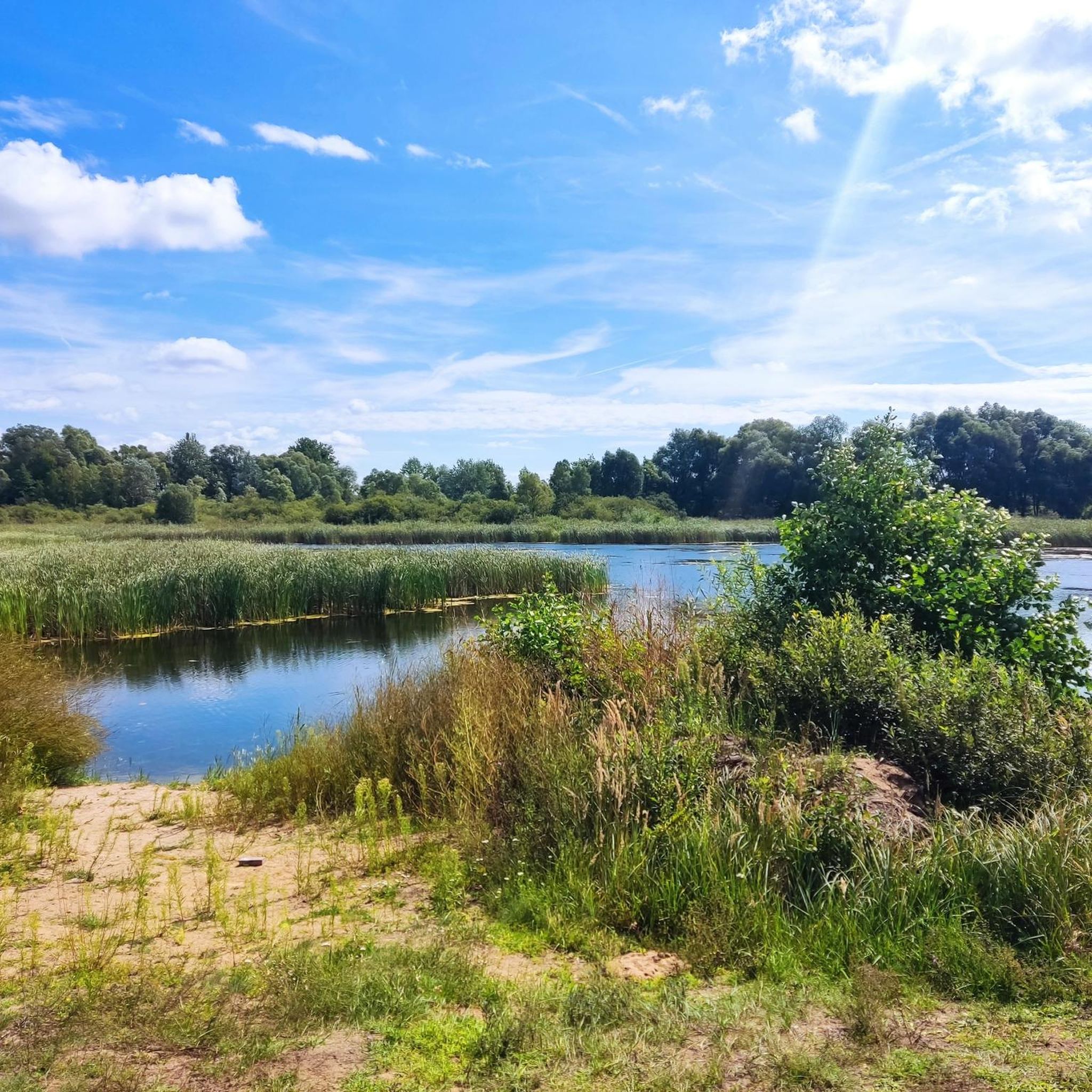
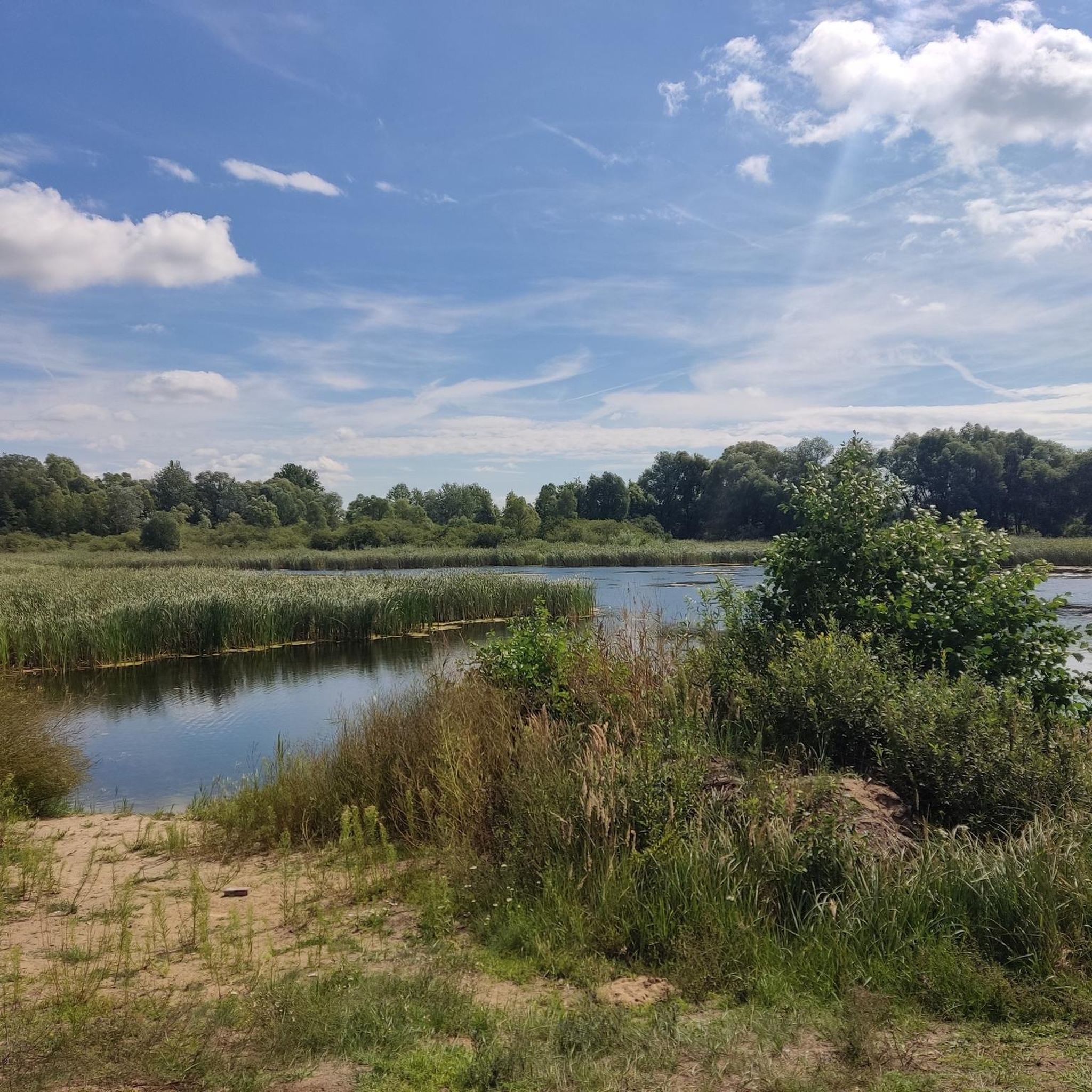
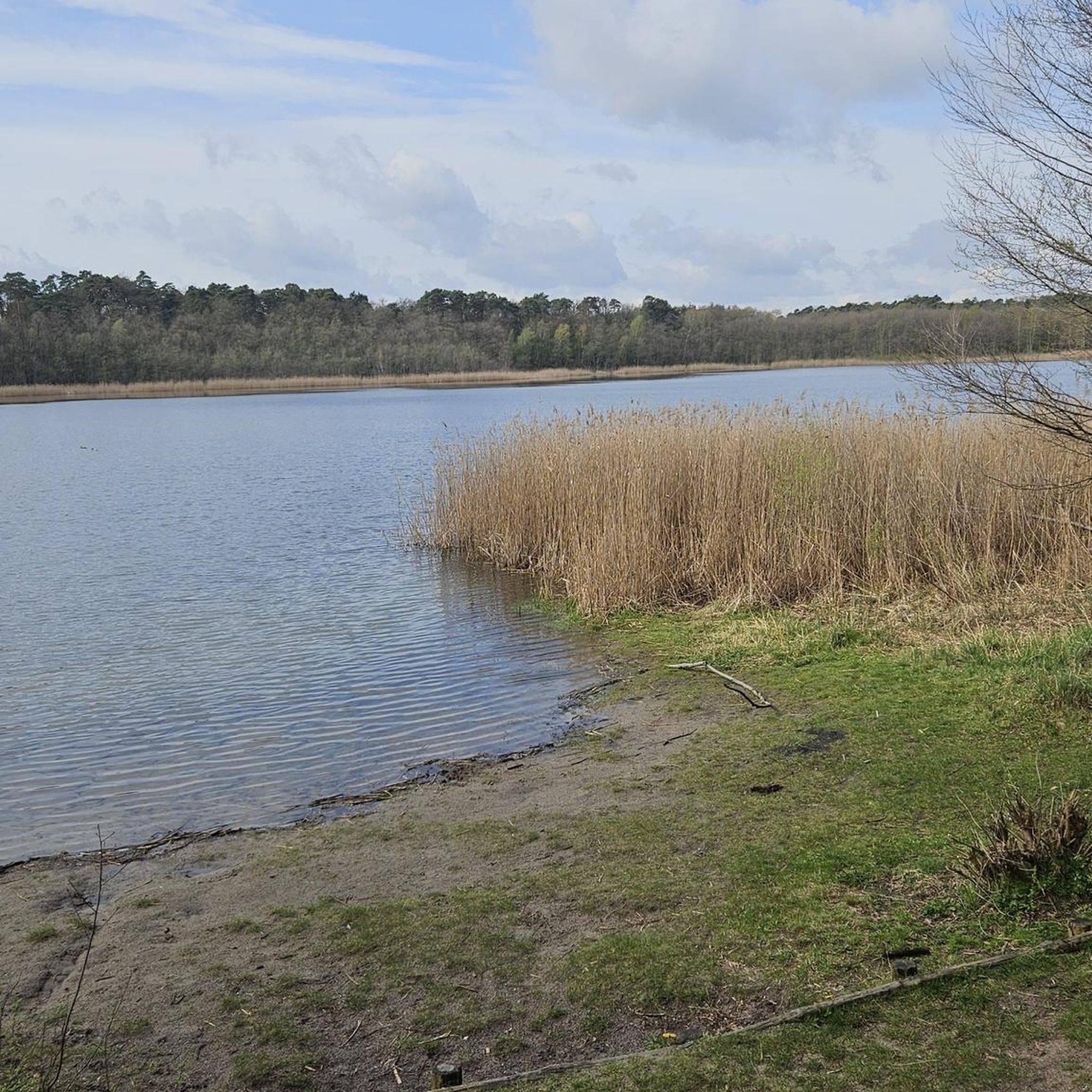
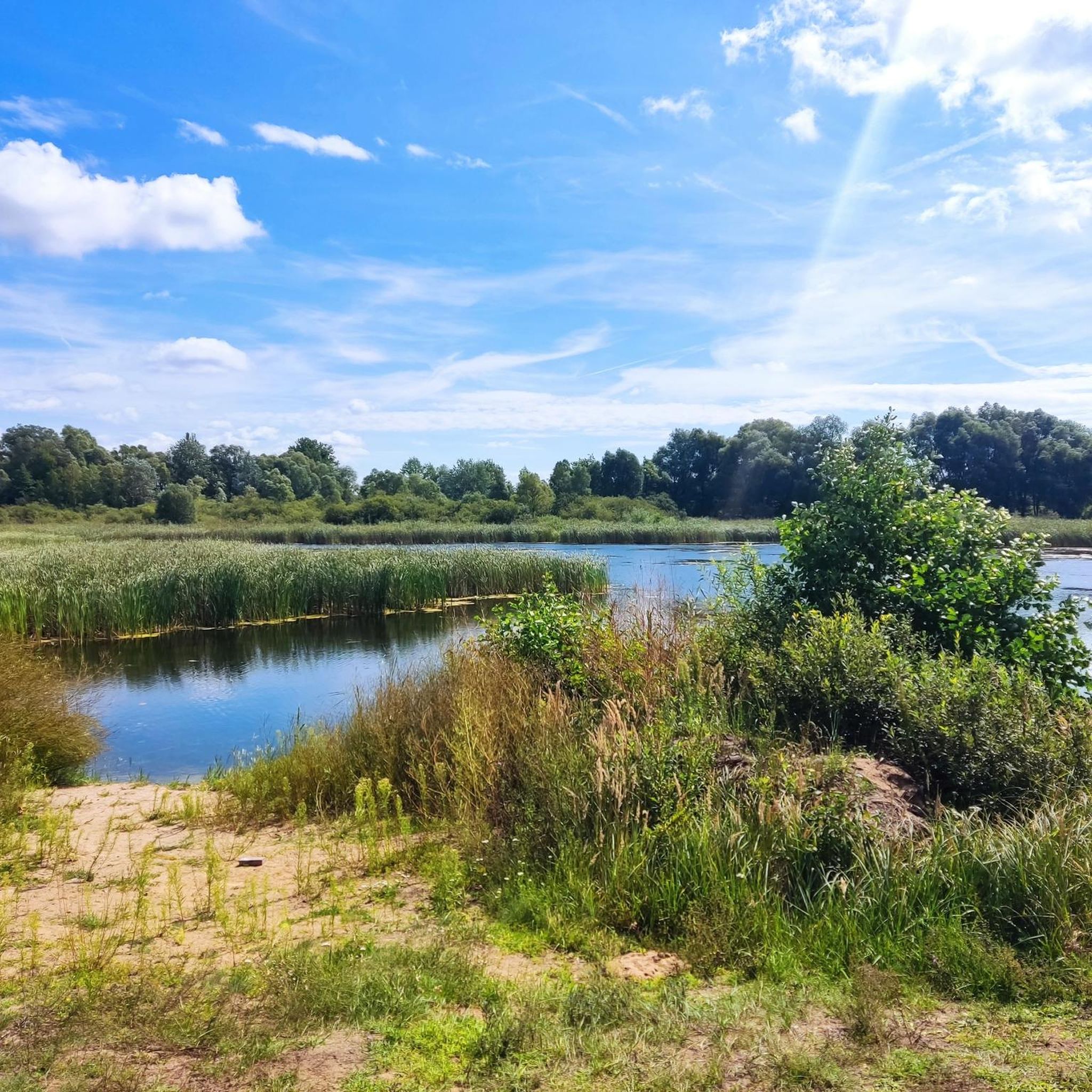
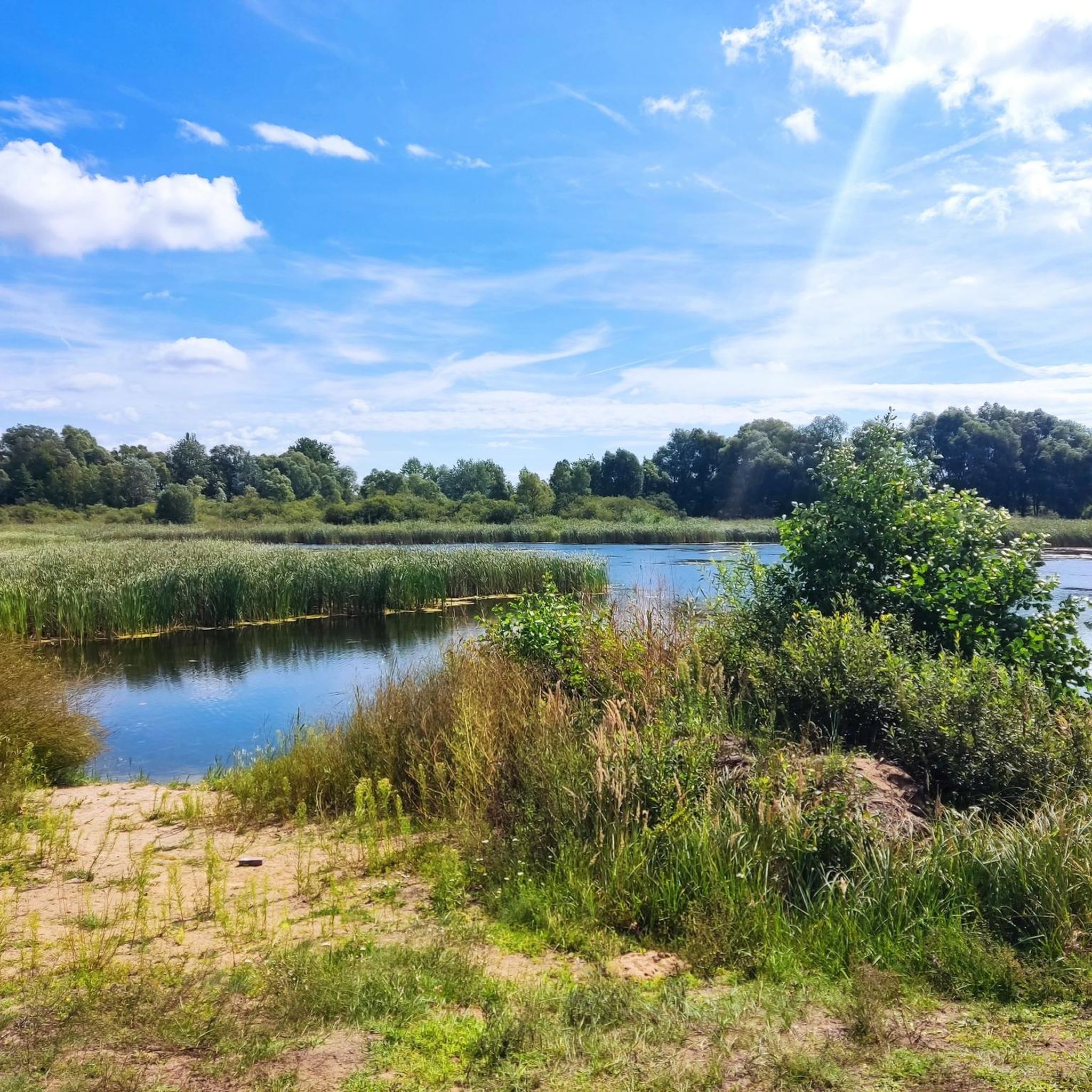
Lake Lednickie is a picturesque spot on the map of the Lednica Landscape Park, perfect for a bike break. From here you can admire Ostrów Lednicki, the place of the baptism of Poland, to which ferries run in the summer. The area offers peaceful bike trails with views of the lake and the surrounding nature. It is worth planning a longer moment to relax by the water.
2
0

The gate was built in 1997 on the initiative of a Poznań Dominican, the late Father Jan Góra, creator of the National Youth Meetings "Lednica 2000", whose tombstone is located in the Lednica Fields.
0
0
The palace was built in the years 1870 (or 1871)-1872. Count Albin Belina Węsierski (owner of Zakrzewo) together with the builder from Gniezno Ludwik Ballenstaedt went to an exhibition in Paris and after returning, they built the current palace on the site of the old manor. During the occupation, the Germans threw the owners, the Chełmicki family, out of the palace. In 1945, the building was plundered and then adapted to serve the summer camps of children from the Cegielski Plants. In 1978, it was taken over by the PGR Rybno Wielkie. In 1990, the ruined building was taken over by the Wielkopolski Bank Kredytowy. In June 1991, a training center was opened here. In 1992, the gold medal of the Minister of Culture and Art was awarded for the careful renovation of the monument. Currently, since 2021, the palace has been in private hands. /Wikipedia/
0
0

In this place there is also a replica of the cross that stands in the Tatra Mountains on Giewont.
0
0

A huge open-air museum with a lot of exhibits showing the life of rural people from the 17th and 18th centuries. The oldest exhibits date back to 1602.
2
0

Possibility to eat a hot meal in the bar in the open-air museum.
0
0
Lednicki Landscape Park - Lednicki Landscape Park is covered with a dense network of tourist trails - both hiking and cycling. On the one hand, these are routes that allow for great contact with nature, such as the red trail, and on the other hand, cultural trails, such as the Piast Trail (an important stop is Ostrów Lednicki), a fragment of the Wielkopolska Way of St. James (pilgrimage trail) or the Wooden Churches Trail (connecting historic wooden sacral buildings).
0
0
The museum collects objects related to the life and activities of the inhabitants of the villages of Wielkopolska. The permanent exhibition includes architectural objects: houses, livestock buildings, barns arranged in homesteads and founded in the shape of a life-sized village. Mostly there are wooden objects, but also with frame construction walls, in which wood and clay were combined, and with clay or bog iron masonry walls. Individual buildings and homesteads are equipped with equipment, tools and clothing that illustrate the conditions and way of life of families living on farming, but also of craftsmen.
2
0
Frequently Asked Questions
What historical sites can I explore in Lednicki Park Krajobrazowy?
The park is rich in history, often called the cradle of the Polish state. A key site is Ostrów Lednicki, an island on Lake Lednica, believed to be where Mieszko I was baptized. Here you can explore ruins of his 10th-century palace and chapel, along with early medieval strongholds. Another significant historical attraction is the Wielkopolski Ethnographic Park in Dziekanowice, an open-air museum showcasing 18th and 19th-century rural life. The park also features over 350 archaeological sites, including four strongholds.
Are there any family-friendly attractions in Lednicki Park Krajobrazowy?
Yes, several attractions are suitable for families. The Wielkopolski Ethnographic Park in Dziekanowice offers an engaging look at historical rural life. Lake Lednica itself is a great spot for families, with beaches for swimming and peaceful bike trails. The Gate of the Third Millennium (Fish Gate) is also a notable landmark that families can visit.
What natural features should I look out for in Lednicki Park Krajobrazowy?
The park's central feature is Lake Lednica, a beautiful post-glacial lake with five islands. You can also find several smaller lakes in the northern part of the park, such as Bachorce and Głębokie. For scenic views, visit the Waliszewskie Hill Viewpoint. The park is also home to nearly 50 monumental trees, primarily oaks and lindens, and protects rare flora like marsh orchids and over 160 bird species, including significant wintering geese populations on Lake Lednica.
What kind of outdoor activities can I do near the attractions?
Lednicki Park Krajobrazowy offers a dense network of hiking and cycling trails. You can explore a 7-km nature trail around the northern shore of Lake Lednica, or sections of the Camino de Santiago, the Piastowski Trail, and the Trail of Wooden Churches. For cycling, there are various routes for road cycling, gravel biking, and mountain biking. You can find more details on specific routes in our guides for Road Cycling, Gravel Biking, and MTB Trails around the park.
Are there any viewpoints in the area?
Yes, the Waliszewskie Hill Viewpoint offers scenic vistas of the surrounding landscape. Additionally, Lake Lednica itself provides picturesque views, especially towards Ostrów Lednicki. The Gate of the Third Millennium (Fish Gate) also serves as a viewpoint within the Lednica Fields.
What is the significance of Ostrów Lednicki?
Ostrów Lednicki is an island on Lake Lednica and is considered one of Poland's most important historical sites. It is believed to be the location where Mieszko I, the first historical ruler of Poland, was baptized. Visitors can see the archaeological remains of his 10th-century palace and chapel, as well as early medieval strongholds. The island is part of the Museum of the First Piasts, displaying artifacts from that era.
Can I visit Zakrzewo Palace?
The Zakrzewo Palace, built between 1870 and 1872, is currently privately owned. While it is a notable historical building, it is not accessible for public sightseeing.
Are there any educational paths in the park?
Yes, there are several educational paths. A 7-kilometer educational path with 20 stops runs from Waliszewo through Dziećmiarki and Kamionek, focusing on the diverse plant life. Another educational path, 'Plants by Lednica,' is located on Ostrów Lednicki, offering insights into the local flora.
What is the Gate of the Third Millennium?
The Gate of the Third Millennium (Fish Gate), located near Imiołki, is a famous fish-shaped gate. It serves as a significant religious symbol and is the central element of large annual youth gatherings known as Lednica 2000 National Youth Meetings. Its form refers to the Greek word 'ichthys' (fish), a symbol of Christ.
What do visitors enjoy most about Lednicki Park Krajobrazowy?
Visitors particularly appreciate the blend of historical significance and natural beauty. The peaceful bike trails around Lake Lednica and the opportunity to relax by the water are highly rated. The well-preserved Wielkopolski Ethnographic Park also receives positive feedback for its immersive experience of rural life.
Are there opportunities for swimming in the park?
Yes, there are several suitable swimming spots around Lake Lednica. The beach in Dziekanowice is a popular choice, offering pleasant views of the lake and Ostrów Lednicki.
Can I see a traditional windmill in the park?
Yes, you can see the Koźlak Windmill in Lednicki Landscape Park. It is a man-made monument in good condition, representing a historical architectural feature. However, please note that sightseeing inside the windmill is not possible.
Most popular routes around Lednicki Park Krajobrazowy

Get inspired with the komoot mobile app


Explore more
Still not found the Highlight you’re looking for? See guides of the top attractions in other regions:
