The best city hikes and walks around Tongeren
4.4
(23463)
115,351
hikers
39
hikes
Urban hiking trails around Tongeren offer a blend of historical cityscapes and accessible natural features. The region, situated in the Belgian province of Limburg, is characterized by its varied topography, including gentle rolling hills and valleys. Trails often pass through orchards, woodlands, and along historical sites, providing diverse experiences within an urban setting. The area's well-developed network of paths caters to various fitness levels.
Best urban hiking trails around Tongeren
- The most popular urban hiking route is Statue of Ambiorix…
Last updated: November 14, 2026
4.2
(20)
132
hikers
Easy hike. Easily walkable paths.
4.2
(14)
116
hikers
7.20km
01:53
50m
50m
Easy hike. Easily walkable paths.

5.0
(1)
16
hikers
Easy hike. Easily walkable paths.
10
hikers
6.15km
01:35
30m
30m
Easy hike. Easily walkable paths.
5.0
(1)
14
hikers
Easy hike. Easily walkable paths.
Get access to more routes and recommendations from other explorers.
Already have an account?
Our route recommendations are based on thousands of hikes, rides, and runs completed by other people on komoot.
Start today with a free account
Your next adventure awaits.
Popular around Tongeren
City hikes in Pietersembos
City hikes in Vlaams Natuurreservaat Vallei Van De Ziepbeek

City hikes in Vlaams Natuurreservaat Mechelse Heide

City hikes in Jongenbos

City hikes in Mechels Bos
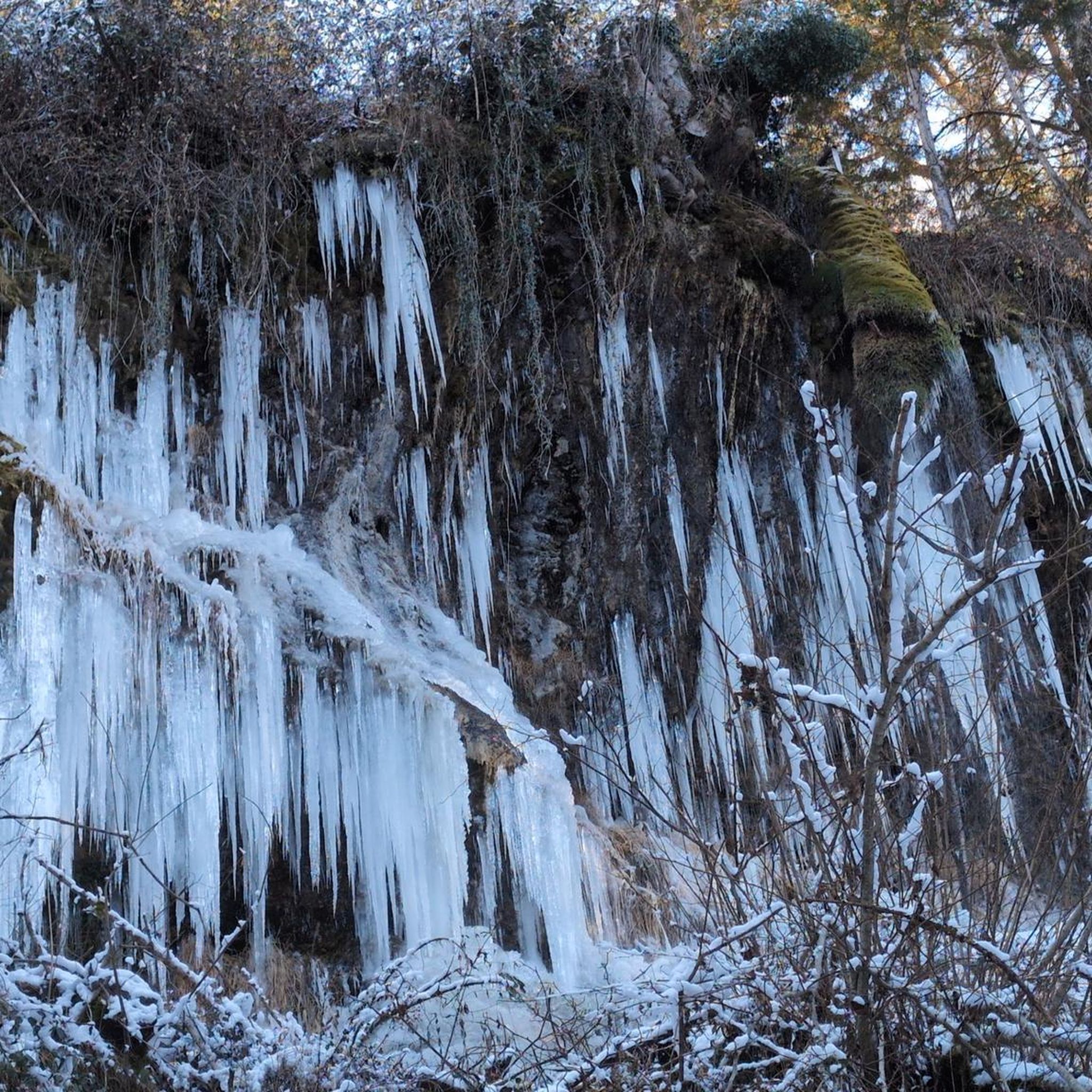
City hikes in Gulpvallei Met Omgeving
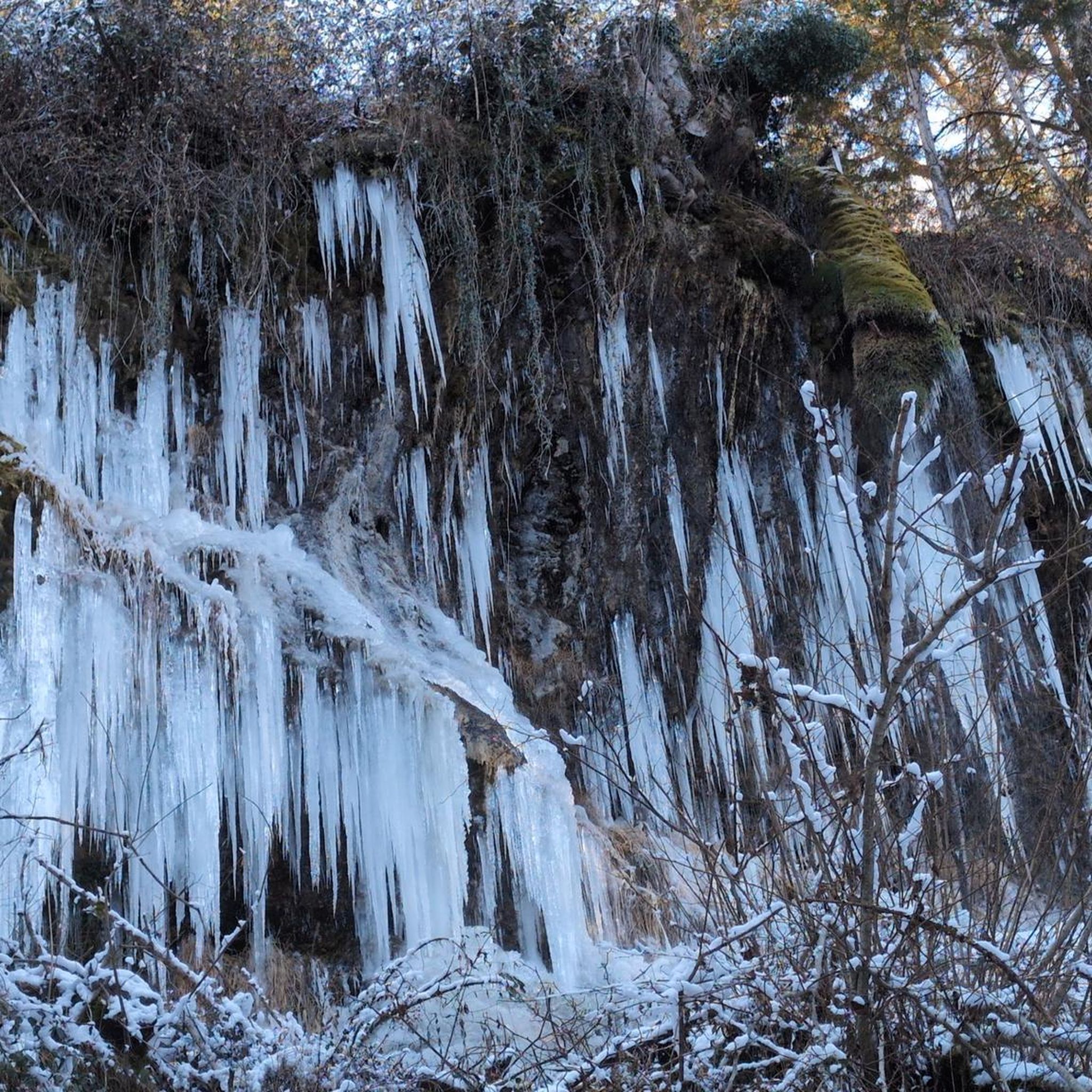
City hikes in Veursbos-Roodbos-Vossenaerde Bosreservaat
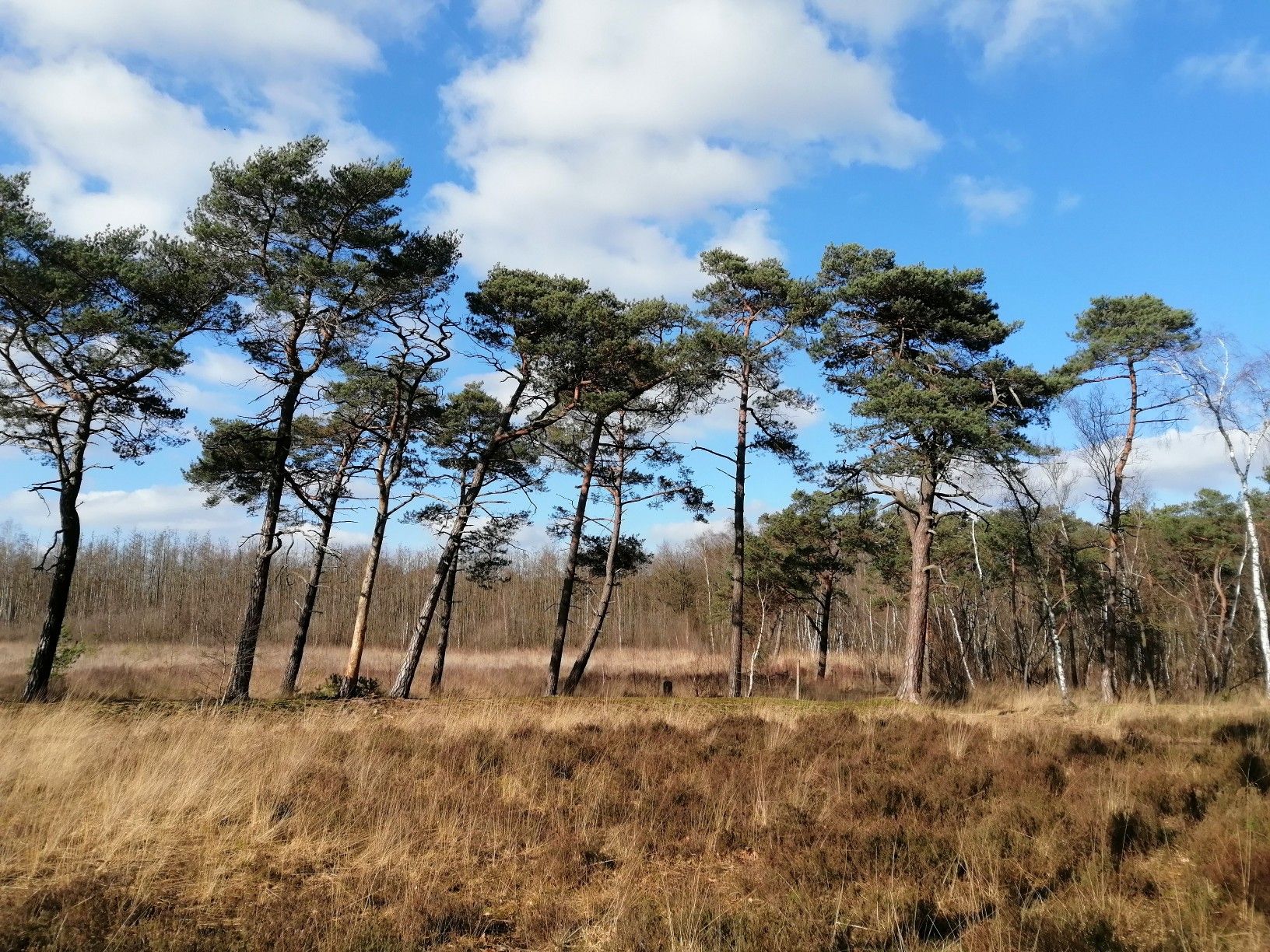
From Flanders to the Ardennes — GR 5 in Belgium

Flanders’ Finest Hiking Routes
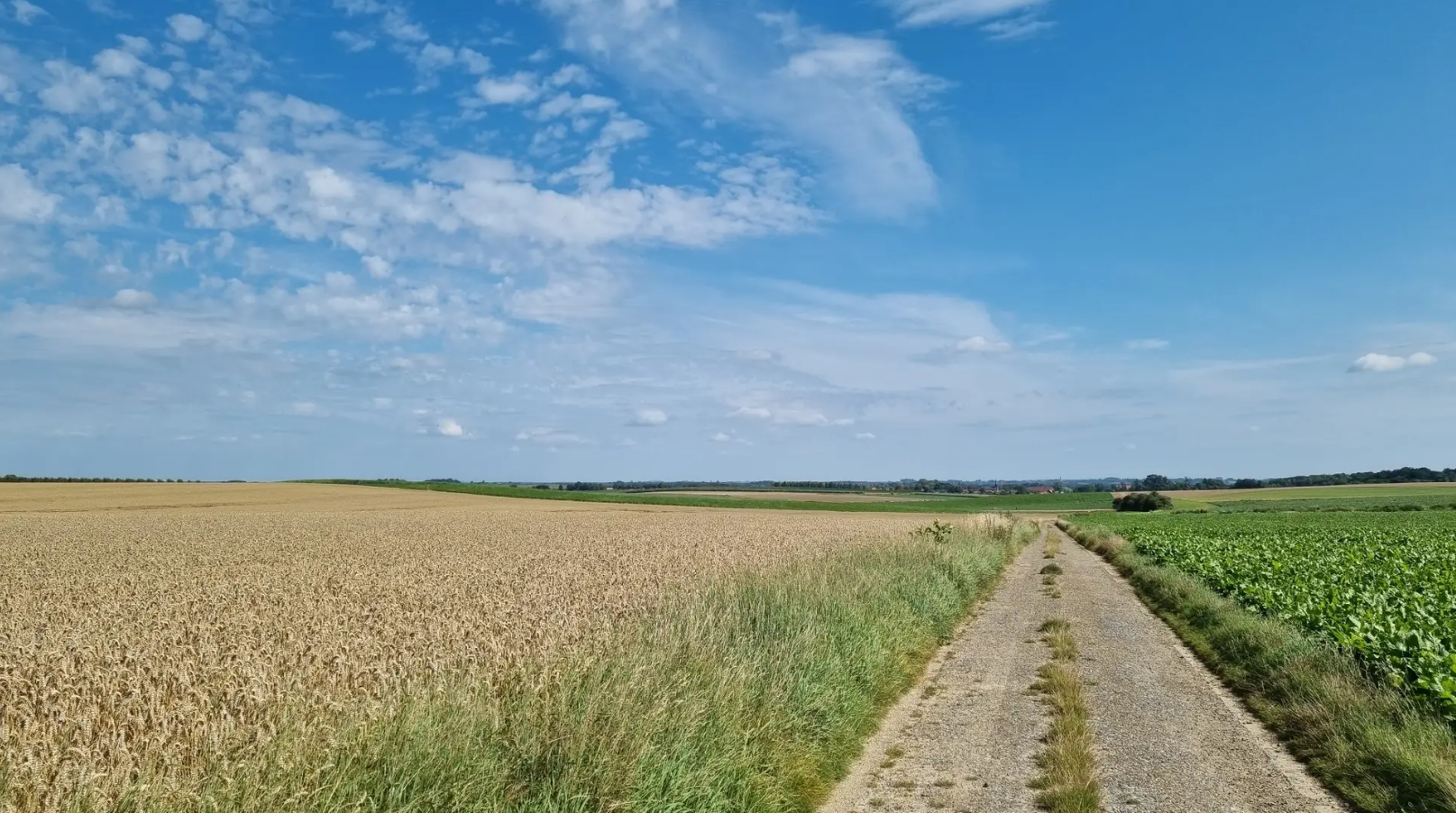
Bloesems, Forests and hidden Heritage – Streek-GR Haspengouw
Other adventures around Tongeren


Tips from the Community

Tongeren is the oldest city in Belgium. The city originates from a camp founded by Sabinus and Cotta, lieutenants of Julius Caesar, whose legions were massacred in 54 BC near Ambiorix, the leader of the Eburones. Sights include the basilica, the beguinage, the statue of Ambiorix, and the antique market that takes place every Sunday.
1
0

At the starting point of the old Kevie tram line near the De Kevie nature reserve near Tongeren, Belgium, stands a striking wooden owl sculpture. This sculpture is an artistic element that is part of the walking experience and serves as a landmark for visitors exploring the historic route of the old tram line. The Kevie itself refers to the former tram line that ran through this region and is now part of walking and cycling networks that lead through nature and the surrounding countryside. The wooden owl has been described by hikers as a beautiful example of creative work in the landscape. It appeals to those who love art and nature and serves as a symbolic welcome to the old tram line. Although no extensive documentation about the artist or the exact date of creation is available in online sources, it is often mentioned by recreationists as a pleasant and memorable stop or landmark at the beginning of the route. The choice of an owl can be interpreted symbolically: in many cultures, the owl symbolizes wisdom, observation, and a connection with nature, which is well-suited to a walking route that runs through green spaces and along a historic transport route. The wooden material emphasizes the artwork's natural context and connects with the sense of tranquility and landscape that people seek when walking in De Kevie. The old tram line itself adds a historical dimension, as tram lines in many Flemish and Dutch regions were once important connections between villages and towns, and preserving the route as a walking and cycling route keeps that past alive in the present. Artwork, information panels, and rest stops will be placed along these paths to allow visitors to enjoy not only nature but also cultural and historical elements.
1
0

The De Pelgrim Inn at Brouwersstraat 9, 11, and 13 is located in one of the former beguinages. These Meuse-style houses, dating from 1632, once formed a single structure. Number 13 was created after a division in 1634, and number 11 after a second division in 1680.
10
0

The remains of the clothmakers' tower (only one storey preserved so it looked a bit different, see below) can be viewed on the other side of the Jeker and is located behind house number 9 in the Sint-Ursulastraat. There is a wooden platform and bench for those who want to take their time at the Jeker. A small sign on the tower mentions "Lakenmakerstoren" and "13th century". More precisely, it is about the middle of the 13th century. Only one storey on a plinth of the tower has been preserved; it is a semi-circular construction of rubble and flint, now covered with a tiled roof and provided with two slit-shaped, marlstone loopholes, finished with negblokken. Inventory of Immovable Heritage: Clothmakers' Tower and wall section D, https://id.erfgoed.net/erfgoedobjecten/37136
7
2

The beguinage of Tongeren is – almost certainly – the oldest in the province of Limburg. Since 1257, it has nestled comfortably around the St. Catherine's Church, on the banks of the Jeker and in the shadow of the Moerenpoort. But its history goes back even further. Because at the Sint-Truiderpoort, close to the St. James' Hospital, founded between 1050 and 1095, stood the 'original' beguinage. In that case, Tongeren was probably the first to have a beguinage in the Netherlands. In any case, the beguinage of Tongeren has been on the UNESCO World Heritage List since 1998, together with twelve other Flemish beguinages, including Turnhout. Want to know more about the beguinage of Tongeren? Click through to https://www.vriendenbegijnhof.be/wp-content/uploads/2017/03/Begijnhof-van-Tongeren-het-oudste-begijnhof-van-Limburg-BK32-2011.pdf
8
0

There were already beguines in Tongeren before 1239. The ladies who chose neither marriage nor monastic life settled permanently on a walled site at the Moerenpoort. In the Sint-Catharina Beguinage, the ‘ladies’ built an independent life. At its peak in the early 18th century, the beguinage had over 300 beguines and 100 houses. But during the French Revolution in 1798, the tide turned. The beguinage was expropriated and a number of houses and walls were integrated into the urban environment over time. Today, the cobbled streets, picturesque squares, beguine houses and religious buildings of the Tongeren beguinage still exude a subdued atmosphere. This fairy-tale ‘mini-city in the city’ is rightly a UNESCO world heritage site.
4
1
The original town hall, located on the corner of the market and the Sint-Truiderstraat, was destroyed in the fire of 1677. It was decided to build a new town hall on the Vlasmarkt, on the site of the cloth hall, which was also destroyed in 1677. The first stone was laid in 1737, by the mayors Willem-Abraham Cours and Jacob Grouwels. The majority of the works were carried out in 1738. The outbreak of the War of the Austrian Succession interrupted the work, so that the finishing touches could not be made until 1750; the stone facade was installed in 1750, the interior doors in 1755. The architect was probably Pascal Barbier from Liège. In terms of style, the building is very similar to the palace of the prince-bishops in Seraing (begun in 1724) and the abbey of Saint-Laurent in Liège (residence of the abbot, begun in 1727). Want to know more? Click through to https://inventaris.onroerenderfgoed.be/erfgoedobjecten/37396
7
0
Beautiful model of the basilica was made by Boud Geysens.
11
0
Frequently Asked Questions
How many urban hiking trails are available around Tongeren?
Our guide features over 40 urban hiking trails in and around Tongeren, catering to various preferences. Most of these, 42 to be exact, are rated as easy, making them accessible for many hikers.
What kind of landscapes can I expect on urban hikes in Tongeren?
Urban hikes in Tongeren offer a blend of historical cityscapes and natural beauty. You'll encounter diverse landscapes including the city's ancient walls and gates, as well as paths leading through nearby woodlands, pastures, and the scenic Haspengouw region known for its fruit orchards. The area's topography includes gentle rolling hills and valleys.
Are there any notable landmarks or attractions along the urban hiking routes?
Yes, Tongeren's urban trails often pass by significant historical sites and natural highlights. You can explore routes that take you past the Mechelse Heide — Lakes and Sand Dunes, or the impressive Reading Between the Lines (See-Through Church). The historic Eisden Coal Mine Headframes are also within reach, offering a glimpse into the region's industrial heritage.
What do other hikers enjoy most about urban hiking in Tongeren?
The komoot community highly rates the urban hiking experience in Tongeren, with an average score of 4.46 stars. Reviewers often praise the well-maintained paths, the rich historical context of the city, and the pleasant combination of urban exploration with accessible natural surroundings.
Are the urban hiking trails in Tongeren suitable for families with children?
Absolutely! Many of Tongeren's urban trails are easy and well-suited for families. Routes like the short Statue of Ambiorix – Tongeren Town Hall loop from Tongeren are perfect for a leisurely stroll with children, offering historical sights without being too strenuous.
Can I bring my dog on the urban hiking trails?
Yes, many urban hiking trails in Tongeren are dog-friendly. However, it's always recommended to keep your dog on a leash, especially in urban areas or nature reserves, and to check specific regulations for certain parks or protected areas like the Hoge Kempen National Park if your route ventures further afield.
What is the best time of year for urban hiking in Tongeren?
Tongeren offers enjoyable urban hiking year-round. Spring is particularly beautiful when the Haspengouw orchards are in bloom. Autumn provides stunning foliage, while summer allows for longer days to explore. Even in winter, the city's historical charm makes for atmospheric walks, though some paths might be muddy after rain.
Are there circular urban walking routes available?
Yes, many of the urban hiking routes in Tongeren are designed as circular loops, allowing you to start and end at the same point. For example, the Statue of Ambiorix – Moerenpoort City Gate loop from Tongeren is a great option for a circular walk through the city.
Where can I find parking near the urban hiking trails in Tongeren?
Tongeren offers various parking options within and around the city center, often close to the starting points of urban trails. For instance, the Free Parking De Motten – Moerenpoort City Gate loop from Tongeren starts near a convenient parking area, making it easy to access the trails.
How can I reach the urban hiking trails using public transport?
Tongeren is well-connected by public transport, making it accessible for urban hikers. The city's train station and bus stops are centrally located, providing easy access to many of the urban walking routes. You can plan your journey to arrive directly in the city center and begin your hike from there.
Are there cafes or pubs along the urban hiking routes in Tongeren?
Yes, as an urban center, Tongeren has numerous cafes, restaurants, and pubs where you can take a break and refuel during or after your hike. Many establishments are located within the city center, often directly on or near the walking paths, offering local specialties and refreshments.
What is the difficulty level of urban hikes in Tongeren?
The majority of urban hikes in Tongeren are rated as easy, with 42 out of 44 routes falling into this category. This means they are generally suitable for all fitness levels, involving minimal elevation gain and well-maintained paths. There are also 2 moderate routes for those seeking a slightly more challenging experience.
Most popular routes around Tongeren
Most popular attractions around Tongeren

Get inspired with the komoot mobile app


Didn’t find what you were looking for?
Check out more Hikes throughout Tongeren below and find the perfect route in your destination.
