The best traffic-free bike rides around Oupeye
4.4
(465)
17,927
riders
182
rides
No traffic road cycling routes around Oupeye traverse a diverse landscape in the Belgian province of Liège, characterized by the Meuse River and the Albert Canal. The terrain offers a mix of flat, scenic paths along waterways and more challenging hilly sections, such as the ascent towards Montagne Saint-Pierre. Cyclists can explore areas with forests, grasslands, and marshy zones, alongside historical sites and protected natural areas. This varied topography provides options for different road cycling preferences.
Best no traffic road cycling routes around Oupeye
- The most popular no traffic road cycling route is View of the Albert Canal – Neerharen Lock loop from Visé, a 29.8 miles (47.9 km) trail that takes 2 hours 15 minutes to complete. This moderate route offers views along the Albert Canal and passes by the Neerharen Lock.
- Another top favourite among local road cyclists is Genoels-Elderen Wine Castle – Glainberg Climb loop from Bassenge, a moderate 30.1 miles (48.4 km) path. This route includes a climb towards Glainberg and passes the Genoels-Elderen Wine Castle.
- Local road cyclists also love the Ulvenderweg – View of Beusdael Castle loop from Visé, a 38.5 miles (61.9 km) trail leading through varied terrain, often completed in about 3 hours 5 minutes.
- Road cycling around Oupeye is defined by routes along the Meuse River and Albert Canal, through the Vallée de la Julienne, and past historical sites like Fort Eben-Emael. The network offers options for different ability levels, from flat canal paths to routes with significant elevation gain.
- The routes in Oupeye are highly rated by the komoot community with an average score of 4.4 stars from more than 440 reviews. More than 17,300 road cyclists have used komoot to explore Oupeye's varied terrain.
Last updated: May 19, 2026
4.9
(10)
276
riders
47.9km
02:14
170m
170m
Moderate road ride. Good fitness required. Mostly well-paved surfaces and easy to ride.
26
riders
48.4km
02:23
380m
380m
Moderate road ride. Good fitness required. Some segments of this route may be unpaved and difficult to ride.

Sign up for free
22
riders
61.9km
03:04
760m
760m
Moderate road ride. Good fitness required. Some segments of this route may be unpaved and difficult to ride.
16
riders
85.3km
04:15
1,040m
1,040m
Hard road ride. Very good fitness required. Some segments of this route may be unpaved and difficult to ride.
5.0
(1)
11
riders
100km
04:51
560m
560m
Moderate road ride. Good fitness required. Some segments of this route may be unpaved and difficult to ride.
Get access to more routes and recommendations from other explorers.
Sign up for free
Already have an account?
Our route recommendations are based on thousands of hikes, rides, and runs completed by other people on komoot.
Start today with a free account
Your next adventure awaits.
Login or Signup
Popular around Oupeye
Tips from the Community

This section, together with the water lock and the outer bailey, belongs to the oldest parts: in the Apostles' House, remains of the late Gothic ordinance from the second half of the 16th century from the building campaign of Land Commander Wijnandt van Brijel have been preserved. The complex is located at the highest point of the domain, on the eastern side of the commandery. Seven avenues converge at the gate, symbolizing the Seven Sorrows and Joys of Mary. To the right of the gatehouse was the now disappeared Apostles' House; it was an L-shaped building of two storeys, with a chapel on the ground floor, and twelve rooms for needy men, hence the name Apostles' House; late Gothic core from the second half of the 16th century, enlarged and adapted in 1716-1726, under Commander Damian Hugo von Schönborn, as indicated by a facade stone. After World War II, the Apostles' House slowly deteriorated but has since been restored.
2
0

Scherpenberg Castle is a historic castle located at Dreef 99 in Nerem, a sub-municipality of Tongeren. It is part of Flanders' preserved heritage and forms part of the cultural-historical landscape around the Jeker river and the De Kevie nature reserve. The castle is recognized as a building heritage site due to its long history and architectural value. The current castle building dates largely from the late 16th and 17th centuries, built on the site of an older castle. Remnants of that original castle are still visible in the western substructure. The complex comprises an elongated main building with a gatehouse, two and a half stories high, under a slate hipped roof. Architectural details such as bacon bands and marlstone cornices are typical of the style and period of construction. Above the entrance is a chronogram from 1697 with the coats of arms of the Vaes and Schroots families, who occupied the castle at that time. Over the centuries, the castle changed owners and was associated with various noble families, including the Scarpenbergh, Baest, Hoen, de Limelette, van Brecht, de Berlaymont, Bex, Vaes, Mantels, and Corswarem families. Some parts of the building, such as service buildings, turrets, and outbuildings, also have historical value and display architectural elements from various periods. Scherpenberg Castle is situated in a green and rural setting that invites visitors to walk and explore the historic landscape around Tongeren. It is not always freely accessible to visitors because it is often privately owned and does not function as a public museum, but it remains a recognizable and valuable cultural-historical monument within the region.
0
0
The former Rosmeulen chocolate factory in Nerem, a submunicipality of Tongeren (Belgium), is a unique industrial heritage building with a rich history and striking architecture. The building was erected around 1908–1909 by Florent Rosmeulen, a chocolate maker who produced chocolate, cocoa, and gingerbread there. It is one of the few industrial buildings in Limburg built in the Art Nouveau style, with characteristic details such as an impressive stained-glass window above the entrance and decorative references to cocoa and chocolate. The structure is among the first in Belgium to be constructed with a reinforced concrete frame, which was progressive at the time and contributed to its robust industrial appearance. The factory flourished in the first decades of the 20th century but was severely affected by the economic crisis of the 1930s. After reorganizations, the company went bankrupt in 1934, and production ceased. In the decades that followed, the building served various purposes, being used by soldiers during World War II, then by other industrial enterprises such as a textile factory and a tin foundry, and later also for cultural activities. After years of vacancy and decay, the former chocolate factory was repurposed as a residential complex in the mid-2010s. Under the name "De Chocoladefabriek" (The Chocolate Factory), the industrial monument is being preserved and transformed into a residential project with lofts and apartments combined with communal areas and gardens. The impressive Art Nouveau block, with a stained-glass window approximately 6 meters wide, is one of the highlights of the renovation and is one of the largest glass artworks in an industrial context in Flanders. The repurposing of the former chocolate factory has become an example of how historical industrial heritage can be integrated into modern residential spaces. The project was even recognized with a prestigious real estate award for the way the old building was preserved and revitalized. Today, the building not only commemorates the region's industrial history but also forms an architectural and social hub where residential heritage and modern architecture merge, close to the De Kevie nature reserve and the former railway line.
0
0
From this vantage point, you have a beautiful view of Château de Beusdael, a historic country house surrounded by expansive gardens and the rolling landscape of South Limburg. The castle and its surroundings tell a story of regional history, estates, and culture, and offer a photogenic stop during your walk.
0
0

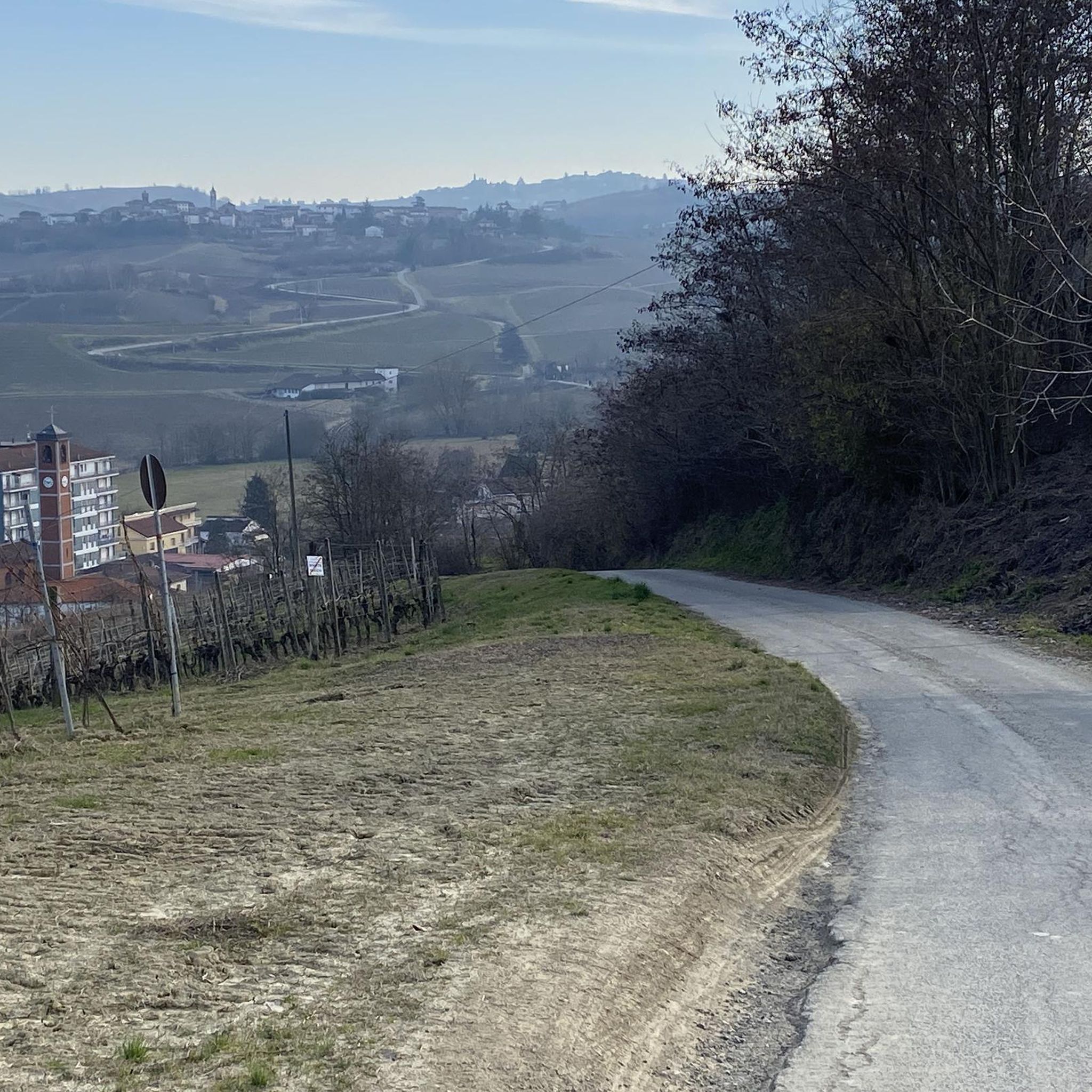
Beautiful area, good roads, nice castle
0
0

Beusdael Castle is an impressive moated castle in the Belgian town of Sippenaeken, near the Dutch border. Nestled in an idyllic valley and surrounded by the Beusdalbos forest, the castle looks like something out of a fairytale. Here are a few exciting details: Origin: The oldest part, a mighty limestone keep, dates back to the 13th century and rises a proud 28 meters high. Architecture: The complex combines elements of Gothic, Renaissance, and Mosan architecture. The four corner turrets and onion-shaped roofs are particularly striking. Moats: Fed by the Terzieker stream, they surround the castle and enhance its medieval charm. Ownership History: The castle changed hands several times over the centuries, including the Colyn von Efferen family, whose coat of arms and weather vanes still adorn the roof. Access: The castle is privately owned and not open to the public.
0
0

Nice corner for relaxed driving
1
0
A bridge over the canal
1
0
Frequently Asked Questions
How many traffic-free road cycling routes are available around Oupeye?
There are over 170 traffic-free road cycling routes around Oupeye, offering a wide range of options for all skill levels. You'll find routes from easy to difficult, ensuring a suitable ride for every cyclist.
What kind of terrain can I expect on the no-traffic road cycling routes in Oupeye?
The terrain around Oupeye offers a diverse experience. You can enjoy tranquil journeys along the Albert Canal towpath, which provides flat, scenic views. For those seeking more challenging rides, the area includes hilly sections, such as the ascent towards Montagne Saint-Pierre, offering rewarding views after a climb. The region blends rural charm with accessible cycling infrastructure.
Are there RAVeL trails suitable for road cycling in Oupeye?
Yes, Oupeye is integrated into larger cycling networks, including routes that connect to the EuroVelo 19 (The Meuse by Bike) and the Maasfietsroute. These often utilize dedicated paths like RAVeL trails, providing excellent traffic-free options for road cyclists along the Meuse River and Albert Canal.
Can I cycle along the Albert Canal on traffic-free routes?
Absolutely! The Albert Canal towpath offers extensive traffic-free sections perfect for road cycling. These routes provide scenic views of the water and historical features like the bunkers of the Fort Eben-Emael. A great example is the View of the Albert Canal – Neerharen Lock loop from Visé, which is a moderate 48 km ride.
Are there traffic-free routes that pass by historical sites or natural landmarks?
Many routes in the Oupeye area offer glimpses of historical and natural landmarks. You can cycle past sites like Fort Eben-Emael and Fort Sint Pieter. Natural attractions include the beautiful Julienne Valley with its forests and ponds, or the Trichterberggroeve Limestone Quarry. The Ulvenderweg – View of Beusdael Castle loop from Visé is a moderate 62 km route that offers varied scenery.
What is the best time of year for traffic-free road cycling in Oupeye?
Spring is particularly recommended for outdoor activities in Oupeye due to the mild weather conditions, making it an ideal time for traffic-free road cycling. The landscapes are vibrant, and the temperatures are comfortable for longer rides.
Are there any family-friendly traffic-free road cycling routes?
Yes, many of the flatter sections, especially along the Albert Canal towpath and designated RAVeL trails, are suitable for families. These routes offer a safe and enjoyable environment away from vehicle traffic, perfect for cyclists of all ages.
Where can I find parking for these quiet road cycling routes?
While specific parking locations for every route are not listed here, areas near major trailheads, such as those connecting to the Albert Canal or RAVeL network, often have designated parking. It's advisable to check local municipality websites or mapping services for parking availability near your chosen starting point.
Are there any loop routes for traffic-free road cycling?
Yes, several loop routes are available, allowing you to start and end your ride in the same location. For instance, the View of the Albert Canal – Neerharen Lock loop from Visé is a popular moderate loop. Many routes are designed to be circular, providing a convenient cycling experience.
What do other road cyclists enjoy most about traffic-free cycling in Oupeye?
The komoot community highly rates the cycling experience in Oupeye, with an average score of 4.4 out of 5 stars. Reviewers often praise the region's diverse landscapes, the tranquility of the traffic-free paths, and the blend of natural beauty with historical points of interest. The well-maintained network of paths along the Meuse and Albert Canal is frequently highlighted.
Are there any challenging traffic-free road cycling routes in the area?
While many traffic-free routes are relatively flat, some sections incorporate hilly terrain for those seeking a challenge. For example, the ascent towards Montagne Saint-Pierre offers a more demanding ride. The View of Les Waides – Clermont Village Square loop from Visé is a difficult 85 km route with significant elevation gain, providing a good test for advanced cyclists.
Can I find cafes or restaurants near the traffic-free cycling routes?
Yes, Oupeye and its surrounding villages like Haccourt and Houtain-Saint-Siméon offer various amenities. Many routes pass through or near charming towns where you can find cafes, pubs, and restaurants to refuel and relax during your ride. The region is known for its local hospitality.
Most popular attractions around Oupeye

Get inspired with the komoot mobile app


Explore more
Browse the best Road cycling routes in other regions.
