The best traffic-free bike rides around Visé
4.2
(546)
3,407
riders
39
rides
No traffic touring cycling routes around Visé are predominantly shaped by the Meuse River Valley, offering scenic paths along its banks, and the rolling hills of the Herve Plateau to the east. The region features diverse landscapes, including limestone cliffs, verdant bocages, and repurposed railway lines forming green corridors. These natural features provide a varied terrain suitable for touring cyclists seeking routes away from vehicular traffic.
Best no traffic touring cycling routes around Visé
- The most popular no traffic touring…
Last updated: November 14, 2026
4.5
(44)
196
riders
24.8km
01:29
130m
130m
Easy bike ride. Mostly paved surfaces.
4.6
(32)
162
riders
49.7km
03:05
290m
290m
Moderate bike ride. Good fitness required. Mostly paved surfaces.

4.1
(10)
219
riders
15.7km
00:56
100m
100m
Easy bike ride. Mostly paved surfaces.
4.6
(17)
75
riders
36.1km
02:16
330m
330m
Moderate bike ride. Good fitness required. Mostly paved surfaces.
3.0
(4)
63
riders
69.2km
04:00
210m
210m
Moderate bike ride. Good fitness required. Mostly paved surfaces.
Get access to more routes and recommendations from other explorers.
Already have an account?
Our route recommendations are based on thousands of hikes, rides, and runs completed by other people on komoot.
Start today with a free account
Your next adventure awaits.


Tips from the Community

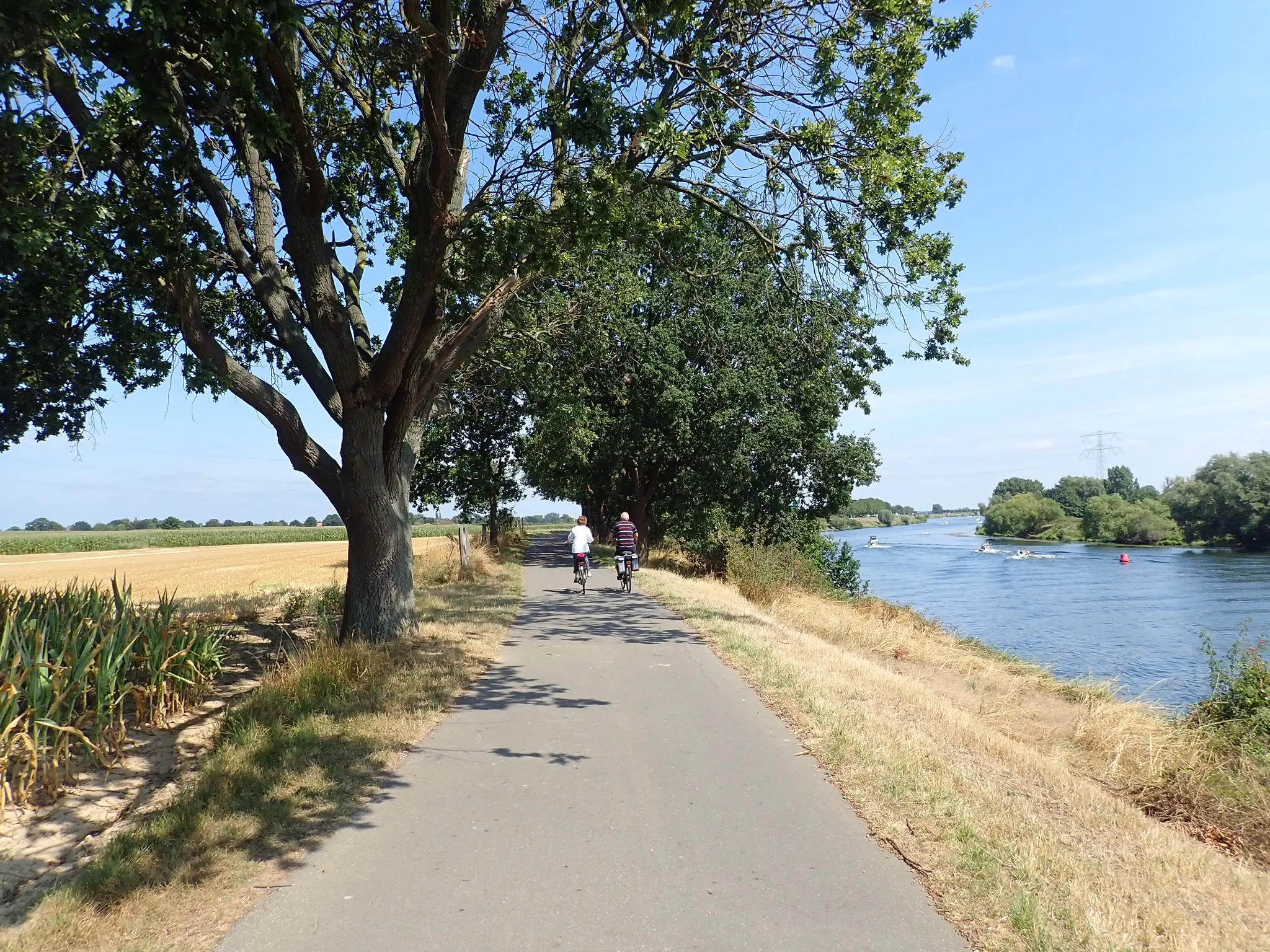
After the great heat and drought, the water level is now rising again
4
0

New super great multilingual presentation
0
0

The bridge at Kanne is a suspension bridge and is part of the regional road N619 (Grenadiersweg). The first bridge at this location was a truss bridge built during the construction of the Albert Canal in 1930. This bridge was destroyed by the Belgian army on May 10, 1940, to prevent the advance of German troops. During World War II, there was a raft to cross the canal. American troops partially filled in the canal during the liberation to make a quick crossing possible. After the war, a wooden emergency bridge was built. In March 1950, the construction of a concrete arch bridge began. The contractor was Arthur Moens from Etterbeek, Brussels. In October 1951, the bridge was ready, at the same time as the new macadam road from the mill of Opkanne to the Oudeweg/Nieuweweg intersection. The concrete part of the bridge was cast in one go to achieve even curing. In 2004, the current, 120-meter-long bridge was built to a design by the engineering firm Greisch. The bridge was hoisted in on September 19, 2004, next to the old bridge, which was subsequently demolished. It is the first suspension bridge in Belgium. The bridge cost approximately 9.4 million euros.
3
0

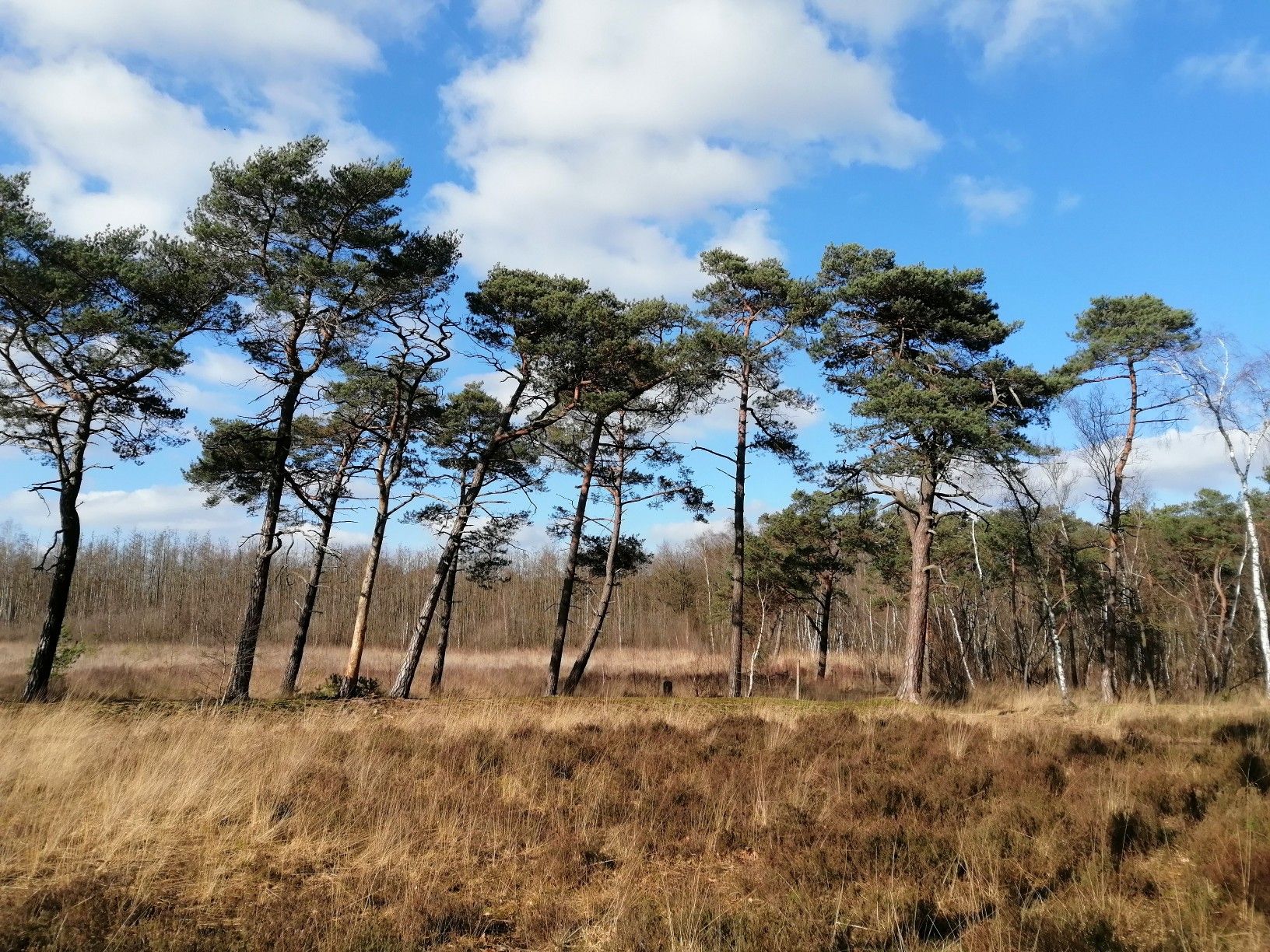
The Maas forms the border between the Netherlands and Belgium for a distance of forty kilometers. Here the river has free rein and can be quite wild. A maze of old riverbeds, banks, rapids, and gravel banks creates a wild, untouched landscape. And where there is water, there is life! Konik horses and Galloway cattle graze on the banks, while rare butterflies flutter by. This cross-border nature reserve is a paradise for hikers with over 200 kilometers of trails. There is also an extensive network of cycle paths! Discover not only the natural beauty but also the idyllic villages along the Maas and cross the river via a bridge or ferry. These large herbivores play a crucial role in managing the natural environment. Together, they create a diverse landscape. In winter, the cattle graze on trees and shrubs, while the Konik horses feast on the shorter grass and the best herbs. This unique combination prevents the area from being overgrown by pastures and creates a dynamic mosaic of open meadows, rough scrub, and forests. This keeps nature constantly in motion! The Maas is a rain-fed river, which means that the hiking trails in RivierPark Maasvallei sometimes experience floods during periods of heavy rainfall. This can affect the accessibility of the trails.
0
0

The Parc de la Boverie inserted between the Meuse and the "Dérivation"
2
0


The stables of the old moated castle Schloss Geulle, demolished in 1850, have been converted into comfortable accommodation with elegantly landscaped gardens within the moat. Guest rooms with fireplace, fully equipped kitchen, bicycles and free Wi-Fi. Numerous golf courses and excellent Michelin-starred restaurants in the surrounding area.
7
0
Frequently Asked Questions
How many no-traffic touring cycling routes are available around Visé?
There are over 35 dedicated no-traffic touring cycling routes around Visé. These routes cater to various skill levels, with 15 easy, 13 moderate, and 8 difficult options, ensuring a suitable ride for every cyclist.
What kind of terrain can I expect on the no-traffic cycling routes near Visé?
The terrain around Visé is quite varied. You'll find mostly flat, scenic paths along the Meuse River Valley, often following the RAVeL network. To the east, the Herve Plateau offers more challenging, hilly landscapes with panoramic views. Many routes utilize repurposed old railway lines, providing smooth, green corridors through the bocages of Pays de Herve.
Are there any family-friendly no-traffic cycling routes in Visé?
Yes, Visé is well-suited for family cycling, especially along the Meuse River and the RAVeL network. These paths are generally flat, well-maintained, and free from motorized traffic, making them safe for all ages. An excellent easy option is the Lanaye Lock – Maastricht Marina loop from Eijsden, which is just over 15 km long.
What are some notable landmarks or attractions I can see along these routes?
The routes offer a rich blend of natural beauty and historical sites. You can explore picturesque Meuse villages, the 13th-century Temple Farm in Visé, or visit the UNESCO World Heritage site of Blegny Mine. Other highlights include the serene Val-Dieu Abbey and the charming village of Clermont-sur-Berwinne. For natural features, look out for the Frayères de Lanaye and the Caster trench at the foot of Montagne Saint-Pierre.
Are there any circular no-traffic cycling routes around Visé?
Yes, many of the no-traffic routes around Visé are designed as loops, perfect for touring cyclists. For example, you could try the Boverie Park – La Boverie Museum, Liège loop from Visé, a moderate 49.5 km ride, or the Albert Canal – Albert Canal Towpath at Kanne loop from Visé, which covers nearly 70 km.
What is the best time of year to go touring cycling in Visé?
The spring and autumn months generally offer the most pleasant conditions for touring cycling in Visé, with mild temperatures and beautiful scenery. Summer can also be enjoyable, though it can get warmer. The extensive RAVeL network and well-maintained paths make cycling accessible for much of the year, but always check local weather forecasts before heading out.
Where can I find cafes or amenities along the no-traffic cycling trails?
Many of the old railway stations along routes like the RAVeL Ligne 38 have been thoughtfully converted into facilities such as brasseries, restaurants, bakeries, and tearooms. These provide convenient and charming stops for refreshments and breaks during your ride. Additionally, charming villages along the Meuse River often have local cafes and shops.
What do other touring cyclists enjoy most about cycling in Visé?
The komoot community highly rates the touring cycling experience around Visé, with an average score of 4.36 stars from over 420 ratings. Reviewers often praise the extensive network of traffic-free paths, the diverse landscapes ranging from river valleys to rolling hills, and the historical and natural attractions found along the routes. The quiet, well-maintained RAVeL paths are frequently highlighted as a major draw.
Can I reach the no-traffic cycling routes around Visé by public transport?
Visé itself is accessible by public transport, and many of the major cycling routes, particularly those following the Meuse River (EuroVelo 19) and the RAVeL network (like Ligne 38), are well-integrated with local towns and villages. This often allows for easy access to starting points via regional buses or trains, though specific connections should be checked for your chosen route.
Are there any caves or unique geological features to explore near the cycling paths?
Yes, the region offers several interesting geological sites. You can find the Strooberg Quarry or the Thier des Vignes Flint Caves. The Geulhemmerberg Climb and Cave Dwellings also offer a unique experience combining a climb with historical cave exploration.
Where can I find more information about the RAVeL network in Wallonia?
The RAVeL network is central to the no-traffic cycling experience in Wallonia. You can find more detailed information about specific sections, such as the RAVeL Route 38, or general information about cycling along the Meuse River on the Visit Wallonia website.
Most popular attractions around Visé

Get inspired with the komoot mobile app


Explore more
Browse the best Cycling routes in other regions.
