The best traffic-free bike rides around Orino
4.4
(593)
14,845
riders
1
ride
Road cycling around Orino is characterized by its mountainous terrain, featuring pine forests, plateaus, and canyons. The region offers routes with significant elevation changes, primarily on rural roads with low traffic. These conditions provide opportunities for no traffic road cycling routes, often presenting challenging climbs suitable for experienced cyclists.
Best no traffic road cycling routes around Orino
- The most popular no traffic road cycling route is Cuvignone Pass – View of Lake Maggiore loop from Castelveccana, an 11.6 miles…
Last updated: October 3, 2026
5.0
(6)
43
riders
18.2km
01:25
770m
770m
Moderate road ride. Good fitness required. Mostly well-paved surfaces and easy to ride.
40
riders
42.2km
02:00
430m
430m
Moderate road ride. Good fitness required. Mostly well-paved surfaces and easy to ride.

4.6
(12)
150
riders
24.9km
01:42
800m
800m
Moderate road ride. Good fitness required. Mostly well-paved surfaces and easy to ride.
Our route recommendations are based on thousands of hikes, rides, and runs completed by other people on komoot.

Tips from the Community

Passo S. Antonio Vararo / Cuvignone 1,036 m Passage at 1,036 meters above sea level From the South: Cittiglio to the North: Porto Valtravaglia About 200 hairpin bends on asphalt Strada Provinciale 8 https://stradedamoto.it/strade.asp?RicPas=4281
14
0
Passo del Monte Cuvignone Via Vararo, Cittiglio / Castelveccana VA The Cuvignone Pass (1,036 m above sea level) is a pass near Vararo, in the Varese area between Valcuvia and Luinese. In cycling, it is known for its demanding climb, which can be tackled from various sides (directly from Cittiglio or Castelveccana, or indirectly after climbing Sant'Antonio or crossing the San Michele Pass). It has been used for training since the time of Alfredo Binda (originally from the area) and offers particularly technical and demanding descents. Ivan Basso also trained there. The pass is also famous in the automotive world, as it has been the most selective timed section of the "ACI Varese Rally" since the 80s, today the "Rally dei Laghi". Even in motorsport, as in cycling, it has been tackled in all directions, and in all directions it has always stood out for its difficulty, consisting of fast sections, others slower but very technical, narrow hairpin bends uphill and downhill – all over a length of about 12/14 km at the discretion of the organizer. Text / Source: wikipedia.org/wiki/Passo_del_Cuvignone https://it.wikipedia.org/wiki/Passo_del_Cuvignone
14
0

Parco Rile Tenore Olona (RTO), located between the provinces of Varese and Como, is famous for its dense network of woodland paths, local roads, and historic winding connections that run along the streams and climb the terraces of the Olona Valley. Among the most iconic road sections and routes that fit this description, the famous "Piccolo Stelvio" in Gornate Olona stands out, an asphalt road within the park known to all cyclists for its tight hairpin bends that are a miniature reminder of the famous Alpine pass.
0
0

Beautiful view uphill, not far from the pass
0
0

a classic from the Varese area. It's worth it.
2
0

Small port overlooking Lake Maggiore.
10
0
Structure maintained in excellent condition.
10
1
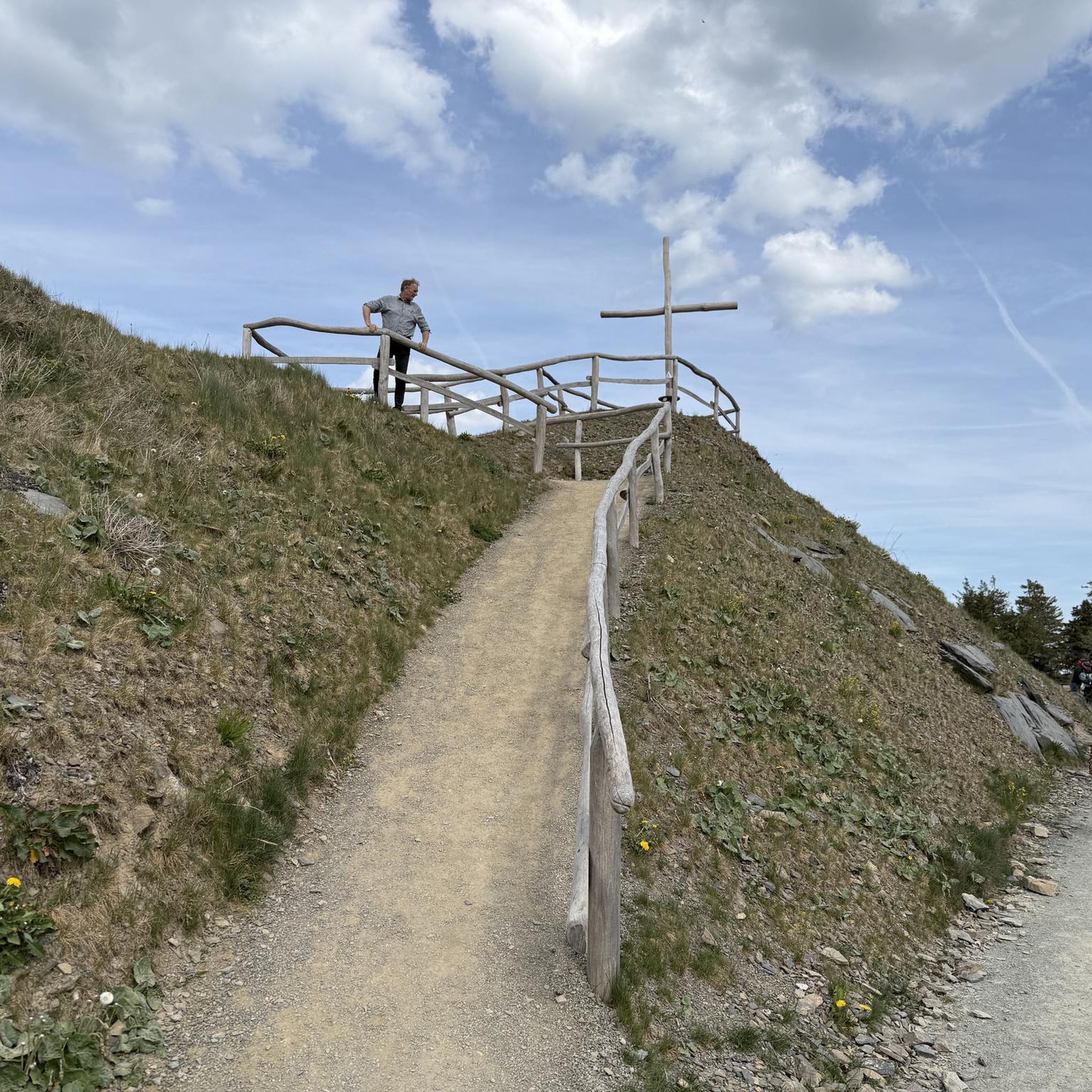
Monument to remember the fallen of the wars.
10
1
Frequently Asked Questions
How many no-traffic road cycling routes are featured in the Orino area?
While this specific guide highlights a selection of routes, the broader Orino region, with its mountainous terrain and rural roads, offers numerous opportunities for traffic-free road cycling. You can explore routes like the moderate Cuvignone Pass – View of Lake Maggiore loop from Castelveccana, which provides a great example of the quiet roads available.
What kind of terrain can I expect on traffic-free road cycling routes around Orino?
The Orino area is characterized by its mountainous landscape, so you can expect significant elevation changes and challenging climbs. Routes often wind through pine forests and offer magnificent views, typical of Crete's diverse scenery. While some routes may feature plateaus, be prepared for an engaging ride with rewarding ascents and descents.
Are there any family-friendly no-traffic road cycling options in Orino?
Given the mountainous nature of Orino, many road cycling routes involve considerable elevation and are generally moderate to difficult. For families, it's best to look for routes with less climbing and perhaps shorter distances. While specific easy, flat, traffic-free routes for families are not prominently featured, exploring local village roads during off-peak times might offer quieter sections suitable for a relaxed ride.
What are the best times of year for traffic-free road cycling in Orino?
The spring and autumn months are generally ideal for road cycling in Orino. During spring, the region is vibrant with wildflowers and waterfalls in gorges like Orino Gorge, and temperatures are pleasant. Autumn offers cooler weather and beautiful foliage. Summers can be very hot, especially for climbing, while winters might bring colder temperatures and occasional rain, making some higher routes less accessible.
What do other road cyclists enjoy most about cycling in Orino?
The komoot community highly rates the cycling experience in the Orino area, with an average score of 4.5 stars from 473 ratings. Cyclists often praise the stunning mountainous views, the quiet rural roads that offer a true 'no traffic' experience, and the challenging yet rewarding climbs. The natural beauty, including pine forests and unique features like Skafi Lake, also contributes to a memorable ride.
Are there any circular no-traffic road cycling routes available?
Yes, many of the road cycling routes in the Orino area are designed as loops, allowing you to start and end at the same point without retracing your path. An example is the Monte Grappa Square – Via Luigi Sacco loop from Varese Casbeno, which offers a moderate circular ride through varied landscapes.
What kind of natural features or landmarks can I see along these routes?
The Orino region is rich in natural beauty. While cycling, you might encounter stunning pine forests, panoramic mountain views, and unique geological formations. Nearby attractions include the impressive Valganna Waterfalls and Caves, the Cunardo Gorge, and the picturesque Waterfall and Bridge of Sasso di Malgesso. These offer great opportunities for a break and some exploration off the bike.
Are there places to stop for food or rest along the no-traffic routes?
Yes, you can find various spots for refreshments and rest. The area features several huts and restaurants that cater to outdoor enthusiasts. Consider stopping at places like Pian delle Noci Hut or Restaurant Capanna Casa Alpina “Giulio de Grandi Adamoli” for a break and a meal. These establishments are often located in scenic spots, perfect for recharging during your ride.
What is the typical difficulty level for traffic-free road cycling in Orino?
Most of the featured no-traffic road cycling routes in Orino are rated as moderate in difficulty. This means they typically involve significant climbs and descents, requiring a good level of fitness. For example, the View of Lake Maggiore – Cascata di Ruggiano loop from Porto Valtravaglia is a moderate route with over 800 meters of elevation gain.
Can I find routes with scenic viewpoints that are free from car traffic?
Absolutely. The mountainous landscape of Orino naturally lends itself to stunning viewpoints, and many of the rural roads chosen for their low traffic offer unobstructed vistas. As you climb through the pine forests and along the plateaus, you'll be treated to magnificent views of the surrounding region, often with glimpses of distant lakes or the sea, all from quiet roads.
Are there any specific challenges to be aware of when road cycling in Orino?
The primary challenge in Orino is the mountainous terrain, which means sustained climbs and technical descents. While the routes are chosen for their low traffic, some sections might still involve narrow roads. Always be prepared for changing weather conditions in the mountains, and ensure your bike is in good condition for the ascents and descents.
Most popular attractions around Orino

Get inspired with the komoot mobile app


Explore more
Browse the best Road cycling routes in other regions.
