The best traffic-free bike rides around Challand-Saint-Victor
4.6
(168)
3,433
riders
34
rides
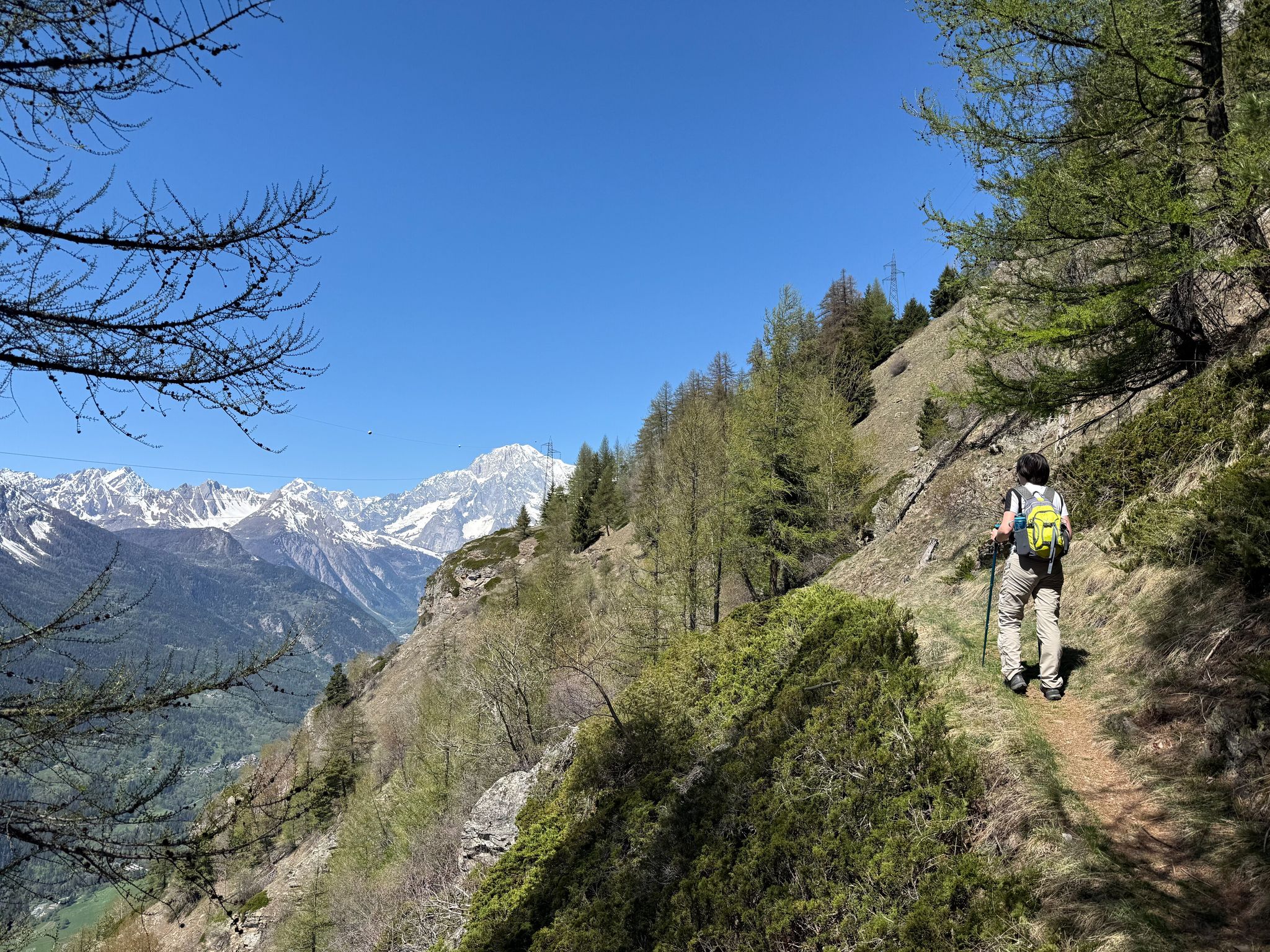
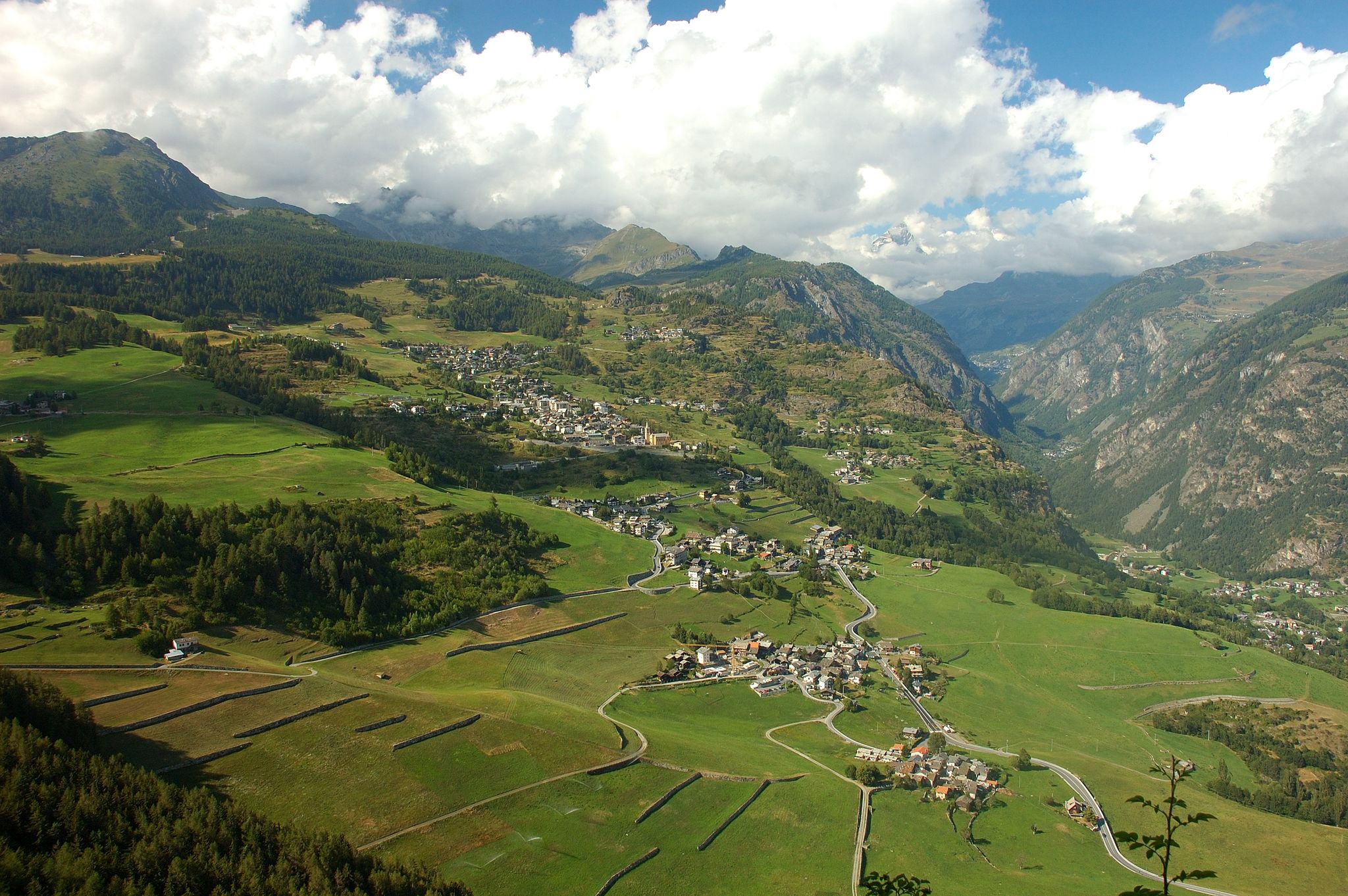
No traffic touring cycling routes around Challand-Saint-Victor traverse a diverse landscape in Italy's Aosta Valley, situated at 765 meters above sea level. The region features a glacial amphitheater surrounded by extensive chestnut and walnut forests, providing varied terrain for cyclists. Ancient irrigation canals, such as the Ru d'Arlaz and Ru Herbal, crisscross the area, offering historical paths. Natural features like Lake Villa Nature Reserve and the Isollaz Waterfall contribute to the scenic environment for cycling.
Best no traffic touring cycling…
Last updated: October 3, 2026
3.0
(1)
2
riders
10.9km
00:47
100m
100m
This easy 6.8-mile touring cycling route along the Dora Baltea river offers scenic views, charming villages, and historical landmarks.
5.0
(1)
52
riders
33.7km
03:03
900m
900m
Hard bike ride. Very good fitness required. You may need to push your bike for some segments of this route.

5.0
(1)
21
riders
25.7km
02:23
840m
840m
Hard bike ride. Very good fitness required. Mostly paved surfaces. Suitable for all skill levels.
18
riders
27.0km
02:42
650m
650m
Hard bike ride. Very good fitness required. You may need to push your bike for some segments of this route.
15
riders
21.4km
01:21
140m
140m
Easy bike ride. Great for any fitness level. Mostly paved surfaces. Suitable for all skill levels.
Get access to more routes and recommendations from other explorers.
Already have an account?
Our route recommendations are based on thousands of hikes, rides, and runs completed by other people on komoot.
Start today with a free account
Your next adventure awaits.


Tips from the Community


Located in the heart of the hamlet of Viering, in the municipality of Champdepraz, this small chapel is an emblematic example of the rural religious architecture of the Aosta Valley. Characterized by a white plastered facade that contrasts with the exposed stone side walls, the building features valuable frescoes above the entrance portal, depicting the titular saints. The most distinctive element is its bell gable, which houses a bell with a unique history: it still bears the marks of bullet holes inflicted by Nazi soldiers during World War II, making the church not only a place of worship but also a silent witness to local resistance.
0
0
The wooden sculpture depicts a sabotier, the artisan who, in the tradition of the Aosta Valley, dedicated himself to the manufacture of sabots, the wooden clogs that for centuries were worn by the inhabitants of the alpine valleys. The figure holds a piolet in his hand, the axe used to rough out the trunk – usually of aspen wood, worked while still green – to obtain the raw shape of the footwear. The sabotier's trade is an ancient one, of unknown origins, which in the Aosta Valley found its highest expression in the Val d'Ayas, where the production of clogs was not just a craft activity but an identity trait of the entire community. In a largely self-sufficient mountain economy, sabots met an essential need: to have robust, warm, and waterproof footwear, suitable for the rigors of winter and the harshness of the terrain. Few owned real leather shoes, reserved for special occasions. With the changing customs and the advent of modern footwear, demand declined, and today very few artisans remain to perpetuate this ancient knowledge. The sculpture pays homage to a silent and fundamental figure of alpine rural civilization: the sabotier, guardian of a craft in which the simplicity of wood was transformed, through expert hands, into something indispensable for the life of an entire community.
0
0
The ancient press of Clos de Barme in Arnad is one of the most evocative testimonies of traditional rural life in the lower Aosta Valley. It is a community press, meaning a collectively used piece of equipment that served the villagers for pressing grapes and producing wine. The year 1804 is engraved on a beam, likely corresponding to a modernization intervention where the press assumed its current structure. In a territory like Arnad, where viticulture has ancient roots and where the DOC Arnad-Montjovet wine based on Nebbiolo is still produced today, the press represented a crucial point of the village's economic and social life. Next to it stands the chapel dedicated to Saint Roch, testifying to the typically alpine link between the spiritual dimension and collective work. Today, the press is one of the stops on the "Chemins des Vignobles" itinerary and is located along the Via Francigena route, set within a landscape of terraced vineyards and centuries-old chestnut groves.
0
0

The Arlaz Waterfall can be reached either from the Col d'Arlaz or from the Orbeillaz car park, following path number 31 which runs alongside the Rû d’Arlaz, a 14th-century artificial canal that channels the water of the Evançon stream and carries it to the municipalities of Challand, Emarese and Montjovet.
1
0

a little shade under the greenery, always welcome
0
0

Easy dirt road, with compact surface, easily passable in both directions. The difference in altitude is modest.
0
0
Frequently Asked Questions
How many no traffic touring cycling routes are available in Challand-Saint-Victor?
There are over 25 dedicated no traffic touring cycling routes around Challand-Saint-Victor, offering a variety of experiences for different skill levels. You'll find a mix of easy, moderate, and challenging options to explore the region's natural beauty.
What is the best time of year for no traffic touring cycling in Challand-Saint-Victor?
Challand-Saint-Victor benefits from a mild, dry, and wind-sheltered climate year-round, making it suitable for touring cycling in most seasons. Spring and autumn offer pleasant temperatures and vibrant scenery, while summer provides longer daylight hours. Even in winter, the sheltered conditions can make for enjoyable rides, though some higher elevation routes might be less accessible.
Are there easy no traffic touring cycling routes suitable for beginners or families?
Yes, Challand-Saint-Victor offers several easy no traffic touring cycling routes perfect for beginners or families. One excellent option is the Dora Baltea Cycle Path: Verrès - Issogne Loop, which provides scenic views along the valley floor on a relatively flat path.
What do other touring cyclists say about the no traffic routes in Challand-Saint-Victor?
The no traffic touring cycling routes in Challand-Saint-Victor are highly rated by the komoot community, with an average score of 4.5 stars from over 150 reviews. Cyclists often praise the quiet woodlands, picturesque views, and the opportunity to explore historical paths away from vehicle traffic.
Are there any circular no traffic touring cycling routes?
Yes, many of the no traffic touring cycling routes in Challand-Saint-Victor are designed as loops, allowing you to start and end at the same point. An example of a challenging but rewarding loop is the Col d'Arlaz – Arlaz Waterfall loop from Emarèse, which takes you through varied landscapes.
Are there any waterfalls along the no traffic touring cycling routes?
Yes, the stunning Isollaz Waterfall is a notable natural feature near the hamlet of Targnod, where the Evançon stream cascades nearly fifty meters. Some routes pass close enough for a visit, offering a dramatic visual and auditory experience.
What natural features can I expect to see on these routes?
The routes in Challand-Saint-Victor traverse a diverse landscape. You'll encounter extensive chestnut and walnut forests, historic irrigation canals like the Ru d'Arlaz and Ru Herbal, and the tranquil Lake Villa Nature Reserve, which features a unique mix of alpine and marsh vegetation. Many paths offer idyllic settings for birdwatching.
Are there historical landmarks or castles to explore near the no traffic cycling routes?
Absolutely. The region is rich in history. You can find the impressive Fort Bard, a significant military fortress, or the medieval Verrès Castle. The ruins of Villa Castle, an ancient manor of the Challant family, also offer a glimpse into the area's past. In the hamlet of Verval, you can see two medieval humpback bridges, locally known as 'Roman bridges'.
Are the no traffic touring cycling routes suitable for cycling with dogs?
While many outdoor areas in Challand-Saint-Victor are dog-friendly, specific rules may apply to nature reserves or private lands. It's generally advisable to keep dogs on a leash, especially in forested areas or near wildlife. Always ensure your dog is well-behaved and that you carry waste bags. Check local signage for any restrictions on specific paths.
Where can I find parking for these no traffic touring cycling routes?
Parking is typically available in or near the main villages and starting points of the routes, such as Challand-Saint-Victor itself, or other nearby towns like Verrès or Emarèse. Look for designated parking areas, often near public facilities or trailheads. It's always a good idea to check specific route descriptions for recommended parking locations.
Are there any cafes or refreshment stops along the no traffic touring cycling routes?
While the routes themselves are often traffic-free, you'll find opportunities for refreshments in the villages and hamlets that the routes connect or pass through. Planning your ride to include stops in places like Challand-Saint-Victor, Brusson, or other small settlements will allow you to enjoy local cafes and restaurants.
Most popular routes around Challand-Saint-Victor
Most popular attractions around Challand-Saint-Victor

Get inspired with the komoot mobile app


Explore more
Browse the best Cycling routes in other regions.
