The best traffic-free bike rides around Bugerru/Buggerru
4.6
(5)
40
riders
2
rides
Gravel biking around Bugerru/Buggerru offers a diverse landscape characterized by rugged mountains, dramatic coastal cliffs, and a rich mining heritage. The region features varied terrain, including ancient pine forests, sand dunes, and historical mining trails, providing a unique backdrop for cycling. This area on Sardinia's southwest coast combines challenging ascents with scenic coastal paths, making it suitable for various gravel biking experiences. The blend of natural beauty and industrial archaeology creates a distinctive environment for exploring no traffic gravel bike…
Last updated: November 13, 2026
4.0
(1)
10
riders
49.9km
03:44
900m
910m
Hard gravel ride. Very good fitness required. Mostly paved surfaces.
1
riders
19.4km
01:53
620m
620m
Hard gravel ride. Very good fitness required. Mostly paved surfaces.

3
riders
Moderate gravel ride. Good fitness required. Mostly paved surfaces.
1
riders
25.0km
01:52
350m
350m
Moderate gravel ride. Good fitness required. Mostly paved surfaces.
2
riders
Moderate gravel ride. Good fitness required. Mostly paved surfaces.
Our route recommendations are based on thousands of hikes, rides, and runs completed by other people on komoot.
Start today with a free account
Your next adventure awaits.
Popular around Bugerru/Buggerru
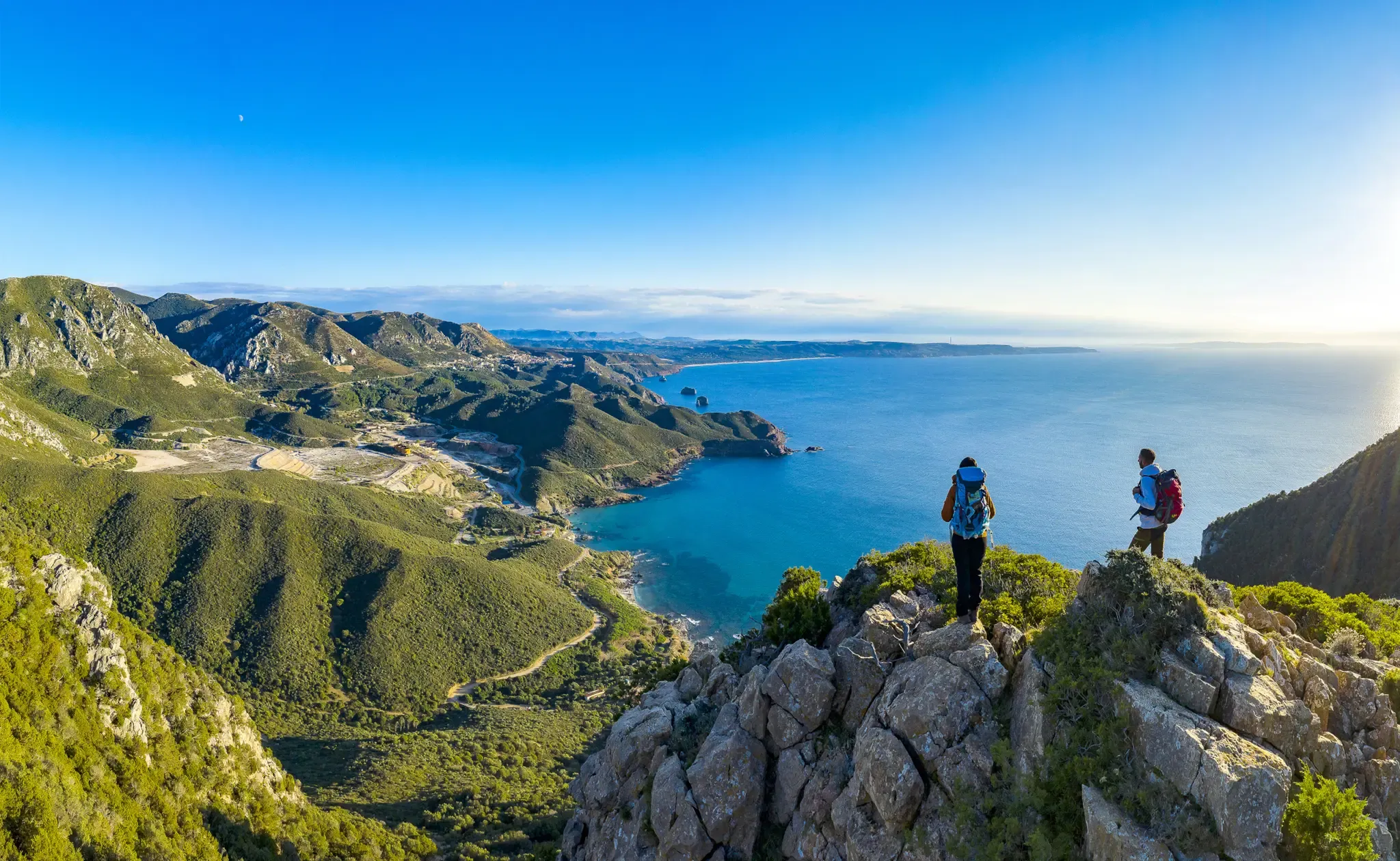
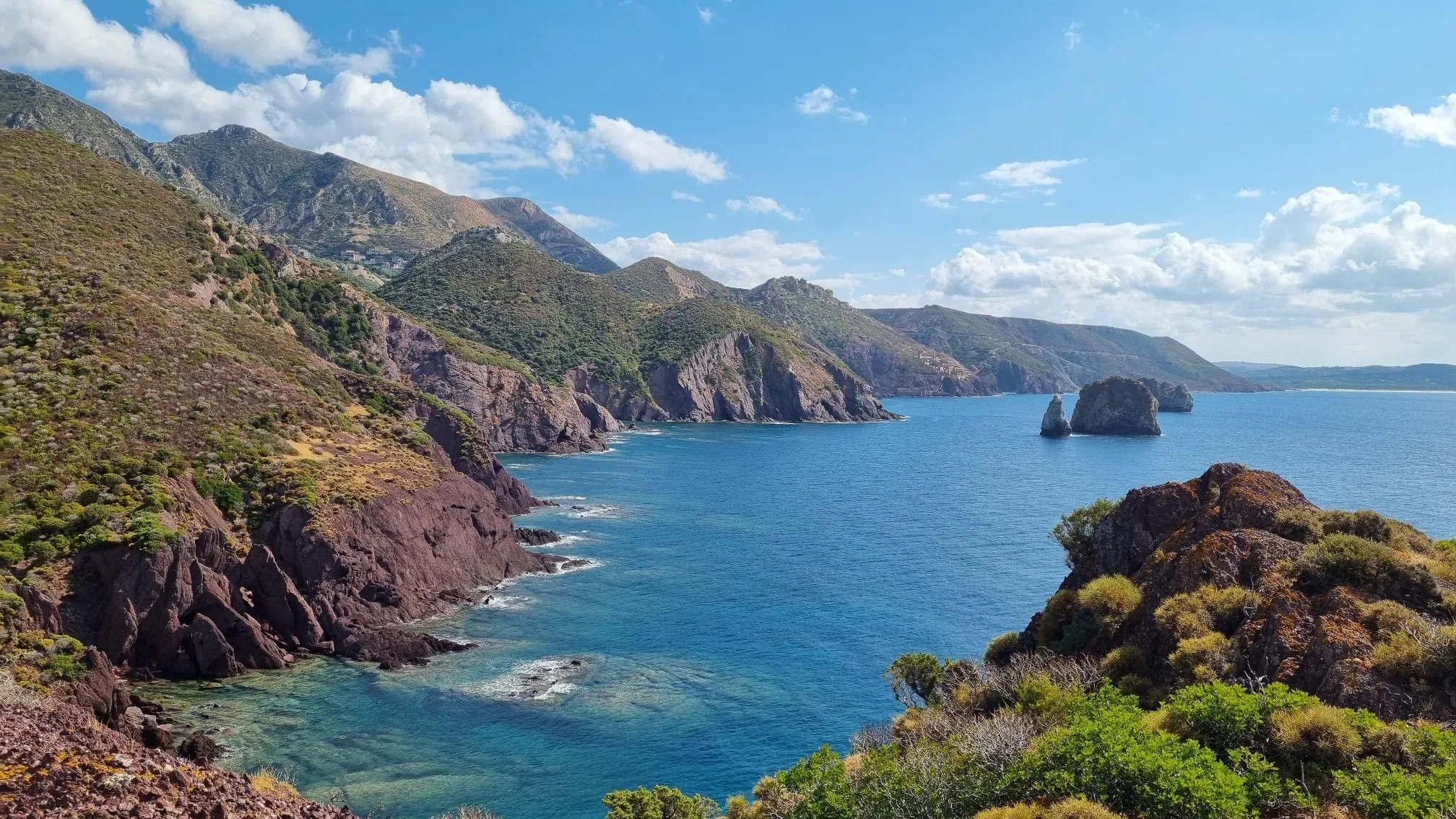
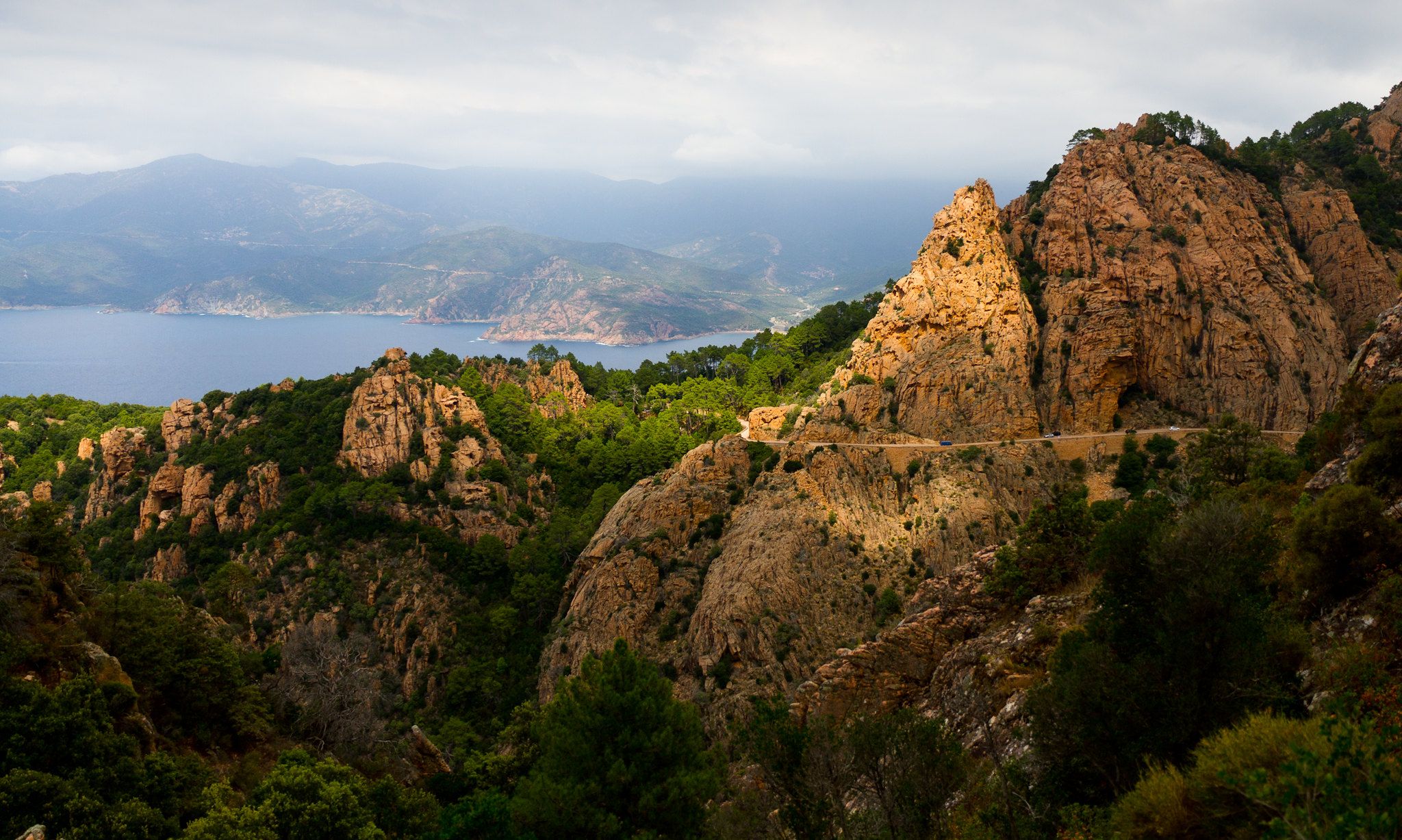


Other adventures around Bugerru/Buggerru


Tips from the Community

The position of the town of Buggerru is quite unique, it has its own gulf
0
0

Inside was a large steam engine used to lift silver-bearing galena and other minerals. The shaft was abandoned in 1940.
0
0
beautiful route, between dizzying bridges and trenches dug into the rock
0
0


A site of industrial archaeology right on a beautiful coastline. Buggerru was founded in 1864 as a mining village. Today it is a holiday resort with around 1,000 inhabitants, a fifth of what it had at the beginning of the 20th century. The present village, with the parish church dedicated to St. John the Baptist, consists of fan-shaped houses where the valley of Monte Caitas flows into the sea, a channel that gave its name to the Malfidano mine, the most important mine during the mining era from the second half of the 19th century to the beginning of the 20th century. It was active until 1979: in just over a century, Buggerru, already known for its silver in Roman times, produced more than 1 million tons of zinc and 200,000 tons of lead. Its modern small port lies beneath the exit of the Henry Tunnel, now an open-air museum, once a railway tunnel for the transport of extracted minerals.
2
0
Beautifully painted house on a small square with a fountain.
0
0

Established in the early decades of the 20th century, the village still retains valuable buildings such as the church, the school, and the mine management building, as well as evidence of industrial archaeology such as the Zimmermann shaft structure and the compressor room. The village also has a grocery store, open Monday through Friday from 8:00 a.m. to 1:00 p.m. and from 5:30 p.m. to 8:00 p.m., and on Sunday mornings from 8:30 a.m. to 12:30 p.m. Not far from the church, you'll also find a fountain where you can fill your water bottles.
0
0
Iglesiente, the region at the center of the Sardinian mining epic and of which it is the capital, derives its name. It has a population of 27,000 and is the episcopal see and heir to the ancient diocese of Sulcis. Iglesias means "churches" in Spanish. It is no coincidence that in a city with a glorious past, especially under Catalan-Aragonese rule (when it was a royal city), the celebrations surrounding the Good Friday customs stand out, recalling Spanish customs in form and color. The mystery processions on Holy Tuesday and Holy Friday are particularly impressive. Among the churches, the Cathedral of Santa Chiara (dating back to the 13th century), the churches of Madonna delle Grazie, Del Collegio, a Jesuit temple, and San Francesco, one of Sardinia's best-preserved and most important buildings in the Gothic-Catalan style, which houses an altarpiece dating back to 1560, are particularly worth seeing.
0
0
Frequently Asked Questions
What kind of terrain can I expect on no-traffic gravel bike trails around Bugerru/Buggerru?
The trails in the Bugerru/Buggerru area offer a diverse mix of terrain, reflecting the region's unique blend of mountainous landscapes, coastal views, and mining heritage. You'll encounter paths that wind through former mining areas, offering glimpses of industrial archaeology, as well as routes near stunning coastlines with dramatic cliffs and beautiful beaches. Expect varied surfaces suitable for gravel bikes, often combining unpaved tracks with quiet roads, ensuring a traffic-free experience.
Are there any family-friendly no-traffic gravel routes in Bugerru/Buggerru?
While many routes in the region can be moderately challenging due to elevation changes, some sections are suitable for families. For instance, the area around the San Nicolao dunes, with its impressive pine reforestation, is described as an ideal place for bike excursions and could offer gentler, traffic-free sections. Always check the route details for specific difficulty and elevation to ensure it matches your family's capabilities.
What are some natural features or landmarks I can see along these gravel bike trails?
The Bugerru/Buggerru area is rich in natural beauty and historical landmarks. You can explore routes that offer views of the majestic Pan di Zucchero Rock Formation near Masua beach, or discover the stunning View of Portixeddu Beach and Punta Su Guardianu. The region also features numerous viewpoints like the View from Monte Nai and the View of the Southwest Sardinian Coast, providing breathtaking vistas of the sea and mountains.
Can I bring my dog on the gravel bike trails in Bugerru/Buggerru?
Generally, many outdoor trails in Sardinia are dog-friendly, especially those in natural, less-populated areas. However, it's always best to keep your dog on a leash, especially in areas with wildlife or near historical sites. Be mindful of the weather, as summer temperatures can be very high, and ensure you carry enough water for both yourself and your pet. Specific restrictions might apply in protected areas, so check local signage.
What is the best time of year for gravel biking in Bugerru/Buggerru to avoid traffic and enjoy good weather?
The shoulder seasons, particularly spring (April-May) and autumn (September-October), are ideal for gravel biking in Bugerru/Buggerru. During these months, the weather is pleasantly mild, perfect for cycling, and you'll find fewer tourists, ensuring a more tranquil, traffic-free experience. Summer can be very hot, making longer rides challenging, while winter can bring more unpredictable weather.
Are there any circular no-traffic gravel routes available?
Yes, several routes in the area are designed as loops, allowing you to start and end at the same point. An example is the Arenas Mining Complex – Tinnì Mining Area loop from San Benedetto, which offers a challenging ride through historical mining landscapes. Another option is the Quintino Sella Square – Sa Reina monumental olive tree loop from Iglesias, providing a moderate circular experience.
What kind of historical sites can I discover on these no-traffic gravel routes?
The Bugerru/Buggerru region is steeped in mining history, and many gravel routes pass through or near fascinating industrial archaeology sites. You can explore areas like the La Marmora Ore Washing Plant, which offers a glimpse into the region's past. The Artificial Lake – Barega Mine loop from Iglesias is another route that takes you through these historically significant landscapes.
How do other gravel bikers rate the experience in Bugerru/Buggerru?
The komoot community highly rates the gravel biking experience in Bugerru/Buggerru, with an average score of 4.6 out of 5 stars. Reviewers often praise the unique combination of rugged coastal scenery, the quiet solitude of the mining trails, and the diverse terrain that makes for an engaging ride away from traffic.
Are there any routes that feature the famous Piscinas dunes?
Yes, you can find routes that bring you close to the impressive Piscinas dunes. The Red River Crossing – View of the Piscinas Dunes loop from Dune di Piscinas is a moderate route that allows you to experience the unique landscape of these towering sand dunes, which are a significant natural attraction in the wider region.
Where can I find information about parking or public transport access for these trails?
While many routes start from towns like Iglesias or San Benedetto, which typically have parking facilities, specific information for each trailhead can vary. For detailed access points and parking options, it's best to check the individual route descriptions on komoot. Public transport options in this rugged region might be limited, so planning your journey, especially for car-free access, is crucial. For broader outdoor activity information in the area, you might find resources on visitbuggerru.it.
Are there any routes that follow old railway lines?
Yes, the region's mining past means there are opportunities to cycle along former railway lines that have been repurposed into trails. The Old Railway of Iglesias – Piazza Sella, Iglesias loop from Iglesias is a moderate route that specifically utilizes an old railway path, offering a unique historical perspective while enjoying a traffic-free ride.
Most popular routes around Bugerru/Buggerru
Most popular attractions around Bugerru/Buggerru

Get inspired with the komoot mobile app


Explore more
Browse the best Gravel rides in other regions.
