The best traffic-free bike rides around Domunoas/Domusnovas
4.7
(5)
58
riders
4
rides
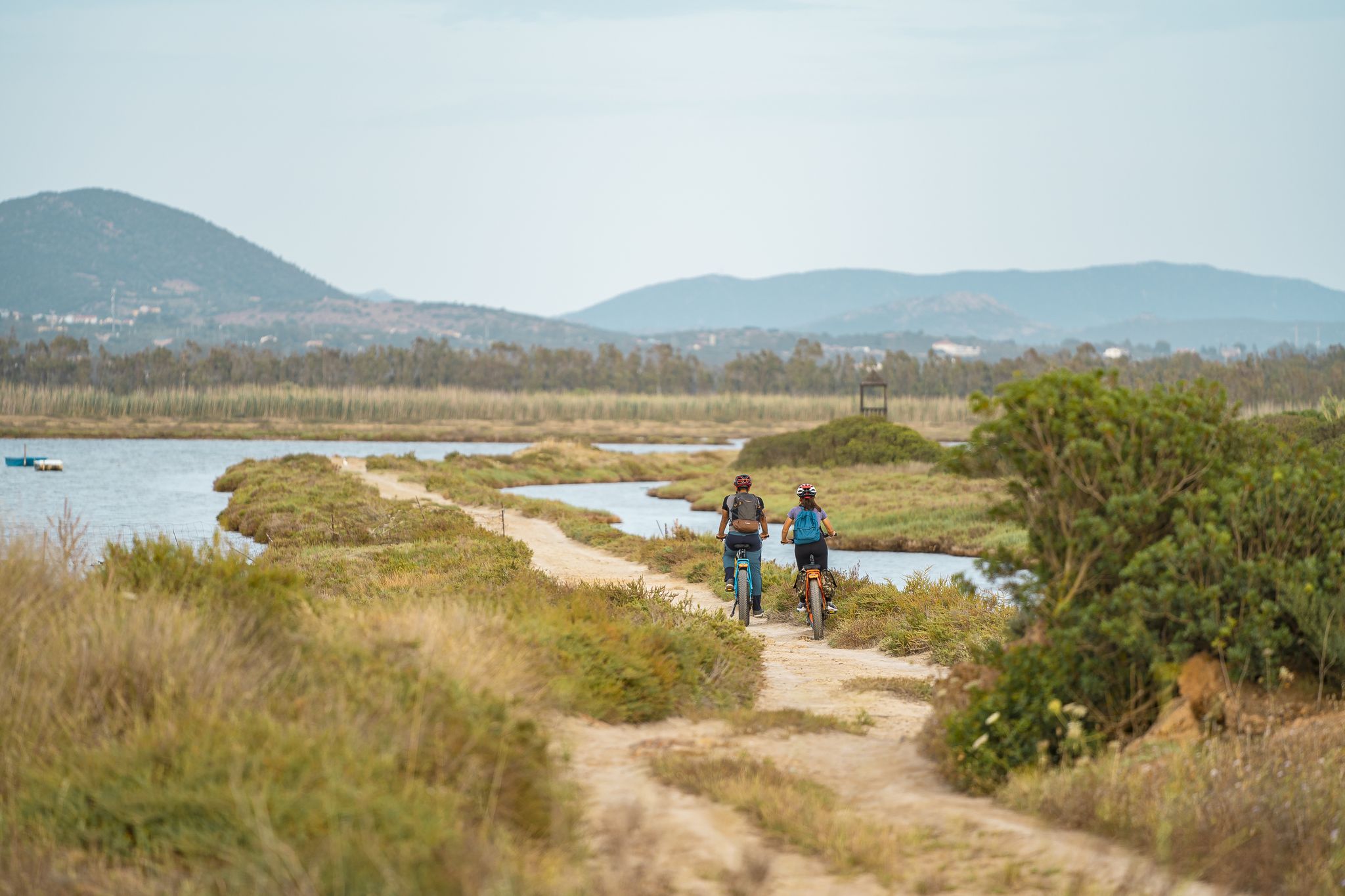
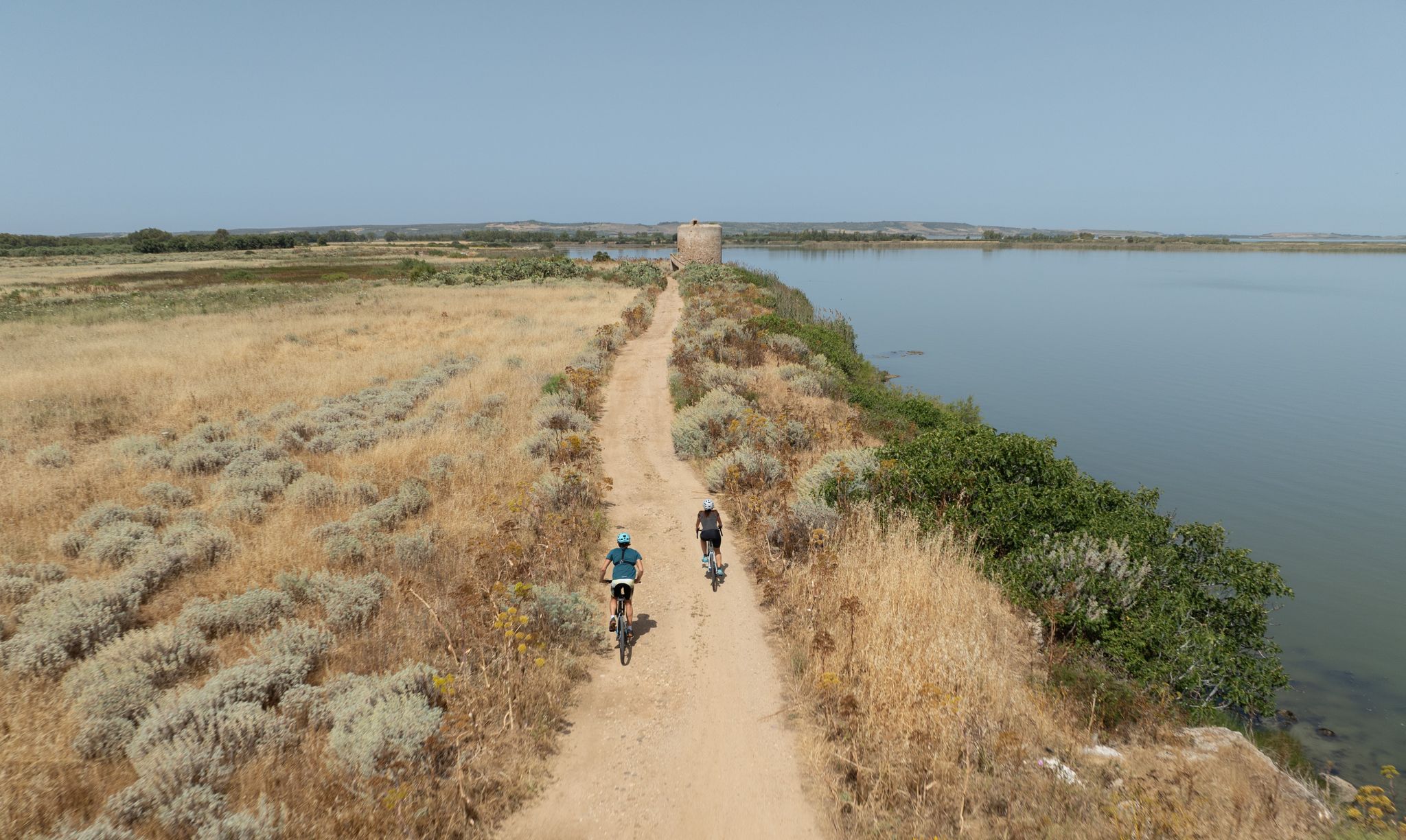
Gravel biking around Domunoas/Domusnovas offers diverse landscapes, from rugged mountains and rolling hills to unpaved old mining tracks and quiet mountain trails. The region is characterized by significant geological formations, including natural caves and the varied terrain of the Monte Linas-Oridda-Marganai Complex. Cyclists can explore historical mining areas, where many abandoned tracks have been repurposed into routes, providing unique pathways through natural settings. This varied topography ensures a wide range of routes suitable for different abilities.
Best no traffic gravel…
Last updated: November 13, 2026
5.0
(1)
14
riders
90.5km
06:38
1,210m
1,210m
Hard gravel ride. Very good fitness required. Mostly paved surfaces.
5.0
(3)
18
riders
72.6km
04:46
1,160m
1,160m
Hard gravel ride. Very good fitness required. Mostly paved surfaces.

10
riders
61.4km
04:28
1,100m
1,100m
Hard gravel ride. Very good fitness required. Mostly paved surfaces.
4.0
(1)
10
riders
49.9km
03:44
900m
910m
Hard gravel ride. Very good fitness required. Mostly paved surfaces.
3
riders
Moderate gravel ride. Good fitness required. Mostly paved surfaces.
Our route recommendations are based on thousands of hikes, rides, and runs completed by other people on komoot.
Start today with a free account
Your next adventure awaits.




Tips from the Community

The Pozzo Gal mining site is named after Paul Gal, Chairman of the Board of Directors of Penarroya, a French multinational company that owned the Pertusola mines in Italy in the 1920s. Today, the mining site has been restored thanks to the intervention of the Municipality of Arbus and houses a multimedia museum.
0
0

Beautifully painted house on a small square with a fountain.
0
0

Established in the early decades of the 20th century, the village still retains valuable buildings such as the church, the school, and the mine management building, as well as evidence of industrial archaeology such as the Zimmermann shaft structure and the compressor room. The village also has a grocery store, open Monday through Friday from 8:00 a.m. to 1:00 p.m. and from 5:30 p.m. to 8:00 p.m., and on Sunday mornings from 8:30 a.m. to 12:30 p.m. Not far from the church, you'll also find a fountain where you can fill your water bottles.
0
0
Iglesiente, the region at the center of the Sardinian mining epic and of which it is the capital, derives its name. It has a population of 27,000 and is the episcopal see and heir to the ancient diocese of Sulcis. Iglesias means "churches" in Spanish. It is no coincidence that in a city with a glorious past, especially under Catalan-Aragonese rule (when it was a royal city), the celebrations surrounding the Good Friday customs stand out, recalling Spanish customs in form and color. The mystery processions on Holy Tuesday and Holy Friday are particularly impressive. Among the churches, the Cathedral of Santa Chiara (dating back to the 13th century), the churches of Madonna delle Grazie, Del Collegio, a Jesuit temple, and San Francesco, one of Sardinia's best-preserved and most important buildings in the Gothic-Catalan style, which houses an altarpiece dating back to 1560, are particularly worth seeing.
0
0
Built in the early 1900s and named after Lord Thomas Allnutt Brassey, the Naracauli Washery processed blende, the mineral from which zinc was extracted. Connected to the Gennamari and Ingurtosu mines by funiculars and railways, it was one of Sardinia's main mining facilities for decades. Dismantled in the 1970s, today its monumental remains—immersed in the landscape of the Costa Verde—are one of the most iconic images of the Sardinian Geomineral Park.
0
0

Frequently Asked Questions
How many no-traffic gravel bike trails are available around Domusnovas?
This guide features 4 dedicated no-traffic gravel bike trails around Domusnovas, offering a diverse range of experiences from moderate to difficult. The region is known for its extensive network of unpaved roads and old mining tracks, perfect for gravel biking away from traffic.
Are there any family-friendly or beginner-suitable no-traffic gravel bike routes in Domusnovas?
While many routes in the Domusnovas area can be challenging, there are options suitable for those looking for a moderate experience. For example, the Artificial Lake – Barega Mine loop from Iglesias is rated as moderate, covering 24.95 km with 350 meters of elevation gain, making it a good choice for those with some experience or families looking for a longer, less strenuous ride.
What kind of terrain can I expect on the no-traffic gravel bike trails around Domusnovas?
The no-traffic gravel bike trails around Domusnovas offer a rich variety of terrain. You'll encounter old mining tracks, quiet mountain trails, and unpaved roads winding through diverse landscapes. These include rugged mountains, rolling hills, and forested areas, often with remnants of the region's mining history providing unique historical context.
What are some scenic viewpoints or natural attractions I can see along these routes?
Many routes offer stunning views and pass by significant natural features. You might encounter dramatic geological formations, such as those near the famous San Giovanni Cave, or the lush landscapes of the Monte Linas-Oridda-Marganai Complex. The region is also home to gorges like Oridda Gorge and waterfalls such as Piscina Irgas Waterfall, offering beautiful natural sights.
Are there any circular no-traffic gravel bike routes available?
Yes, several of the no-traffic gravel bike routes around Domusnovas are designed as loops, allowing you to start and end at the same point. Examples include the challenging Red River Crossing – Piscinas Dunes loop from Gonnos/Gonnosfanadiga or the moderate Quintino Sella Square – Sa Reina monumental olive tree loop from Iglesias.
What is the best time of year to go gravel biking in Domusnovas?
Sardinia, including the Domusnovas area, generally offers pleasant conditions for gravel biking outside of the peak summer heat. Spring (April-May) and Autumn (September-October) are often ideal, with milder temperatures and beautiful scenery. Winter can also be suitable, though some higher elevation trails might be cooler or subject to more variable weather.
Where can I find parking for these no-traffic gravel bike trails?
Many of the routes start from towns or villages like Iglesias or Gonnosfanadiga, where public parking is typically available. For instance, the Quintino Sella Square – Sa Reina monumental olive tree loop from Iglesias starts directly from Iglesias, making it convenient to find parking nearby.
What do other gravel bikers enjoy most about gravel biking in Domusnovas?
The area is highly rated by the komoot community, with an average score of 4.67 stars. Reviewers often praise the unique experience of exploring historical mining landscapes combined with the stunning natural beauty, all while enjoying the peace of traffic-free routes.
Are there any advanced or challenging no-traffic gravel bike routes?
Absolutely. For experienced gravel bikers seeking a challenge, routes like the Arenas Mining Complex – Tinnì Mining Area loop from San Benedetto offer significant distances (53.38 km) and considerable elevation gain (over 1000 meters), taking you through rugged terrain and historical mining areas.
Can I explore the region's mining history on these gravel bike trails?
Yes, the Sulcis-Iglesiente region has a rich mining heritage, and many gravel bike trails utilize old mining tracks and railway lines. Routes like the Arenas Mining Complex – Tinnì Mining Area loop from San Benedetto or the Old Railway of Iglesias – Piazza Sella, Iglesias loop from Iglesias allow you to cycle through these historical landscapes, offering a unique blend of nature and industrial archaeology.
Most popular routes around Domunoas/Domusnovas
Most popular attractions around Domunoas/Domusnovas

Get inspired with the komoot mobile app


Explore more
Browse the best Gravel rides in other regions.
