The best traffic-free bike rides around Bertiolo
4.4
(147)
2,509
riders
10
rides
No traffic road cycling routes around Bertiolo are characterized by the flat to gently rolling terrain of the Friuli Venezia Giulia region in Italy. The landscape features extensive vineyards and ancient trees, providing scenic backdrops for rides. The area is also influenced by the Stella River, which contributes to the tranquil natural surroundings. Cyclists can expect mostly paved surfaces, with minimal elevation gain on many routes.
Best no traffic road cycling routes around Bertiolo
- The most popular no traffic road…
Last updated: October 3, 2026
20
riders
Moderate road ride. Good fitness required. Mostly well-paved surfaces and easy to ride.
4.8
(4)
11
riders
21.9km
00:54
30m
30m
Easy road ride. Great for any fitness level. Mostly well-paved surfaces and easy to ride.

4.7
(3)
10
riders
Easy road ride. Great for any fitness level. Mostly well-paved surfaces and easy to ride.
5.0
(1)
4
riders
Easy road ride. Great for any fitness level. Mostly well-paved surfaces and easy to ride.
6
riders
Moderate road ride. Good fitness required. Mostly well-paved surfaces and easy to ride.
Get access to more routes and recommendations from other explorers.
Already have an account?
Our route recommendations are based on thousands of hikes, rides, and runs completed by other people on komoot.

Tips from the Community

Codroipo is an Italian municipality located in Friuli-Venezia Giulia, known for being the lively capital of Medio Friuli. Its name derives from the Latin quadrivium (road intersection), due to its historic strategic position at the intersection of important Roman roads such as the Via Postumia and the Via Julia Augusta.
1
0

Some images of Codroipo. https://it.wikipedia.org/wiki/Codroipo
22
1

The medieval mill has been known since 1405, when it supplied food to the Serenissima, the Republic of Venice, and the Abbey of Sesto. In 1968, the mill burned down and was acquired by the Del Negro family. The challenge was to renovate the mill while preserving its original layout and structure. The "Al Molino" restaurant then opened in 1985. The mill and restaurant are nestled in nature and bathed by the fresh, crystal-clear waters of the surrounding karst springs of the "Linea delle Risorgive."
1
0
Villa Kechler was probably built at the end of the 16th century by the powerful Manin family. It was sold in the middle of the following century to complete the far more ambitious project of Villa di Passariano. The village of San Martino slowly grew around the villa. In the 19th century, the villa was acquired by the Kechler family, who then decided to open a silk mill in the western barchessa. The villa consists of a central section with a large Venetian-style manor house featuring a central hall, four side rooms, a double staircase, and three central windows in the center of the façade. Two lower buildings are located on either side. Two long, completely independent red barns (barchesse) line the large garden decorated with neoclassical statues, while the extensive park extends behind the house to the north. In 1975, the villa was remodeled and restored by the architect Edgardo Pinto Guerra, allowing it to be divided into two independent living units for two small families of the same extended family.
1
0
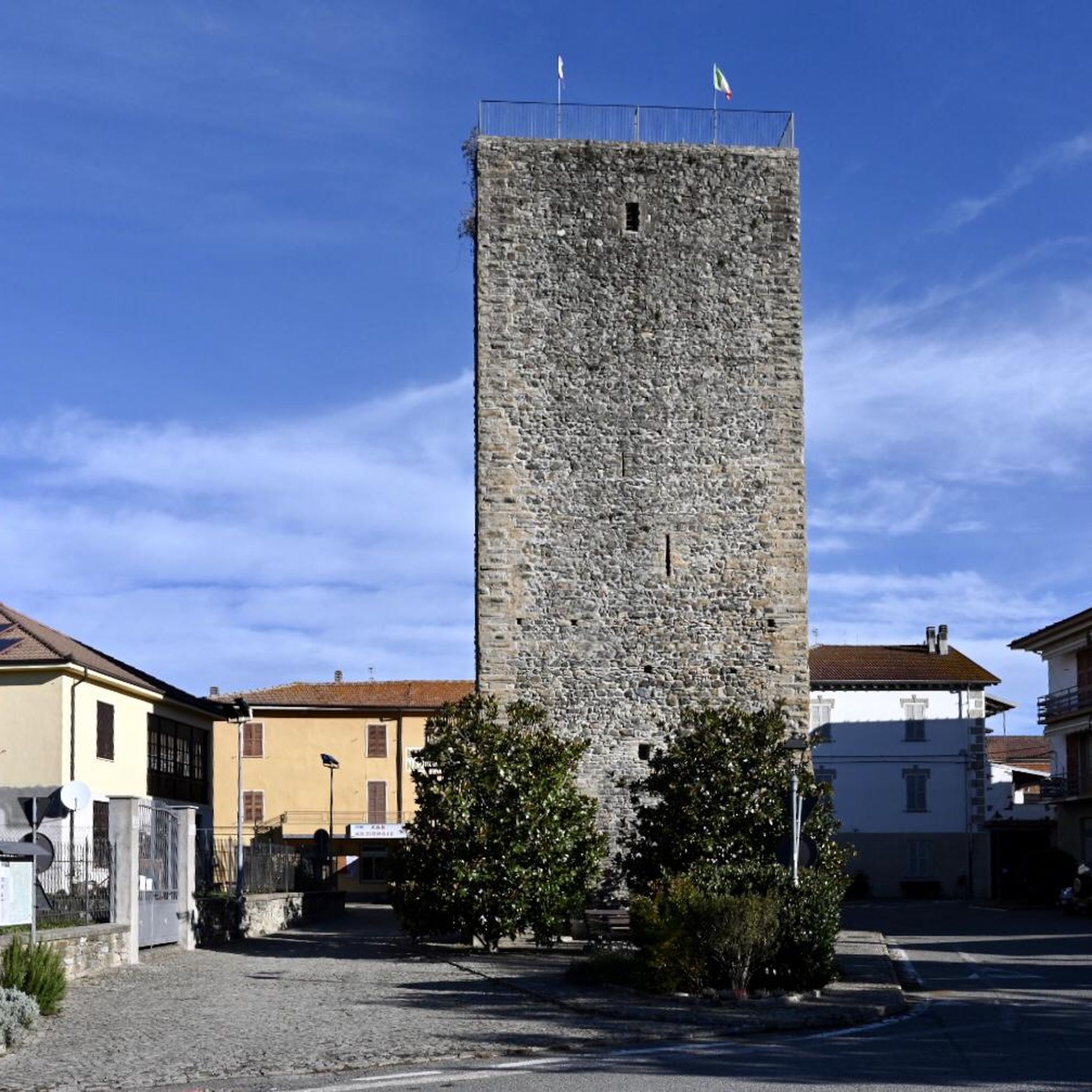
A beautifully preserved medieval castle perched on a small hill. The buildings adjacent to the castle also reflect the Middle Ages very well. A visit is like a journey back in time.
0
0


The Castello d'Arcano Superiore, magnificently preserved and still inhabited, still has something magical about it today due to the isolated site where it was built. It originally stood near the small church of San Mauro, on the banks of the Corno. For defensive and strategic reasons, it was later rebuilt in the place where it still stands today. The structural expansions probably date back to the 13th century. It is certain that from the 12th century it belonged to the Tricano family, hereditary marshals and gonfalonieri of the Patriarch of Aquileia. The castle still presents its suggestive medieval appearance today, with the crenellated Guelph curtain walls, the characteristic double tower and the mighty keep with, at the top, an elegant row of late Romanesque mullioned windows. Inside there is a small room frescoed by Andrea Urbani and various rooms with fireplaces and portals created by Raffaello de' Raffaelli. Info and visits Castle can be visited internally for groups through the visit office of the Consortium for the Safeguarding of the Historic Castles of Friuli Venezia Giulia. Curiosity Castle d'Arcano was the scene of a mysterious event that occurred in the 17th century, which saw Francesco d'Arcano stab his wife to death out of jealousy, who was found walled up at the beginning of the 20th century during restoration work. www.consorziocastelli.it
2
0
The Castello d'Arcano Superiore, magnificently preserved and still inhabited, still has something magical about it today due to the isolated site where it was built. It originally stood near the small church of San Mauro, on the banks of the Corno. For defensive and strategic reasons it was later rebuilt in the place where it still stands today. The structural expansions probably date back to the 13th century. It is certain that from the 12th century it belonged to the Tricano family, hereditary marshals and gonfalonieri of the Patriarch of Aquileia. The castle still presents its suggestive medieval appearance today, with the crenellated Guelph curtains, the characteristic double tower and the mighty keep with, at the top, an elegant row of late Romanesque mullioned windows. Inside there is a small room frescoed by Andrea Urbani and various rooms with fireplaces and portals created by Raffaello de' Raffaelli. Info and visits The castle can be visited internally for groups through the visit office of the Consortium for the Safeguarding of the Historic Castles of Friuli Venezia Giulia. Curiosity The Castello d'Arcano was the scene of a mysterious event that occurred in the 17th century, which saw Francesco d'Arcano stab his wife to death out of jealousy, who was found walled up at the beginning of the 20th century during restoration work. www.consorziocastelli.it
1
0
Frequently Asked Questions
How many no traffic road cycling routes are available around Bertiolo?
There are currently 11 curated no traffic road cycling routes around Bertiolo, offering a variety of experiences. These routes are designed to keep you away from heavy vehicle traffic, allowing for a more relaxed and enjoyable ride through the Friuli Venezia Giulia region.
What kind of terrain can I expect on these traffic-free road cycling routes?
The routes around Bertiolo primarily feature flat or gently rolling terrain, making them accessible for various skill levels. You'll find mostly paved surfaces, ideal for road bikes, winding through picturesque vineyards and past ancient trees, characteristic of the region's viticultural landscape.
Are there any easy, beginner-friendly no traffic road cycling routes?
Yes, Bertiolo offers several easy routes perfect for beginners or those looking for a relaxed ride. An excellent option is the Villa Manin – Villa Kechler loop from Codroipo, which is 21.8 km long with minimal elevation gain. Another easy choice is the Villa Manin – Villa Manin of Passariano loop from Camino al Tagliamento / Cjamin dal Tiliment, covering 19.1 km.
What are some scenic natural features or landmarks I can see along these routes?
The routes often pass through beautiful vineyards and alongside ancient trees, reflecting the area's rich viticultural tradition. You might encounter natural monuments like the Magnolia tree in Parco di Villa Ottelio or the tranquil Ariis river. The region is also home to the impressive Farnia di Sterpo, one of Italy's largest and oldest oak trees, estimated to be 500-600 years old.
Are there any longer or more challenging no traffic road cycling routes available?
For those seeking a longer and slightly more challenging ride, consider the Castello d'Arcano Superiore – Ascent to Colle dei Tigli loop from Bertiolo / Bertiûl. This moderate route spans nearly 60 km and includes a more significant elevation gain of around 286 meters, offering a good workout while still enjoying traffic-free sections.
Can I find circular no traffic road cycling routes around Bertiolo?
Yes, many of the routes around Bertiolo are circular, allowing you to start and end at the same point. For example, the Varmo Stream – Biauzzo Dirt Road loop from Camino al Tagliamento / Cjamin dal Tiliment is a moderate 34.5 km circular route. Another option is the easy Tree-lined Avenue of Marzinis – Varmo Stream loop from Camino al Tagliamento / Cjamin dal Tiliment, which is 17 km long.
What do other road cyclists say about the no traffic routes in Bertiolo?
The no traffic road cycling routes around Bertiolo are highly regarded by the komoot community, boasting an average rating of 4.4 out of 5 stars from over 130 reviews. Cyclists frequently praise the peaceful atmosphere, the beautiful vineyard scenery, and the well-maintained paved surfaces that make for a smooth and enjoyable ride away from cars.
Are there any historical sites or points of interest along these routes?
Absolutely. The region is rich in history. You can visit significant historical sites like Villa Manin, a grand Venetian villa, or the charming Villa Kechler. Some routes also follow parts of the ancient Roman Via Postumia, offering a glimpse into the area's past.
What is the typical duration and distance for these traffic-free road cycling routes?
The routes vary in length and duration to suit different preferences. You can find shorter, easy rides like the Villa Manin – Villa Manin of Passariano loop, which is about 19 km and takes around 45-50 minutes. Longer, moderate routes, such as the Castello d'Arcano Superiore loop, can extend to nearly 60 km and take over 2.5 hours to complete.
Are there any waterfalls or unique natural water features to see?
While Bertiolo itself is known for its flat terrain and rivers like the Stella, the broader Friuli Venezia Giulia region offers stunning natural water features. Nearby, you can find the Waterfall on the Cormor River, which is a notable highlight. The Parco delle Risorgive di Codroipo also offers beautiful spring-fed landscapes.
Are these no traffic road cycling routes suitable for families with children?
Many of the easy, flat, and traffic-free routes around Bertiolo are well-suited for families. The predominantly paved surfaces and minimal elevation changes provide a safe and enjoyable environment for children to cycle. Routes like the Villa Manin – Villa Kechler loop are particularly good options for a family outing.
Most popular attractions around Bertiolo

Get inspired with the komoot mobile app


Explore more
Browse the best Road cycling routes in other regions.
