The best hikes from bus stations in Schweizerischer National Park
4.6
(5043)
41,145
hikers
15
hikes
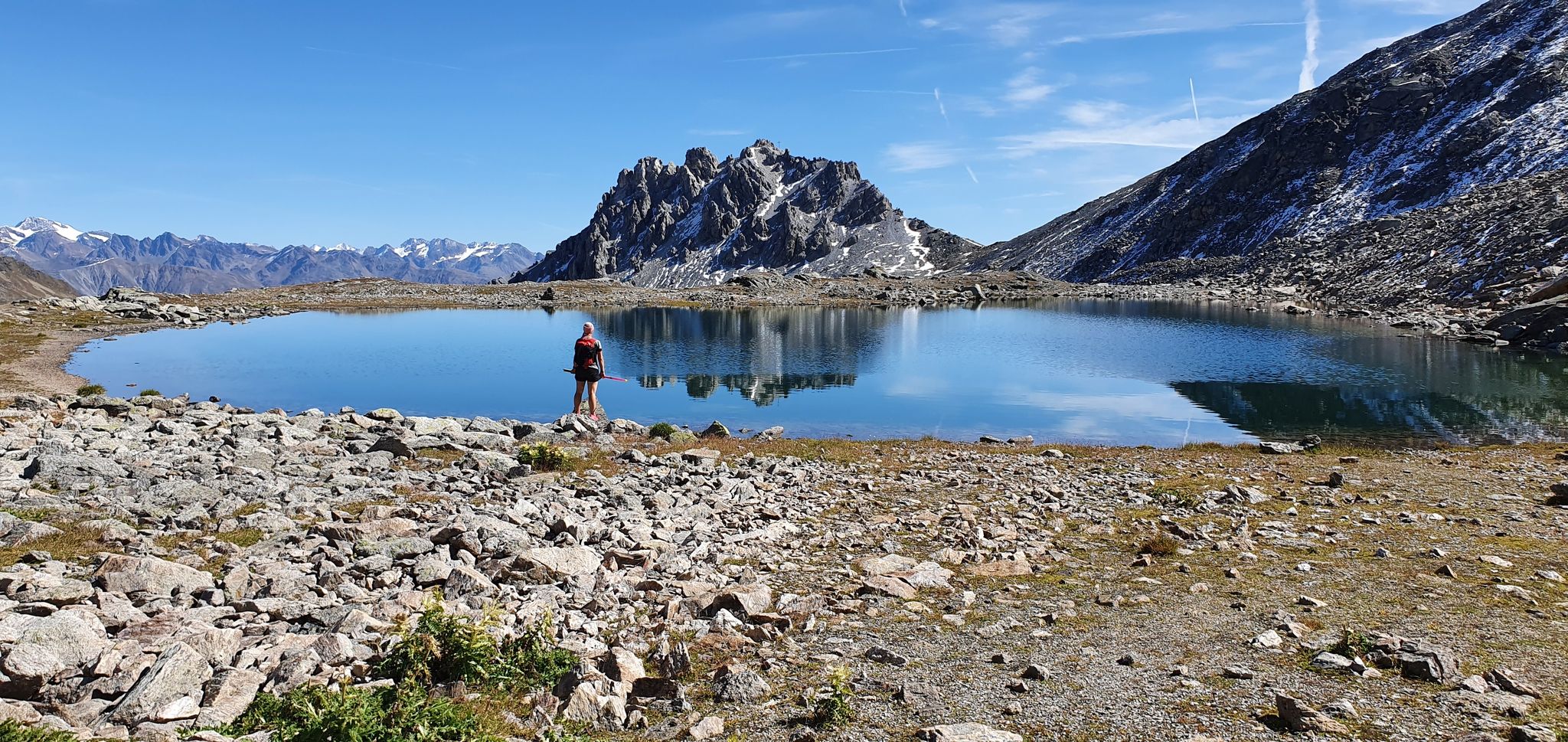
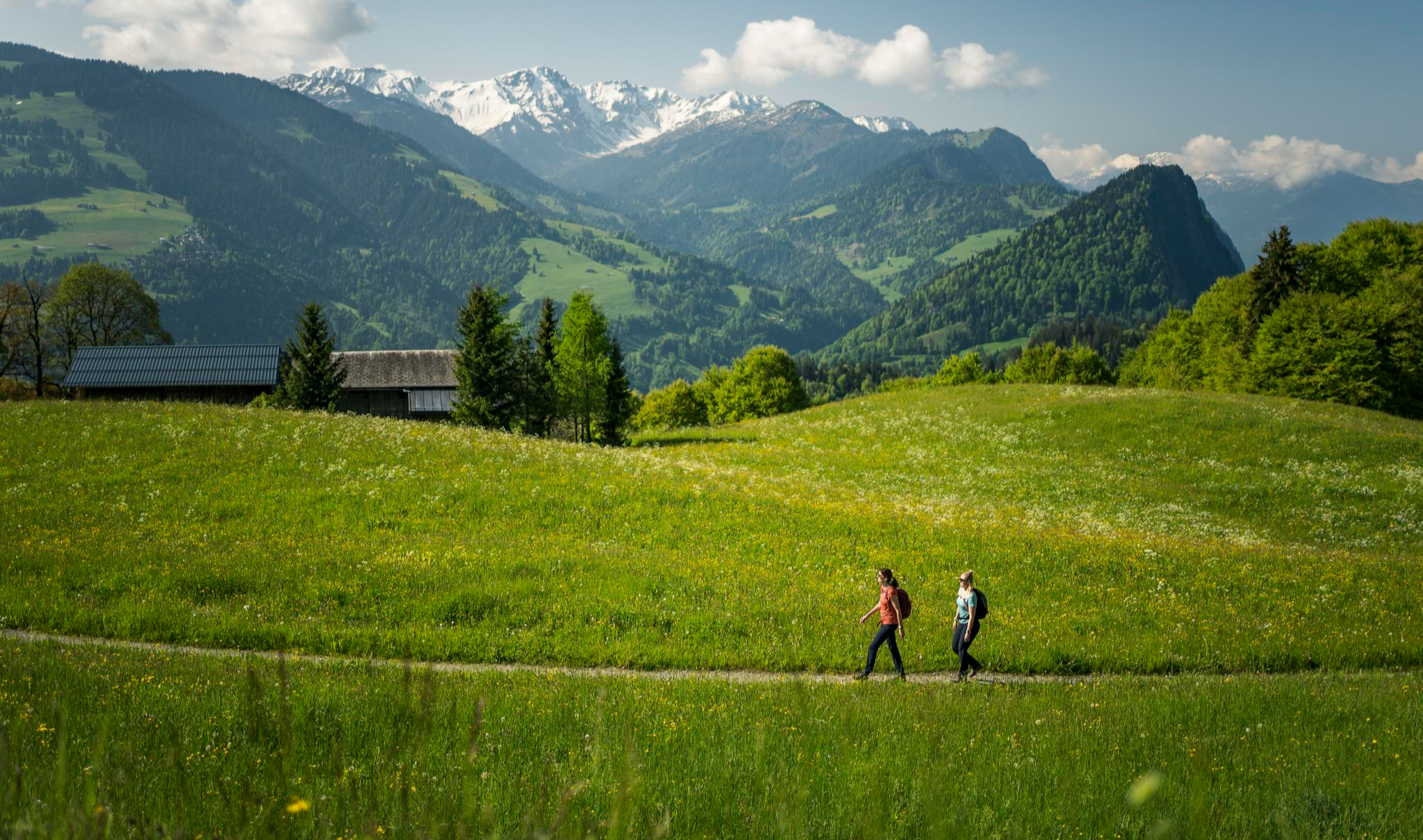
Bus station hiking trails in Schweizerischer Nationalpark traverse a landscape characterized by towering alpine peaks, deep U-shaped valleys, and diverse geological formations. The region features a mix of lush forests, expansive alpine meadows, and rugged rocky terrain, shaped by ancient glaciers. Elevations range significantly, offering varied environments from lower valleys to high-alpine plateaus. Crystal-clear streams and glacial lakes are common features throughout the park.
Best bus station hiking trails in Schweizerischer Nationalpark
- The most popular bus station hiking route is…
Last updated: October 3, 2026
4.8
(161)
1,125
hikers
7.84km
02:47
440m
520m
Moderate hike. Good fitness required. Easily-accessible paths. Suitable for all skill levels.
4.9
(140)
873
hikers
12.8km
05:23
640m
820m
Hard hike. Very good fitness required. Mostly accessible paths. Sure-footedness required.

4.9
(139)
869
hikers
12.7km
05:25
650m
820m
Hard hike. Very good fitness required. Mostly accessible paths. Sure-footedness required.
4.6
(82)
526
hikers
6.03km
02:26
270m
270m
Hike the moderate 3.7-mile Grimmels trail in Swiss National Park, offering forest paths, meadows, and panoramic views from Grimmels Viewpoin
4.6
(46)
229
hikers
7.57km
02:53
260m
300m
Moderate hike. Good fitness required. Mostly accessible paths. Sure-footedness required.
Get access to more routes and recommendations from other explorers.
Already have an account?
Our route recommendations are based on thousands of hikes, rides, and runs completed by other people on komoot.
Start today with a free account
Your next adventure awaits.
Other adventures in Schweizerischer National Park


Tips from the Community

The Buffalora Hüttli is unfortunately no longer what it used to be. In the past, this place was something very special, not only because of its beautiful location, but above all because of the warm family who ran the Hüttli with great passion and dedication. You felt welcome, almost like among friends. Today, precisely this feeling is missing. The familiar atmosphere that characterized the Buffalora Hüttli for many years is unfortunately no longer palpable. It feels different, more impersonal, and thus loses a large part of its original charm. It's a shame that the nice family who made this place so special is no longer here. For many, the Buffalora Hüttli will therefore no longer be the same as it was before.
1
0


The food was overpriced (but good) and the service was unfriendly.
0
0

Excellent cuisine, not exactly cheap, but worth every penny. A starting point for numerous hikes.
0
0

The pasture, which was used as a cattle pasture until 1919, is now an important research site and a popular tourist destination near the Ofenpass road. Reforestation has not yet taken place, and the reasons are being investigated. Marmot colony. The founders of the national park assumed that the forest would spread to the open area within a century. We now know that such a process takes hundreds of years. The mountain pine forest can only spread if there are open spaces in the herbaceous layer that are hardly used by other plants. Such places that are favorable for mountain pine seedlings are caused by erosion processes, game migration or the scratching of red deer. The marmot colony on Stabelchod is probably one of the best known and always delights guests.
7
0

The Hotel Parc Naziunal - Il Fuorn is idyllically located in the Swiss National Park and offers 37 rooms for overnight stays. The restaurant serves fine, local menus. Directly opposite the hotel is car park P6, which is the starting or ending point for some hiking routes. Also located at the hotel is the Il Fuorn P6 bus stop, which is served by the bus line between the National Park and the nearest town, Zernez.
1
1
In the beautiful wooden shed of the Buffalora Hüttli you can buy fresh milk directly from the Alp.
3
0
The Val Spöl is a rather shady and deliberately wild side valley in the Swiss National Park. It is less busy than other hiking routes and is therefore ideal for quiet hours of hiking.
1
0
Frequently Asked Questions
How many bus-accessible hiking trails are available in Schweizerischer Nationalpark?
There are over 10 bus-accessible hiking trails featured in this guide for Schweizerischer Nationalpark. These routes offer a convenient way to explore the park's pristine alpine wilderness and diverse landscapes without needing a car.
What are the typical difficulty levels for bus station hikes in the park?
The bus-accessible trails in Schweizerischer Nationalpark cater to various fitness levels. This guide includes 1 easy route, 8 moderate routes, and 5 difficult routes. The park itself categorizes trails as yellow (regular), red (mountain), and blue (technical), so you can find options from gentle walks to more strenuous treks.
Are there any circular hiking routes that start and end at a bus stop?
Yes, there are circular options available. For example, the Grimmels Loop Trail is a moderate circular hike that can be accessed from a bus stop, allowing you to return to your starting point without retracing your steps.
What is the best time of year to hike from bus stations in Schweizerischer Nationalpark?
The best time to visit for hiking is typically from late spring to early autumn (June to October). During these months, trails are generally free of snow, wildflowers are in bloom, and wildlife is active. Always check current weather and trail conditions before heading out, as alpine weather can change rapidly.
Can I bring my dog on these bus-accessible hiking trails?
No, dogs are generally not permitted on trails within the Schweizerischer Nationalpark due to its strict conservation policies aimed at protecting wildlife. Visitors must always remain on marked paths, and pets are not allowed to ensure the undisturbed flourishing of nature.
Are there family-friendly hiking options accessible by bus?
Yes, the park offers family-friendly options. While specific routes in this guide might vary, the park is known for trails like the Champlönch children's trail, which provides engaging learning experiences. Look for routes categorized as 'easy' or 'yellow' for more suitable family outings, such as those in Val Trupchun, known for wildlife observation and gradual paths.
What kind of natural features or viewpoints can I expect to see?
The park boasts dramatic landscapes. You can expect to see towering peaks, deep valleys, crystal-clear streams like Ova dal Fuorn, and diverse ecosystems ranging from lush alpine meadows to rugged rocky terrain. Notable viewpoints include Margunet, offering panoramic vistas, and geological formations shaped by ancient glaciers.
What wildlife might I encounter on these trails?
Schweizerischer Nationalpark is renowned for its rich biodiversity. Keep an eye out for iconic alpine animals such as Ibex, Chamois, Marmots (often seen at Stabelchod), and Red Deer, especially during the autumn rutting season. Birds of prey like bearded vultures and golden eagles can also be spotted soaring above.
Are there any specific points of interest or attractions along these bus-accessible routes?
Yes, many routes offer access to unique points of interest. You might pass by the Alp Stabelchod Cabin, cross a Wooden Bridge Over the Stream, or see the unique Dschombrina Rock Formations. For longer hikes, the Chamanna Cluozza mountain hut provides the only overnight accommodation within the park.
Can you recommend a moderate bus-accessible hike?
A great moderate option is the Margunet - Swiss National Park route. It offers a rewarding experience with varied terrain and beautiful views, accessible directly from a bus stop.
What about a more challenging bus-accessible hike?
For experienced hikers seeking a challenge, the Munt la Schera - Swiss National Park route is an excellent choice. This difficult trail involves significant elevation changes and offers spectacular alpine scenery, starting conveniently from a bus stop.
What should I wear and bring for hiking in Schweizerischer Nationalpark?
Given the alpine environment, sturdy hiking boots are essential. Layers of clothing are recommended as weather conditions can change quickly, even in summer. Always carry rain gear, sufficient water, snacks, a map, and a first-aid kit. Sun protection (hat, sunglasses, sunscreen) is also crucial at higher altitudes.
Where can I find more information about the Schweizerischer Nationalpark's rules and regulations?
For detailed information on park rules, conservation efforts, and visitor guidelines, it is best to consult the official website of the park: nationalpark.ch. Adhering to these rules helps protect this unique natural environment.
Most popular routes in Schweizerischer National Park
Most popular attractions in Schweizerischer National Park

Get inspired with the komoot mobile app


Explore more
Browse the best Hikes in other regions.
