The best city hikes and walks in South Downs
4.6
(10930)
77,597
hikers
23
hikes
Urban hiking trails in South Downs offer diverse experiences across rolling chalk hills, river valleys, and ancient woodlands, often connecting charming towns and villages. The region is characterized by its accessible natural features, including sections of the River Ouse and historic landmarks like Arundel Castle. These paths provide opportunities to explore both the built heritage and the natural beauty of the National Park.
Best urban hiking trails in South Downs
- The most popular urban hiking route is Lewes Priory Ruins…
Last updated: November 13, 2026
4.6
(9)
94
hikers
6.01km
01:33
30m
30m
Easy hike. Easily walkable paths.
4.0
(1)
48
hikers
3.28km
00:50
10m
10m
Easy hike. Easily walkable paths.

5.0
(2)
13
hikers
6.72km
01:44
30m
30m
Easy hike. Easily walkable paths.
6
hikers
Easy hike. Easily walkable paths.
8
hikers
2.04km
00:33
30m
30m
Easy hike. Easily walkable paths.
Get access to more routes and recommendations from other explorers.
Already have an account?
Our route recommendations are based on thousands of hikes, rides, and runs completed by other people on komoot.
Start today with a free account
Your next adventure awaits.
Popular around South Downs
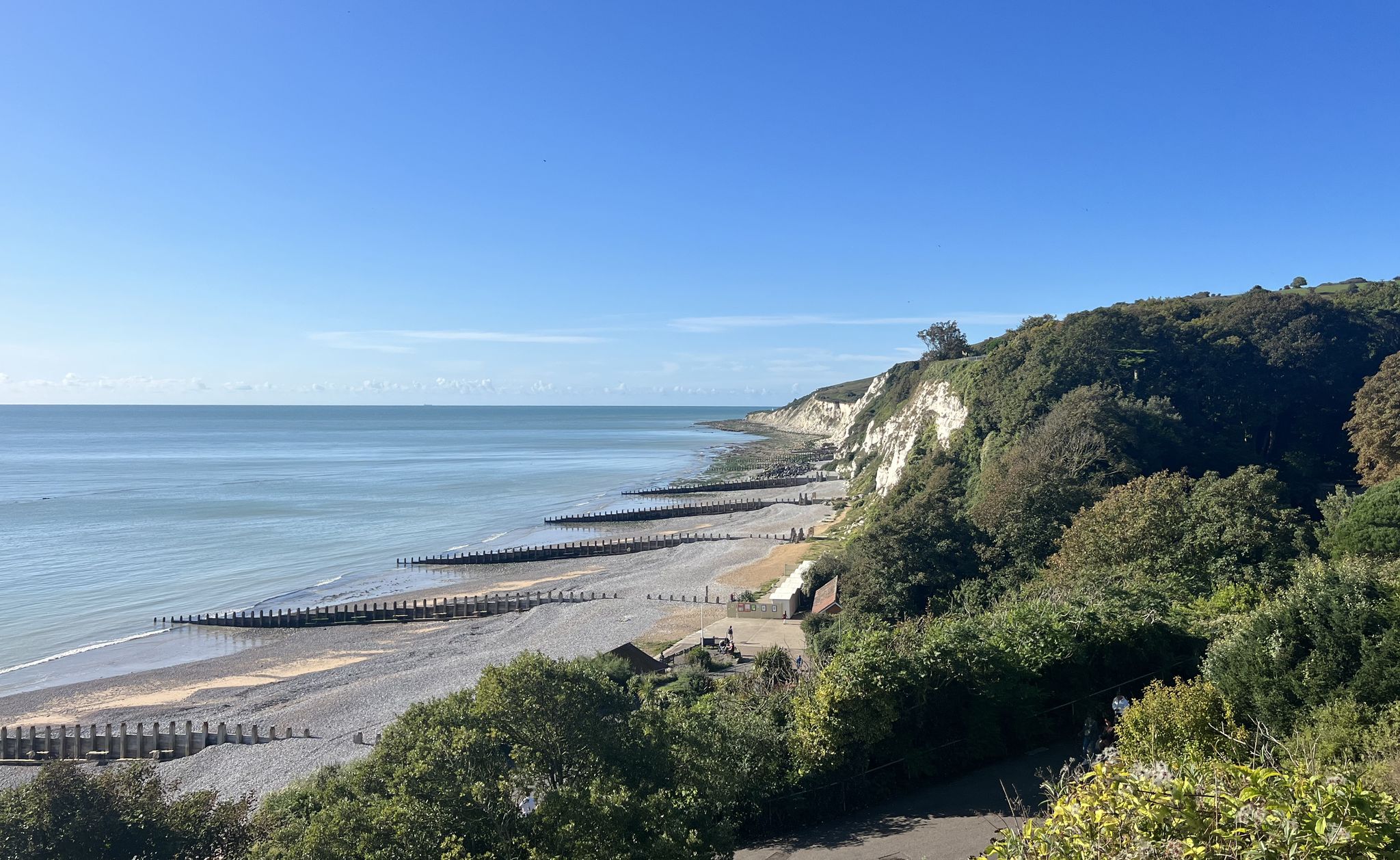
South Downs National Park – A Walk in the Parks
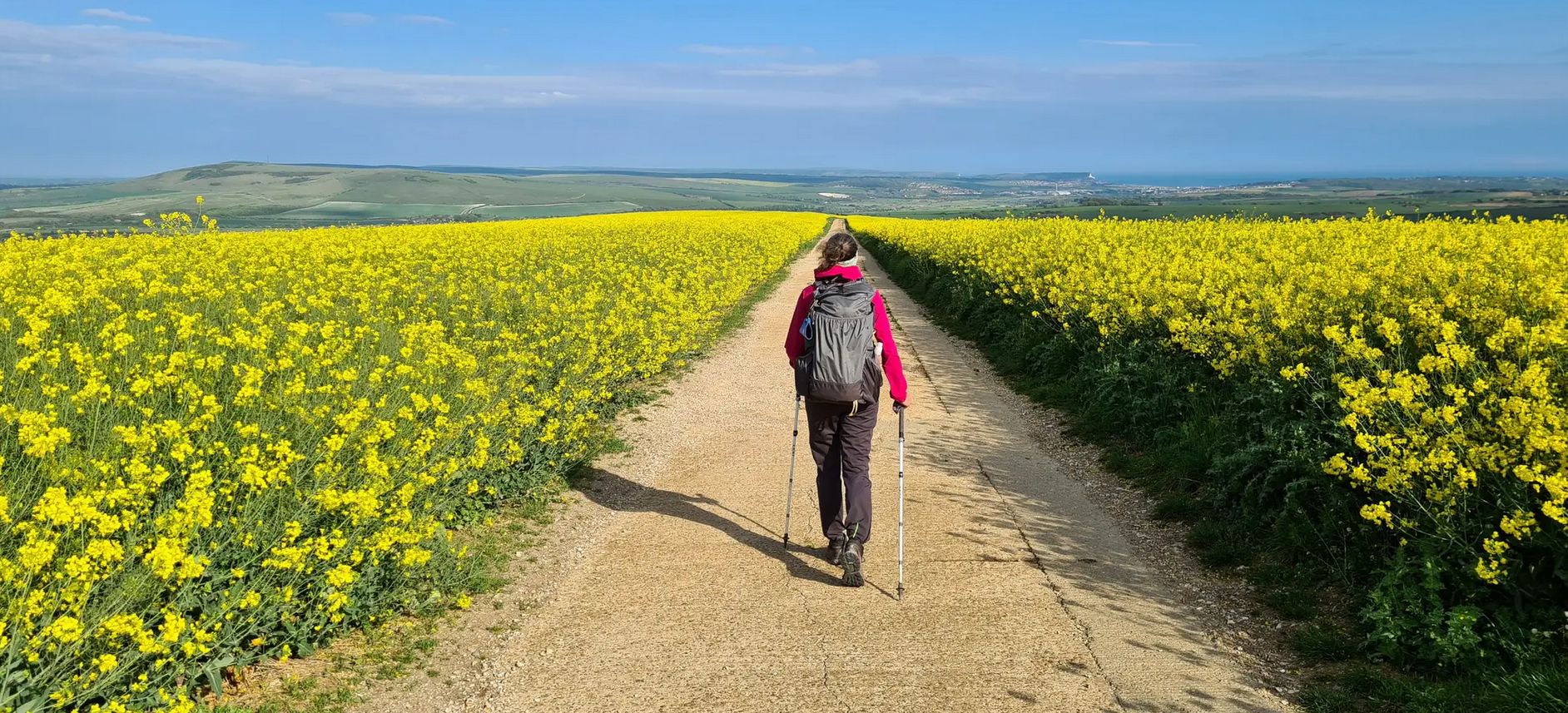
South Downs Way – A captivating hike across Southern England
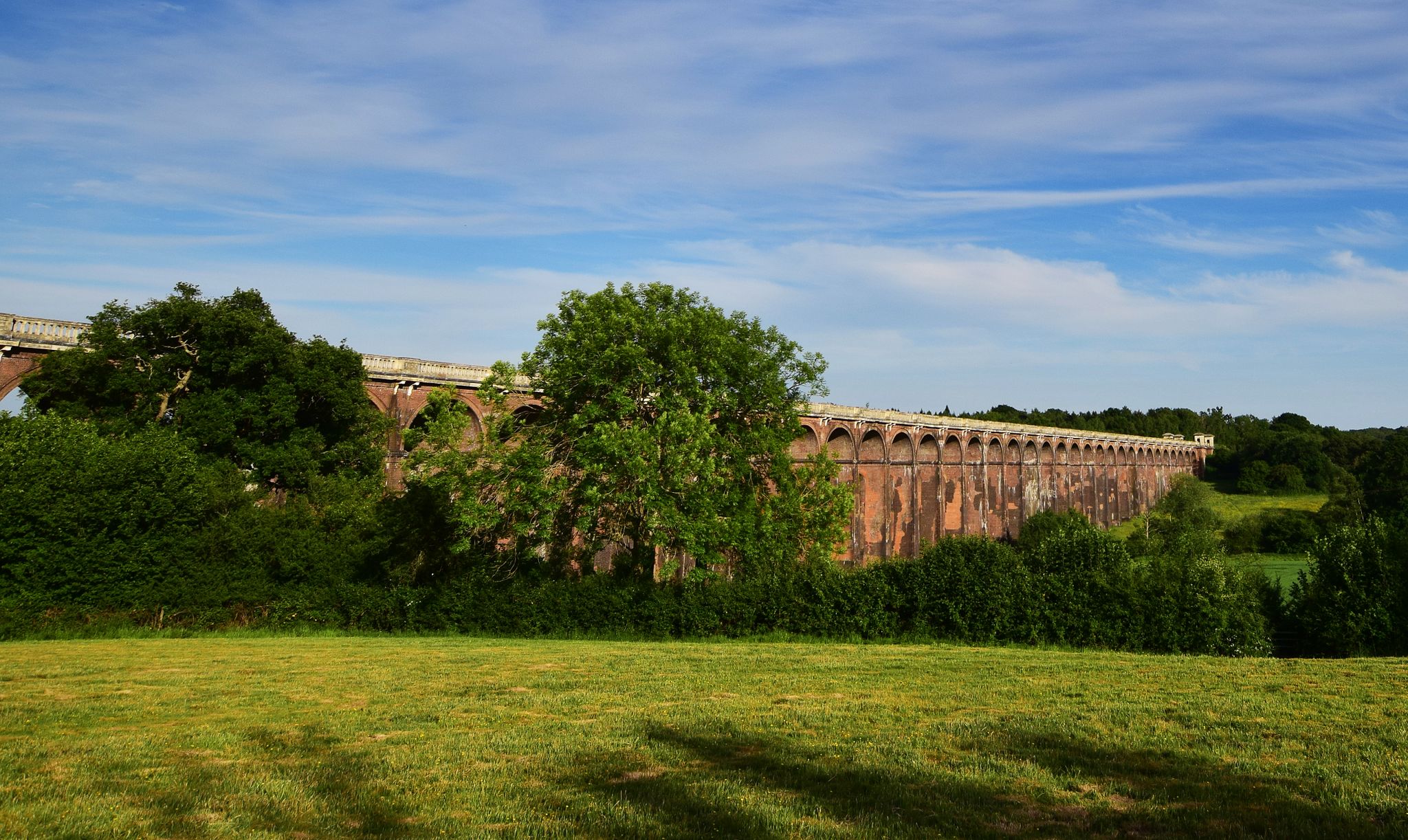
Sussex Ouse Valley Way — From the High Weald to the South Downs
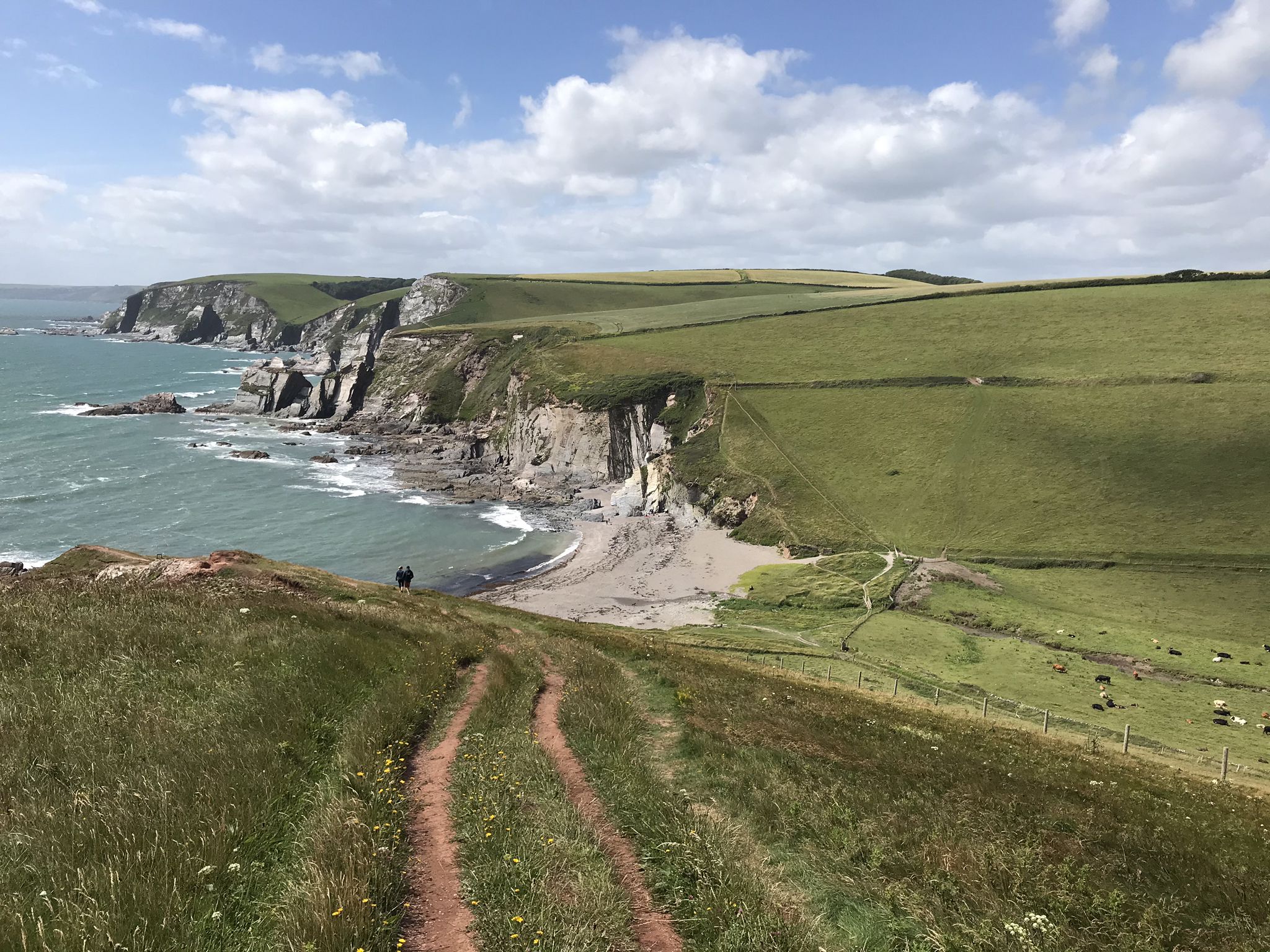
E9 Plymouth to Dover — An epic exploration of England's south coast
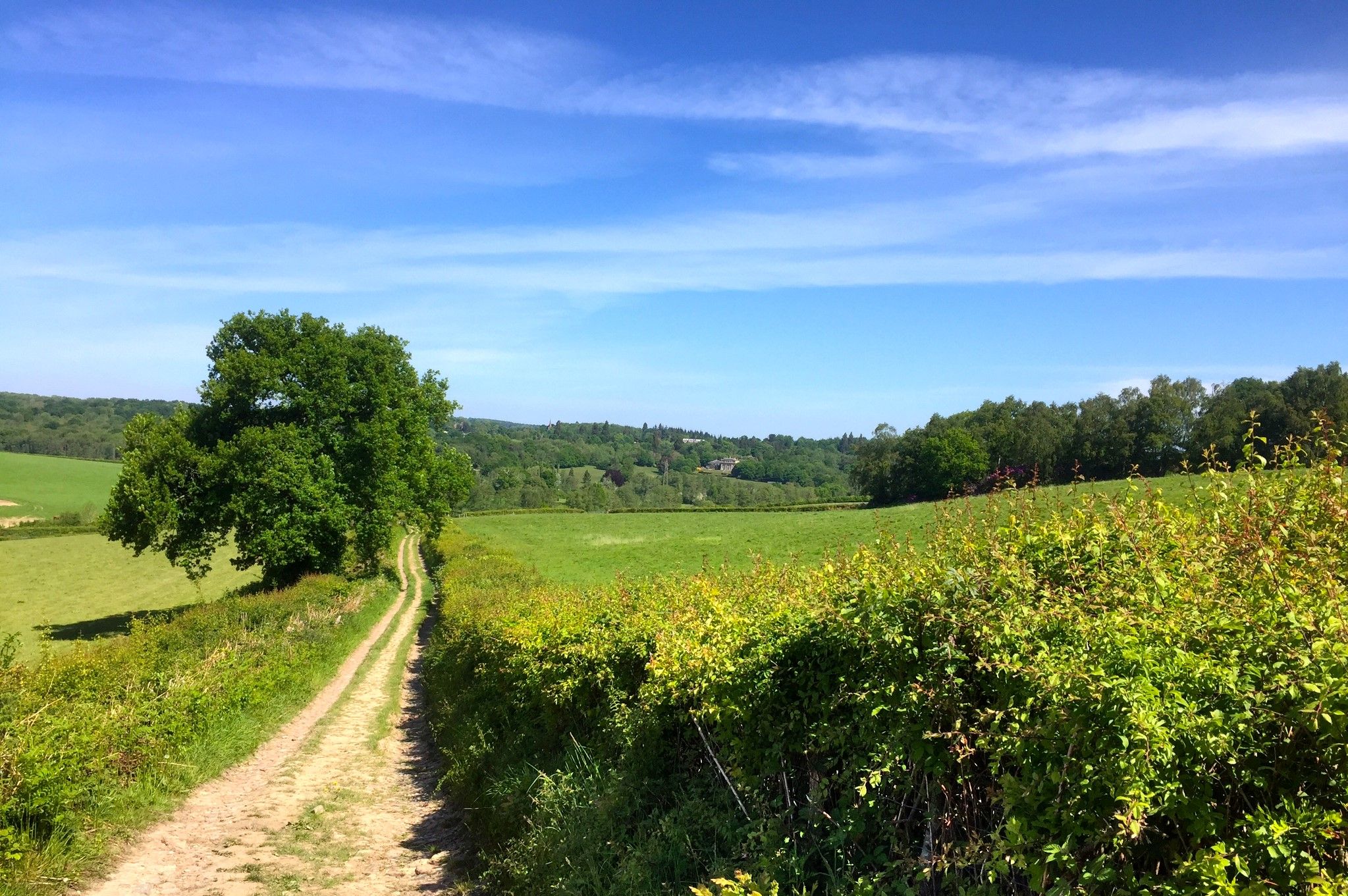
Vanguard Way – Hike some of the finest countryside in the South East
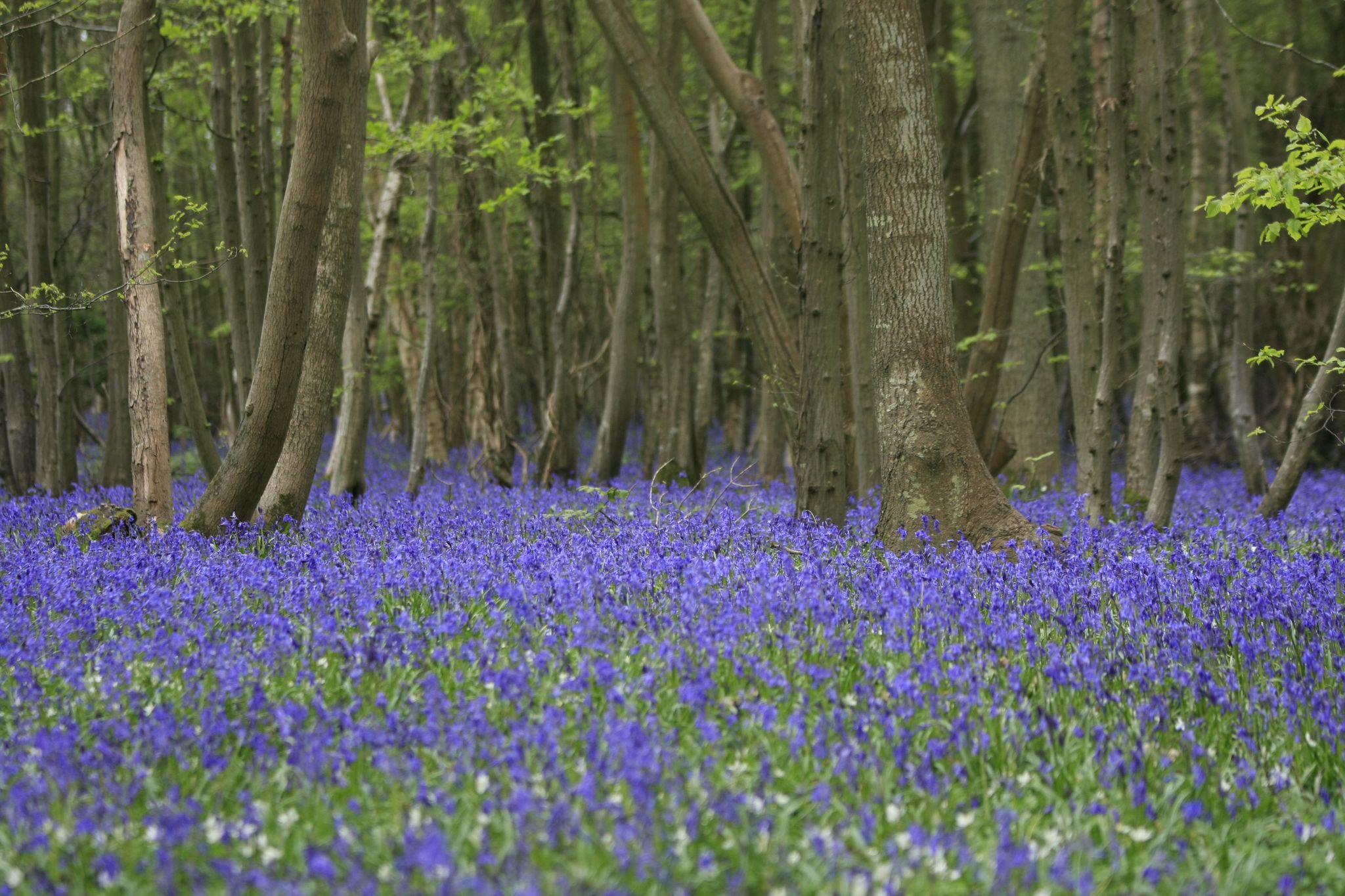
Wealdway — Hike up hill and down dale in rural South East England
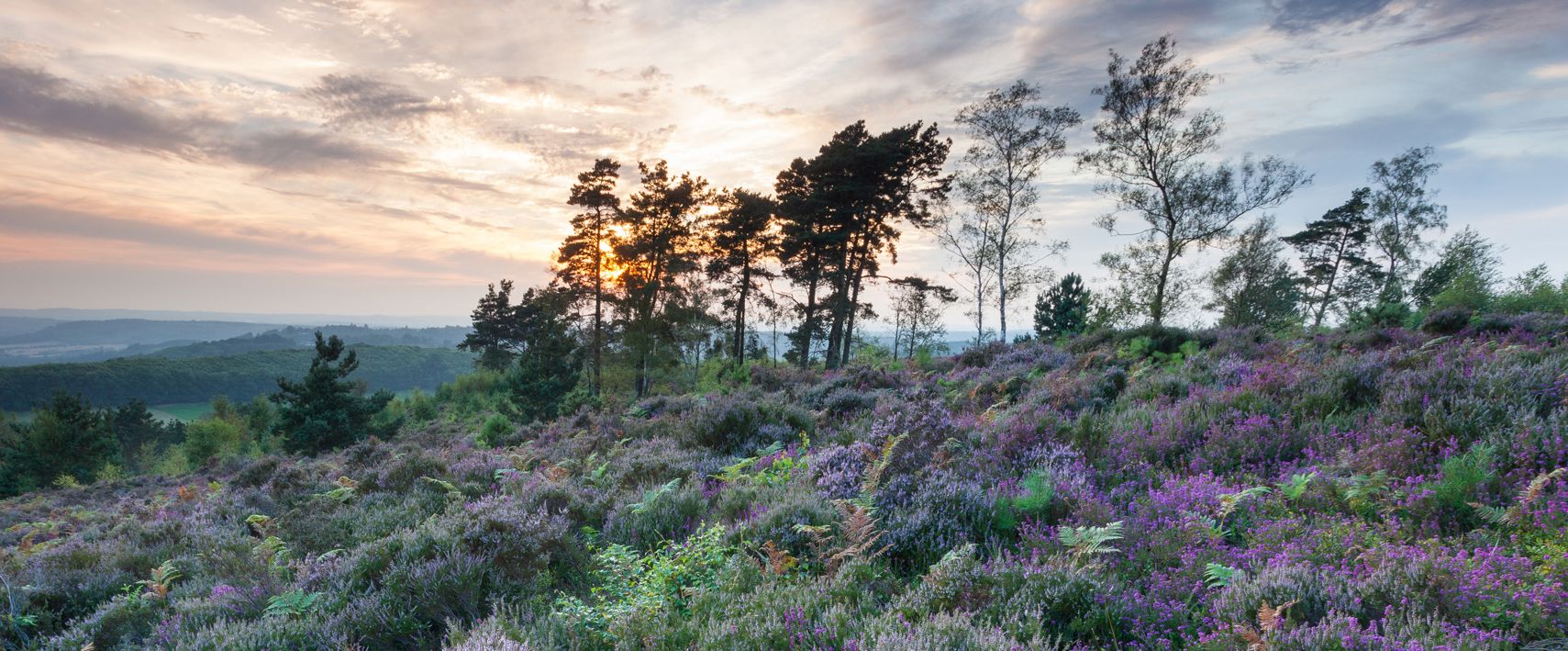
Hiking the Serpent Trail — Snake across Sussex's vibrant Greensand Hills
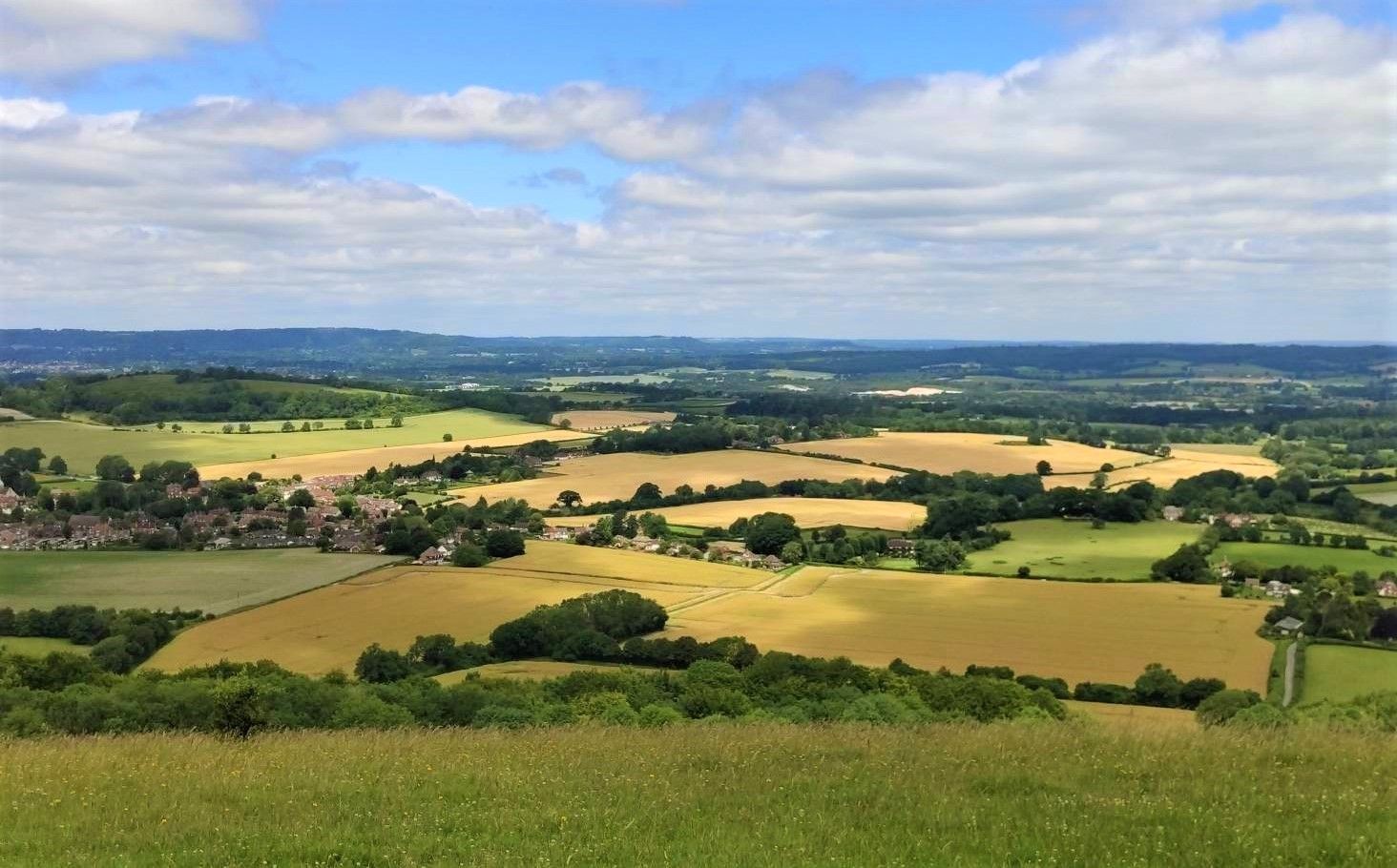
Sussex Border Path — A historic hike through medieval landscapes
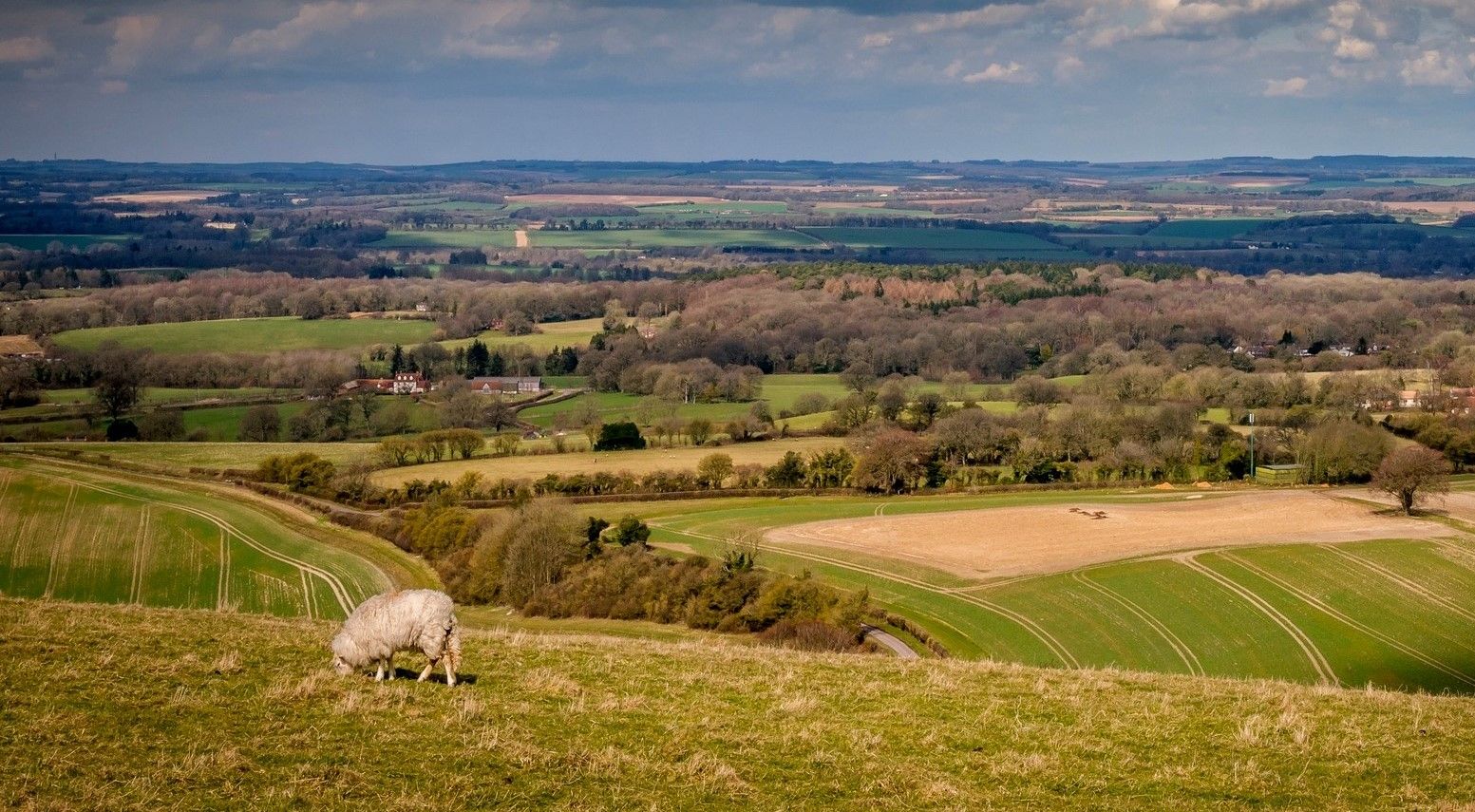
Wayfarer's Walk — Hike an old drovers' road from hills to coast
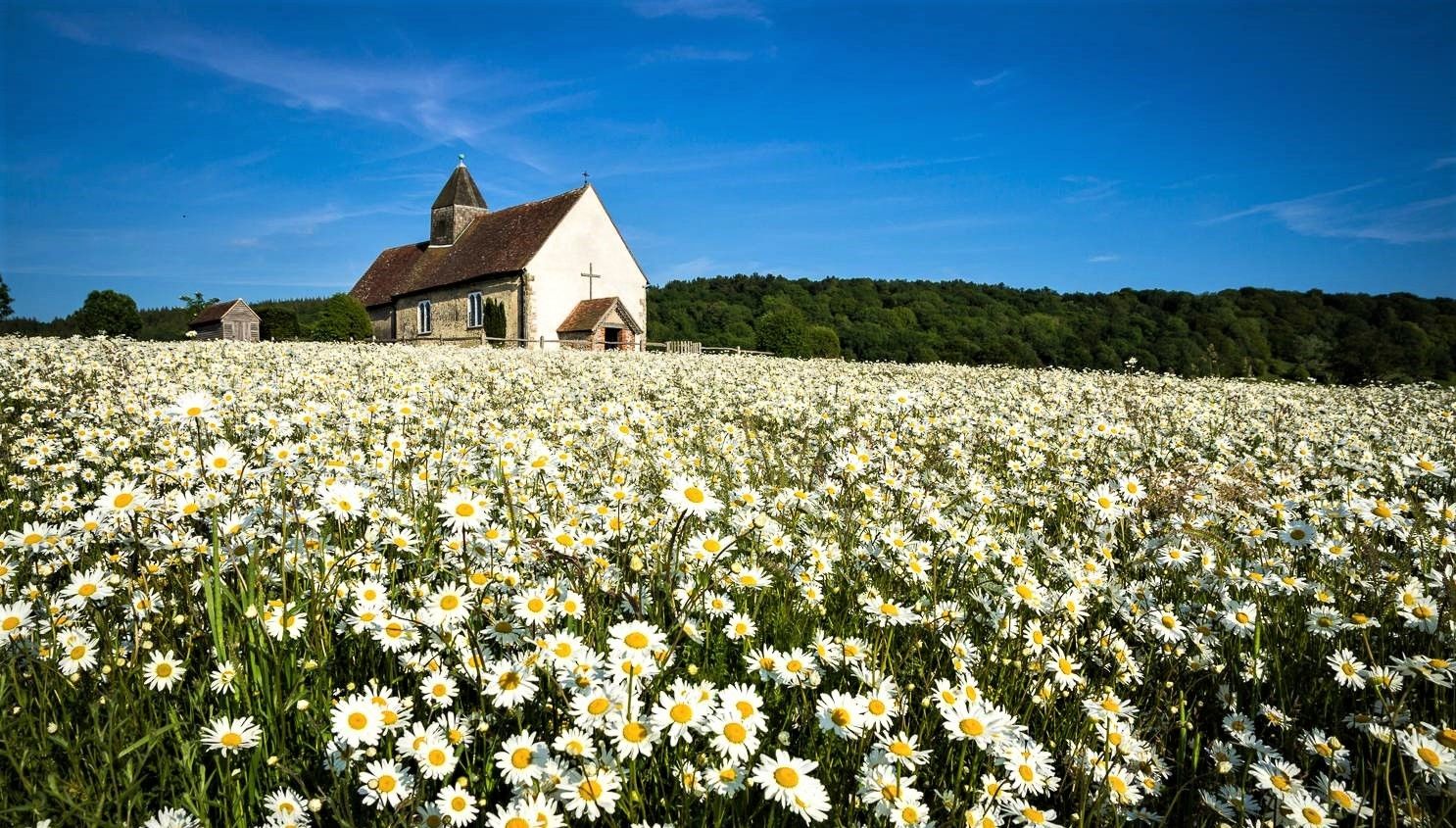
Shipwrights Way — Hike through the heart of the South Downs to the sea
Other adventures in South Downs


Tips from the Community

Gorgeous Victorian brewery, with a customer facing shop on the main street
0
0

In the early 1830s, the mayor, Arthur Atherley,[3] facilitated an arrangement whereby Bernard Howard, 12th Duke of Norfolk would commission a new town hall for the borough in return for the borough giving up its interest in the Fitzalan Chapel, which formed the chancel of the Church of St Nicholas in the western grounds of Arundel Castle.[2] The new building was designed by Robert Abraham in the Norman style, built in knapped flint with galleting and ashlar finishings and was opened in time for a civic meeting in March 1838
0
0
Very tall latin cross on octagonal plinth, set on elevated brick platform with flower beds. Base of shaft alternate sides: 1914 / - / 1918 // 1939 / - / 1945 Dedication panel: THEY WHOSE NAMES ARE RECORDED / ON THIS MEMORIAL / WERE NUMBERED AMONG THOSE WHO / AT THE CALL OF KING AND COUNTRY / LEFT ALL THAT WAS DEAR TO THEM / ENDURED HARDNESS, FACED DANGERS / AND FINALLY PASSED OUT OF SIGHT / OF MEN BY THE PATH OF DUTY AND SELF- / SACRIFICE. GIVING UP THEIR OWN LIVES / THAT OTHERS MIGHT LIVE IN FREEDOM / LET THOSE THAT COME AFTER SEE TO IT / THAT THEY ARE NOT FORGOTTEN.
0
0
Arundel Museum is the south coast's newest museum, revealing the story of the historic town of Arundel. The museum is open daily between 10am to 4pm throughout the year. Arundel Museum Society volunteers are able to help with queries about Arundel and its fascinating history. There is also a good selection of tourist information leaflets about Arundel and the surrounding area.
0
0

The striking bronze statue of King Alfred the Great is one of Winchester's most recognizable landmarks, dominating The Broadway at the eastern end of the High Street near the River Itchen. Sculpted by Sir Hamo Thornycroft, the colossal, 15-foot-tall figure was erected in 1901 to commemorate the millennium of the king's death—a pivotal figure who made Winchester his capital and is credited with being "The Founder of the Kingdom and Nation," as inscribed on its granite base. Depicting a heroic, bearded Alfred in a regal stance with a downward-pointing sword hilt forming a cross, the statue celebrates his dual role as a military champion against the Vikings and an early Christian leader, all while standing proudly in the city he helped define.
1
0
The Royal Oak is a famously historic pub in Winchester, often claiming to be one of the oldest in England, with its origins reputedly tracing back to 1002 AD when the building served as the residence of the Anglo-Saxon Queen Emma. Tucked away in a narrow passage off the High Street, it exudes a traditional charm with its low ceiling beams and wood-panelled walls, and patrons can even venture into a cellar area said to contain remnants of the ancient structure. The pub's current name, which appeared in the 17th century, is believed to reference the Civil War and the Royalist support shown by its patrons, and today it remains a popular spot for enjoying classic pub food, cask ales, a weekly quiz, and a hearty Sunday roast.
1
0
Winchester High Street serves as the ancient, vibrant spine of the historic city, following a route established possibly in Roman times and later formalized in the Anglo-Saxon grid, running from the River Itchen and the statue of King Alfred the Great at the eastern end, up to the medieval Westgate at the west. It is a bustling thoroughfare that seamlessly blends centuries of architecture, featuring landmarks like the 15th-century Butter Cross, the Victorian Guildhall, and the area known as The Pentice, alongside a contemporary mix of independent boutiques, cafes, pubs, and major retail chains. The upper section of the High Street is pedestrianized, enhancing its role as a central hub for shopping, dining, and cultural life in Winchester.
0
0
The Winchester Guildhall is a prominent Grade II listed Victorian building, built in the Gothic Revival style by architects Jeffery and Skiller and opened in 1873, standing on the High Street on a site once occupied by St Mary's Abbey. With its striking façade featuring a tall clock tower, an arcaded entrance, and statues of historical figures, the Guildhall was originally conceived as a larger complex to house civic government functions, law courts, the police station, and the fire brigade. Today, it operates as a major event and conference venue in the heart of the city, offering a range of versatile rooms like the grand Bapsy Hall and the King Charles Hall for weddings, conferences, and various other public and private functions.
1
0
Frequently Asked Questions
How many urban hiking trails are available in the South Downs?
There are over 25 urban hiking routes in the South Downs National Park, offering a variety of experiences within or near its charming towns and villages. Most of these trails are rated as easy, making them accessible for many hikers.
What kind of terrain can I expect on urban hikes in the South Downs?
Urban hikes in the South Downs often feature a mix of paved paths, riverside trails, and gentle ascents through historic town centers and surrounding parklands. You'll encounter the characteristic rolling chalk downs, but within an urban context, routes tend to be less strenuous, focusing on accessibility and local points of interest.
Are there any family-friendly urban walks in the South Downs?
Yes, many urban hikes in the South Downs are suitable for families. The predominantly easy difficulty of the trails, combined with the presence of historical sites and natural beauty, makes them ideal for all ages. Consider a route like the River Ouse and Willey's Bridge loop from Lewes, which offers pleasant riverside paths.
Can I bring my dog on urban hikes in the South Downs?
The South Downs National Park is generally very dog-friendly, and many urban trails welcome well-behaved dogs, often on leads. Always check local signage for specific restrictions, especially in nature reserves or near livestock. Look for routes that incorporate parks or riverside paths, which are often great for dogs.
What historical landmarks can I see on urban hikes in the South Downs?
Urban hikes in the South Downs are rich in history. You can explore sites like the ancient Chanctonbury Ring hillfort, or walk through towns with historic castles. For example, the Arundel High Street loop offers views of Arundel Castle, while the Lewes Priory Ruins – Lewes Castle loop takes you past significant historical sites in Lewes.
Are there circular urban walks available in the South Downs?
Yes, many of the urban hiking routes in the South Downs are designed as circular walks, allowing you to start and end in the same location. This is convenient for those using public transport or parking. Examples include the View of Brighton Marina loop or the various loops around Lewes.
What is the best time of year for urban hiking in the South Downs?
Urban hiking in the South Downs is enjoyable year-round. Spring and autumn offer pleasant temperatures and beautiful scenery, with wildflowers in spring and vibrant foliage in autumn. The chalk-based terrain means trails tend to drain well, making them suitable even after rain. Winter walks can be crisp and clear, offering unique views.
How accessible are urban hikes in the South Downs by public transport?
Many urban hiking trails in the South Downs are highly accessible by public transport, particularly those starting in towns like Lewes, Brighton, and Arundel, which have train stations and bus services. This allows for convenient car-free exploration of the area's urban and semi-urban landscapes.
What do other hikers enjoy most about urban hiking in the South Downs?
The komoot community highly rates urban hikes in the South Downs, with an average score of 4.6 stars. Reviewers often praise the combination of historical charm, accessible paths, and the ability to experience the natural beauty of the South Downs within a town setting. The convenience of amenities like cafes and pubs along the way is also frequently highlighted.
Are there any urban hikes with scenic views in the South Downs?
Absolutely. Even within urban settings, the South Downs offers stunning vistas. Routes often incorporate viewpoints overlooking towns, rivers, or the wider chalk downs. For example, the River Ouse and Lewes Castle loop provides picturesque views of the town and its historic landmarks.
Where can I find refreshments or places to eat along urban hiking trails?
Urban hikes in the South Downs are ideal for finding refreshments. Since these routes pass through or near towns and villages, you'll often find a variety of cafes, pubs, and restaurants directly on or very close to the trail. This makes it easy to stop for a coffee, a meal, or a traditional pub experience during your walk.
Most popular routes in South Downs
Most popular attractions in South Downs

Get inspired with the komoot mobile app


Explore more
Browse the best Hikes in other regions.
