The best hikes from bus stations around Nationaal beek- en esdorpenlandschap Drentsche Aa
4.5
(5876)
29,160
hikers
163
hikes
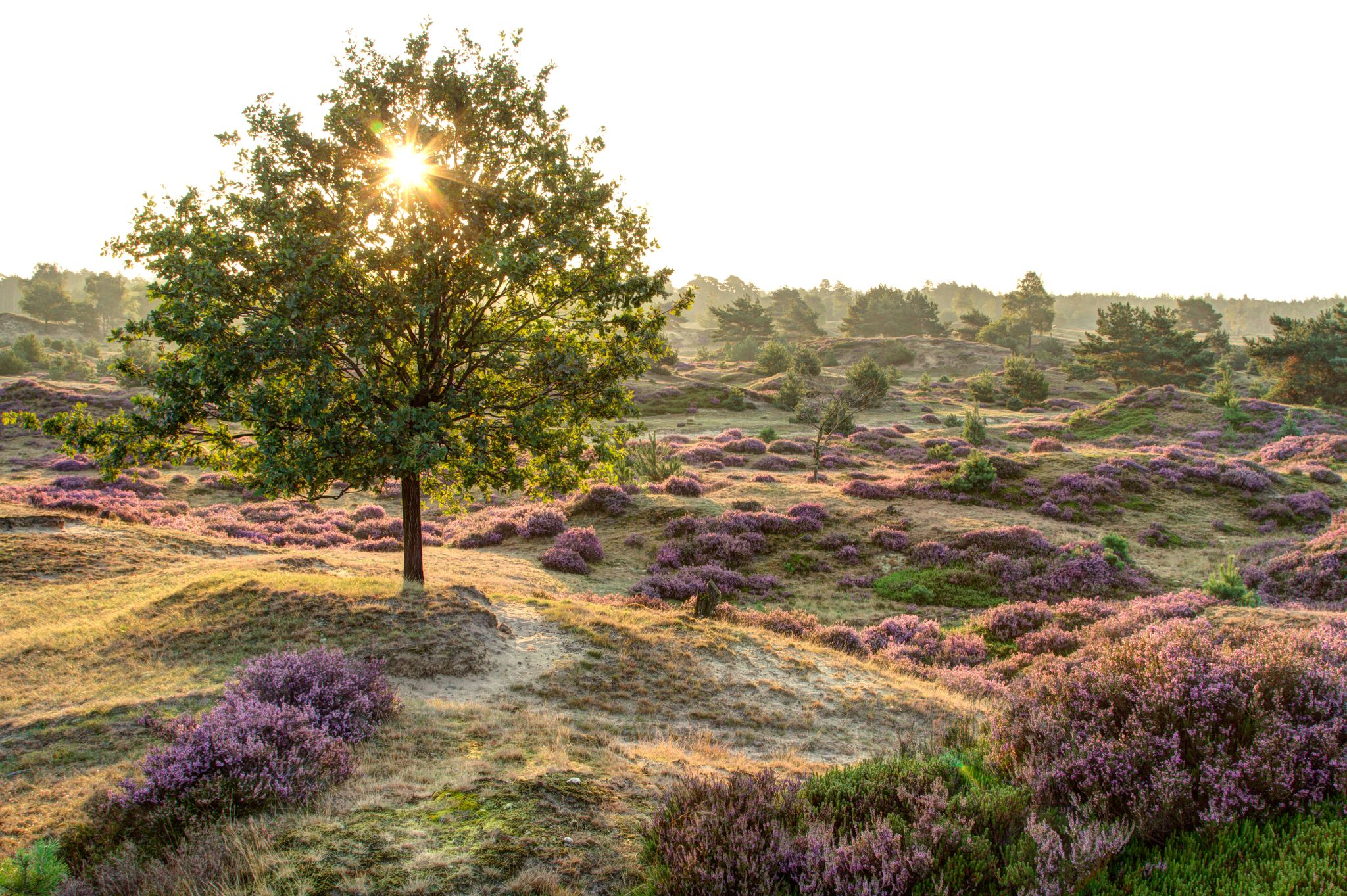
Bus station hiking trails around Nationaal beek- en esdorpenlandschap Drentsche Aa traverse a unique landscape characterized by its naturally meandering Drentsche Aa river system, historic esdorpen villages, and diverse terrain. The region features rolling heathlands, ancient woodlands, and peat bogs, with a significant portion situated on the Hondsrug ridge. Elevations are generally low, with gentle ascents across the varied ecosystems. This area is recognized for its well-preserved stream and esdorp landscape in Western Europe.
Best bus station hiking trails around Nationaal beek- en esdorpenlandschap Drentsche Aa
- The most popular bus station hiking route is Dolmen D10, Gasteren – Gasterse Duinen Viewpoint loop from Drentsche Aa, a 5.3 miles (8.6 km) trail that takes 2 hours 10 minutes to complete. This moderate route explores ancient burial sites and heathland viewpoints.
- Another top favourite among local hikers is Grave Mound in Drentsche Aa – Dolmen D11, Anloo loop from Anloo, a moderate 8.9 miles (14.4 km) path. This route leads through historic landscapes featuring grave mounds and dolmens.
- Local hikers also love the Schipborgsche Diep – Boardwalk Drentsche Aa loop from Anloo, an 8.3 miles (13.3 km) trail leading through river valleys and boardwalk sections, often completed in about 3 hours 20 minutes.
- Hiking around Nationaal beek- en esdorpenlandschap Drentsche Aa is defined by meandering river valleys, historic villages, and diverse heathlands. The network offers options for various ability levels, including easy hikes and more challenging routes.
- The routes in Nationaal beek- en esdorpenlandschap Drentsche Aa are highly rated by the komoot community with an average score of 4.5 stars from more than 4,500 reviews. More than 23,000 hikers have used komoot to explore Nationaal beek- en esdorpenlandschap Drentsche Aa's varied terrain.
Last updated: August 9, 2026
4.9
(111)
294
hikers
Moderate hike. Good fitness required. Easily-accessible paths. Suitable for all skill levels.
4.6
(56)
171
hikers
14.4km
03:40
30m
30m
Moderate hike. Good fitness required. Easily-accessible paths. Suitable for all skill levels.

Sign up for free
4.6
(23)
104
hikers
13.4km
03:23
20m
20m
Moderate hike. Good fitness required. Easily-accessible paths. Suitable for all skill levels.
4.4
(22)
146
hikers
Easy hike. Great for any fitness level. Easily-accessible paths. Suitable for all skill levels.
4.4
(23)
78
hikers
Hard hike. Very good fitness required. Easily-accessible paths. Suitable for all skill levels.
Get access to more routes and recommendations from other explorers.
Sign up for free
Already have an account?
Our route recommendations are based on thousands of hikes, rides, and runs completed by other people on komoot.
Start today with a free account
Your next adventure awaits.
Login or Signup
Popular around Nationaal beek- en esdorpenlandschap Drentsche Aa
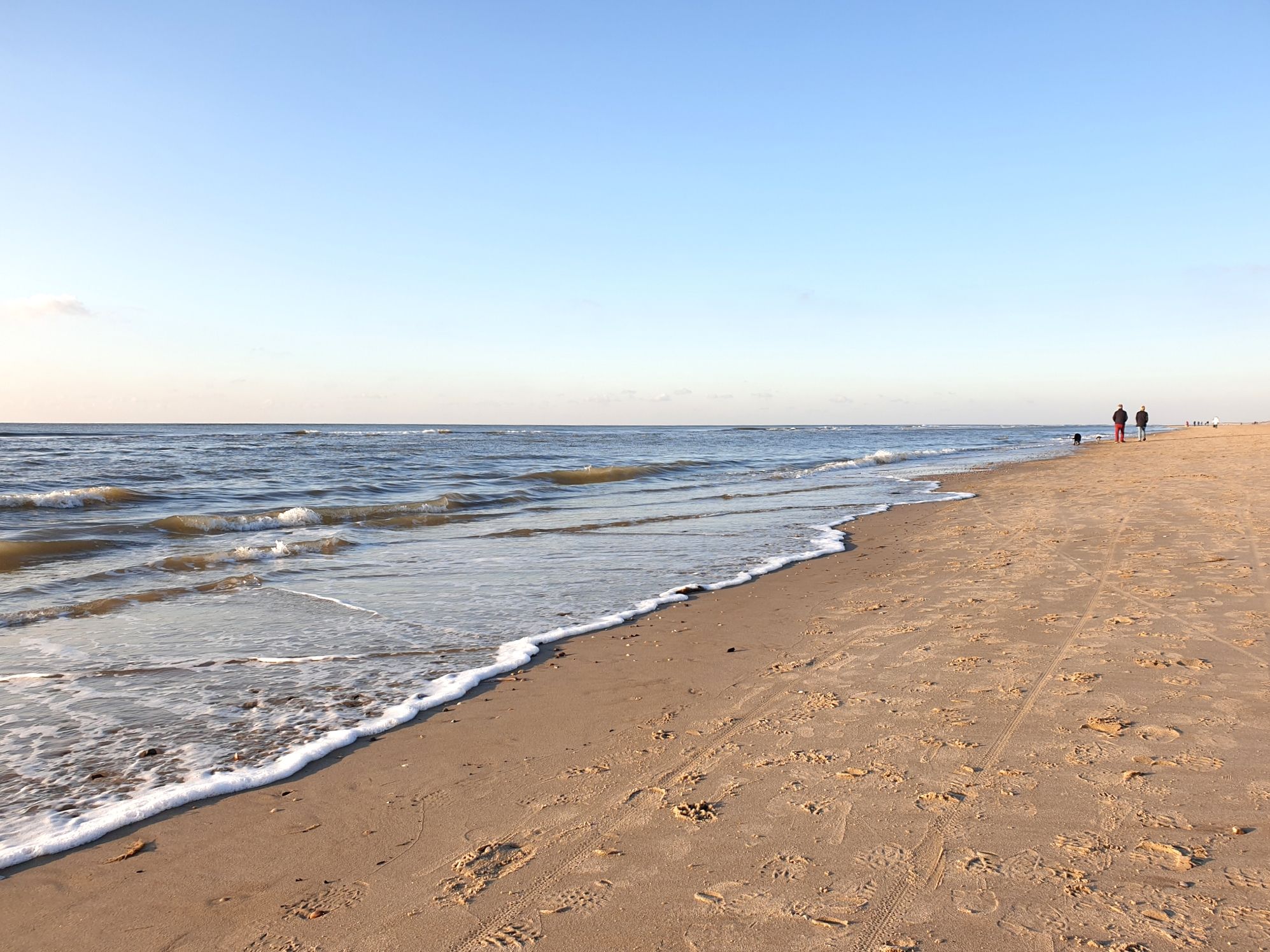
Groot Frieslandpad (LAW 14) – Right through the North of the Netherlands
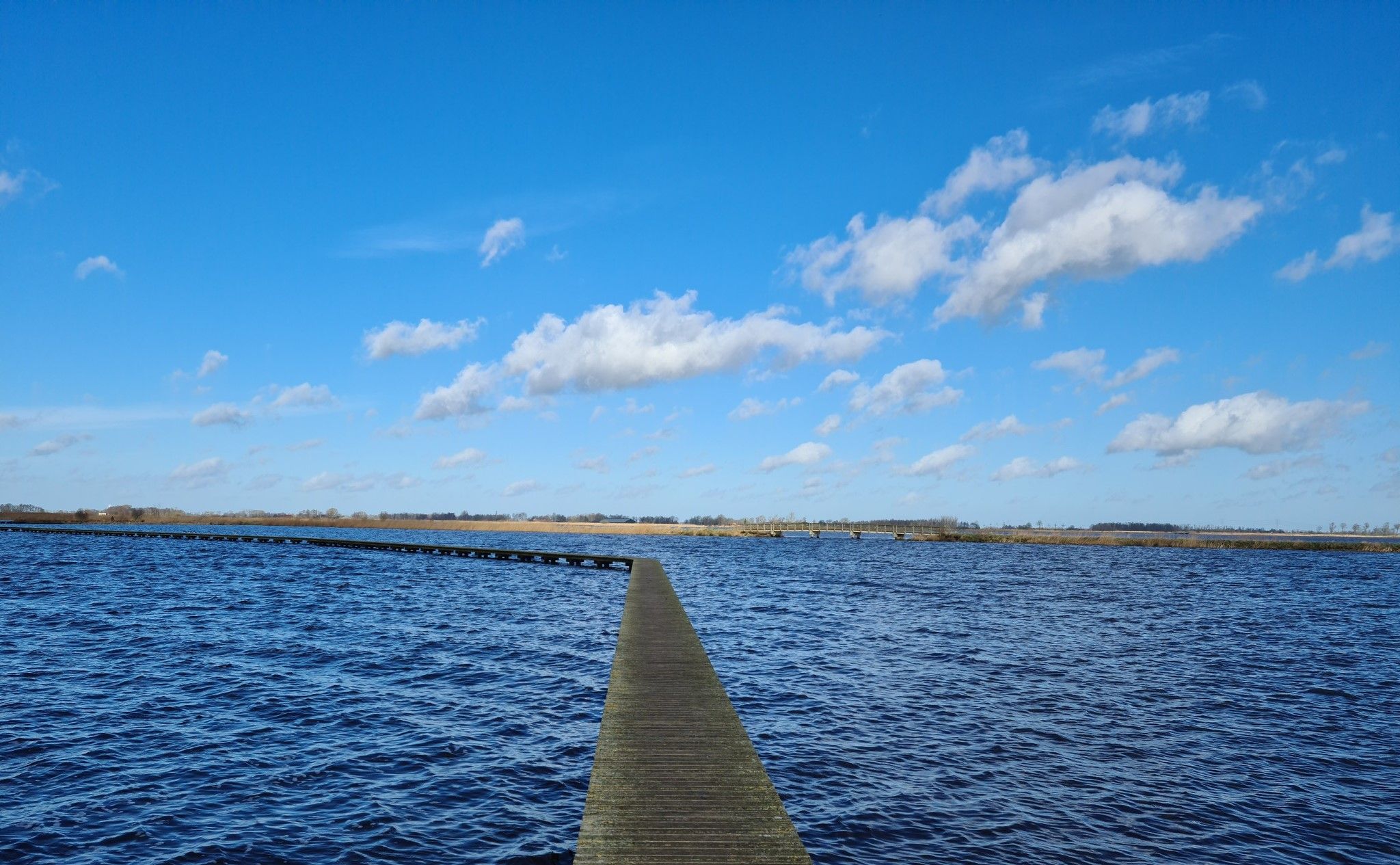
Right in the middle of nature - 20 accessible routes in Groningen
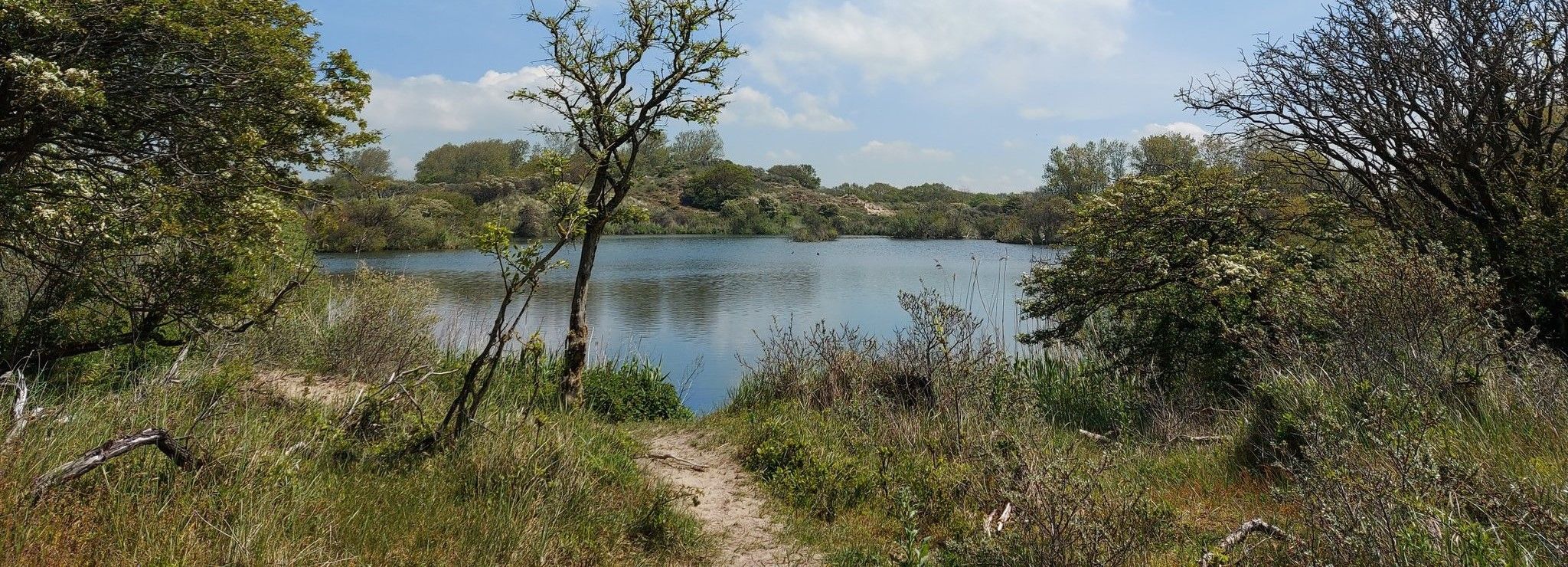
Strolling and feasting – the best pancake hikes in the Netherlands
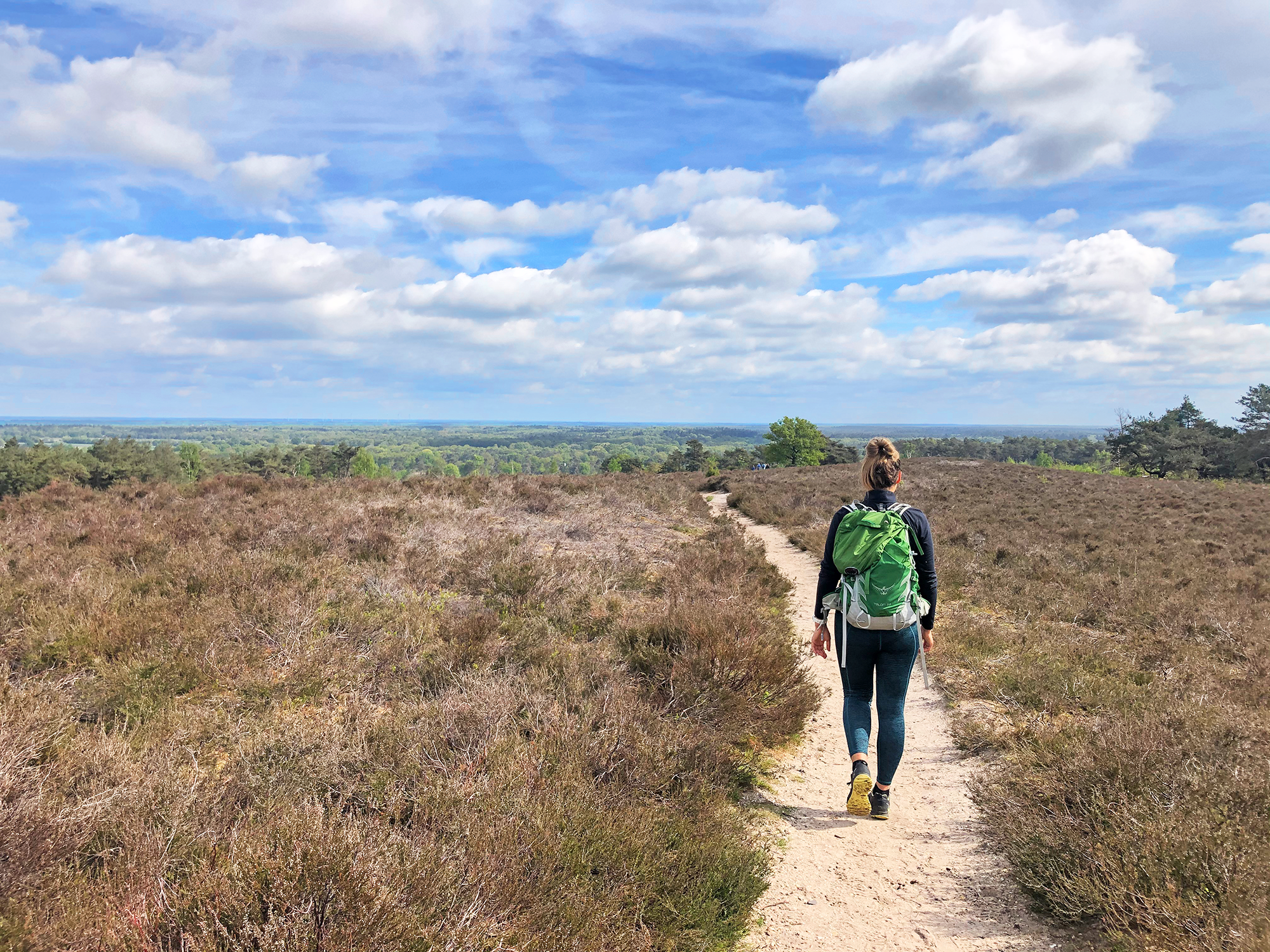
From the Wadden Sea to Castle Vorden – Pieterpad long-distance hike part 1
A complete hiking bucket list through every Dutch National Park
The Pieterpad by bike – From Pieterburen to Sint-Pietersberg
Other adventures around Nationaal beek- en esdorpenlandschap Drentsche Aa


Tips from the Community

Pinetum Ter Borgh is a conifer garden in the Evertsbos forest between Anloo and Eext. Covering 2.2 hectares, it boasts over 400 species of conifers from all over the world. Most trees have signs with their names and origins. My favorites: the giant sequoia and the snake pine. The garden was created in 1953 by Everhard Everts Jr., a frequent traveler with a passion for conifers. The pinetum is easily accessible from the parking lot on Anderenseweg. You can follow the yellow-marked route there (this is not the Hondsrugpad). Admission is always free.
0
0
I think this dolmen (D11) is one of the most beautiful in the Netherlands. This prehistoric burial monument is located at a crossroads in the middle of the forest. It was built in the Neolithic period, around 3400–2750 BC, by farmers of the Funnel Beaker Culture. The almost 10-meter-long and almost 4-meter-wide dolmen is located on the Terborgh estate. It has four capstones resting on ten sidestones and two keystones. The yellow walking route runs past the dolmen and the nearby pinetum. Don't confuse this with the yellow signs of the Hondsrug Trail, as those will take you across the entire Hondsrug into Germany.
0
0

Relax on this bench and enjoy the Deurzer Diep valley, part of the Drentsche Aa.
0
0
Since 2024, the nest has been moved to a meadow just outside Assen-Oost.
0
0


an informative place with information about the trees and shrubs growing there
0
0

This WAS fun but the nest is gone.
0
0

Old village church dating back to the 9th century. The Gospel has been preached on the site of St. Magnus Church since the 9th century. Excavations by Professor A. E. van Giffen have shown that the current church building was preceded by a series of wooden structures, likely built in the 9th and 10th centuries. Source and further information: https://magnuskerk.nl/geschiedenis-magnuskerk
0
0
Frequently Asked Questions
How many bus-accessible hiking trails are available in Nationaal beek- en esdorpenlandschap Drentsche Aa?
There are over 140 hiking routes in Nationaal beek- en esdorpenlandschap Drentsche Aa that are easily accessible from bus stations. These trails cater to various fitness levels, with a good mix of easy and moderate options.
What makes hiking in Nationaal beek- en esdorpenlandschap Drentsche Aa unique?
The region is renowned as the best-preserved stream and esdorp landscape in Western Europe. You'll experience a rare, unregulated river system, historic 'esdorpen' (villages), and diverse terrain including heathlands, ancient woodlands, and peat bogs. It's a landscape where nature and history harmoniously intertwine.
Are there easy hiking trails accessible by bus for beginners or families?
Yes, approximately half of the bus-accessible trails are rated as easy, making them suitable for beginners or families. These routes often feature gentle terrain through woodlands and meadows. For example, the Stork Nest in Drentsche Aa – Deurzerdiep and Kampsheide loop from Deurze is an easy option that offers a pleasant experience.
Can I find circular hiking routes that start and end at a bus station?
Many of the bus-accessible routes are designed as circular walks, allowing you to return to your starting point without needing additional transport. This is ideal for exploring the diverse landscapes, from the meandering Drentsche Aa river to the historic villages.
What kind of historical sites can I see along these bus-accessible trails?
The Drentsche Aa is rich in history. You can encounter ancient megalithic tombs known as hunebedden, such as Dolmen D10, Gasteren, and numerous burial mounds. Traces of Iron Age agricultural practices, like 'Celtic fields', are also visible. Consider the Grave Mound in Drentsche Aa – Dolmen D11, Anloo loop from Anloo for a route rich in historical landmarks.
Are there any notable natural features or viewpoints accessible from bus station hikes?
Absolutely. You can explore prominent heathlands like the Gasterse Duinen Heathland and Balloërveld Heath, which offer stunning views, especially when the heather blooms. The Boardwalk Drentsche Aa provides a unique perspective of the river system. The Dolmen D10, Gasteren – Gasterse Duinen Viewpoint loop from Drentsche Aa is a great option to experience both historical and natural highlights.
What is the best time of year to hike in Nationaal beek- en esdorpenlandschap Drentsche Aa?
The Drentsche Aa is beautiful year-round, but late summer (August-September) is particularly stunning when the heathlands, like the Balloërveld and Gasterse Duinen, burst into vibrant purple bloom. Spring offers fresh greenery and blooming wildflowers, while autumn brings rich colors to the woodlands. Even in winter, the quiet, frosted landscapes have a unique charm.
What kind of wildlife can I expect to see on the trails?
The diverse ecosystems support a rich variety of wildlife. Birdwatchers might spot kingfishers, common buzzards, or black woodpeckers. Mammals such as European badgers, roe deer, and red foxes also inhabit the area. The wetlands and heathlands are home to various insects, including dragonflies and damselflies.
Are there any longer, more challenging bus-accessible routes for experienced hikers?
Yes, while many routes are easy to moderate, there are also more challenging options for those seeking a longer adventure. For instance, the View of the Deurzerdiep – Deuzerdiep loop from Balloërveld is a difficult route spanning nearly 20 km, offering a substantial hike through varied terrain.
What do other hikers enjoy most about the bus-accessible trails in Drentsche Aa?
The komoot community highly rates the hiking experience in Nationaal beek- en esdorpenlandschap Drentsche Aa, with an average score of 4.49 stars. Reviewers often praise the tranquil atmosphere, the well-preserved natural landscapes, the charming historic villages, and the excellent network of well-marked trails that make navigation easy.
Are there amenities like cafes or pubs near the bus-accessible hiking trails?
Many of the historic 'esdorpen' (villages) scattered throughout the landscape offer local amenities, including cafes and pubs, where you can take a break and refuel. These villages are often starting or ending points for bus-accessible trails, providing convenient access to refreshments.
Can I bring my dog on the bus-accessible hiking trails?
Many trails in Nationaal beek- en esdorpenlandschap Drentsche Aa are dog-friendly, but it's always advisable to check local regulations or specific trail information beforehand. Dogs are generally welcome on a leash, especially in nature reserves to protect wildlife and livestock.
Are there any boardwalks or unique trail features to experience?
Yes, the region offers unique trail features that enhance the hiking experience. For example, the Boardwalk Drentsche Aa provides an immersive walk directly over the wetland areas, allowing you to get close to the delicate ecosystem. The Schipborgsche Diep – Boardwalk Drentsche Aa loop from Anloo incorporates this feature into a longer route.
Most popular routes around Nationaal beek- en esdorpenlandschap Drentsche Aa
Most popular attractions around Nationaal beek- en esdorpenlandschap Drentsche Aa

Get inspired with the komoot mobile app


Explore more
Browse the best Hikes in other regions.
