The best traffic-free bike rides around Magurski Park Narodowy
4.8
(17)
275
riders
34
rides
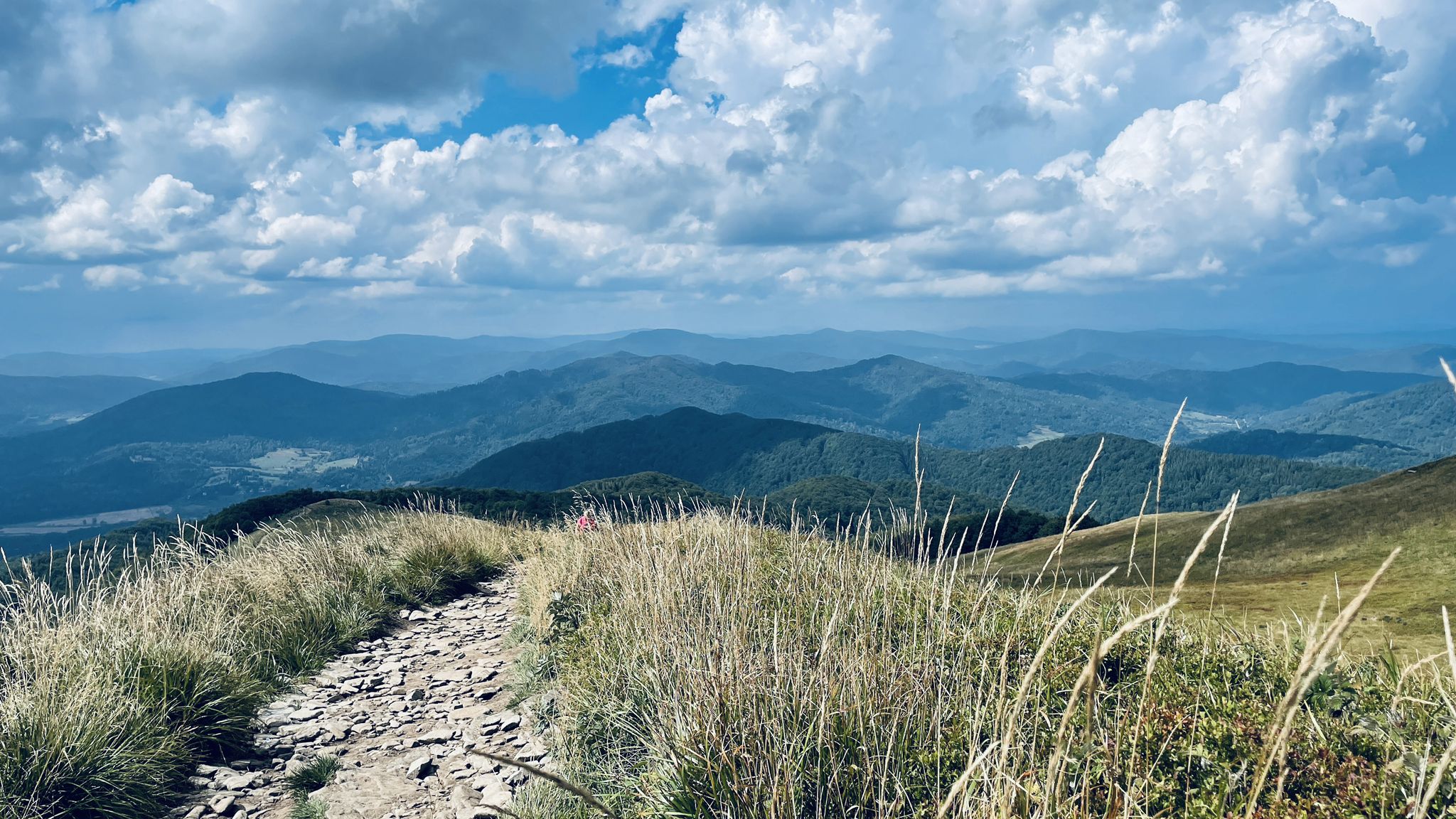
Gravel biking around Magurski Park Narodowy offers an extensive network of no traffic gravel bike trails through a landscape of gentle, forested mountain ranges and wide river valleys. The park is characterized by natural beech and fir forests covering about 95% of its area, with peaks generally not exceeding 850 meters above sea level. The Wisłoka River and its tributaries carve scenic routes through the terrain, providing a tranquil setting for cycling. This region provides accessible terrain for long distances…
Last updated: June 2, 2026
5.0
(2)
38
riders
108km
07:35
1,970m
1,970m
Hard gravel ride. Very good fitness required. Mostly paved surfaces. Suitable for all skill levels.
12
riders
77.6km
05:39
1,560m
1,560m
Hard gravel ride. Very good fitness required. You may need to push your bike for some segments of this route.

Sign up for free
5.0
(1)
9
riders
29.3km
02:10
390m
390m
Moderate gravel ride. Good fitness required. Mostly paved surfaces. Suitable for all skill levels.
6
riders
Hard gravel ride. Very good fitness required. Mostly paved surfaces. Suitable for all skill levels.
15
riders
71.7km
05:08
1,170m
1,170m
Hard gravel ride. Very good fitness required. Mostly paved surfaces. Suitable for all skill levels.
Get access to more routes and recommendations from other explorers.
Sign up for free
Already have an account?
Our route recommendations are based on thousands of hikes, rides, and runs completed by other people on komoot.
Start today with a free account
Your next adventure awaits.
Login or Signup


Other adventures around Magurski Park Narodowy

Tips from the Community


Monument to Polish pilots who were shot down here in 1944 by a German fighter while returning from a mission to drop supplies for the Warsaw Uprising.
1
0
Cemetery of soldiers who died in World War I. 377 soldiers are buried here.
1
0
The old cemetery, where the inhabitants of the village of Czarne were buried. A dozen or so stone and cast iron tombstones have survived here to this day. There was also an Orthodox church next to the cemetery. Oddly enough, it did not share the fate of other Lemko churches and stood here until 1993. Then it was dismantled and moved to the open-air museum in Nowy Sącz.
1
0
The road to the non-existent village of Czarne. On a short section there are as many as five old chapels.
1
0
A small shelter and information boards are placed in a place overlooking the Ciechania valley. The valley itself is much more beautiful than what you can see from above, but descending into the valley is prohibited by the Magura National Park.
1
0
Concrete, steel and wooden bridge over the Wilsznia stream in Polany.
1
0
The church was built in 1934 on the site of the previous one. The church was seriously damaged during the war, and immediately afterwards it was devastated and stolen. However, it was saved from demolition and converted into a Roman Catholic church. In 1956 it underwent renovation. In 1987, Greek Catholic services were resumed there. In 1992, it was thoroughly renovated again. The temple still serves Catholics of two rites - it belongs to the Greek Catholic parish in Komańcza and the Roman Catholic parish in Polany.
1
0
Frequently Asked Questions
How many no-traffic gravel bike trails can I find in Magurski Park Narodowy?
There are over 25 dedicated no-traffic gravel bike trails available for you to explore in and around Magurski Park Narodowy. These routes range in difficulty, offering options for various skill levels.
What makes Magurski Park Narodowy ideal for no-traffic gravel biking?
Magurski Park Narodowy is characterized by its gentle, forested mountain ranges and wide valley basins, providing an abundance of gravel roads and paths. The lower peaks (generally not exceeding 850 meters) mean less strenuous but still engaging rides. It's known for its tranquil atmosphere and extensive network of quiet trails, making it perfect for immersive, traffic-free gravel biking experiences.
What is the typical difficulty level of gravel bike trails in this region?
While the park's terrain is generally gentle, the gravel bike trails offer a mix of challenges. You'll find a few moderate routes, but the majority, around 26 of them, are classified as difficult. These often involve significant elevation changes, such as the challenging Old Bridge and Dam – View of the Ciechani Valley loop from Krempna, which features nearly 2000 meters of ascent.
Are there any unique natural features or landmarks to see along the trails?
Absolutely. The region is rich in natural beauty. You can encounter interesting rock formations like the prominent Diabli Kamień Rock Formation near Folusz, or the fancifully sculpted sandstones of the Kornuty Rock Nature Reserve. The Wisłoka River and its tributaries also create scenic gorges and valleys. Don't miss the Magurski Waterfall for a refreshing stop.
Can I visit historical sites or cultural heritage points while gravel biking?
Yes, the area is steeped in the history of the Lemko people. You can discover remnants of their culture, such as wooden Orthodox churches, roadside crosses, and the remains of former villages. The symbolic 'door to nowhere' in the non-existent village of Nieznajowa is a poignant reminder of past inhabitants, which you can explore on routes like the Nieznajowa Abandoned Village – Nieznajowa Ghost Village loop from Cyrla.
What is the best time of year for gravel biking in Magurski Park Narodowy?
The best time for gravel biking is typically from spring through autumn. During these seasons, the weather is generally mild, and the extensive forests are lush and green. Spring brings blooming flora, while autumn offers vibrant colors. Winter can be challenging due to snow and ice, making many trails less accessible for gravel biking.
Are there family-friendly gravel biking options in the park?
While many routes are classified as difficult, the park's gentle topography means there are sections suitable for families, especially on wider gravel roads. Look for routes with less elevation gain if you're biking with children. The overall tranquil environment and lack of traffic make it a safer and more enjoyable experience for families, even if you stick to shorter, less demanding sections.
Can I bring my dog on the gravel bike trails in Magurski Park Narodowy?
Magurski Park Narodowy is a national park with specific regulations regarding pets to protect its diverse wildlife. While dogs are generally not permitted on hiking trails within the strict protection zones of the park, some areas and forest roads outside these zones or in the buffer area might allow them on a leash. It's always best to check the current regulations on the official park website (mpn.gov.pl) before planning your ride with a dog.
Where can I find parking for gravel biking near the park's trails?
Parking is typically available at the entrances to the national park and in nearby villages such as Krempna, Folusz, and Kotań, which serve as common starting points for many routes. These locations often have designated parking areas for visitors accessing the trails.
What do other gravel bikers enjoy most about Magurski Park Narodowy?
The area is highly rated by the komoot community, with an average score of 4.8 stars. Reviewers often praise the profound sense of peace and tranquility, the wildness of the landscape, and the extensive network of quiet gravel roads that allow for long, uninterrupted rides through beautiful beech and fir forests. The chance to spot diverse wildlife and explore the unique cultural heritage of the Lemko people also adds to the appeal.
Are there any circular gravel bike routes available?
Yes, many of the gravel bike trails in Magurski Park Narodowy are designed as loops, allowing you to start and end at the same point. An example is the Gravel Descent to Czarne – Orthodox church in Krzywa loop from Magura National Park, which offers a substantial circular journey through varied terrain and past cultural sights.
Are there cafes or restaurants near the gravel bike trails?
While the park itself is wild and undeveloped, you can find cafes, restaurants, and accommodation in the surrounding villages like Krempna, Kotań, and Folusz. These villages serve as excellent starting points for your rides and offer places to refuel and relax before or after your adventure.
Most popular routes around Magurski Park Narodowy
Most popular attractions around Magurski Park Narodowy

Get inspired with the komoot mobile app


Explore more
Browse the best Gravel rides in other regions.
