The best traffic-free bike rides around L'Eau d'Heure
4.4
(154)
8,509
riders
151
rides
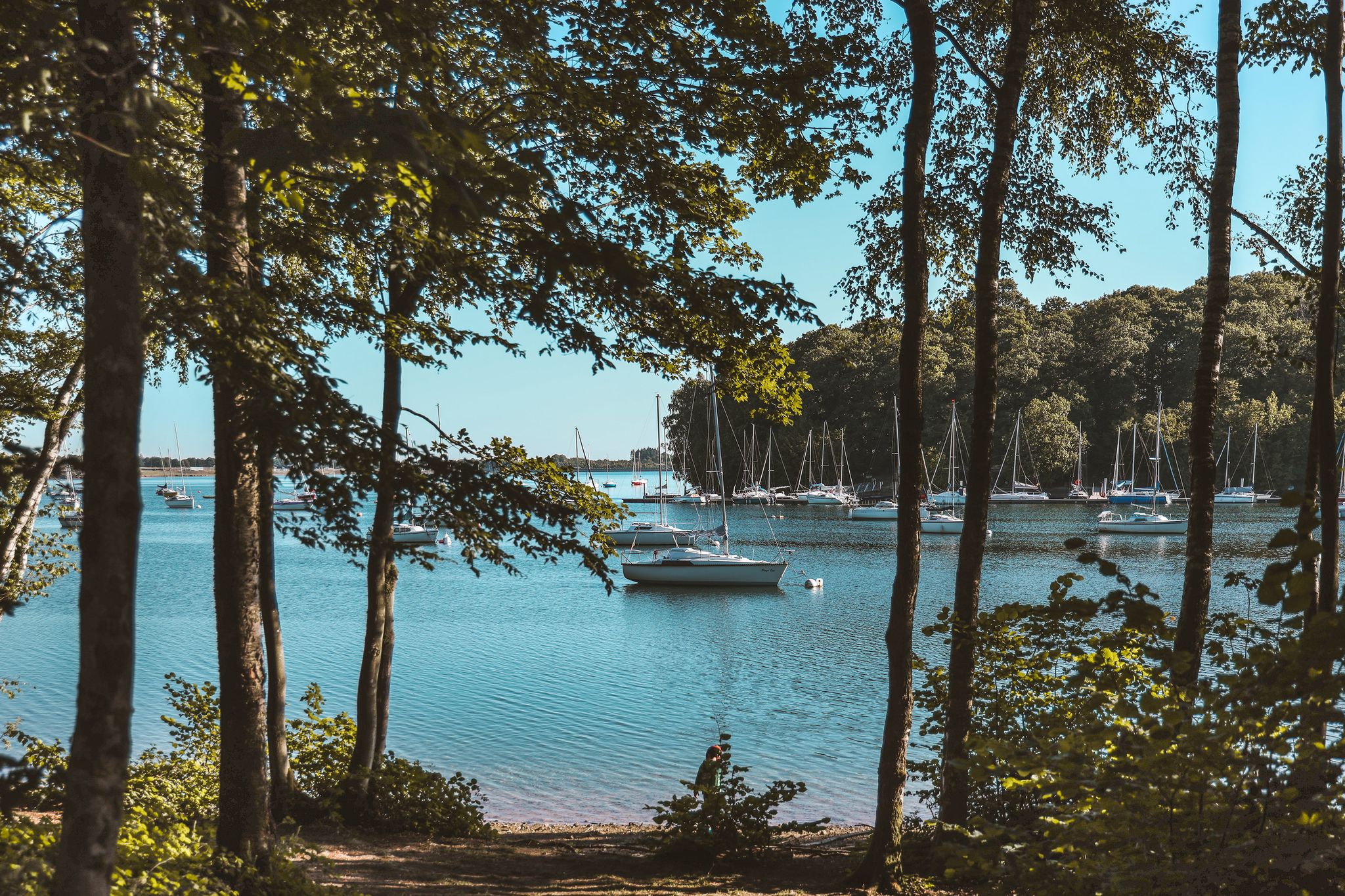
No traffic road cycling routes around L'Eau d'Heure are characterized by a diverse landscape featuring five artificial lakes, which form Belgium's largest lake area. This region spans 1,800 hectares, comprising extensive water bodies, dense forests, and open meadows, providing varied terrain for cyclists. The picturesque waterscapes offer approximately 70 km of shoreline, with routes often following freshwater ecosystems. Cyclists can navigate well-maintained paths, including sections of the RAVeL network, through tranquil woods and open grasslands.
Best no traffic road cycling…
Last updated: May 17, 2026
6
riders
109km
05:05
930m
930m
Hard road ride. Very good fitness required. Some segments of this route may be unpaved and difficult to ride.
3.5
(2)
9
riders
31.6km
01:30
300m
300m
Easy road ride. Great for any fitness level. Mostly well-paved surfaces and easy to ride.

Sign up for free
7
riders
61.4km
02:52
560m
560m
Moderate road ride. Good fitness required. Some segments of this route may be unpaved and difficult to ride.
5.0
(1)
3
riders
55.0km
02:33
530m
530m
Moderate road ride. Good fitness required. Mostly well-paved surfaces and easy to ride.
10
riders
37.2km
01:42
340m
340m
Moderate road ride. Good fitness required. Mostly well-paved surfaces and easy to ride.
Get access to more routes and recommendations from other explorers.
Sign up for free
Already have an account?
Our route recommendations are based on thousands of hikes, rides, and runs completed by other people on komoot.
Start today with a free account
Your next adventure awaits.
Login or Signup


Other adventures around L'Eau d'Heure

Tips from the Community

The Plate-Taille Dam is located in southern Belgium in Wallonia, on the border of the provinces of Namur and Hainaut. The dam is situated near the villages of Froidchapelle and Cerfontaine and forms the central element of the Lacs de l’Eau d’Heure lake district, the largest artificial lake complex in the country. This area covers approximately 1800 hectares and consists of several interconnected lakes that together form a unique landscape of open water, wooded hills, and extensive recreational zones. Due to its location between the Ardennes and the Fagne, the area has a varied and gently rolling terrain. The origin of the dam dates back to the 1970s when Belgium faced water management problems. The Sambre River, an important waterway for industry and shipping, experienced highly fluctuating water levels. During dry periods, the water level dropped too low, which had economic consequences. To solve this problem, an ambitious project was launched, including the construction of a series of dams on the Eau d’Heure River and its tributaries. The construction of the Plate-Taille dam began around 1974 and was completed in 1981. As a result of its construction, five lakes were created: * Plate Taille (the largest and deepest) * Eau d’Heure * Falemprise * Ry Jaune * Féronval The construction brought about a major change for the region. Certain areas were submerged, and residents had to relocate. At the same time, this project laid the foundation for a new economic model based on tourism and recreation. The Plate-Taille dam is the largest dam in Belgium and an impressive example of modern hydraulic engineering. The Plate Taille lake itself has a surface area of approximately 350 hectares and is the largest and deepest lake in Belgium. The dam holds back an enormous mass of water and literally forms the heart of the entire lake district. One of the dam's main functions is energy generation through a pumped-storage power plant. * Capacity: ± 140 megawatts * Number of turbines: 4 (reversible) * Type: pumped-storage power plant System Operation The system operates on a clever principle: * During low energy demand, water is pumped to a higher reservoir. * During high energy demand, the water flows back down through turbines, generating electricity. This makes the plant particularly valuable for stabilizing the electricity grid, especially in combination with renewable energy sources such as wind and solar power. Around the dam lies a surprisingly rich nature reserve. The combination of water, forests, and open plains ensures great biodiversity. The landscape is characterized by: * Dense deciduous and coniferous forests * Open grasslands * Reed beds along the banks * Quiet bays and small islands Animals found here include: * Roe deer * Foxes * Waterfowl such as grebes and cormorants * Birds of prey The creation of the lakes has led to new ecosystems where flora and fauna have adapted to the water-rich environment. For someone who enjoys long and challenging hikes, like myself, this area is ideal, and you can easily create routes of several hours here without much crowds. 🚴♂️ Cycling and Recreation Besides hiking, the area is also popular with: * Road cyclists (hilly terrain) * Mountain bikers * Families (flat cycling paths around the lakes) There are well-maintained cycling routes that connect the entire lake district. 🚤 Water Sports and Activities The Lacs de l’Eau d’Heure are the center for water sports in Belgium. Possibilities: * Sailing * Kayaking * Windsurfing * Diving (in certain zones) * Swimming Motorized water sports are permitted to a limited extent, which contributes to a relatively calm and natural atmosphere. 🧭 Tourist Facilities The area is highly developed for visitors without losing its natural charm. Key attractions: * Skywalk Plate-Taille – a panoramic tower with views over the entire area * Natura Parc L’Eau d’Heure – adventure park with climbing routes and zipline * Marinas and beach areas * Holiday parks and campsites This makes the area suitable for both day trips and longer stays.
0
0

Clean area along the Ravel
0
0

First part steep (8-10%) on asphalt. Second part much more accessible (3%) but on a very degraded road with a lot of earth and gravel
0
0

The Château de Ham-sur-Heure is a historic castle complex with origins in the 15th century, located in the centre of the village of Ham-sur-Heure. This well-preserved building, with its robust towers and elegant Renaissance facades, has undergone various modifications over the centuries. Surrounded by a picturesque garden and a wide moat, it is an impressive example of Walloon castles and an atmospheric place to explore the history of the region.
5
0

You are here in front of the Petit Poggio road. If you take it you can see one of the dams which regulates the water in the lakes.
1
0
Lake Ry-Jaune is the fourth largest lake in terms of surface area of the five reservoirs. It is located just behind the Eau d’Heure, Plate-Taille and Falinfluence lakes. And just in front of Féronval.
1
0

Beautiful station building, even if there is no direct benefit for the railway cycle path.
2
0

Contrary to what is written by Sylvain (https://www.komoot.com/fr-fr/highlight/2464859) and as many Dutch speakers in particular think, the "Little Poggio" and the Lakes of the Water of Hour are not located in the Ardennes. They are located in the natural region of Condroz. The Ardennes begins about ten km south of Chimay which is located in Famenne. Christian Falise
4
0
Frequently Asked Questions
How many no-traffic road cycling routes are available in L'Eau d'Heure?
L'Eau d'Heure offers a wide selection of car-free road cycling routes. Our guide features over 140 routes, ranging from easy to difficult, ensuring there's something for every cyclist looking to avoid traffic.
What makes L'Eau d'Heure a good destination for no-traffic road cycling?
L'Eau d'Heure is renowned for its extensive network of car-free paths, many of which are part of the RAVeL network. The region boasts five artificial lakes, including the prominent Lac de la Plate Taille, offering picturesque waterscapes, tranquil forests, and open meadows. This combination provides a serene and scenic environment ideal for road cycling without vehicle interference.
What is the best time of year to enjoy car-free road cycling in L'Eau d'Heure?
The best seasons for road cycling in L'Eau d'Heure are generally spring, summer, and early autumn. During these months, the weather is typically mild, and the natural scenery around the lakes and forests is at its most vibrant. Always check local weather forecasts before heading out.
Are there no-traffic road cycling routes suitable for beginners in L'Eau d'Heure?
Yes, L'Eau d'Heure offers a good selection of routes suitable for beginners. Our guide includes 26 easy-rated routes that are perfect for those new to road cycling or looking for a relaxed ride away from traffic. These routes often feature gentler gradients and well-maintained surfaces.
What kind of terrain can I expect on the no-traffic road cycling routes around L'Eau d'Heure?
The terrain around L'Eau d'Heure is varied, offering a mix of flat sections along the lake shores and gentle to moderate climbs through forested areas and open grasslands. While many routes are designed to be car-free, some may still present elevation changes, such as the Plate-Taille Dam loop from Cerfontaine, which includes over 500 meters of elevation gain.
What landmarks or viewpoints can I see along the no-traffic road cycling routes?
Many routes offer stunning views of the lakes and surrounding nature. Notable landmarks include the Féronval Dam and the impressive Plate Taille Dam, which is the largest in Belgium and features a 107-meter high viewing tower. You can also find beautiful Lake Viewpoints and explore areas like Lac du Ry-Jaune.
Are there any specific lake tours that are car-free?
Absolutely. The region is famous for its lake tours, many of which are car-free or have dedicated sections. Popular options include loops around the Lac de l'Eau d'Heure (approx. 18.5 km) and Lac de la Plate Taille (approx. 16.5 km). These routes allow you to cycle along the 70 km of shoreline, offering continuous views of the water and natural surroundings.
Are there family-friendly no-traffic road cycling options in L'Eau d'Heure?
Yes, L'Eau d'Heure is an excellent destination for family-friendly cycling. The extensive RAVeL network and dedicated car-free paths around the lakes provide a safe and enjoyable environment for cyclists of all ages. Many of the easy-rated routes are suitable for families, allowing everyone to experience the beautiful scenery together.
Where can I park my car when accessing the no-traffic road cycling routes?
L'Eau d'Heure offers various parking facilities conveniently located near the main cycling routes and attractions. You'll find designated parking areas around the major lakes and activity centers, making it easy to start your car-free cycling adventure.
Are there places to eat or stay near the no-traffic road cycling routes?
Yes, the L'Eau d'Heure region is well-equipped with amenities for visitors. You'll find numerous cafes and restaurants, particularly around the main lake areas and attractions like Relais de Falemprise, which offers dining options. For accommodation, there are various hotels, guesthouses, and holiday rentals available, including the Golden Lakes Hotel, catering to different preferences and budgets.
What do other road cyclists enjoy the most about road cycling in L'Eau d'Heure?
The area is highly rated by the komoot community, with an average score of 4.4 stars. Reviewers often praise the quiet, well-maintained car-free paths, the stunning lake views, and the diverse landscapes that make for a truly immersive cycling experience. The sense of tranquility away from traffic is frequently highlighted as a major draw.
Can I rent a bike in L'Eau d'Heure if I don't have my own?
Yes, bike rental services are available at various points around the lakes. You can rent different types of bikes, including mountain bikes, city bikes, and electric bikes, from locations such as Golden Lakes Hotel and Crocodile Rouge. Helmets are also available for rent and highly recommended for safety.
Most popular routes around L'Eau d'Heure
Most popular attractions around L'Eau d'Heure

Get inspired with the komoot mobile app


Explore more
Browse the best Road cycling routes in other regions.
