Attractions and Places To See around National Park Sierra Espuña - Top 20
Best attractions and places to see around National Park Sierra Espuña include a diverse range of natural landscapes and historical sites. The park features rugged terrain with unique geological formations like the Barrancos de Gebas and significant peaks such as Morrón de Espuña. Extensive reforestation efforts have created lush forests, supporting a rich biodiversity. Cultural highlights include ancient snow pits and historical towns bordering the park.
Best attractions and places to see around National Park Sierra Espuña
- The most popular attractions is Hermitage of Santa Eulalia, a religious building that was originally built in 1574. It was later rebuilt with a gabled roof and features a Mudejar-style coffered ceiling.
- Another must-see spot is Collado Bermejo, a mountain pass at an altitude of 1,201 m. This location offers panoramic views of the entire Sierra Espuña, including distant sights of Barrancos de Gebas.
- Visitors also love Morrón de Alhama Summit, a summit reaching 1,444 meters above sea level. It provides spectacular views of the regional park and the Guadalentín valley.
- National Park Sierra Espuña is known for its natural landmarks, historical sites, and numerous viewpoints. The area offers a variety of attractions to explore, from dramatic geological features to cultural heritage.
- The attractions around National Park Sierra Espuña are appreciated by the komoot community, with more than 50 upvotes and 49 photos shared by visitors.
Last updated: May 26, 2026
Hermitage of Santa Eulalia
Highlight • Religious Site
Translated by Google •
Tip by

Collado Bermejo
Highlight • Mountain Pass
Translated by Google •
Tip by

Sign up now to discover places like this
Get recommendations on the best single tracks, peaks, & plenty of other exciting outdoor places.
Sign up for free
Ricardo Codorníu Visitor Center
Highlight • Rest Area
Translated by Google •
Tip by
Morrón de Alhama Summit
Highlight • Summit
Remember to wear appropriate footwear because you will have to do some rock climbing to reach the top. It is not difficult, but it does require caution and a firm step.
Translated by Google •
Tip by

Morra de las Moscas
Highlight • Summit
Translated by Google •
Tip by
Sign up for free to discover even more attractions around National Park Sierra Espuña.
Sign up for free
Already have an account?
Start today with a free account
Your next adventure awaits.
Login or Signup
Popular around National Park Sierra Espuña
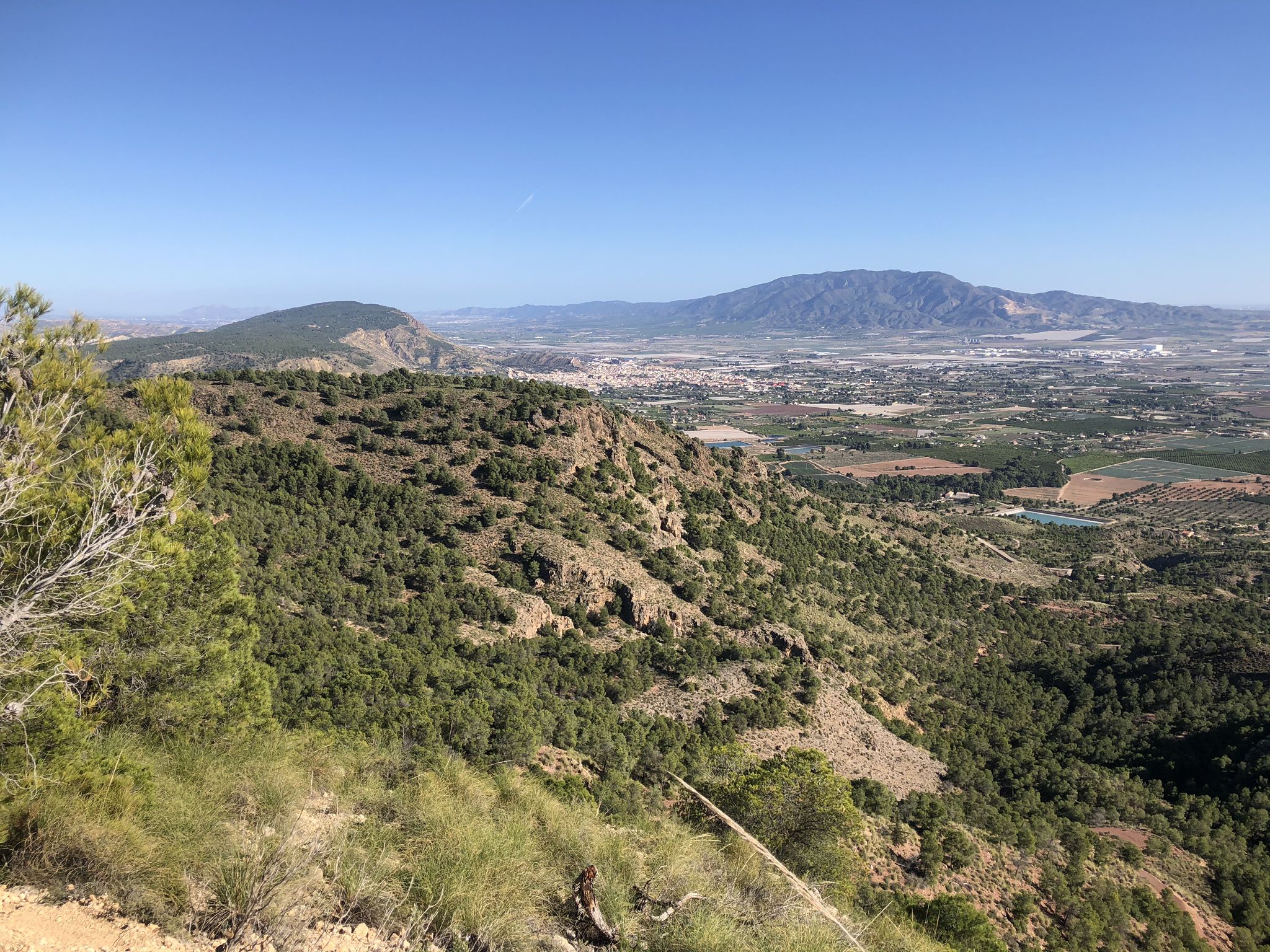
The lungs of Murcia in Spain – Sierra Espuña
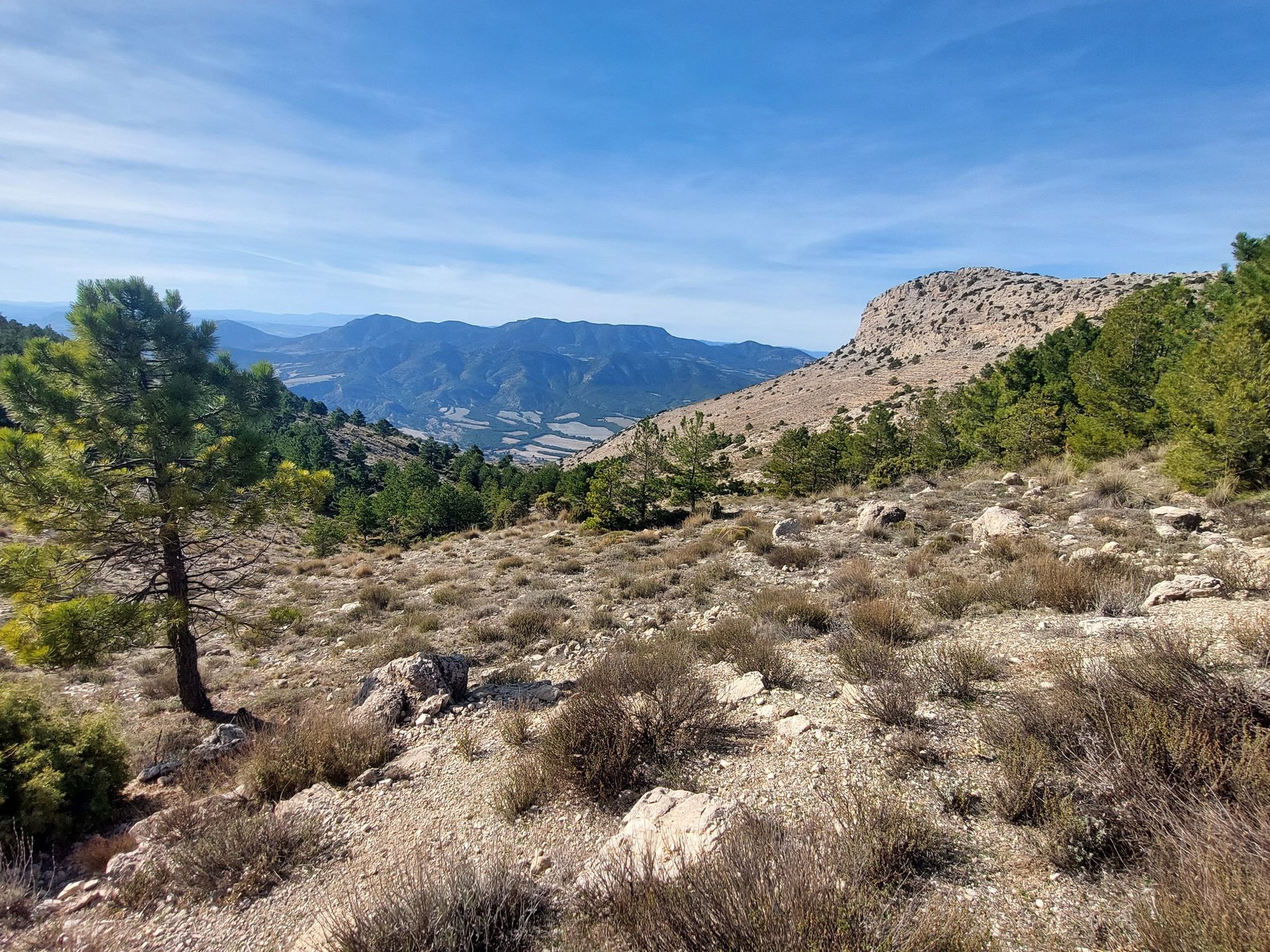
Badlands, limestone hills and pine forests – cycle around Sierra Espuña
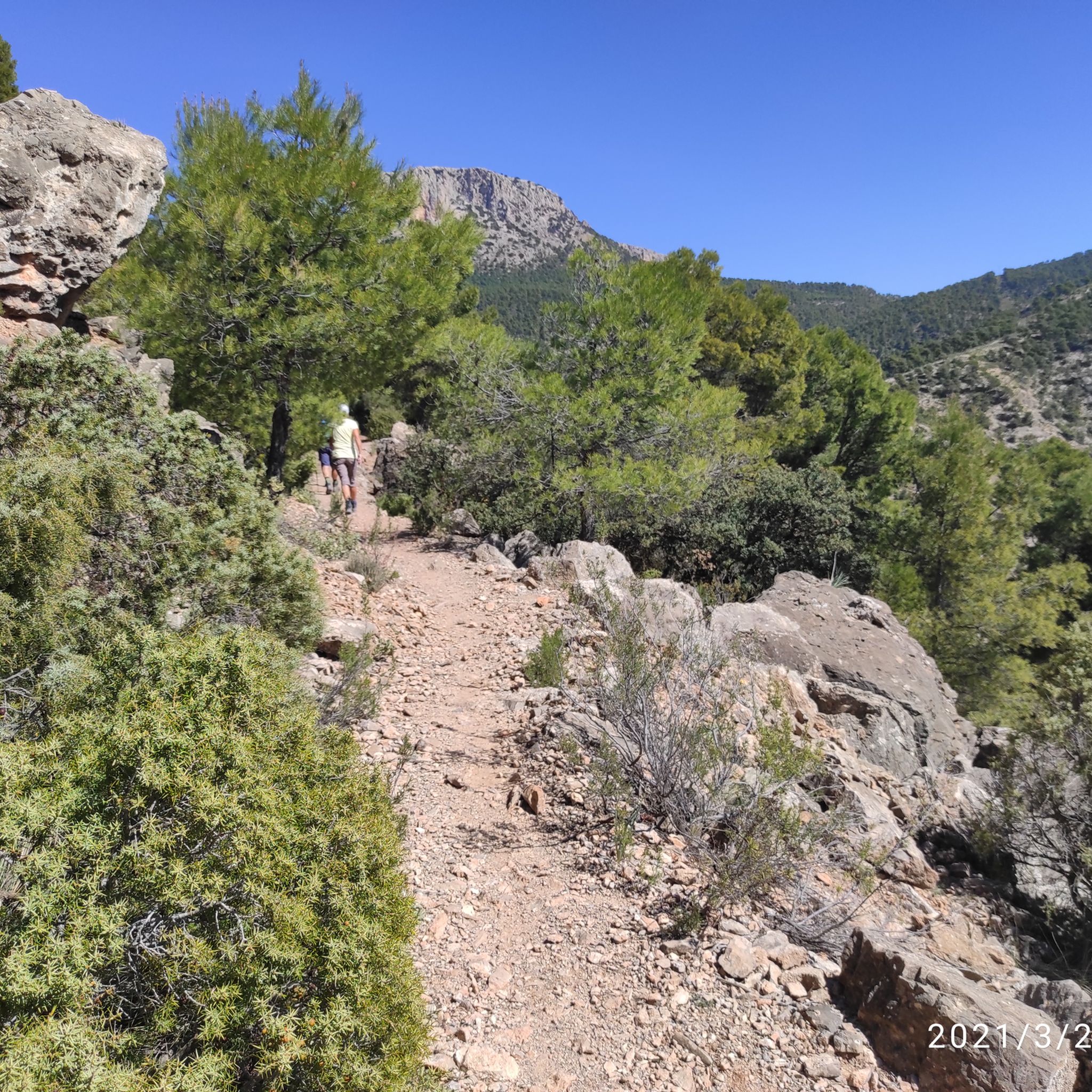
Hiking around National Park Sierra Espuña
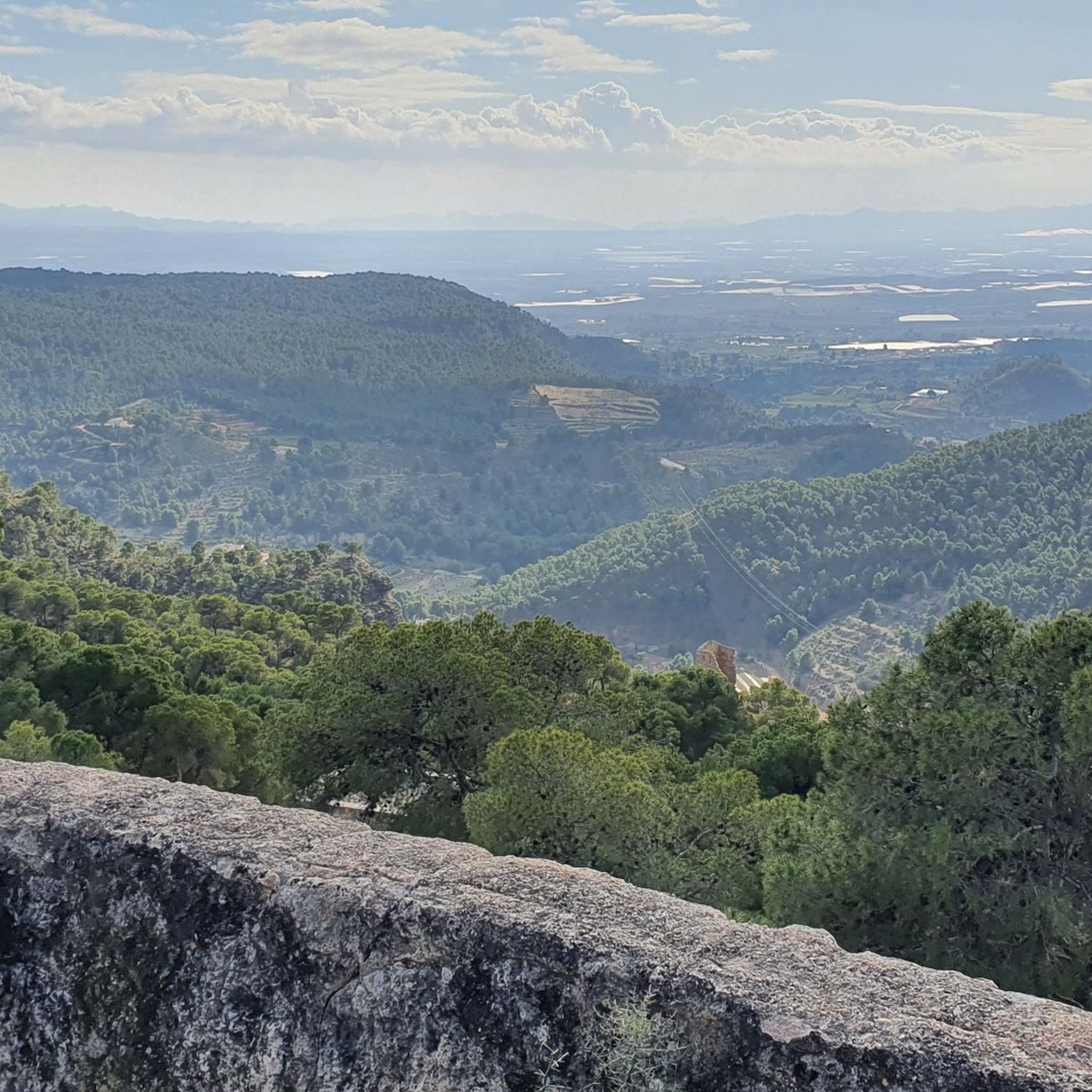
MTB Trails around National Park Sierra Espuña
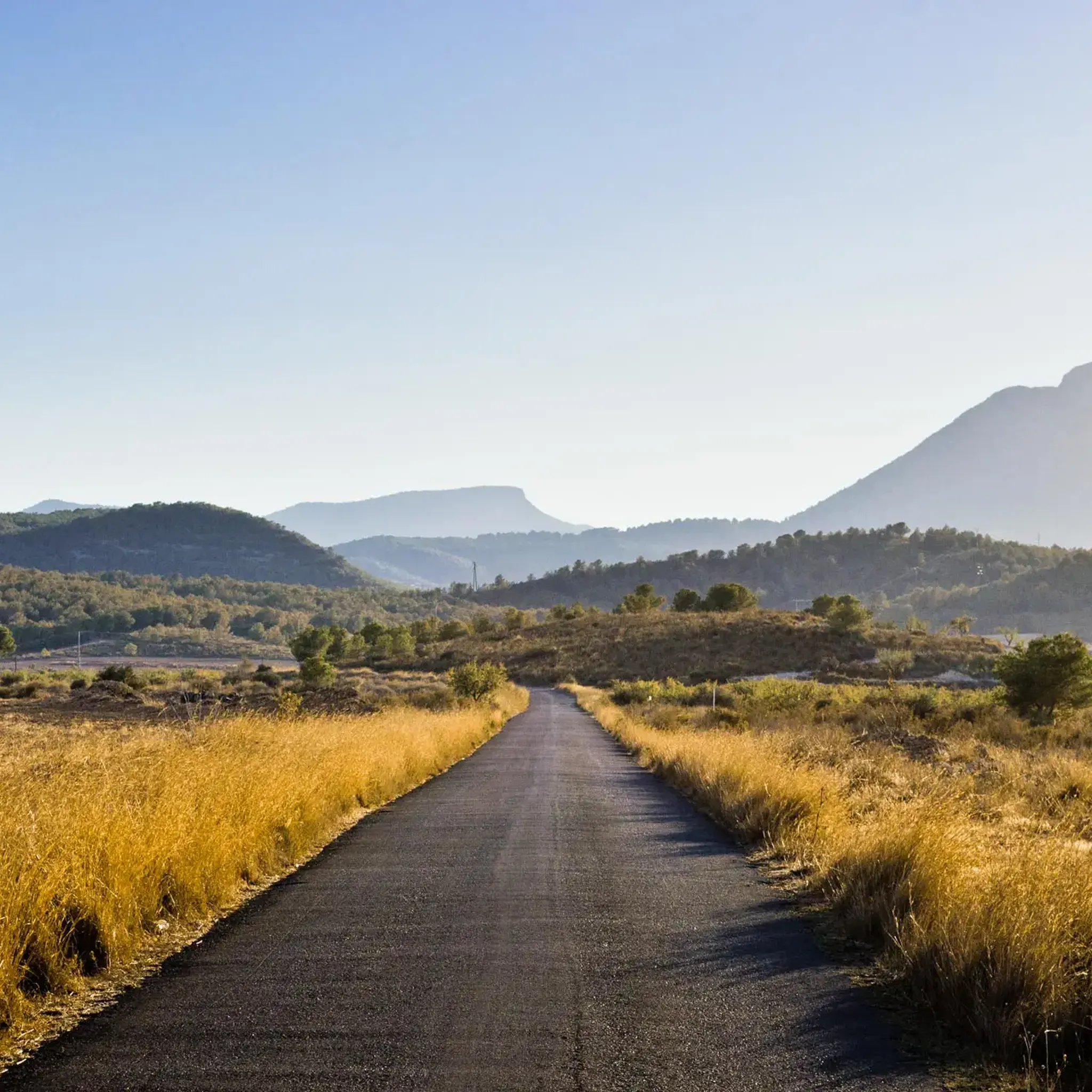
Road Cycling Routes around National Park Sierra Espuña
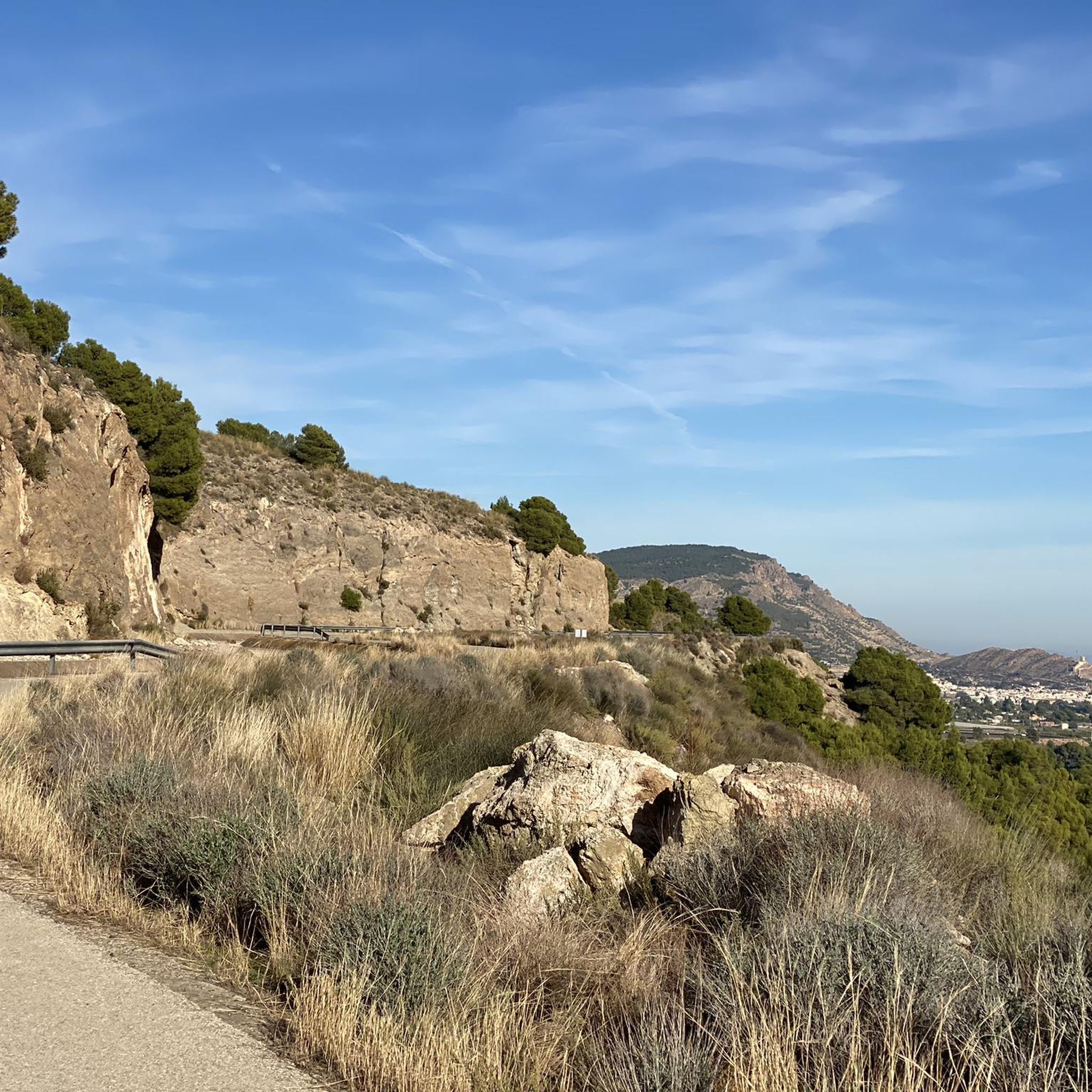
Running Trails around National Park Sierra Espuña
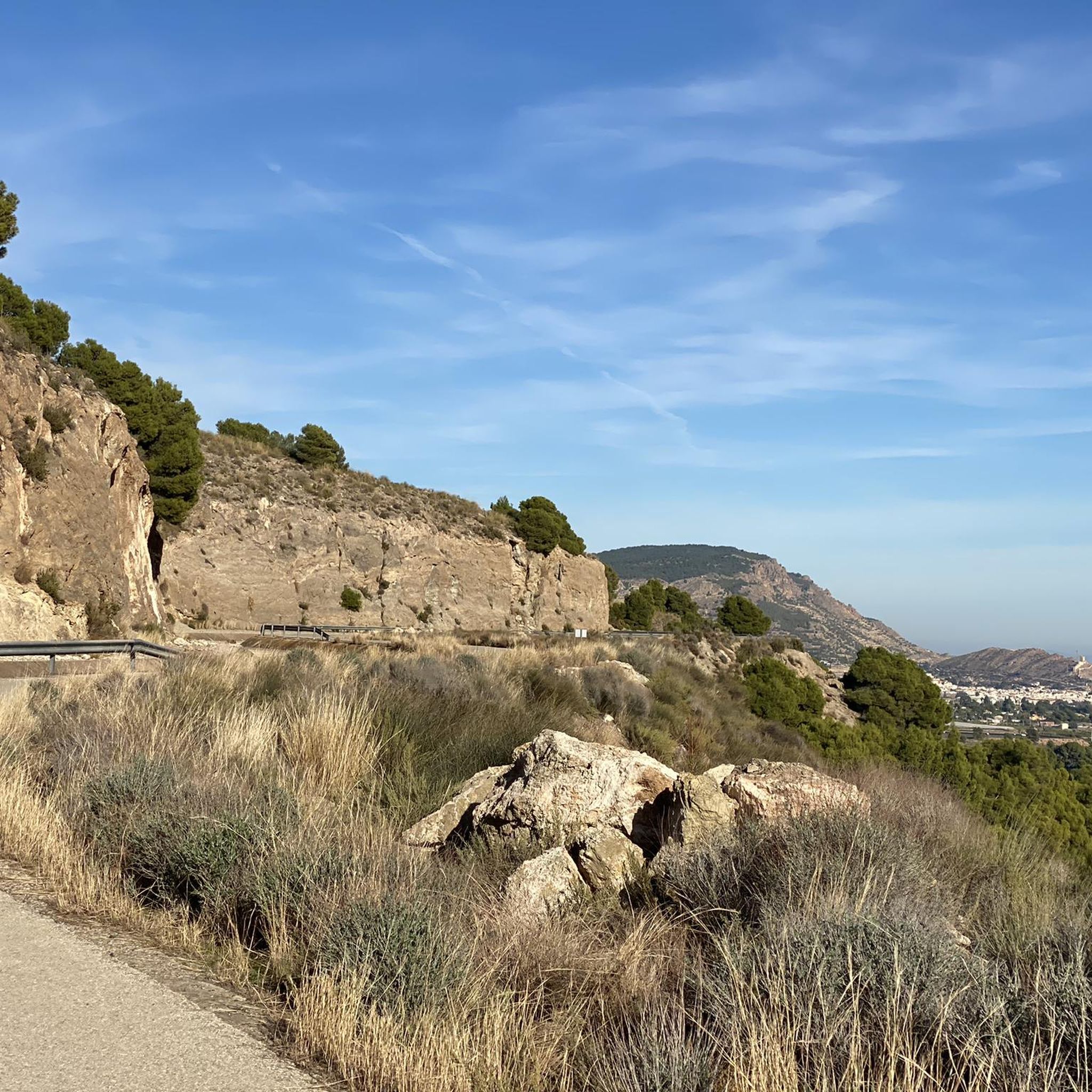
Cycling around National Park Sierra Espuña

Gravel biking around National Park Sierra Espuña
Other adventures around National Park Sierra Espuña


Tips from the Community

From the Ricardo Codorniú Visitor Centre, a very long forest track leads up to this mountain pass.
0
0
At the Visitor Centre, visitors can learn firsthand about the natural values of Sierra Espuña, such as the flora and fauna, the geological history and the hydrological-forestry restoration actions of the late 19th century, as well as information on the cultural values of this protected natural space.
0
1

Very beautiful loop starting from La Perdrix which leads to Morrón de Alhama via the Portillo pass, the Blanco pass and the descent via Carascoy.
1
1

Hermitage of Santa Eulalia
0
1

The former monastery has been converted into a hotel with a lovely café in the courtyard. The monastery church is very fascinating with wonderful works of art. A visit to this contemplative place is definitely worthwhile.
1
0

Good summit to link Collado Mangueta and Morrón de Alhama.
0
0
The Fountain of the Four Pipes
1
0

Summit of the pass through the Enspuña.
0
0
Frequently Asked Questions
What are the most notable natural features in National Park Sierra Espuña?
The park is renowned for its dramatic natural landscapes. Key features include the imposing Paredes de Leyva cliff faces, the distinctive Cuchillos de El Bosque, and the unique Muela plateau. The Barrancos de Gebas, often called 'badlands' or a 'lunar landscape', offer breathtaking views with their gullies, canyons, and a clear blue reservoir. You can also explore the cool, mossy environment of the Estrecho de la Arboleja, a narrow gorge.
Where can I find the best panoramic views in Sierra Espuña?
For spectacular panoramic views, visit Collado Bermejo, a mountain pass at 1,201 meters, offering vistas of the entire Sierra, including the distant Barrancos de Gebas. The Morrón de Alhama Summit (1,444 meters) also provides excellent views of the regional park and the Guadalentín valley. Other notable viewpoints include the Collado Pilón Viewpoint and the Mirador del Cristo.
Are there any historical or cultural sites to visit in the park?
Yes, the park features unique historical sites. The Pozos de Nieve are 25 large, circular stone constructions from the 16th century, used to store snow for ice production. You can also visit the Hermitage of Santa Eulalia, a religious building with a Mudejar-style coffered ceiling, which has been partially converted into a hotel.
What towns near Sierra Espuña offer cultural insights?
Several historical towns border the park. Alhama de Murcia is known for its Roman baths. Aledo features the impressive Calahorra de Aledo castle tower. In Mula, you can explore the archaeological site of 'Los Villaricos'. Pliego is recognized for its orchards and the legacy of the Order of Santiago, while Totana has a strong pottery tradition.
What kind of wildlife can I expect to see in Sierra Espuña?
Sierra Espuña boasts rich biodiversity, a result of extensive reforestation. Its fauna includes around 185 recorded species. You might spot the endemic Espuña squirrel, wild boar, and mouflons. The park is also a significant habitat for birds of prey, such as eagle owls, peregrine falcons, goshawks, and golden eagles.
Where can I find information about the park's natural and cultural heritage?
The Ricardo Codorníu Visitor Center serves as a primary information hub. Here, you can learn about the park's flora, fauna, geological history, and the hydrological-forest restoration efforts from the late 19th century, as well as its cultural values.
Are there family-friendly attractions or activities in the area?
The Hermitage of Santa Eulalia is listed as a family-friendly attraction. The Ricardo Codorníu Visitor Center is also wheelchair accessible, making it suitable for families with strollers. The park's numerous viewpoints and recreational areas like “La Perdiz” offer pleasant spots for families to enjoy nature.
What outdoor activities can I do near these attractions?
The area around National Park Sierra Espuña offers extensive opportunities for outdoor activities. You can find numerous routes for running, cycling, and gravel biking. For running, explore trails like the Siete Hermanos Trail or the Morrón de Alhama Summit loop. Cyclists can enjoy routes such as the Leiva Valley Trail or the Barrancos de Gebas Viewpoint loop. Gravel biking options include the Sierra Espuña gravel tour. You can find more details on these activities in the running, cycling, and gravel biking guides for the region.
Are there hiking trails near the attractions, and what are their difficulty levels?
Yes, there are many hiking trails. For example, the route ascending to Morra de las Moscas and Morrón de Alhama Summit is considered intermediate to challenging, requiring appropriate footwear for some rock climbing. Many routes are well-maintained and cater to various skill levels, from moderate to difficult. You can find detailed information on specific routes and their difficulty in the running guides, which often include hiking options.
Where can I park when visiting attractions in Sierra Espuña?
The Ricardo Codorníu Visitor Center offers parking facilities, making it a convenient starting point for exploring the park. Additionally, the Recreative Area “La Perdiz” also provides parking.
What is the best time to visit National Park Sierra Espuña?
The park can be enjoyed year-round, but seasonal considerations are important. Spring and autumn offer pleasant temperatures for hiking and exploring. In winter, the higher altitudes, such as where the Pozos de Nieve are located, can experience snow, offering a different kind of experience. Summer can be hot, so early morning or late afternoon visits are recommended for outdoor activities.
What do visitors enjoy most about National Park Sierra Espuña?
Visitors particularly appreciate the stunning panoramic views from spots like Collado Bermejo and Morrón de Alhama Summit. The unique geological formations, the rich biodiversity, and the historical insights offered by sites like the Pozos de Nieve and the Hermitage of Santa Eulalia are also highly valued. The extensive network of trails for hiking and cycling also contributes to a highly engaging experience.
Most popular routes around National Park Sierra Espuña
Most popular attractions around National Park Sierra Espuña

Get inspired with the komoot mobile app


Explore more
Still not found the Highlight you’re looking for? See guides of the top attractions in other regions:
