The best traffic-free bike rides around Krasnobrodzki Park Krajobrazowy
4.5
(25)
641
riders
11
rides
No traffic road cycling routes around Krasnobrodzki Park Krajobrazowy traverse a diverse landscape characterized by rolling hills, dense forests, and river valleys. The park, located in eastern Poland's Roztocze region, features elevations exceeding 350 meters above sea level, offering varied terrain for road cyclists. Key geographical elements include significant rock outcrops on hills like Wapielnia (387 m) and Kamień (348 m), alongside the Wieprz River valley with its unique parabolic sand dunes. Over 60% of the park is covered by…
Last updated: October 2, 2026
33
riders
70.3km
02:56
400m
400m
Moderate road ride. Good fitness required. Mostly well-paved surfaces and easy to ride.
5.0
(1)
34
riders
Easy road ride. Great for any fitness level. Mostly well-paved surfaces and easy to ride.

4.0
(1)
27
riders
49.3km
02:06
310m
310m
Moderate road ride. Good fitness required. Mostly well-paved surfaces and easy to ride.
2.0
(2)
18
riders
59.5km
02:43
430m
430m
Moderate road ride. Good fitness required. Some segments of this route may be unpaved and difficult to ride.
16
riders
46.7km
02:06
460m
460m
Moderate road ride. Good fitness required. Mostly well-paved surfaces and easy to ride.
Get access to more routes and recommendations from other explorers.
Already have an account?
Our route recommendations are based on thousands of hikes, rides, and runs completed by other people on komoot.
Start today with a free account
Your next adventure awaits.

Other adventures around Krasnobrodzki Park Krajobrazowy

Tips from the Community

Monument commemorating the fight against locusts in 1711.
0
0

The stone dates from the early 18th century and commemorates the victorious battle of the inhabitants of Zamojszczyzna against locusts.
0
0


This cathedral is a UNESCO-listed treasure with stunning Renaissance architecture and a peaceful atmosphere.
1
0

Start and Finish of the Run Around the Zamość Fortress
0
0

The Church of St. Michael the Archangel in Łosiniec is a historic church from 1797, originally Greek Catholic. In the 19th century it served as an Orthodox church, and since 1919 it has served as a Roman Catholic church. It is distinguished by the traditional wooden sacral architecture of the region and is under the care of a conservator. It is worth visiting to see an interesting example of the interpenetration of cultures on the border.
4
0
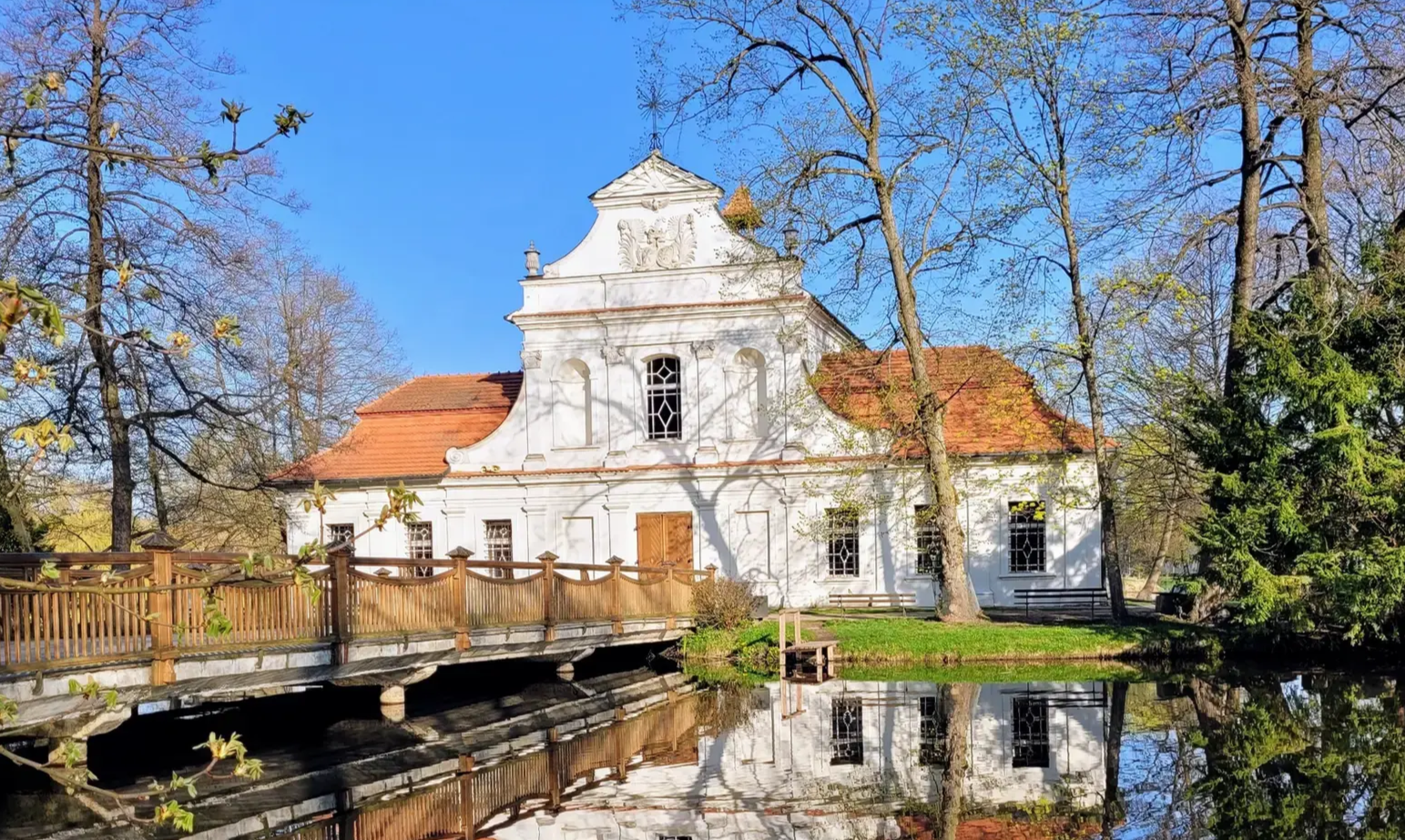
The Church of St. John of Nepomuk in Zwierzyniec is a charming Baroque church built on an island in 1741–1747 as a family chapel for the Zamoyski family. The characteristic bridge leading to the church and the picturesque location make this place a unique point on the map of Roztocze. The interior is decorated with polychrome by Łukasz Smuglewicz and paintings in the side chapels, including a painting of the coronation of the Virgin Mary attributed to him. The building is easily accessible by bike – it is worth stopping for a moment and looking inside.
3
0

delicious beers in different varieties, you can also put something on a hungry stomach
0
0
Frequently Asked Questions
How many no-traffic road cycling routes are available in Krasnobrodzki Park Krajobrazowy?
There are over 40 dedicated no-traffic road cycling routes in Krasnobrodzki Park Krajobrazowy. These routes offer a mix of easy and moderate challenges, ensuring options for various skill levels.
What kind of terrain can I expect on the no-traffic road cycling routes?
The no-traffic road cycling routes in Krasnobrodzki Park Krajobrazowy primarily feature asphalt surfaces, with some routes noted for being 100% asphalt. You'll encounter varied terrain, including picturesque river valleys, forested areas, and gentle elevations, with some hills reaching over 350 meters above sea level, providing a good challenge.
Are there any easy no-traffic road cycling routes suitable for beginners or families?
Yes, Krasnobrodzki Park Krajobrazowy offers 12 easy no-traffic road cycling routes. A good option for a less strenuous ride is the Mom's Restaurant – Roztocze National Park loop from Krasnobród, which covers about 40 km with moderate elevation gain, making it suitable for those looking for a relaxed experience.
What are some notable attractions or points of interest along these routes?
Many routes pass by or near significant landmarks. You can visit the St. Roch Chapel, a pilgrimage site nestled in a beautiful forest. The Krasnobród Reservoir offers a sandy beach and recreational activities. You might also encounter the scenic Sopot River, known for its picturesque cascades in the 'Szumy nad Sopotem' Reserve.
Are there any circular no-traffic road cycling routes?
Yes, many of the no-traffic road cycling routes in the park are designed as loops. For example, the Jan Zamoyski Monument – Hubale Nature Reserve loop from Krasnobród offers a substantial circular ride of over 70 km, allowing you to start and end in the same location.
What is the best time of year for road cycling in Krasnobrodzki Park Krajobrazowy?
The best time for road cycling in Krasnobrodzki Park Krajobrazowy is typically from spring through early autumn (April to October). During these months, the weather is generally pleasant, and the natural landscapes, including the forests and river valleys, are at their most vibrant.
What do other road cyclists enjoy most about cycling in Krasnobrodzki Park Krajobrazowy?
The komoot community highly rates the road cycling experience in Krasnobrodzki Park Krajobrazowy, with an average score of 4.6 out of 5 stars. Reviewers often praise the quiet, traffic-free roads, the diverse and picturesque landscapes, and the opportunity to explore natural features like the Wieprz River valley and the Roztocze hills.
Are there routes that offer significant elevation changes for a more challenging ride?
Yes, the park's varied terrain includes elevations exceeding 350 meters above sea level, providing challenging options. Routes like the Chapel on the water loop from Krasnobród feature over 460 meters of elevation gain, offering a good workout for experienced cyclists.
Is there parking available for cyclists near the no-traffic routes?
Krasnobród, being a health and holiday resort, offers various amenities, including parking options. Many routes start from or pass through Krasnobród, making it a convenient base for parking your vehicle before heading out on your ride.
Can I reach Krasnobrodzki Park Krajobrazowy using public transport?
While specific public transport details for reaching trailheads directly are limited, Krasnobród itself is a well-known resort town. It's advisable to check local bus or train schedules to Krasnobród or nearby larger towns, and then plan your cycling route from there.
Are there any viewpoints or scenic spots along the no-traffic road cycling routes?
Yes, the park is known for its picturesque landscapes. You can find impressive geological formations and elevated views from hills like Hell Hill (or "Stone" Hill) and Wapielnia. The Wieprz River valley also offers unique parabolic sand dunes and scenic spots.
Are dogs allowed on the no-traffic road cycling routes?
Generally, dogs are permitted on trails within Krasnobrodzki Park Krajobrazowy, provided they are kept on a leash. However, it's always recommended to check specific regulations for any nature reserves or protected areas you plan to cycle through, such as the Święty Roch Nature Reserve.
Most popular routes around Krasnobrodzki Park Krajobrazowy
Most popular attractions around Krasnobrodzki Park Krajobrazowy

Get inspired with the komoot mobile app


Explore more
Browse the best Road cycling routes in other regions.
