The best traffic-free bike rides around Réserve naturelle des Isles du Drac
4.3
(1467)
25,258
riders
85
rides
Touring cycling around Réserve naturelle des Isles du Drac offers routes through a unique landscape shaped by the confluence of mountain and Mediterranean influences. The region features diverse ecosystems, including gravel banks, low-lying shores, alluvial forests, and wetlands, providing varied scenery for cyclists. Routes often follow the Drac river, showcasing riverine views and pebble banks, with dedicated cycle paths available. This natural reserve, situated near Grenoble, spans 15 kilometers along the Drac river.
Best no traffic touring cycling routes around…
Last updated: November 12, 2026
4
riders
28.3km
02:52
930m
930m
Hard bike ride. Very good fitness required. Mostly paved surfaces.
9
riders
8.45km
00:29
30m
30m
Easy bike ride. Mostly paved surfaces.

3.0
(1)
5
riders
21.3km
01:21
190m
190m
Moderate bike ride. Good fitness required. Mostly paved surfaces.
4
riders
Easy bike ride. Mostly paved surfaces.
4
riders
5.78km
00:20
20m
20m
Easy bike ride. Mostly paved surfaces.
Get access to more routes and recommendations from other explorers.
Already have an account?
Our route recommendations are based on thousands of hikes, rides, and runs completed by other people on komoot.
Start today with a free account
Your next adventure awaits.
Popular around Réserve naturelle des Isles du Drac
Other adventures around Réserve naturelle des Isles du Drac

Tips from the Community

A rather pleasant place frequented by fishermen and children who come here on bicycles. In spring, you can hear frog concerts there.
1
0

The Pont de Claix or Pont Lesdiguières was built between 1608 and 1611 on the Drac, at the request of market gardeners from the fertile plains of Claix who at the time needed to cross the Drac to sell their products in Grenoble.
0
0


Wetland area suitable for bird watching.
0
0

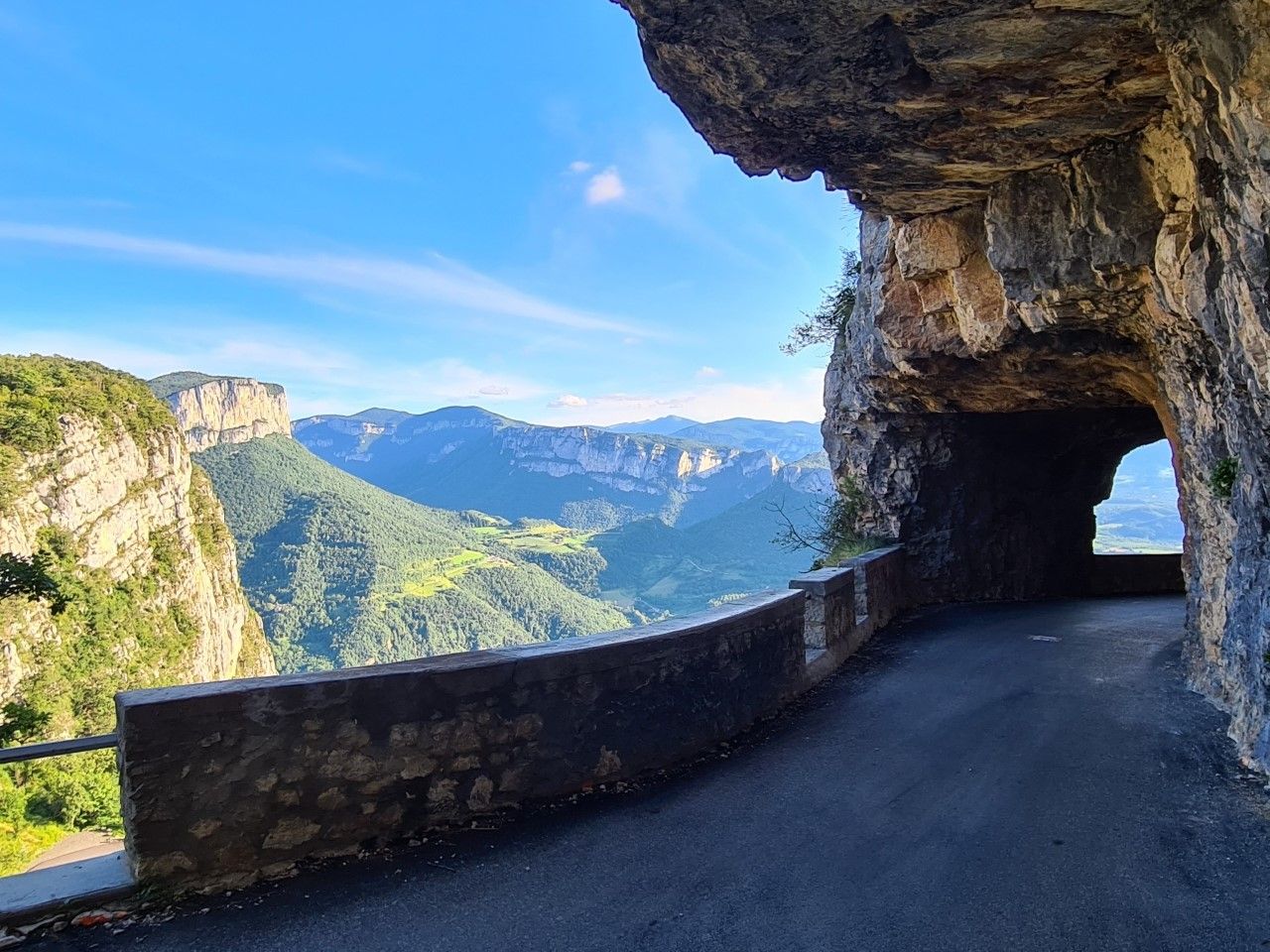
The beginning of the descent from Champagnier to Champ sur Drac below. The road is quite narrow, but the descent is not too technical. Visibility is quite good, but some corners are blind.
1
0


The Claix bridge, which was built between 1608 and 1611 under the leadership of Constable Lesdiguières, allowed the easy crossing of the Drac and regular communication between Grenoble and close campaigns. Still looking medieval with its donkey road, its only arch with a range of 46 meters and 16m high, represented at the time a real technical feat. The bridge was at the time two inscriptions: "UNUS DISTANCIA JUNGO" (Unique by my length, I gathered) and "ROMANA MOLES PUDORE SUFFUNDO" (I make shame Roman buildings). It is classified historic monument in 1898.
2
1
Frequently Asked Questions
How many no traffic touring cycling routes are available in Réserve naturelle des Isles du Drac?
There are over 100 dedicated no traffic touring cycling routes around the Réserve naturelle des Isles du Drac. These routes offer a diverse range of experiences, from easy, flat paths to more challenging rides, ensuring there's something for every skill level.
Are there easy no traffic touring cycling routes suitable for beginners or families?
Yes, the Réserve naturelle des Isles du Drac offers a good selection of easy, no traffic touring cycling routes perfect for beginners and families. For example, the Bridge for Bikes & Pedestrians loop from Vif is an easy option, covering just under 10 km with minimal elevation gain. The region's nearly flat loop around the confluence of the Isère and Drac rivers also largely utilizes dedicated cycle paths, making it very accessible.
What kind of landscapes can I expect on these no traffic touring cycling routes?
The no traffic touring cycling routes in the Réserve naturelle des Isles du Drac traverse a unique blend of mountain and Mediterranean landscapes. You'll experience diverse ecosystems including gravel banks, low-lying shores, alluvial forests, and wetlands. Expect picturesque views along the Drac river, with paths winding through meadows and woodlands, offering both shaded sections and open vistas.
Can I observe wildlife while cycling in the Réserve naturelle des Isles du Drac?
Absolutely. The reserve is a significant biodiversity hotspot, home to 482 animal species and over 700 plant species. Cyclists have excellent opportunities to observe wildlife, with specific sites like Chasse Barbier offering observation platforms. Keep an eye out for emblematic species such as the European Nightjar, European Beaver, and various amphibians, reptiles, and insects.
What is the best time of year for touring cycling in the Réserve naturelle des Isles du Drac?
The best time for touring cycling in the Réserve naturelle des Isles du Drac is generally from spring through autumn. During these seasons, the weather is most favorable, and the natural landscapes are at their most vibrant. While some routes may be accessible in winter, it's always advisable to check local weather conditions, especially regarding potential sudden water level changes in the river areas.
Are there any challenging no traffic touring cycling routes for experienced riders?
Yes, for experienced touring cyclists seeking a challenge, there are several difficult no traffic routes. An example is the Along the Isère – La Belle Via in Saint-Égrève loop from Pont-de-Claix, which spans over 92 km with significant elevation gain. Another demanding option is the Côté Rouge orientation table – Pont de la Rivoire loop from Vif, offering a long ride with over 1100 meters of ascent.
Are there any circular no traffic touring cycling routes available?
Many of the no traffic touring cycling routes in the Réserve naturelle des Isles du Drac are circular, allowing you to start and end at the same point. A notable example is the nearly flat loop around the confluence of the Isère and Drac rivers, which is well-suited for all cycling abilities. The Nice View loop from Saint-Georges-de-Commiers is another circular route, offering scenic views for those looking for a moderate challenge.
What do other cyclists enjoy most about touring cycling in Réserve naturelle des Isles du Drac?
The area is highly rated by the komoot community, with an average score of 4.36 out of 5 stars. Reviewers often praise the unique blend of mountain and Mediterranean scenery, the tranquility of the dedicated no traffic paths, and the rich biodiversity that makes for an engaging cycling experience. The well-maintained routes and opportunities for wildlife observation are frequently highlighted.
Are there any specific attractions or points of interest along the no traffic routes?
While cycling the no traffic routes, you can enjoy several points of interest. The Confluence Loop offers views of the Isère and Drac rivers merging, and you might even spot some street art. The Chasse Barbier site features an interpretive trail with educational markers, providing insights into the local flora and fauna. For more general information about the reserve, you can visit the Grenoble Tourisme website.
How can I find parking for these no traffic touring cycling routes?
Many of the starting points for touring cycling routes around the Réserve naturelle des Isles du Drac offer convenient parking options. Specific parking availability can vary by route, so it's recommended to check the individual tour details on komoot for the most accurate information regarding designated parking areas near your chosen starting point.
Are there any cafes or places to stop for refreshments along the routes?
While the routes themselves focus on natural, no traffic environments, many are situated close to towns and villages where you can find cafes, bakeries, and restaurants. It's advisable to plan your route and check for refreshment stops in nearby communities like Vif or Pont-de-Claix, especially for longer rides. Always carry sufficient water and snacks, as services might not be directly on the trail.
Most popular routes around Réserve naturelle des Isles du Drac

Get inspired with the komoot mobile app


Explore more
Browse the best Cycling routes in other regions.
