The best traffic-free bike rides around Réserve Naturelle du delta de la Sauer
4.5
(391)
5,591
riders
36
rides
No traffic road cycling routes around Réserve Naturelle du delta de la Sauer traverse a unique landscape at the confluence of the Sauer and Rhine rivers. The region is characterized by extensive alluvial forests, wet meadows, and reed beds, with hydrology influenced by fluctuating river levels. Dedicated and well-maintained cycle paths provide smooth riding through floodplains and along dikes, offering varied scenery.
Best no traffic road cycling routes around Réserve Naturelle du delta de la Sauer
- The most popular no…
Last updated: November 12, 2026
3.0
(1)
11
riders
42.1km
01:45
280m
280m
Easy road ride. Mostly well-paved surfaces and easy to ride.
4.0
(1)
14
riders
73.3km
03:21
700m
700m
Moderate road ride. Good fitness required. Some segments of this route may be unpaved and difficult to ride.

4.7
(17)
355
riders
57.9km
02:26
120m
120m
Moderate road ride. Good fitness required. Some segments of this route may be unpaved and difficult to ride.
16
riders
48.5km
02:11
340m
340m
Moderate road ride. Good fitness required. Some segments of this route may be unpaved and difficult to ride.
8
riders
24.2km
01:01
190m
190m
Easy road ride. Mostly well-paved surfaces and easy to ride.
Get access to more routes and recommendations from other explorers.
Already have an account?
Our route recommendations are based on thousands of hikes, rides, and runs completed by other people on komoot.
Start today with a free account
Your next adventure awaits.
Popular around Réserve Naturelle du delta de la Sauer

Tips from the Community


The Rhine itself is not directly visible here, but rather a harbor basin or an old Rhine arm. The Rhine is not far away, however.
1
1

The Rhine is one of the most important rivers in Europe and has a length of approximately 1,233 km. Its source lies in the Swiss Alps, where it originates from several mountain streams. From there, it first flows through Switzerland and then partly forms the border between Germany and France, before continuing through Germany and finally the Netherlands. Near Rotterdam, the Rhine divides into several distributaries and finally reaches the North Sea. Its drainage basin is very large (approx. 185,000 km²) and includes many tributaries such as the Moselle, Main, or Neckar. The Rhine has great importance for Europe: Shipping: One of the most important waterways in the world for trade and transport Economy: Connection of many industrial and port cities Nature: Habitat for numerous animal and plant species Energy: Utilization through hydropower in the Alpine regions Due to its location and use, the Rhine is considered one of the most important lifelines of Central Europe.
1
0


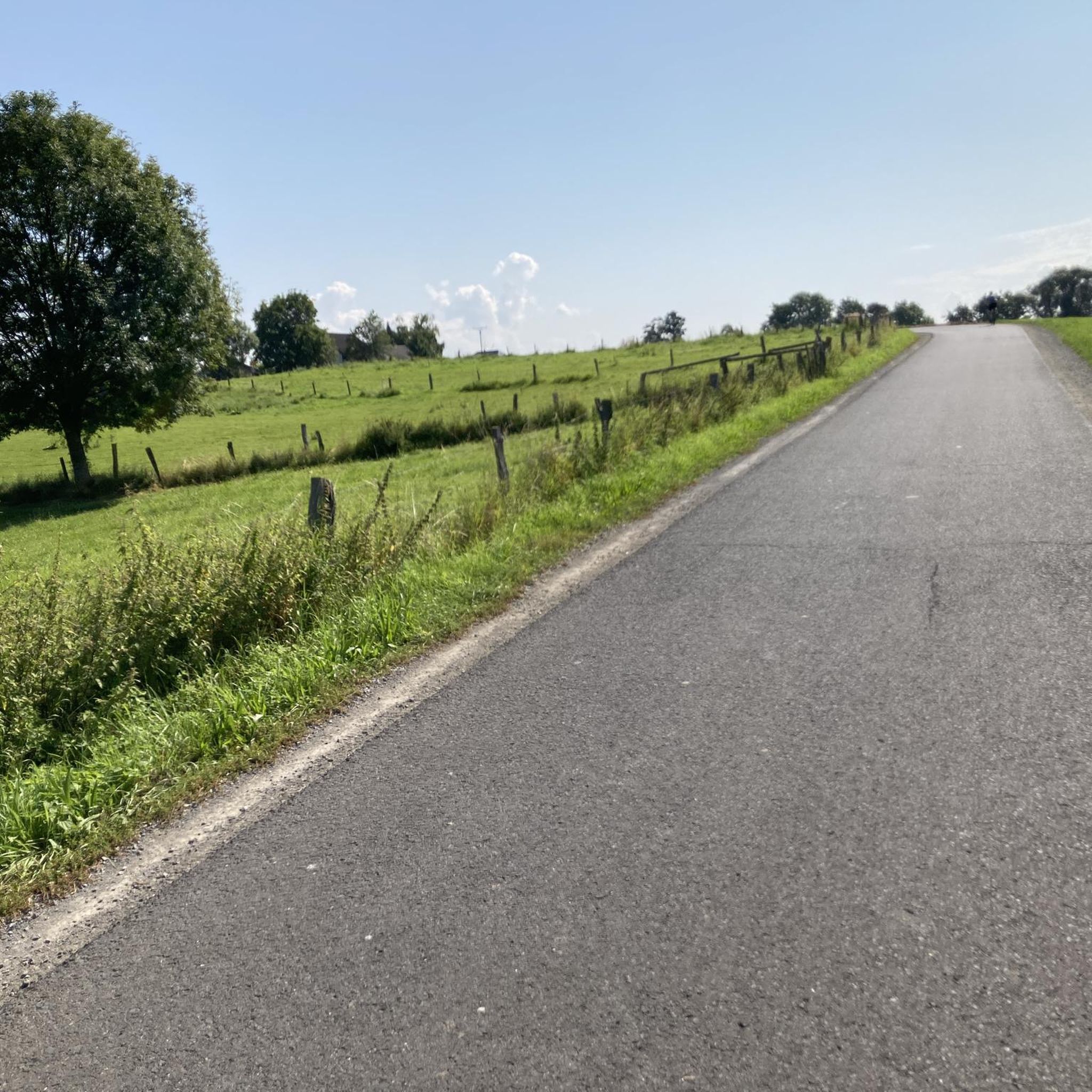
The road from the Förcher Kreisel to Ebersteinburg is still closed. You can get through the village or the construction site by bike. You should take advantage of it and ride up while it's still closed and there are no cars.
0
0


Frequently Asked Questions
How many no traffic road cycling routes are available in the Réserve Naturelle du delta de la Sauer?
There are over 40 dedicated no traffic road cycling routes in the Réserve Naturelle du delta de la Sauer, offering a wide range of options for cyclists looking for peaceful rides. You'll find 21 easy routes and 20 moderate routes to explore.
What do other road cyclists enjoy most about the no traffic routes in the Réserve Naturelle du delta de la Sauer?
The komoot community highly rates road cycling in this region, with an average score of 4.6 stars. Cyclists frequently praise the well-maintained cycle paths through the delta's floodplains and the scenic, varied landscapes, especially along the Rhine Cycle Route. The tranquility and natural beauty are often highlighted.
What kind of landscapes can I expect to see on these traffic-free routes?
The Réserve Naturelle du delta de la Sauer offers diverse natural landscapes, including alluvial forests, wet meadows, depressions, and reed beds. You'll cycle alongside the confluence of the Sauer and Rhine rivers, experiencing areas shaped by fluctuating water levels. Expect to see white willow forests, willow-poplar groves, and hardwood forests of ash, oak, and elm, especially on higher ground and dikes.
Are there any easy no traffic road bike trails for beginners in the Réserve Naturelle du delta de la Sauer?
Yes, there are 21 easy no traffic road cycling routes perfect for beginners or those seeking a relaxed ride. These routes typically feature minimal elevation gain and smooth surfaces. An example is the Wintersdorf Rhine Bridge – Beinheim ⟷ Selz loop from Munchhausen, which is an easy 25 km route.
Can I spot wildlife while cycling in the Sauer Delta?
Absolutely. The reserve is renowned for its rich biodiversity, making it an excellent spot for nature observation. It's home to 183 bird species, including the bluethroat, penduline tit, great reed warbler, and black kite. You might also encounter abundant amphibian populations, such as green tree frogs. Keep an eye out for swans and other waterfowl, especially when water levels recede and mudflats emerge.
What points of interest can I explore along the no traffic road cycling routes?
Along your rides, you can explore several natural and scenic points of interest. These include the Sauer Delta Nature Reserve itself, the Rhine Cycle Route at Beinheim, and the Bridge over the Sauer. You'll also experience the expansive Rhine and its flood plains. An interpretive trail titled "Man and the Rhine, lives in common" also offers insights into the area's heritage.
Are there options for longer no traffic road bike routes, for example around 40km or more?
Yes, the region offers several longer no traffic road cycling routes. For instance, the Along the Rhine loop from Seltz is nearly 50 km, and the Along the Rhine – Rhine Cycle Path near Maximiliansau loop from Seltz covers over 58 km. For even longer rides, consider the Hermerswiller – Seebach Town Hall loop from Munchhausen at 69 km or the Beinheim ⟷ Selz – Wintersdorf Rhine Bridge loop from Munchhausen which is over 73 km.
What is the best season for no traffic road biking in the Réserve Naturelle du delta de la Sauer?
The Réserve Naturelle du delta de la Sauer is enjoyable for road cycling throughout much of the year. Spring and autumn offer pleasant temperatures and beautiful scenery, with spring bringing lush greenery and autumn showcasing vibrant foliage. Summer is also popular, though it can be warmer. Winter cycling is possible, but some paths might be affected by weather conditions, especially during periods of high water or frost.
Are there circular no traffic road bike routes available?
Yes, many of the no traffic road cycling routes in the Réserve Naturelle du delta de la Sauer are designed as circular loops, allowing you to start and end at the same point. This makes planning your ride convenient. Examples include the Along the Rhine loop from Seltz and the Hermerswiller – Seebach Town Hall loop from Munchhausen.
Is there parking available for these traffic-free road bike trails?
While specific parking locations are not detailed for every route, the region is well-equipped for visitors. Given its popularity for cycling and nature observation, you can typically find parking facilities in nearby towns or designated areas close to popular trailheads. It's advisable to check local information for specific starting points.
How can I reach the Réserve Naturelle du delta de la Sauer by public transport for road cycling?
The Réserve Naturelle du delta de la Sauer is accessible, and public transport options may include regional train services or buses to nearby towns like Seltz or Munchhausen. From these points, you can often connect directly to the cycling network. We recommend checking local public transport schedules for the most up-to-date information on routes and connections to the reserve.
Are there cafes or places to stop along the no traffic road bike trails?
While the routes themselves focus on natural, traffic-free paths, the surrounding towns and villages near the Réserve Naturelle du delta de la Sauer offer various amenities. You'll find cafes, restaurants, and shops in places like Seltz, Munchhausen, or Beinheim, which are often integrated into or easily accessible from the cycling network. These make for convenient stops to refuel and relax during your ride.
Most popular routes around Réserve Naturelle du delta de la Sauer
Most popular attractions around Réserve Naturelle du delta de la Sauer

Get inspired with the komoot mobile app


Explore more
Browse the best Road cycling routes in other regions.
