The best hikes from bus stations in the Bezirk Krems
4.6
(7162)
41,476
hikers
777
hikes
Hiking in the Bezirk Krems offers diverse landscapes at the eastern edge of the Wachau Valley, where the Krems and Danube Rivers converge. The region features terraced vineyards, apricot orchards, and dense forests, transitioning between primary rock and loess soils. Rolling hills and the Jauerling, the highest mountain on the Danube, provide varied topography for outdoor activities.
Best bus station hiking trails in the Bezirk Krems
- The most popular bus station hiking route is Vogelbergsteig and Dürnstein castle ruins tour…
Last updated: May 16, 2026
4.9
(531)
3,148
hikers
5.89km
02:31
330m
330m
Hard hike. Good fitness required. Sure-footedness, sturdy shoes and alpine experience required.
4.7
(83)
425
hikers
10.3km
03:38
480m
470m
Moderate hike. Good fitness required. Mostly accessible paths. Sure-footedness required.

Sign up for free
4.7
(3)
7
hikers
23.6km
06:27
360m
350m
Hard hike. Very good fitness required. Easily-accessible paths. Suitable for all skill levels.
4.7
(104)
456
hikers
Moderate hike. Good fitness required. Easily-accessible paths. Suitable for all skill levels.
4.8
(92)
491
hikers
7.12km
02:18
230m
230m
Moderate hike. Good fitness required. Mostly accessible paths. Sure-footedness required.
Get access to more routes and recommendations from other explorers.
Sign up for free
Already have an account?
Our route recommendations are based on thousands of hikes, rides, and runs completed by other people on komoot.
Start today with a free account
Your next adventure awaits.
Login or Signup
Popular around Bezirk Krems

Hikes from bus stations in Jauerling-Wachau
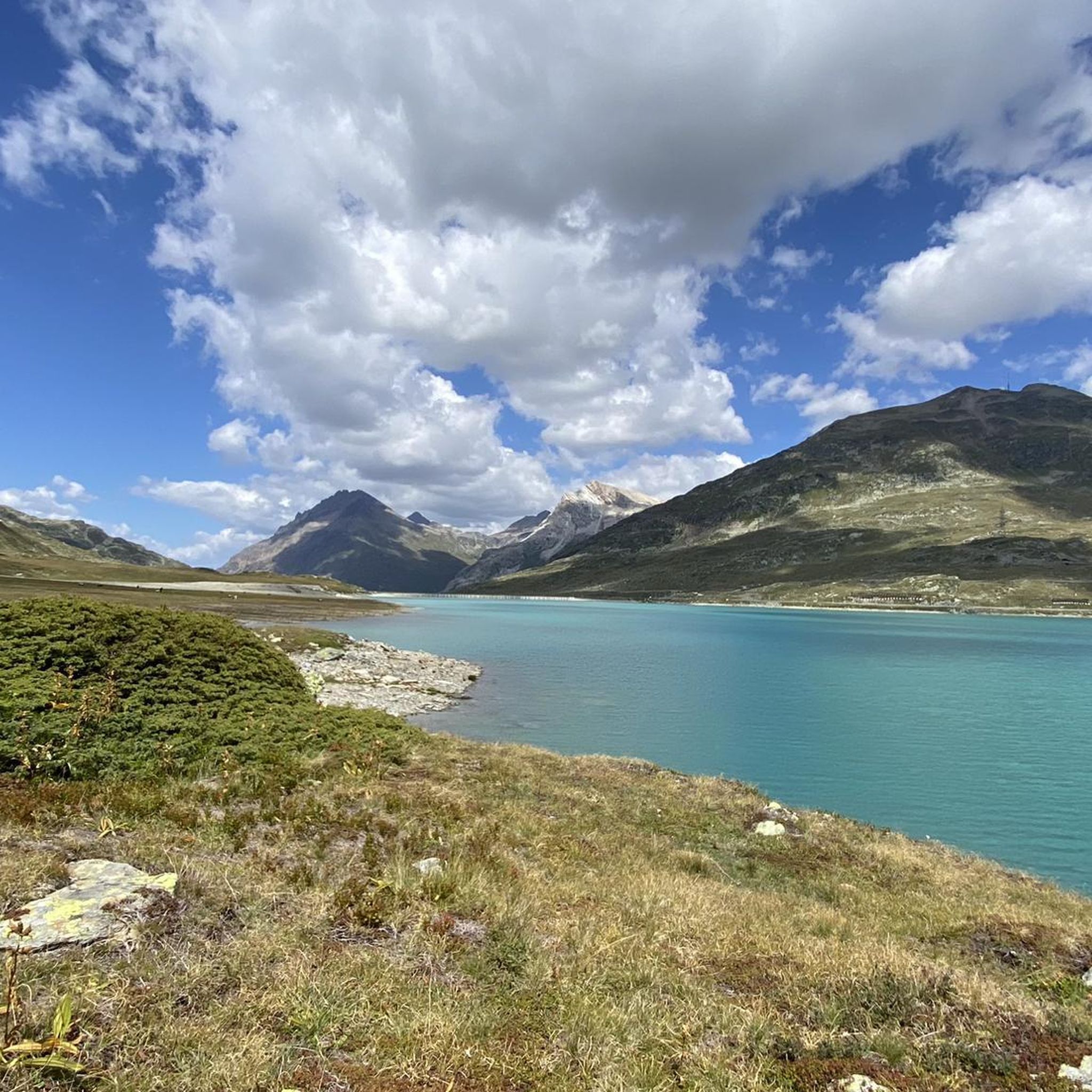
Hikes from bus stations around Rastenfeld
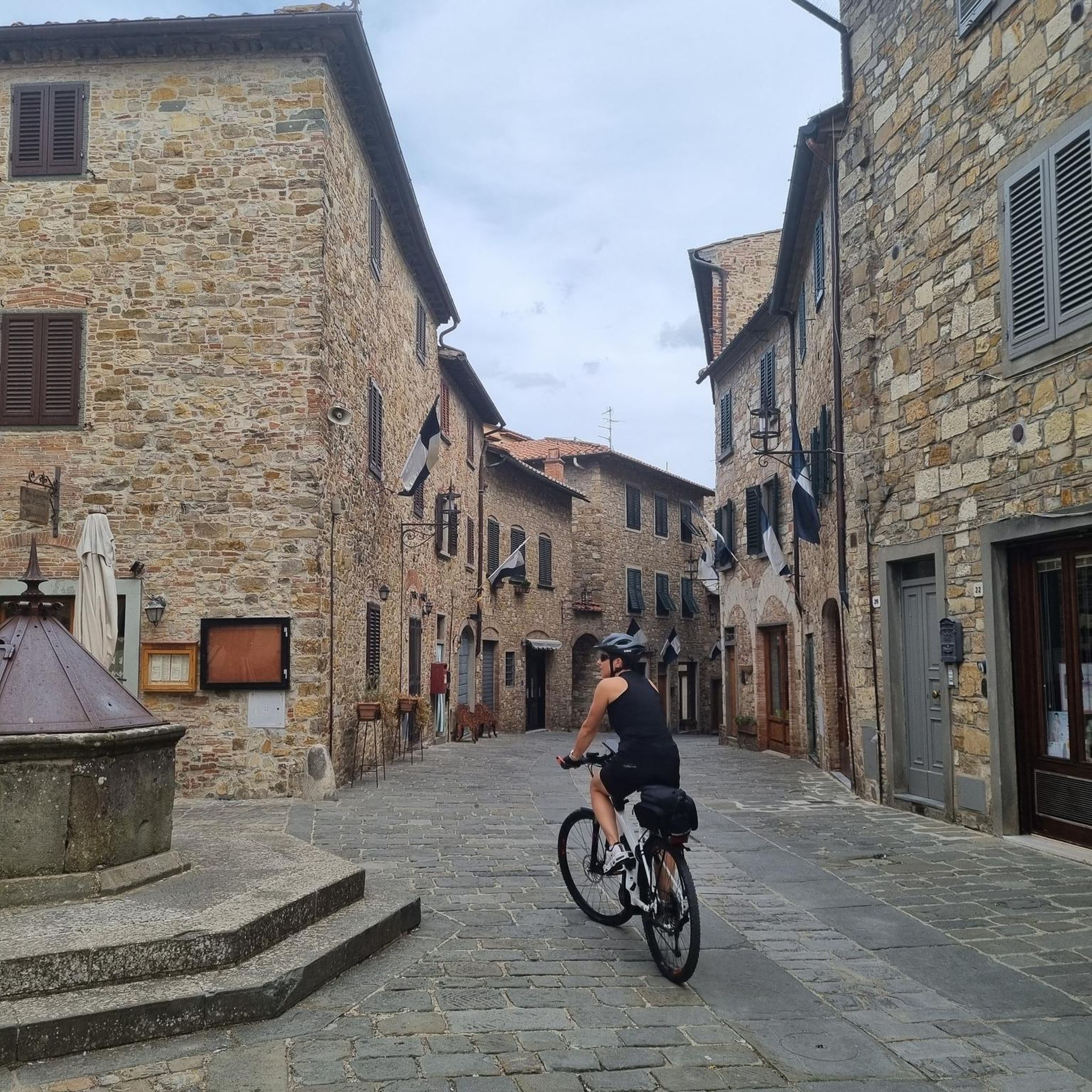
Hikes from bus stations around Mautern an der Donau
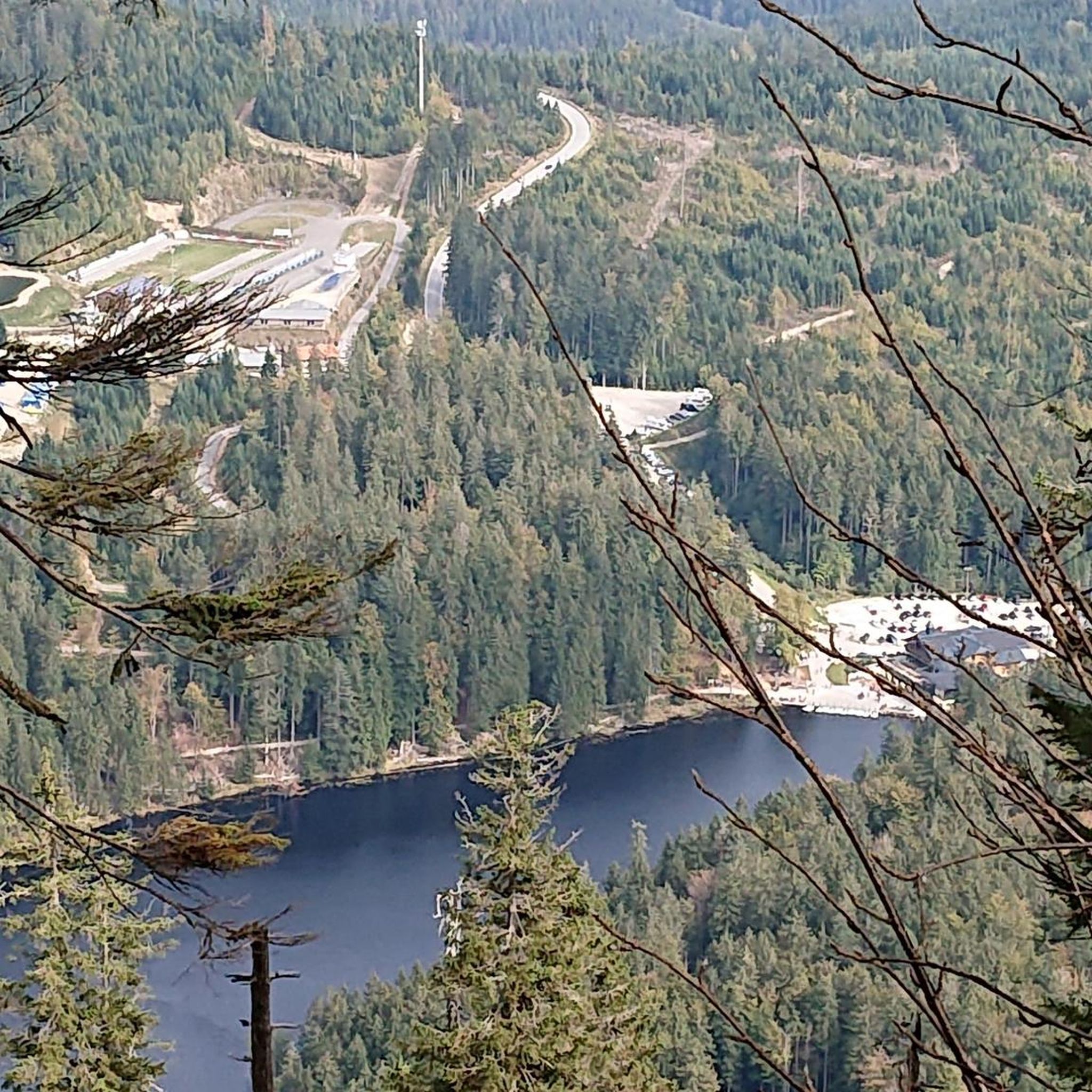
Hikes from bus stations in Kamptal-Schönberg Nature Park

Hikes from bus stations around Spitz
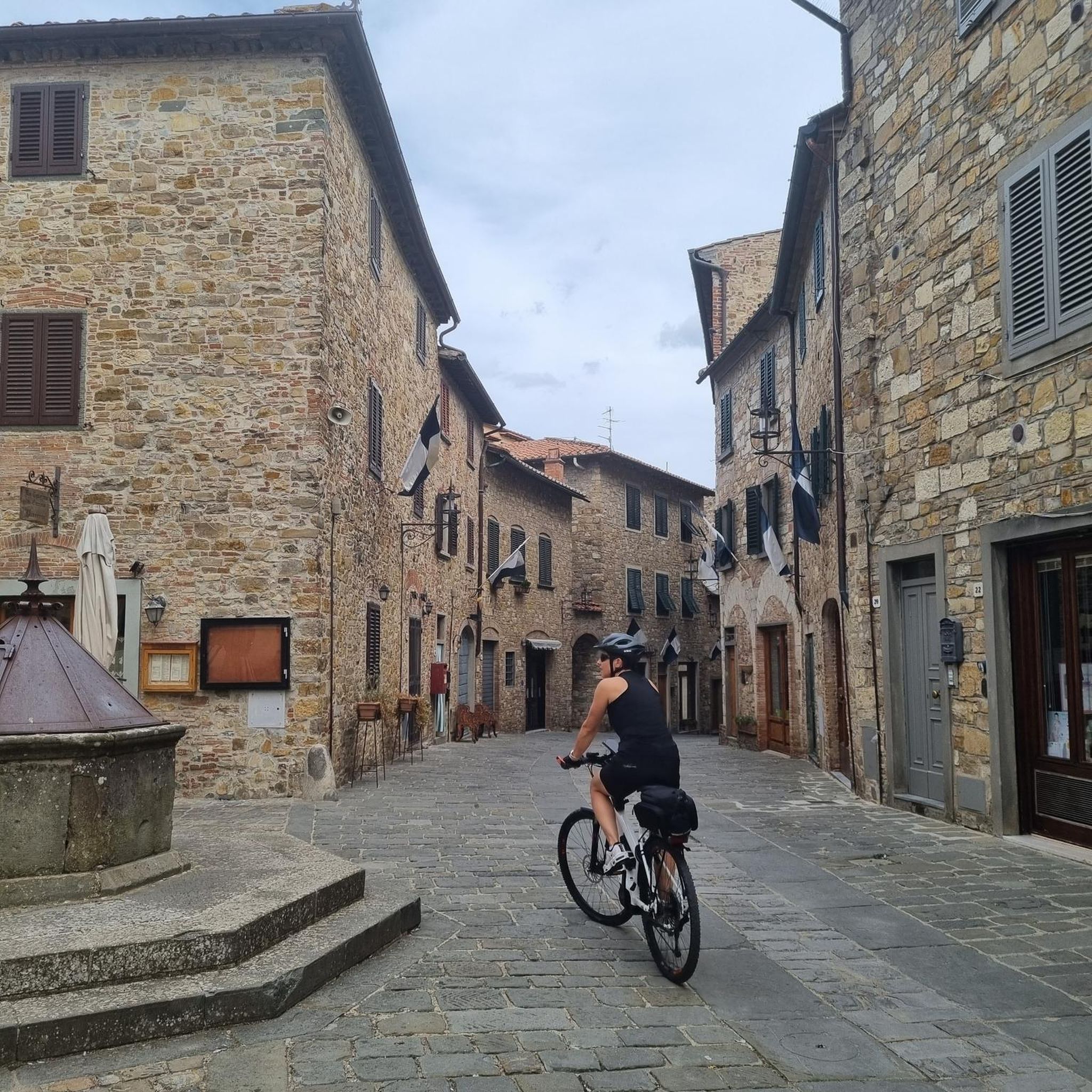
Hikes from bus stations around Bergern im Dunkelsteinerwald

Hikes from bus stations around Maria Laach am Jauerling

Hikes from bus stations around Furth bei Göttweig

Hikes from bus stations around Thurnberger Stausee
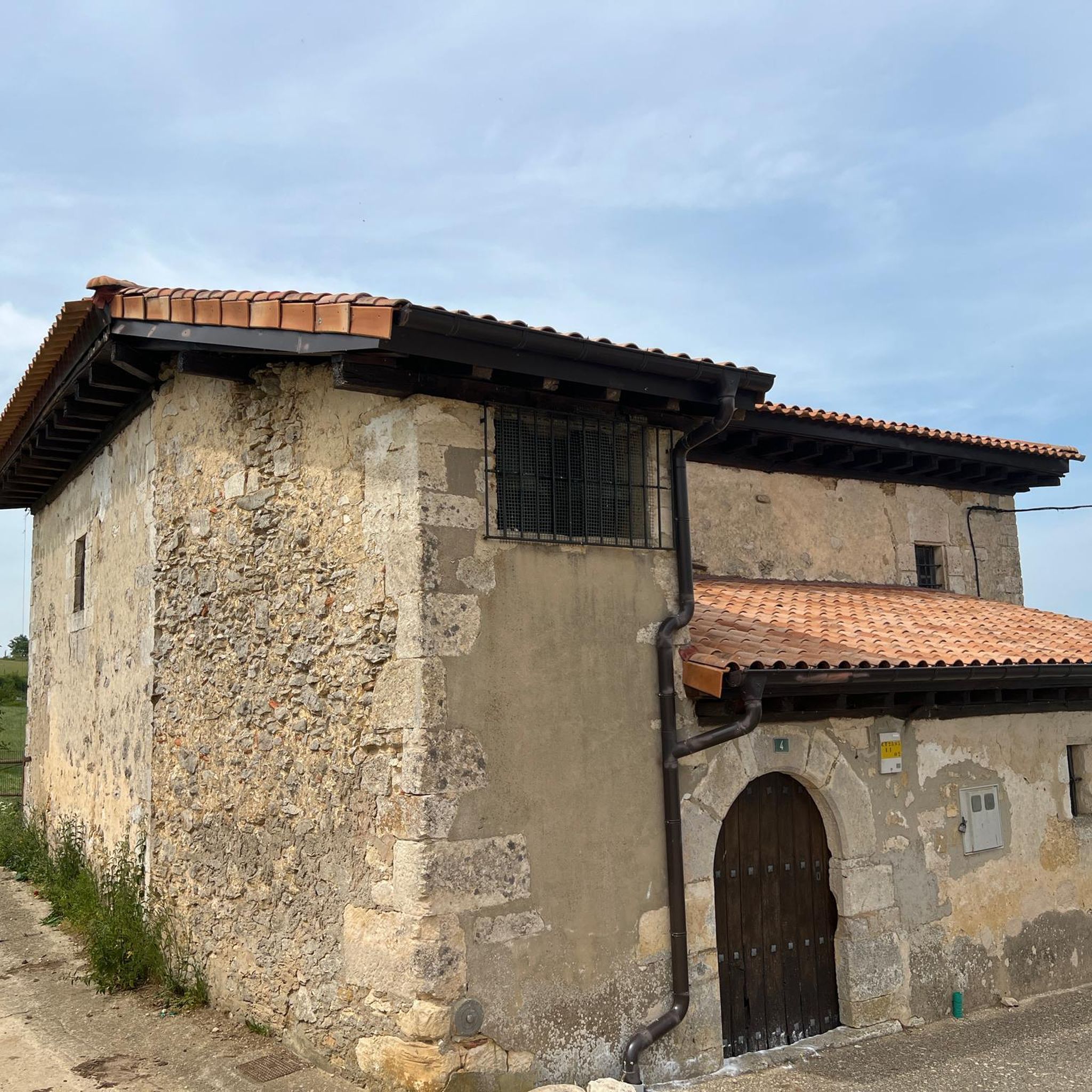
Hikes from bus stations around Grafenegg
Other adventures in the Bezirk Krems


Tips from the Community

Imposing, sturdy building directly on the riverbank. Unusual at first glance, very interesting and worth seeing.
1
0

Falkenhorst/ a summit with schnapps 😁
1
0

The Zwettl City Museum is a modern museum designed to appeal to both children and adults! We don't just want to preserve history, but to present it in an engaging, memorable, informative, and interesting way. Therefore, this museum is designed according to the latest museum education principles. All activities are geared towards achieving this goal. The museum features a model of the city where visitors can modify all the elements—houses, city walls, and bridges. With the help of instructions, the city's development from its founding in the 12th century to the 20th century can be traced. In addition to the most important documents of the city of Zwettl, the collection includes numerous weapons, among them original "Kuenringer weapons" from the 13th century, which were discovered during excavations in Zwettl.
0
0
The City Museum – Enriched with Many Attractions On Saturday, June 21, 2003, the Zwettl City Museum, redesigned as part of the "Urban Renewal in Lower Austria" initiative, celebrated its reopening. During the interior renovation, new spaces for the City Museum were created in the attic. Part of these rooms is dedicated to the theme of "Collecting" and houses the exhibits of the "Anton Collection" in a permanent display. Among the exhibited objects are numerous unique pieces and outstanding works of art, such as a Romanesque Madonna and precious glass rarities from the Baroque period. In addition to the exhibition spaces for the "Anton Collection," a generously sized room was also created for special exhibitions. The old wooden framework of the roof truss remains almost entirely visible and contributes significantly to the ambiance of the newly created exhibition spaces.
0
0
The local authorities succeeded in persuading the master artist Hundertwasser to design and construct a fountain in the main square. The presentation of the fountain model met with both widespread approval and vehement opposition from the residents of Zwettl. In 1994, the fountain, consisting of three main elements—the two fountain columns with basins and the pavilion—was unveiled to the public. Since then, it has been a popular meeting place in the heart of the town. Friedensreich Hundertwasser died in February 2000 at the age of 71.
0
0
Until the end of the 19th century, a monumental fountain stood in the middle of the main square, the terminus of Zwettl's oldest water supply system, dating back to the early 17th century; a place where the population gathered, not just to fetch water. A war memorial was erected here in 1925, and from the mid-20th century onward, the square in the heart of the town was primarily used as a park. In the early 1990s, the municipality of Zwettl decided to redesign the main square. The aim was to give the town an attractive central point once again and thus preserve the tradition of the old Zwettl main square for the present and future. Friedensreich Hundertwasser, born Friedrich Stowasser in 1928, had owned an old mill on the banks of the Kamp River above Zwettl since the 1970s.
0
0
The Renaissance graffiti were only rediscovered in 1976. During the restoration of the paintings, which took place in 2002, the Zwettl-based academic conservator Ralf Wittig strove for the greatest possible fidelity to the original. From 1850 to 1975, the Old Town Hall housed the district court and the land registry office. Today, the Old Town Hall houses the Zwettl Tourist Information Center as well as the noteworthy City Museum with its permanent exhibition, the "Anton Collection." Museum education programs for children and adults are also offered.
0
0
The building is one of the oldest secular buildings in the city and certainly dates back to the time of the Kuenring family. As early as 1307, it was remodeled and expanded by Leuthold I of Kuenring-Dürnstein. After Leuthold's death (1312), it passed into the ownership of the Liechtenstein family and then the Puchheim family, who sold the "manor house" to the city. From that time until 1850, it served as the town hall. In 1549/50, a square tower was erected on the front facade, behind whose round gateway the older, beautifully profiled Gothic pointed arch portal can still be seen. During the construction of this tower addition, the front facade was decorated with sgraffito, which refers to the building's function as the seat of the municipal administration and the city court. In 1678, the two lateral buttresses were added to the building – probably for structural reasons. The Old Town Hall was subsequently rebuilt and its facade changed several times, including after the city fires of 1772 and 1814.
0
0
Frequently Asked Questions
How many bus station hiking trails are available in Bezirk Krems?
There are over 780 hiking routes in Bezirk Krems that are accessible from bus stations, offering a wide variety of experiences for all skill levels.
What is the best time of year for hiking in Bezirk Krems using public transport?
The region is beautiful year-round, but spring (April-May) and autumn (September-October) are particularly popular. Spring offers blooming apricot orchards and vineyards, while autumn provides stunning fall foliage and harvest festivals. Summer is also great, but be prepared for warmer temperatures, especially in the open vineyards.
Are there easy hiking routes accessible by bus in Bezirk Krems?
Yes, Bezirk Krems offers many easy trails suitable for beginners or those seeking a relaxed walk. For example, routes around Krems an der Donau often provide gentle paths with scenic views of the town and the Danube. Look for trails marked as 'easy' on komoot, which make up over 340 of the bus-accessible routes.
Are there challenging hikes reachable by bus in Bezirk Krems?
Absolutely. For experienced hikers, trails like the Vogelbergsteig and Dürnstein castle ruins tour offer more demanding ascents and descents with rewarding views. Another challenging option is the Kamptal Seenweg (Lakes Trail) 620 – Ottenstein – Zwettl section, which is a longer, more strenuous route. There are over 50 difficult routes accessible by bus in the region.
Are there circular walks starting from bus stations in Bezirk Krems?
Yes, many routes are designed as circular walks, allowing you to start and end at the same bus stop. An example is the Forest Ridge Trail loop from Weißenkirchen in der Wachau, which offers a great experience without needing to arrange return transport. The Red Gate – Spitz on the Danube loop from Trockenrasen St. Michael - West is another excellent circular option.
What kind of natural sights can I expect to see on bus-accessible hikes?
Hikes in Bezirk Krems offer diverse natural beauty. You'll encounter the iconic terraced vineyards and apricot orchards of the Wachau Valley, dense forests, and the majestic Danube River. The region also features unique geological transitions and impressive natural monuments like the Giant Sequoias of Paudorf. Many trails lead to stunning viewpoints overlooking these landscapes.
Are there historical landmarks or viewpoints along bus-accessible trails?
Yes, the region is rich in history and offers numerous viewpoints. You can hike to the famous Dürnstein Castle ruins, known for King Richard the Lionheart's imprisonment. Other notable spots include the High Rock, the Seekopf Observation Tower (671 m), and the Jauerling Observation Tower, all offering panoramic vistas of the Danube and surrounding areas.
What do other hikers enjoy most about bus-accessible trails in Bezirk Krems?
The komoot community highly rates hiking in Bezirk Krems, with an average score of 4.6 stars from over 6,800 ratings. Reviewers often praise the stunning views of the Wachau Valley, the well-maintained paths through vineyards and forests, and the convenience of accessing diverse trails directly from public transport stops. The blend of natural beauty and cultural landmarks is frequently highlighted.
Are there family-friendly hiking options accessible by bus?
Many of the easier routes are suitable for families. Look for trails with minimal elevation gain and shorter distances. The region's charming villages and the opportunity to walk through vineyards can be engaging for children. Always check the specific trail details for suitability before heading out with your family.
Can I bring my dog on bus-accessible trails in Bezirk Krems?
Generally, dogs are welcome on hiking trails in Bezirk Krems. However, it's always advisable to keep them on a leash, especially in nature reserves, agricultural areas (like vineyards), and near wildlife. Be sure to carry water for your dog and clean up after them. Specific bus lines might have rules regarding pets, so check with the transport provider if unsure.
Are there places to eat or drink along the bus-accessible routes?
Yes, many bus-accessible routes pass through or near charming villages in the Wachau Valley, such as Dürnstein, Weißenkirchen, and Spitz. These villages offer a variety of traditional taverns (Heurigen), restaurants, and cafes where you can enjoy local cuisine and wines. It's a great way to experience the regional culture and refuel during your hike.
How long do these bus-accessible hikes typically take?
Hike durations vary significantly. Easy walks can be as short as 1-2 hours, while moderate trails like the Seekopf panoramic tour in the Steinige Ries nature reserve might take around 3-4 hours. More difficult or longer routes, such as sections of the long-distance trails, can extend to 6 hours or more. Always check the estimated duration on komoot for the specific route you plan to take.
Most popular routes in the Bezirk Krems
Most popular attractions in the Bezirk Krems

Get inspired with the komoot mobile app


Didn’t find what you were looking for?
Check out more Hikes throughout Bezirk Krems below and find the perfect route in your destination.
Explore more
Browse the best Hikes in other regions.
