The best city hikes and walks around Laupen
4.5
(782)
7,230
hikers
168
hikes
Urban hiking trails around Laupen offer a diverse landscape at the confluence of the Sense and Saane rivers. The region features a blend of river landscapes, dense forests, and open fields, providing varied terrain for exploration. Laupen's medieval town center and historical sites, such as Laupen Castle, are often integrated into these urban walks. The area provides accessible paths suitable for various fitness levels, combining natural elements with historical points of interest.
Best urban hiking trails around Laupen
- The most…
Last updated: November 11, 2026
5.0
(1)
10
hikers
4.55km
01:11
20m
20m
Easy hike. Easily walkable paths.
4.5
(2)
4
hikers
Easy hike. Easily walkable paths.

4.0
(1)
7
hikers
10.0km
02:41
120m
120m
Moderate hike. Good fitness required. Easily walkable paths.
5.0
(1)
10
hikers
Easy hike. Easily walkable paths.
10
hikers
Easy hike. Easily walkable paths.
Get access to more routes and recommendations from other explorers.
Already have an account?
Our route recommendations are based on thousands of hikes, rides, and runs completed by other people on komoot.
Start today with a free account
Your next adventure awaits.

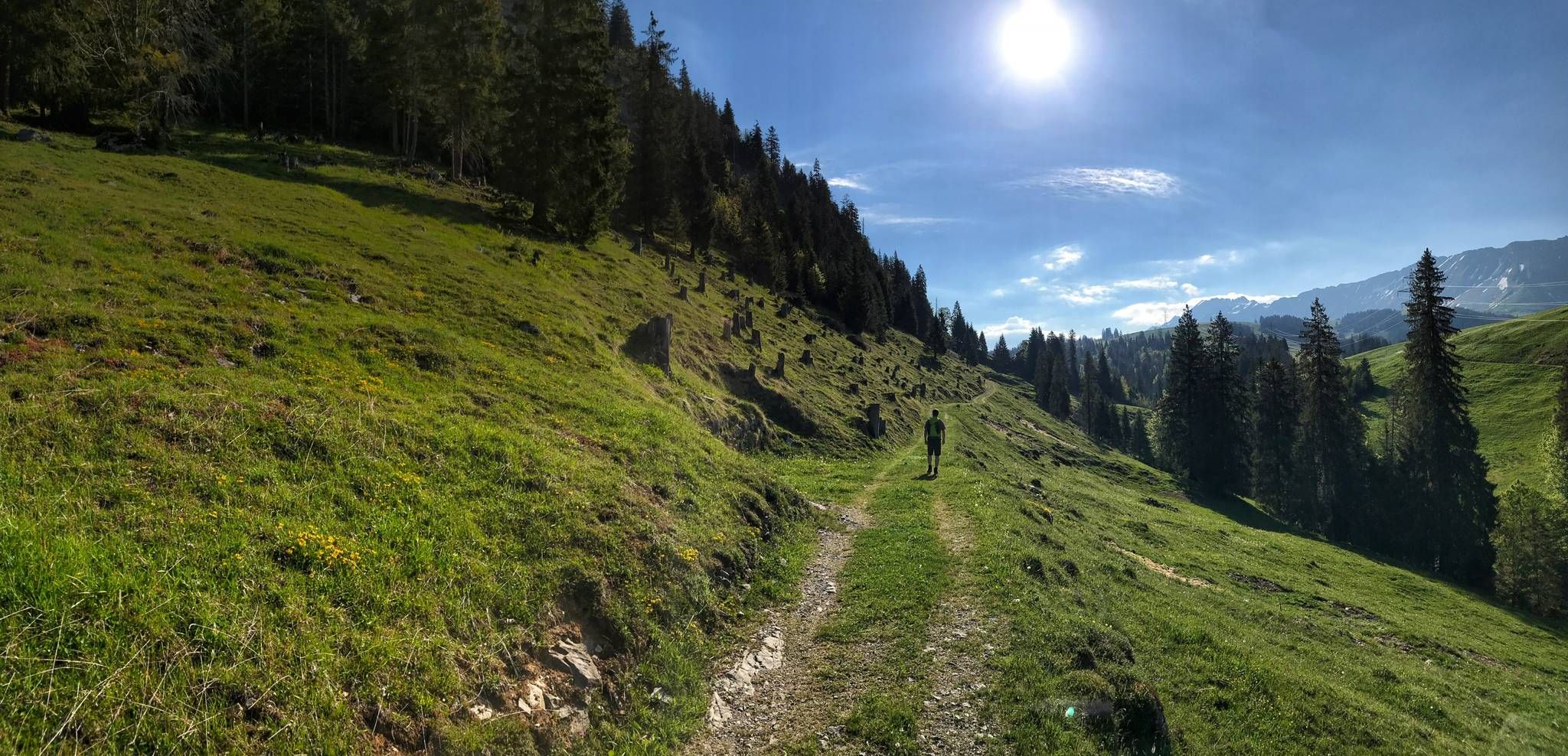
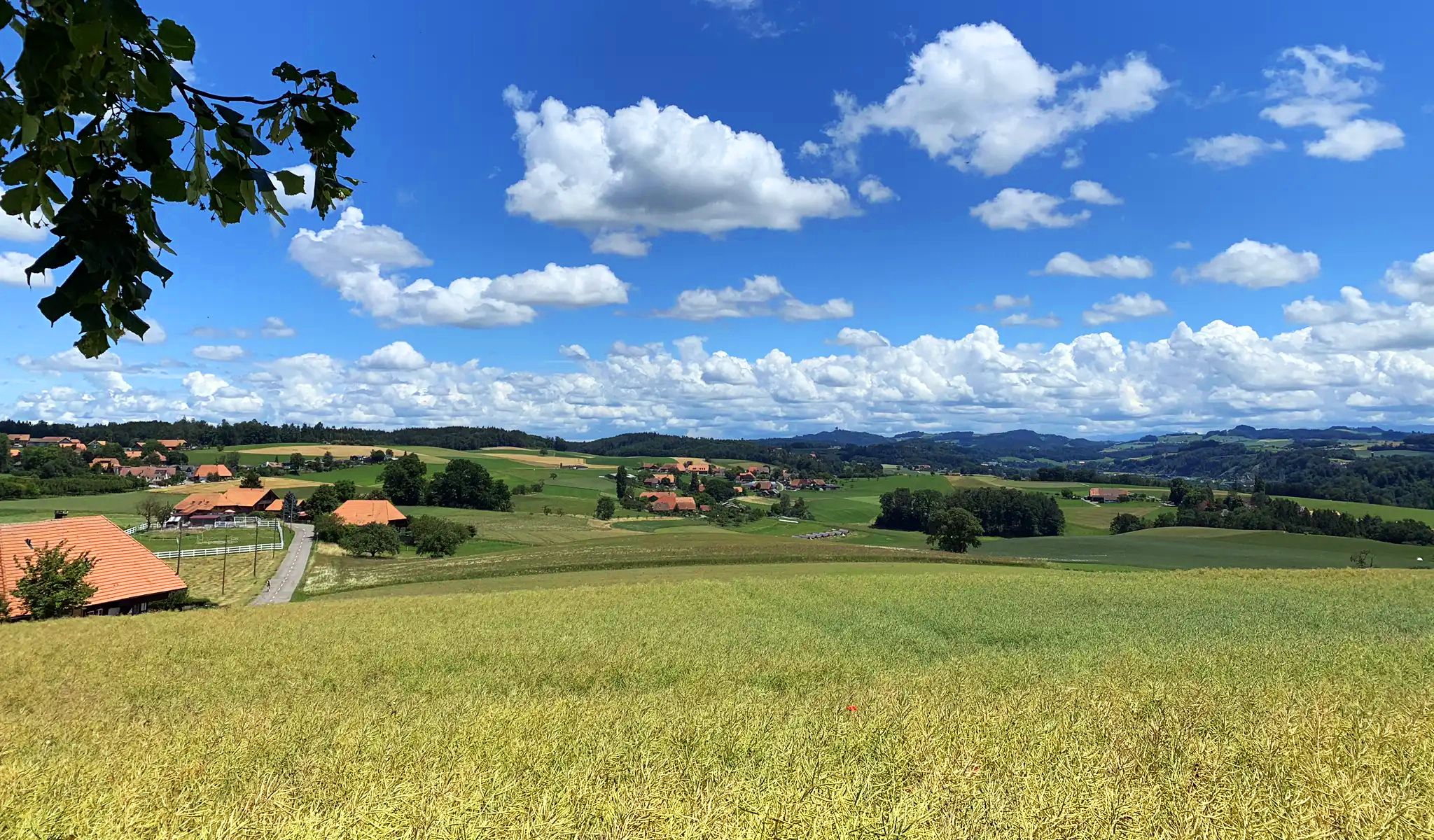
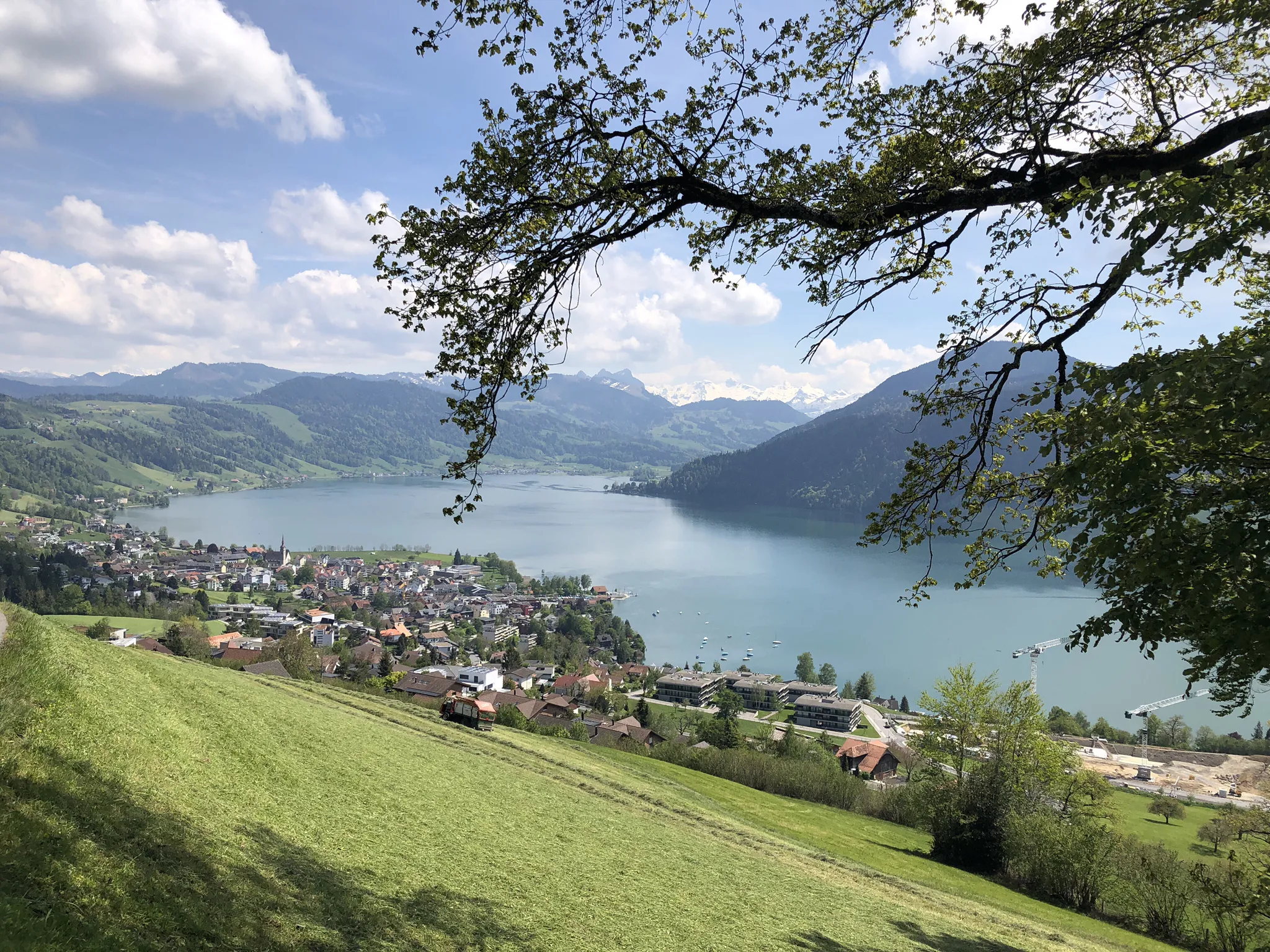
Other adventures around Laupen


Tips from the Community

The castle is currently being renovated.
0
0

One of many, beautiful fountains in the city.
0
0

This truly lovely picnic area, located right by the Gäbelbach stream, offers seating, a barbecue area, and trash cans. If you're out for a run, you can dispose of any used, sticky gel packets here.
0
0
The small brewery at the entrance to the train station is definitely recommended; you can even get your beer in a closed can to take away.
0
0

This is the Meret Oppenheim fountain at Waisehausplatz and not the Dutch Tower as wrongly described
2
0

Fountain with a historic statue from 1545 commemorating the legendary crossbowman Ryffi.
2
0

Federal Palace Bern, history On April 1, 1902, the new building was ceremoniously handed over to the Swiss Confederation. Where a music hall and an old hospital once stood, parliament and government now meet. The Federal Palace in Bern has its task of uniting the country's inhabitants literally carved in stone. When the Federal Constitution came into force on September 12, 1848, the question of where the government and parliament should be located was not yet clear. It was not until November that the Federal Assembly decided on Bern as the seat of the authorities. Two years later, the Bern municipal council announced an architectural competition for the "Federal City Hall". In the meantime, the Federal Council met in the Erlacherhof, the current seat of the Bern government. With the total revision of the Federal Constitution in 1874, the federal government was suddenly given new areas of responsibility that had previously been the responsibility of the cantons. The administration soon reached its space limits and a new building was needed. The city therefore handed over its responsibility to the federal government two years later. In 1880, he bought the Inselspital building, which had to make way for the new Federal Palace seven years later. An architectural competition was held again, and Alfred Friedrich Bluntschli and Hans Wilhelm Auer were chosen as the winners. This is how today's Federal Palace East was created, a symmetrical counterpart to the existing "Federal City Hall" in the west. Eleven years later, the two architects Bluntschli and Auer were invited to another competition, this time for a parliament building between the two administrative wings. Although an international committee of architects was called upon to select the best design, in 1891 the Federal Council decided on its own authority to accept Hans Wilhelm Auer's proposal. This proposed a domed building in the style of the Capitol in Washington D.C. After several years of work, 30 types of Swiss stone were used with the help of 38 local artists to create a national monument with an impact on all cantons. The new building was ceremoniously handed over to the Swiss Confederation on April 1, 1902. The building cost 7.2 million Swiss francs – compared to today's conditions, this would be equivalent to around 700 million Swiss francs. Text / Source: SRF Swiss Radio and Television https://www.srf.ch/news/bundeshaus-und-parlament-geschichte-des-bundeshäuser
19
0
Bern train station The Bern train station was opened in 1857 as a temporary structure in Wylerfeld (outside the city) by the Swiss Central Railway SCB. The reason for this was the missing bridge over the Aare, which was opened a year later - the "Red Bridge". The new SCB train station was now on Laupenstrasse, still as a temporary structure. In 1860, the definitive terminal station with four tracks between the Heiliggeistkirche and Burgerspital was put into operation. In 1989, the Bern-based architectural firm Atelier 5 called for a redesign of the building with a new main entrance to a largely traffic-free station square with ground-level pedestrian connections to the city center. In the following years, parts of this study were also implemented in a modified form. As of today (2020), the station square is still not traffic-free. From 1999 onwards, further conversions were carried out, and the reception building was given a more modern facade in 2003. At the timetable change in 2004, the Bern wave (platform roofs over the platforms extended to the west and additional station access from the Schanzenbrücke) was put into operation as part of the Bahn 2000 project. As Bern station has long been reaching its limits due to the sharp increase in the number of passengers, expansions are currently underway and further capacity increases are being planned. Contains plans for various conversion and new construction projects for Bern passenger station, mainly from the 1940s (but many plans are also older and date back to the previous railway era and the 19th century, some plans are more recent and date back to the 1970s). In some cases it affects the entire station complex, in others only individual buildings such as the administration building or the service building of Bern station. Also included are plans of the Bern-Wylerfeld signal station, the railway facility in Bern, platform roofs and other roofing, as well as the station square and the boarding hall, carriage shed, locomotive shed, switch tower and express goods warehouse at Bern station. Text / Source: Archives and collections of SBB Historic https://www.sbbarchiv.ch/detail.aspx?id=603515
18
0
Frequently Asked Questions
How many urban hiking trails are available around Laupen?
There are over 170 urban hiking routes around Laupen, offering a diverse range of experiences. Most of these, around 135, are rated as easy, making them accessible for many hikers. You'll also find 36 moderate and 4 difficult routes for those seeking more of a challenge.
Are there family-friendly urban walks in Laupen?
Yes, Laupen offers many easy and accessible paths suitable for families. The region's diverse landscapes, including river walks and historical sites, provide engaging experiences for all ages. Consider routes that explore the historic Old Town or follow the Sense River for a pleasant outing.
Can I bring my dog on urban hikes in Laupen?
Many urban hiking trails in Laupen are dog-friendly, especially those along the riverbanks and through the forests. It's always a good idea to keep your dog on a leash, especially in nature reserves like the Auried, and to check local regulations for specific areas. Ensure you carry water for your dog, particularly on warmer days.
What kind of natural attractions can I see along the urban hiking trails?
Laupen's urban trails offer access to beautiful natural features. You can explore the scenic Sandstone cliffs along the Saane River, witness the Confluence of the Sense and Saane rivers, or discover the mystical gorges and potential waterfalls in the Schwarzwassergraben area. The Auried Nature Reserve is also known for its rich birdlife.
Are there any circular urban walks around Laupen?
Yes, many urban hiking routes in Laupen are designed as circular walks, allowing you to start and end at the same point. For example, you could explore the historic center with a loop around Laupen Castle, or enjoy a riverside stroll. An easy circular option is the Forest path at Gäbelbach – Gäbelbach Trail loop from Bern Bümpliz Nord.
What historical landmarks can I discover on these urban hikes?
Laupen is rich in history. You can visit the iconic Laupen Castle, a 12th-century fortress offering panoramic views. The well-preserved medieval Old Town, or "Stedtli," with its timber-framed houses and cobbled streets, is also a highlight. The Bodenmünzi is another historical site worth exploring.
What do other hikers enjoy most about urban hiking in Laupen?
The area is highly rated by the komoot community, with an average score of 4.5 stars from over 400 ratings. Reviewers often praise the charming blend of historical architecture and serene natural landscapes, particularly the picturesque river walks and the well-maintained paths that make for enjoyable and accessible urban explorations.
What are some easy urban hikes for beginners near Laupen?
For beginners, there are numerous easy urban hikes. A pleasant option is the Bümpliz Castle and Park – Schloss Bümpliz loop from Bern Bümpliz Nord, which offers gentle terrain and interesting sights. Many riverside walks along the Sense and Saane are also ideal for those new to hiking, providing flat paths and beautiful scenery.
Are there any urban hikes that offer good viewpoints?
Yes, several urban hikes provide excellent viewpoints. The most prominent is from Laupen Castle, which sits on a sandstone cliff and offers sweeping views of the Chasseral, Jura, Stockhorn, and even the distant Bernese Alps. You can also find scenic spots along the rivers and in elevated parts of the Old Town.
How can I reach the urban hiking trails in Laupen using public transport?
Laupen is well-connected by public transport, making it easy to access the urban hiking trails. The town's strategic location means many routes are accessible directly from the train station or bus stops within the town center. This allows for convenient car-free exploration of the area's diverse walking paths.
What is the best time of year for urban hiking in Laupen?
Laupen offers enjoyable urban hiking experiences throughout the year. Spring brings blooming nature, while summer is perfect for riverside strolls and combining hikes with a dip in the Sense River. Autumn showcases beautiful foliage, and even in winter, the well-maintained paths and historical town offer a charming atmosphere, especially on crisp, clear days.
Are there any urban hikes that explore the Saane River?
Absolutely. The Saane River offers picturesque urban hiking opportunities. The historic Römerweg (Roman Path) follows the Saane, leading through idyllic floodplain forests and past informative panels. You can also find routes that take you through the scenic Sandstone cliffs along the Saane River and towards the Auried Nature Reserve.
Most popular routes around Laupen
Most popular attractions around Laupen

Get inspired with the komoot mobile app


Didn’t find what you were looking for?
Check out more Hikes throughout Laupen below and find the perfect route in your destination.
Explore more
Browse the best Hikes in other regions.
