The best city hikes and walks in Trieste
4.5
(8369)
45,894
hikers
78
hikes
Urban hiking trails in Trieste offer a unique blend of city exploration and natural landscapes. The city is situated where the Karst Plateau meets the Adriatic Sea, providing diverse terrain. This includes coastal paths, limestone cliffs, and urban routes that ascend to viewpoints overlooking the Gulf of Trieste. The region's geology features dry grasslands and occasional deciduous forests, even within proximity to the urban core.
Best urban hiking trails in Trieste
- The most popular urban hiking route is The center of Trieste — ring tour, a 3.4 miles (5.4 km) trail that takes 1 hour 26 minutes to complete. This easy route explores the heart of the city, offering a comprehensive overview of its central attractions.
- Another top favourite among local hikers is Roman Theatre of Trieste – Fountain of the Four Continents loop from Trieste, a moderate 5.2 miles (8.4 km) path. This route connects historical landmarks and city squares, providing varied urban scenery.
- Local hikers also love the Roman Theatre of Trieste – Canal Grande, Trieste loop from Trieste Centrale, a 3.4 miles (5.4 km) trail leading through the city's historic center and along its famous canal, often completed in about 1 hour 28 minutes.
- Hiking in Trieste is defined by its coastal paths, historical cityscapes, and the edges of the Karst Plateau, offering panoramic views. The network provides options for easy strolls through the city and more moderate ascents to elevated viewpoints.
- The routes in Trieste are highly rated by the komoot community with an average score of 4.5 stars from over 5000 reviews. More than 28000 hikers have used komoot to explore Trieste's varied terrain.
Last updated: October 9, 2026
4.0
(12)
38
hikers
5.42km
01:26
60m
60m
Easy hike. Great for any fitness level. Easily-accessible paths. Suitable for all skill levels.
4.5
(116)
960
hikers
9.01km
02:24
100m
100m
Moderate hike. Good fitness required. Easily-accessible paths. Suitable for all skill levels.

4.6
(15)
209
hikers
Easy hike. Great for any fitness level. Easily-accessible paths. Suitable for all skill levels.
4.5
(11)
81
hikers
Easy hike. Great for any fitness level. Easily-accessible paths. Suitable for all skill levels.
4.2
(13)
162
hikers
Moderate hike. Good fitness required. Easily-accessible paths. Suitable for all skill levels.
Get access to more routes and recommendations from other explorers.
Already have an account?
Our route recommendations are based on thousands of hikes, rides, and runs completed by other people on komoot.
Start today with a free account
Your next adventure awaits.
Popular around Trieste

City hikes around Nature Reserve Val Rosandra / Naravni rezervat Dolina Glinščice
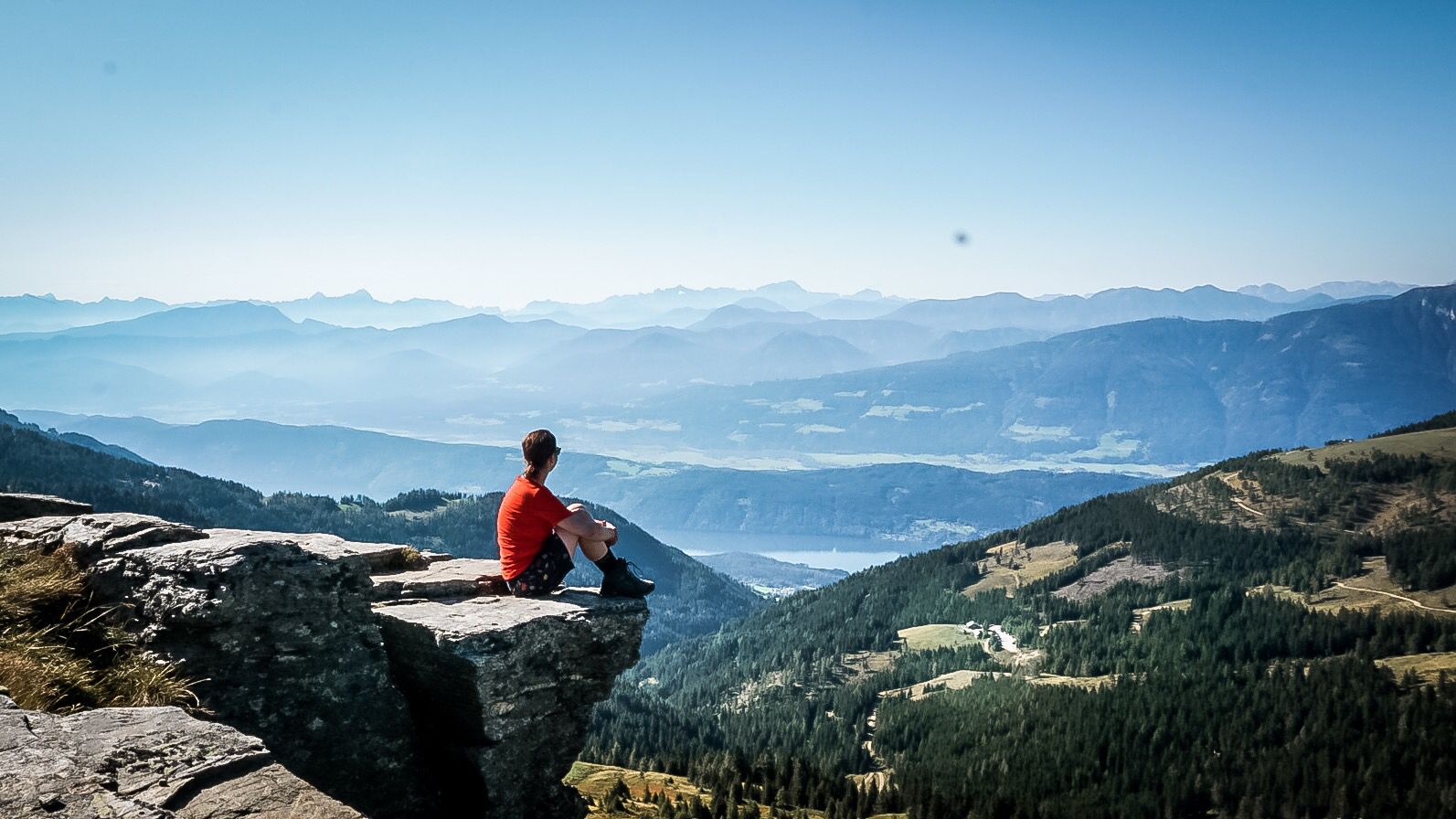
Alpe-Adria-Trail: My long-distance hike from the glacier to the sea
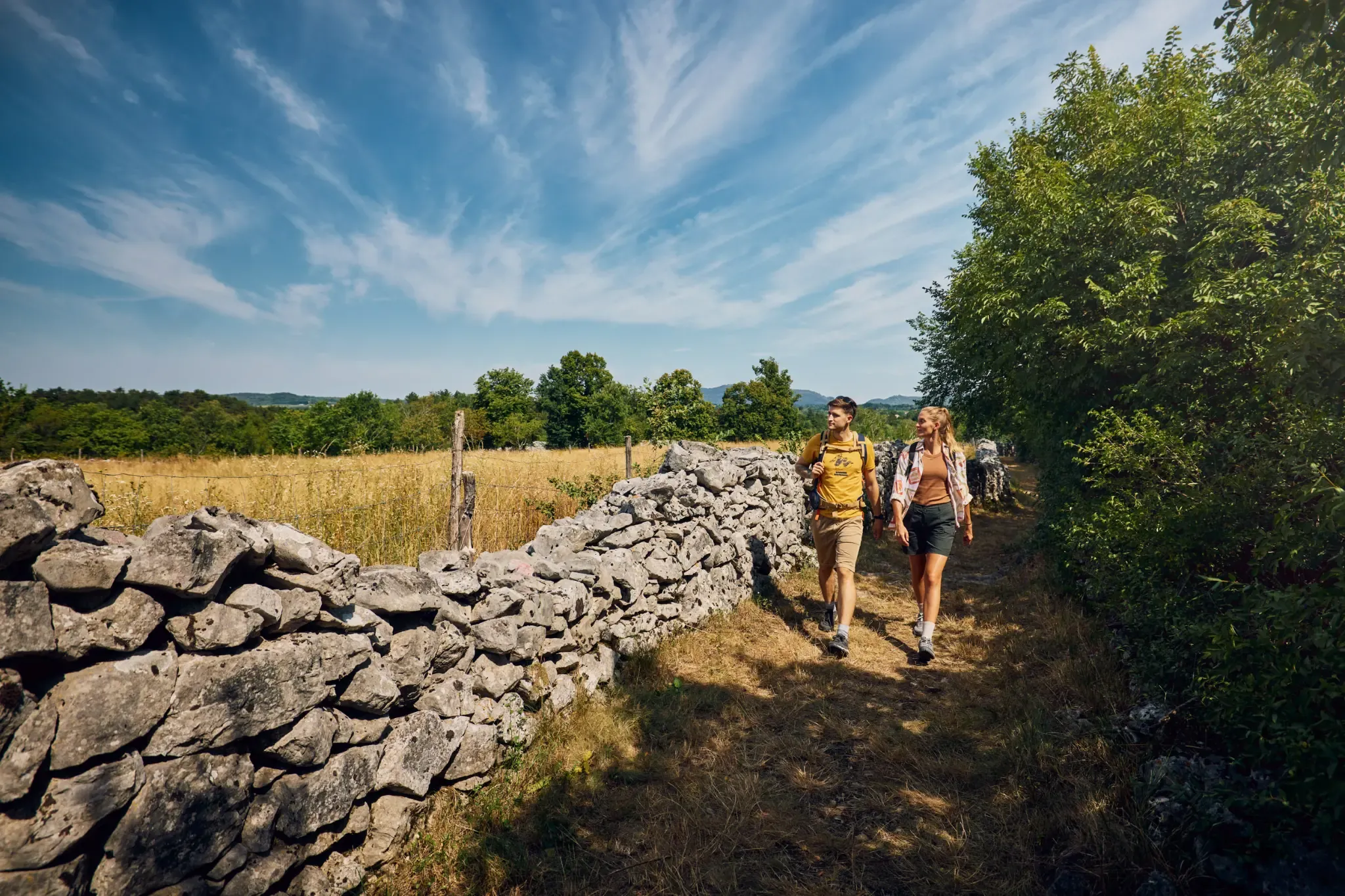
Carsus Trail – long-distance hiking in the green heart of the Karst
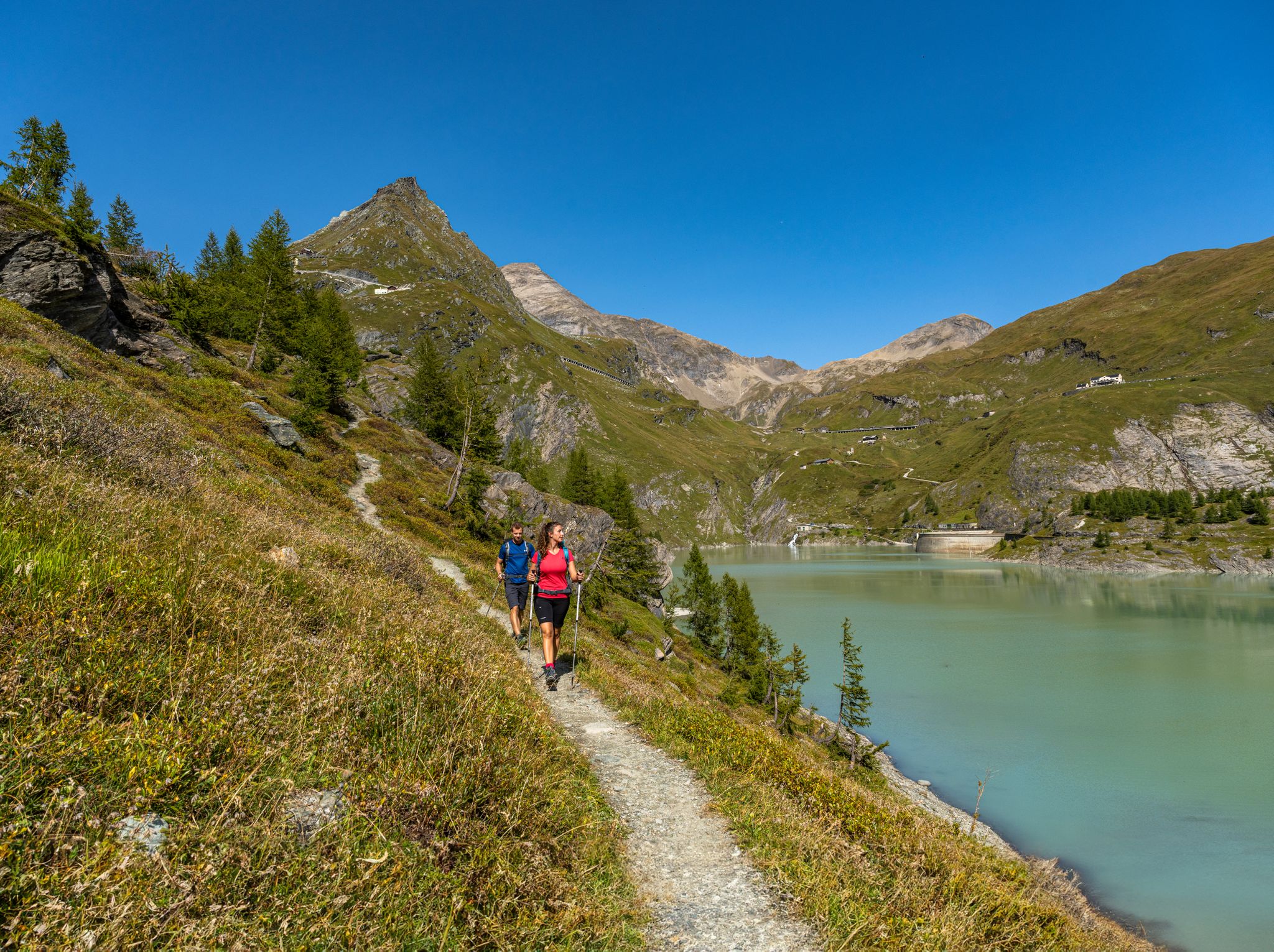
From the Grossglockner to the sea on the Alpe Adria Trail
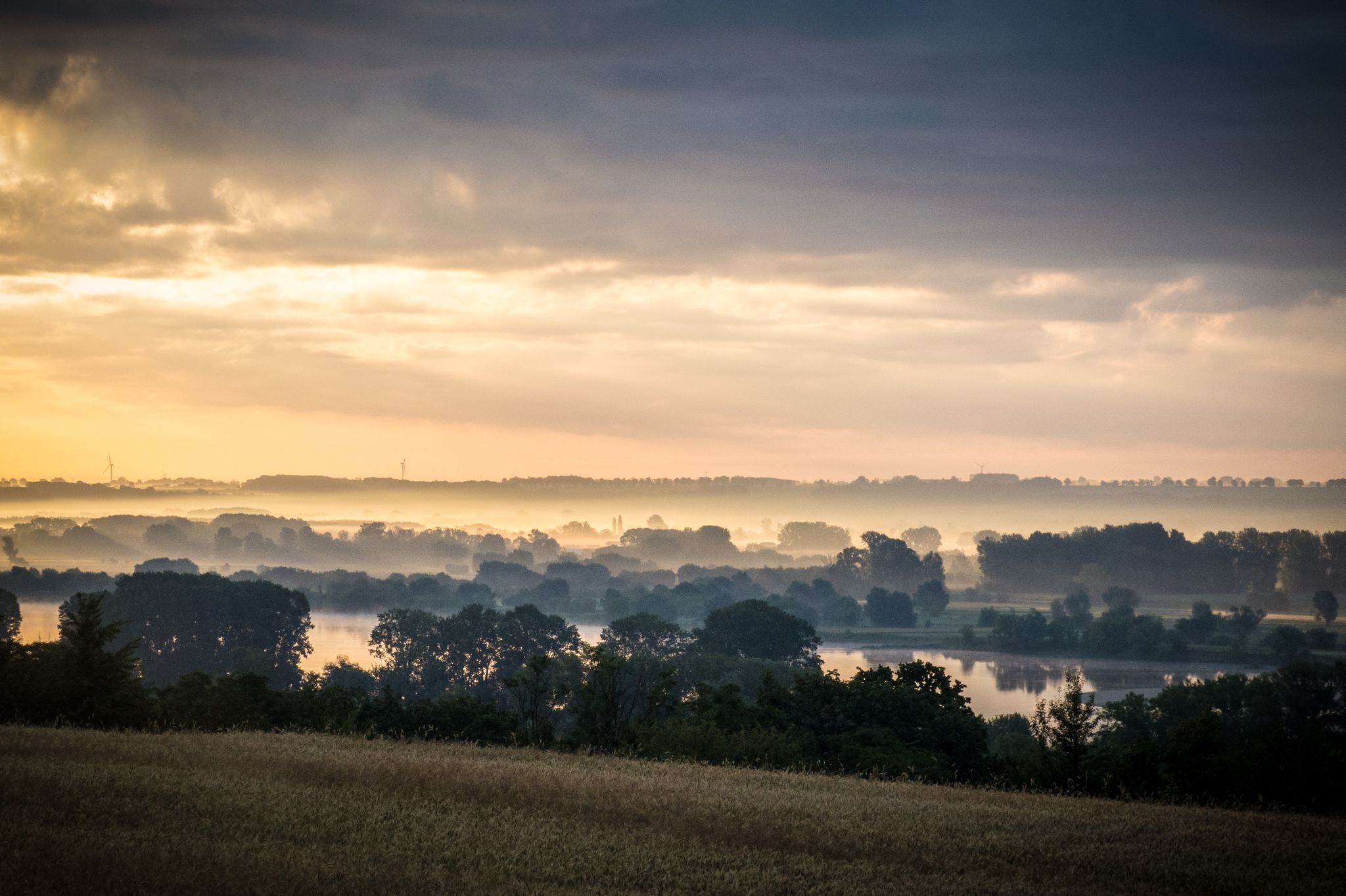
EuroVelo 9 – The Amber Route from the Baltic to Adriatic Sea
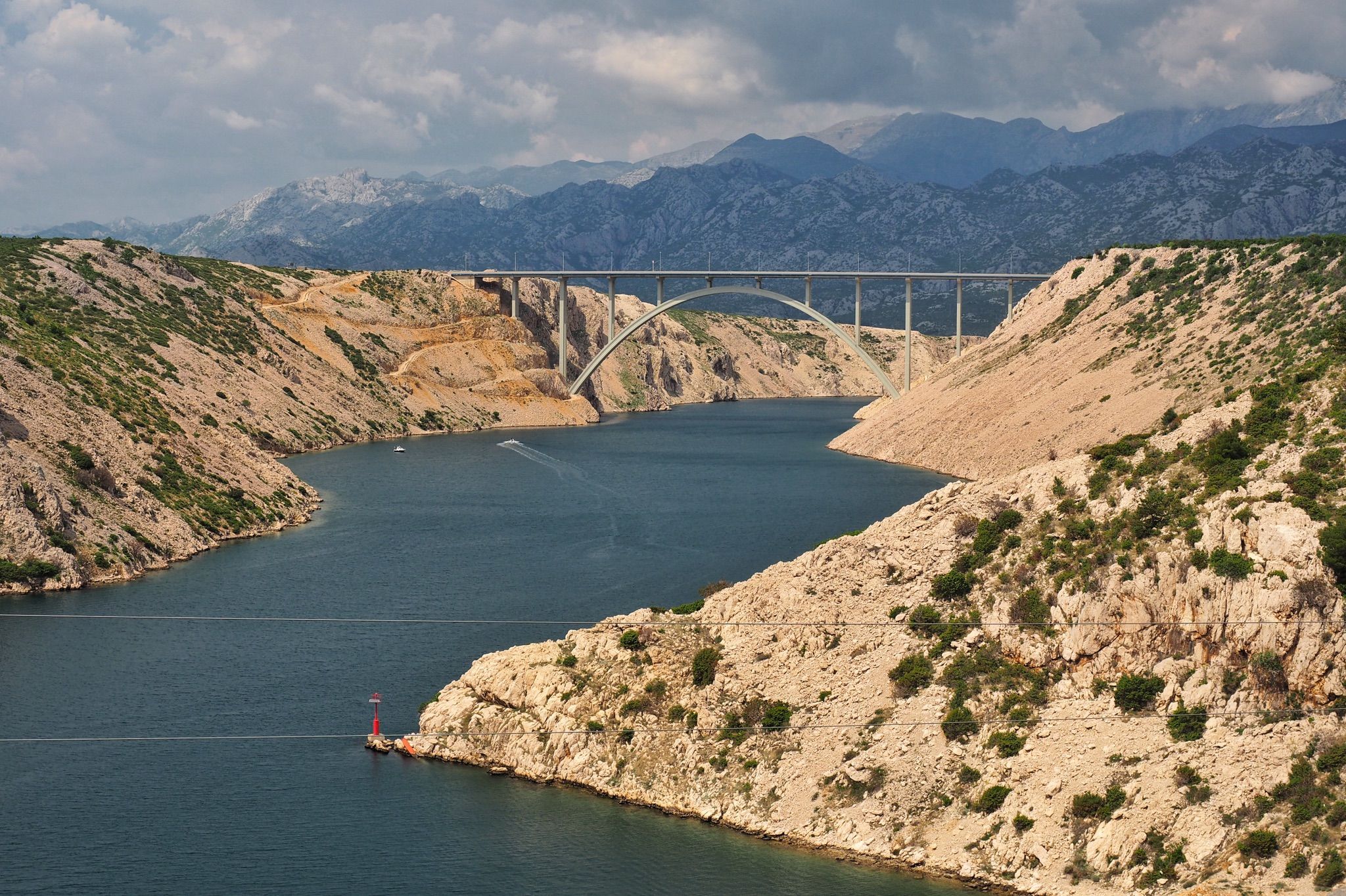
The Dinaric Alps – explore the Adriatic Sea in a different way
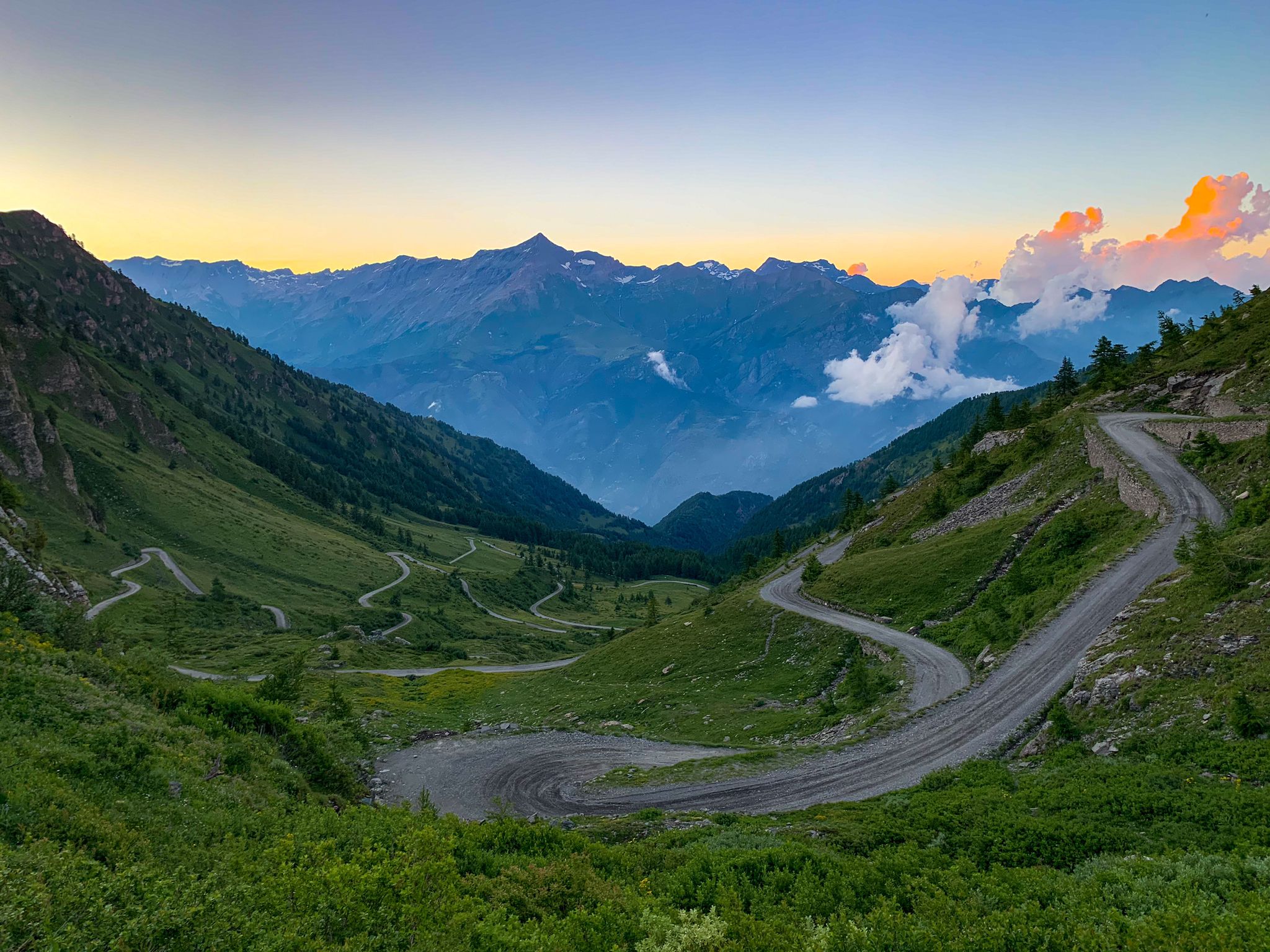
Chasing the sun across the Alps — unsupported solo
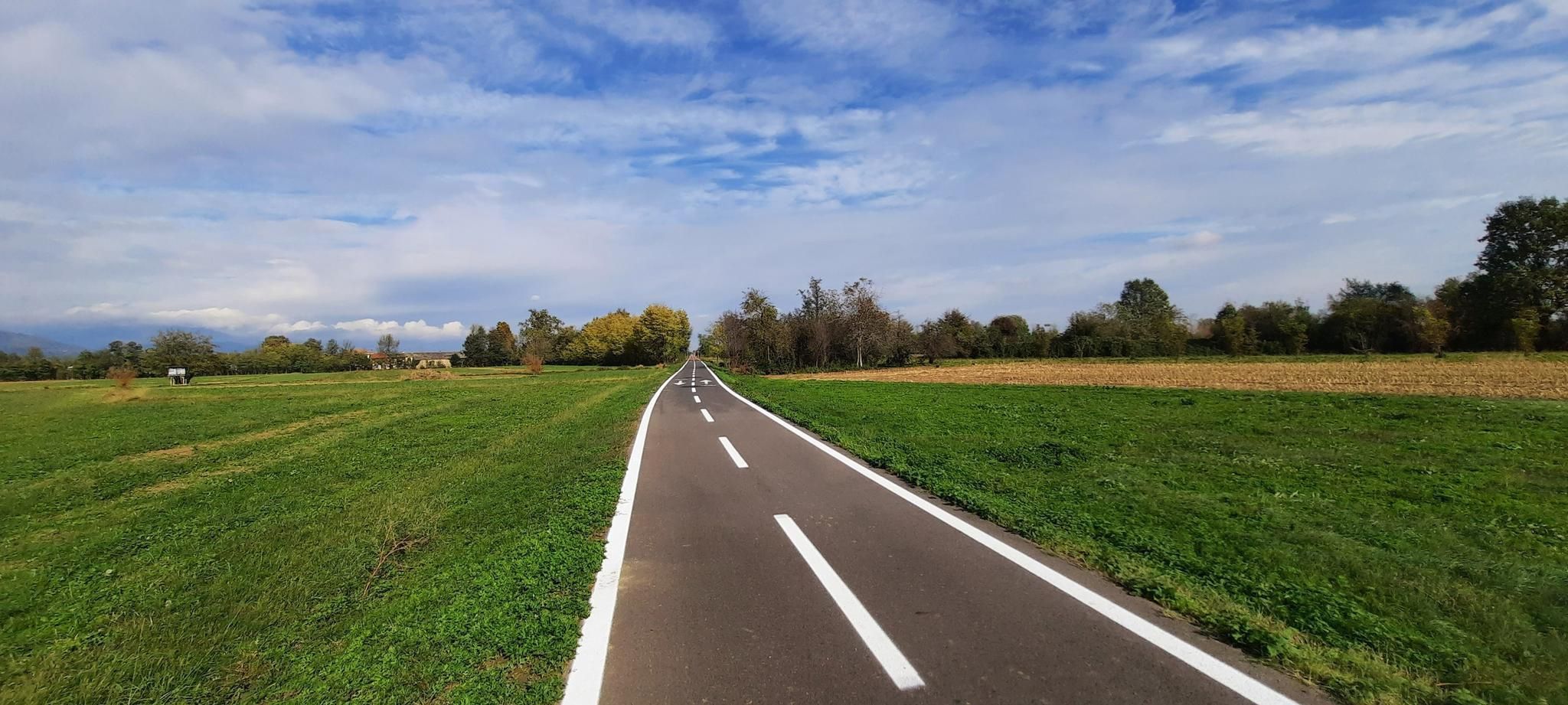
Ride across the Italian Alps – Pedemontana cycle route
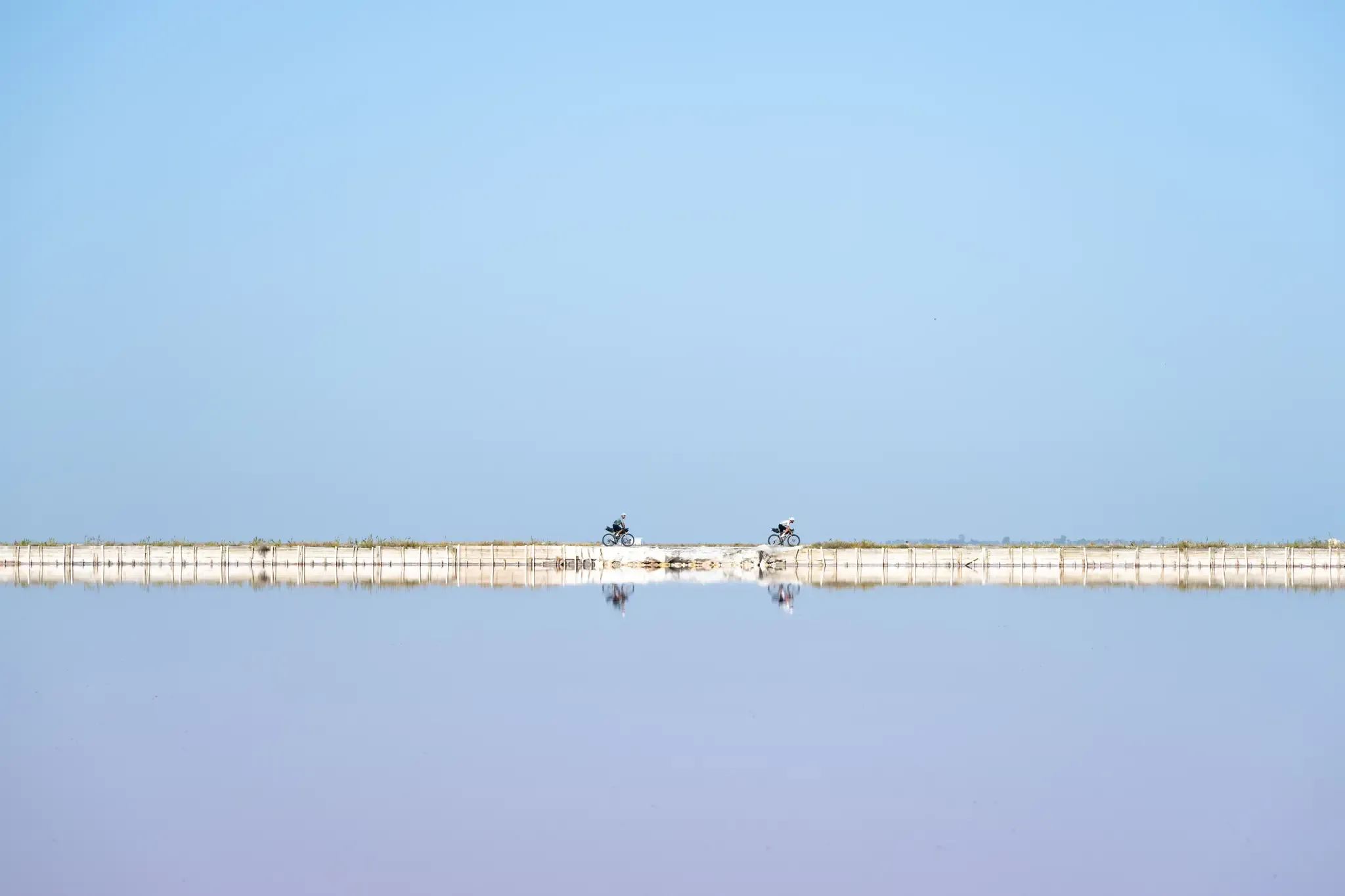
Trieste to Santa Maria di Leuca – the Adriatic Cycle Route
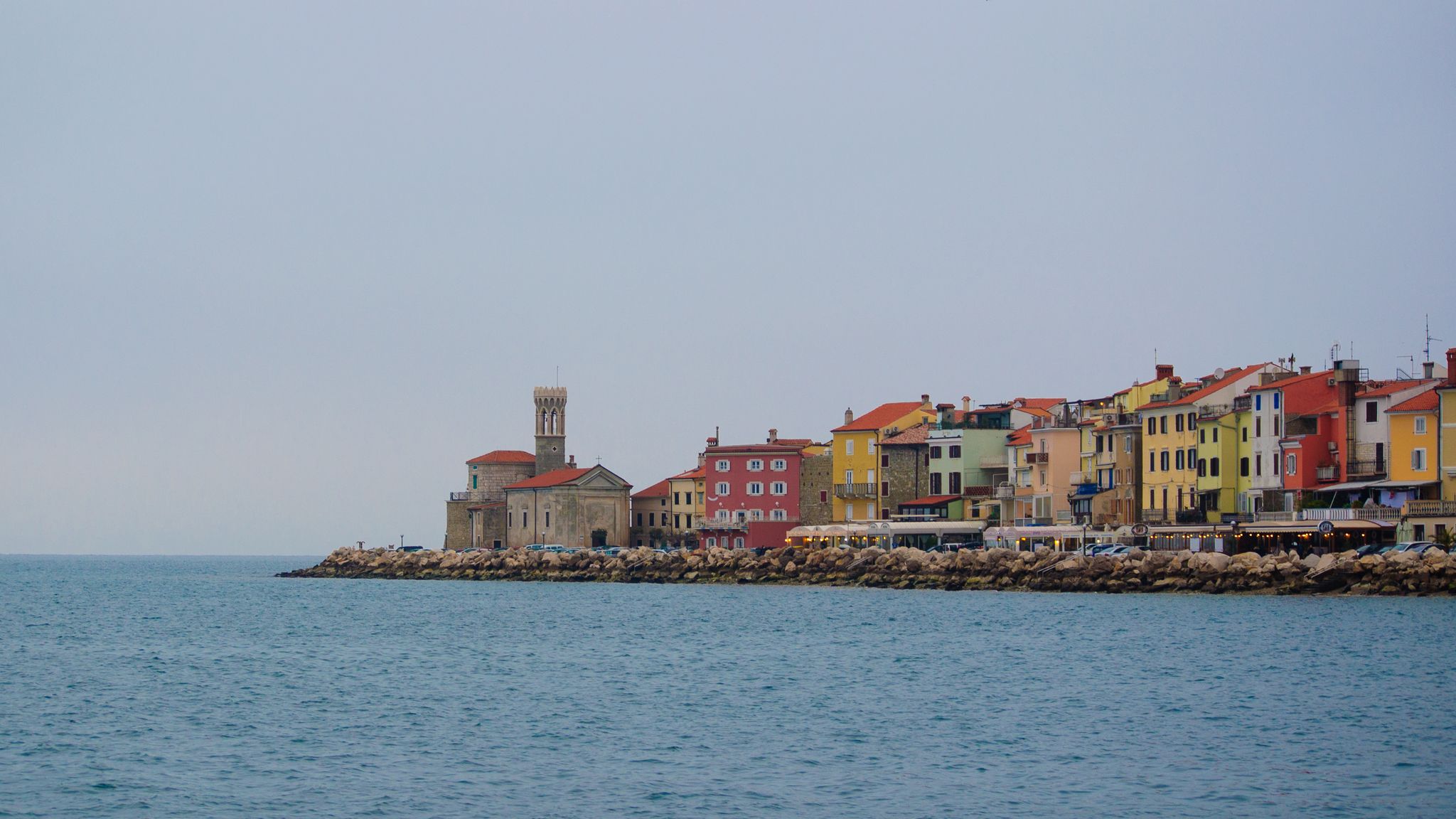
Trieste to Rijeka – along the coast of Istria from Italy to Croatia
Other adventures in Trieste


Tips from the Community

The town hall was built in 1873.
2
0

The cathedral is located next to the fortress and appears rather inconspicuous (perhaps because the fortress is so monumental). The impression upon entering is all the greater: three naves create an overwhelming sense of space. The Byzantine mosaics are exquisite. The cathedral is a bishop's seat.
5
0

The statue of Italo Svevo in Trieste is a silent homage to one of the city's most important writers – and a real highlight. 📚🗿. 📍 Location & Atmosphere Location: Piazza Attilio Hortis, right next to the municipal library and not far from the Grand Canal. Surroundings: The statue stands in a small garden surrounded by trees and benches – a quiet place that invites reflection and reading. Style: Bronze, life-size, with a slightly ironic gaze – Svevo appears to be emerging from a conversation or on his way to a coffee shop. 🧠 Literary Context Italo Svevo (born Ettore Schmitz) was a Trieste writer of Jewish origin, known for his masterpiece La coscienza di Zeno ("Zeno's Conscience"), which was heavily influenced by Freud and psychoanalysis. Connection to James Joyce: The statue stands near Joyce's – the two were friends, and Joyce helped Svevo's literary rediscovery. Trieste as a literary location: The city was a melting pot of languages, cultures, and ideas – perfect for Svevo's introspective and modern novels.
0
0
The Fontana dei Quattro Continenti in Trieste's Piazza Unità d'Italia is a Baroque masterpiece and a symbol of the city's cosmopolitan identity in the 18th century. 🗺️ Symbolism & History Origin: Created between 1751 and 1754 by the sculptor Giovanni Battista Mazzoleni to celebrate Trieste's rise to a free-trading city under Maria Theresa. Name: The "Four Continents" – Europe, Asia, Africa, and America – symbolize the global reach of trade that Trieste conducted as a port city. Australia was not yet known as a continent at the time. Location: Originally located in the center of the piazza, the fountain was removed in 1938 to make way for a political stage and was only restored and returned in the 1970s. 🧜♂️ Artistic Details Allegorical Figures: Europe with a horse and symbols of power and knowledge. Asia with a camel and exotic goods. Africa with a lion. America with an alligator and feathered headdress. Trieste as the central figure: A winged female figure enthrones the ensemble, resting on the karst cliffs, surrounded by bales, barrels, and ropes – a symbol of the cosmopolitan, welcoming city. Water Sources: Dolphins and river gods spew water into conch shells – a baroque interplay of movement and symbolism
3
0
The Teatro Romano di Trieste is a fascinating testament to Roman urban planning and culture – and a real highlight for someone like you, Kai, who likes to combine history with urban movement and architectural depth. 🏛️ Historical Overview Built: End of the 1st century AD, likely under Emperor Trajan Funded by: Quintus Petronius Modestus, a Trieste patrician and Flamen (priest) of the imperial cult Capacity: Around 6,000 spectators Location then: Directly on the seafront, outside the city walls Location today: In the heart of the city, at the foot of the Colle di San Giusto – due to land reclamation and urban growth 🧱 Architectural Details Cavea: Semi-circular spectator stands, divided into four wedge-shaped sections (cunei) Orchestra: The central stage area in front of the cavea Scaenae frons: The stage backdrop – today only fragmentarily preserved Colonnade: Formed the upper edge of the stands, partially reconstructed Statue niches: Once adorned with figures of the imperial family and local dignitaries 🕰️ Rediscovery & Political Significance Destruction: Likely in 568 by the Lombards Rediscovery: In 1938 under Mussolini – an entire city district was demolished to expose the Roman ruins Ideology: The excavation was intended to emphasize Trieste's "Roman continuity" and underline its belonging to Italy
3
0
Monument to Giuseppe Verdi – Piazza San Giovanni First version (1906): Unveiled on January 27, 1906, exactly five years after Verdi's death. At that time, Trieste was still part of the Austro-Hungarian Empire. The Carrara marble statue was created by the sculptor Alessandro Laforêt. Destruction & Symbolism: The original statue was destroyed in 1915 by pro-Austrian forces – not because of Verdi's music, but because of the inscription "VERDI," which was considered a patriotic acronym for "Vittorio Emanuele Re D'Italia." A subtle act of Italian national pride in the heart of Habsburg territory. Re-enactment (1926): After the First World War and the incorporation of Trieste into Italy, the statue was re-erected – this time in bronze, cast from captured Austrian cannons. A triumphant statement that blends art and history. Current condition: The statue underwent extensive restoration in 2024 – including cleaning, a protective varnish, and a layer of wax for preservation. The inscriptions were made legible again, and the monument now shines in renewed splendor. Location: Piazza San Giovanni, behind the Church of Sant'Antonio Taumaturgo, at the end of the Grand Canal – a location that fits perfectly into a cultural and historical itinerary through Trieste.
0
0

Piazza della Borsa is one of the most elegant squares in Trieste – a place that reflects the city's economic rise in the 18th and 19th centuries. Often referred to as the city's "second living room," it is located right next to Piazza Unità d'Italia and marks the transition to the modern city center. 🕰️ Historical Background Originally "Piazza della Dogana" – named after the customs building, later replaced by Palazzo Tergesteo Namesake: The neoclassical Palazzo della Borsa Vecchia, built in 1806 by Antonio Mollari, served as the headquarters of the commercial exchange Importance: Center of commercial life during the Habsburg period – merchants, bankers, and shipowners met here Changes: 1844: Relocation of the stock exchange to Palazzo Tergesteo (Borsa nuova) 1928: Move to Palazzo Dreher
1
0
Frequently Asked Questions
How many urban hiking trails are available in Trieste?
Trieste offers a wide variety of urban hiking experiences, with over 90 routes available on komoot. These trails range from easy strolls through the city's historic center to more moderate paths that climb into the surrounding hills, providing diverse options for all fitness levels.
What do other hikers enjoy most about urban trails in Trieste?
The urban trails in Trieste are highly rated by the komoot community, with an average score of 4.5 stars from over 5,000 ratings. Hikers frequently praise the stunning sea views, the unique blend of historical sites and natural beauty, and the accessibility of many routes directly from the city.
Are there easy urban hikes suitable for families in Trieste?
Yes, Trieste has many easy urban hikes perfect for families. Paths like the The center of Trieste — ring tour offer gentle terrain and opportunities to explore the city's charming streets and squares. The Strada Napoleonica, mentioned in region research, is also a well-paved, easy path with constant sea views, ideal for a relaxed family outing.
Can I find urban hikes with great viewpoints in Trieste?
Absolutely. Many urban hikes in Trieste offer spectacular panoramic views. For instance, the path leading to the National Shrine of Mary, Mother and Queen of Monte Grisa provides stunning vistas over the Gulf of Trieste. Similarly, a climb up San Giusto Hill rewards hikers with sweeping views of the city, the Adriatic Sea, and the distant Julian Alps.
Are there urban hiking routes that are circular?
Yes, many urban hiking routes in Trieste are designed as circular tours, allowing you to start and end in the same location. Examples include the Roman Theatre of Trieste – Fountain of the Four Continents loop from Trieste and the Roman Theatre of Trieste – Canal Grande, Trieste loop from Trieste Centrale, which are perfect for exploring the city's highlights without retracing your steps.
What kind of historical sites can I see on urban hikes in Trieste?
Trieste's urban hikes are rich with history. You can explore ancient Roman ruins near San Giusto Hill, discover medieval villages, or encounter sites like the Mount Cocusso Tumulus, a Bronze Age burial mound. Many trails also offer glimpses into the city's past, from its Roman origins to its Austro-Hungarian heritage.
Are there any urban hikes that feature natural attractions like gorges or caves?
While primarily urban, some routes can lead to the edge of Trieste's unique natural features. The nearby Val Rosandra Natural Reserve, for example, features dramatic limestone cliffs, lush forests, and the impressive Rosandra Waterfall. You can also find fascinating caves in the wider Trieste area, such as the Grotta Gigante, one of the largest tourist caves in the world. For more details on Val Rosandra, you can visit tourismattractions.net.
Can I access urban hiking trailheads in Trieste using public transport?
Yes, many urban hiking trailheads in Trieste are easily accessible by public transport. The city's bus network connects various neighborhoods and points of interest, making it convenient to reach the starting points of routes like the Grand Canal of Trieste – Canal Grande, Trieste loop from Barcola / Barkovlje or those beginning near the city center.
Are there urban hikes in Trieste that are dog-friendly?
Many urban trails in Trieste are suitable for dogs, especially those that follow promenades or paths through parks and less crowded areas. It's always advisable to keep your dog on a leash, especially in busy city sections or protected natural areas, and to check local regulations for specific parks or reserves.
What is the best time of year for urban hiking in Trieste?
The best time for urban hiking in Trieste is typically during the spring (April to June) and autumn (September to October). During these seasons, the weather is mild and pleasant, ideal for walking. Summers can be hot, especially in July and August, while winters are generally mild but can be windy due to the Bora, a strong north-easterly wind.
Are there any urban hikes that include coastal views?
Trieste's unique position where the Karst Plateau meets the Adriatic Sea means many urban hikes offer stunning coastal views. The Sentiero Rilke, for example, provides dramatic views along white limestone cliffs from Sistiana Bay to Duino Castle. Even routes within the city, like the Fountain of Neptune – Fountain of the Four Continents loop from Trieste, often provide glimpses of the sea and the bustling port.
Most popular routes in Trieste
Most popular attractions in Trieste

Get inspired with the komoot mobile app


Didn’t find what you were looking for?
Check out more Hikes throughout Trieste below and find the perfect route in your destination.
Explore more
Browse the best Hikes in other regions.
