The best city hikes and walks in Parma
4.4
(3791)
20,645
hikers
173
hikes
Urban hiking trails in Parma offer a blend of city exploration and natural green spaces. The region features river valleys, such as the Parma River, and extensive woodlands that extend into the city's parks. These urban routes provide accessible paths with gentle elevation changes, suitable for various activity levels. The landscape is characterized by its flat to gently rolling terrain within the city limits, contrasting with the Apennine foothills further out.
Best urban hiking trails in Parma
- The most popular…
Last updated: May 31, 2026
4.3
(17)
74
hikers
7.48km
01:55
30m
30m
Embark on an easy hike through the heart of Parma with the Parma City and Parks Loop. This urban route spans 4.6 miles (7.5 km) and features a gentle elevation…
5.0
(1)
218
hikers
5.40km
01:23
20m
20m
Easy hike. Great for any fitness level. Easily-accessible paths. Suitable for all skill levels.

Sign up for free
4.5
(8)
136
hikers
8.23km
02:07
30m
30m
Moderate hike. Good fitness required. Easily-accessible paths. Suitable for all skill levels.
3.7
(3)
216
hikers
Easy hike. Great for any fitness level. Easily-accessible paths. Suitable for all skill levels.
5.0
(3)
45
hikers
Easy hike. Great for any fitness level. Easily-accessible paths. Suitable for all skill levels.
Get access to more routes and recommendations from other explorers.
Sign up for free
Already have an account?
Our route recommendations are based on thousands of hikes, rides, and runs completed by other people on komoot.
Start today with a free account
Your next adventure awaits.
Login or Signup
Popular around Parma

City hikes around Parco Fluviale Regionale del Taro

City hikes around Regional Park Boschi di Carrega

City hikes around Regional Park Stirone and Piacenziano
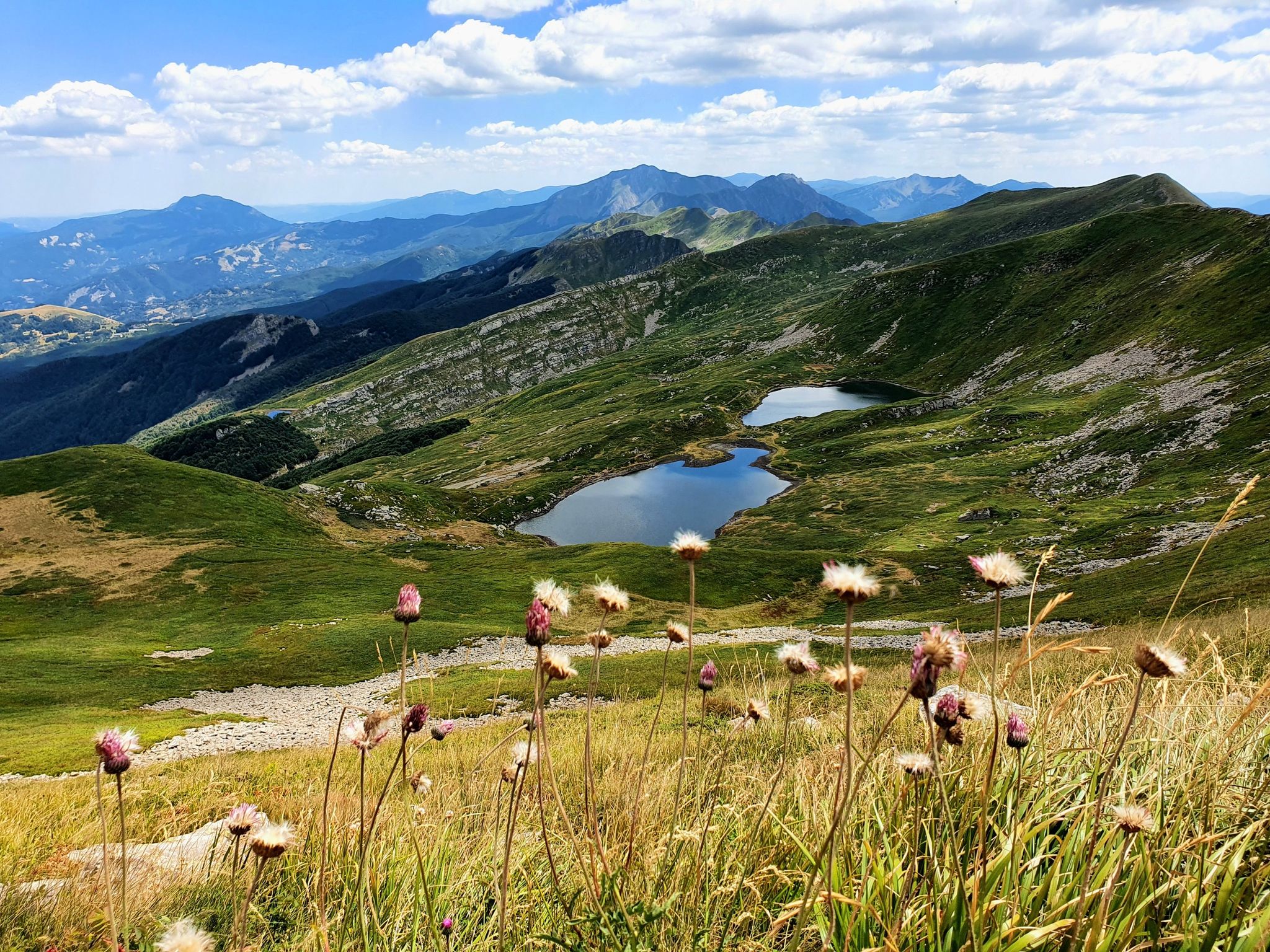
Berceto to Abetone – Alta Via dei Parchi (part 1)
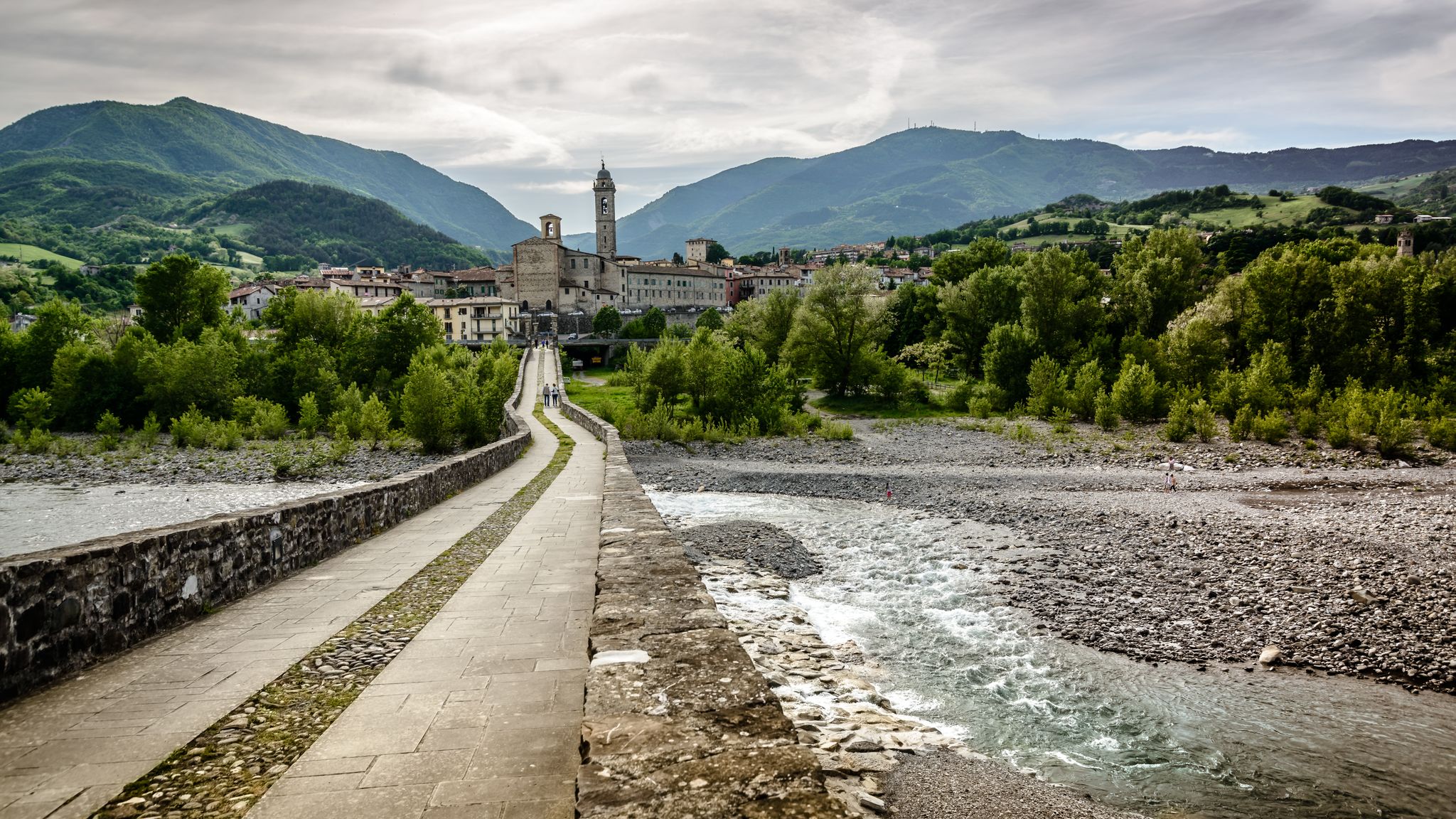
A historic hike from Pavia to Pontremoli – Via degli Abati
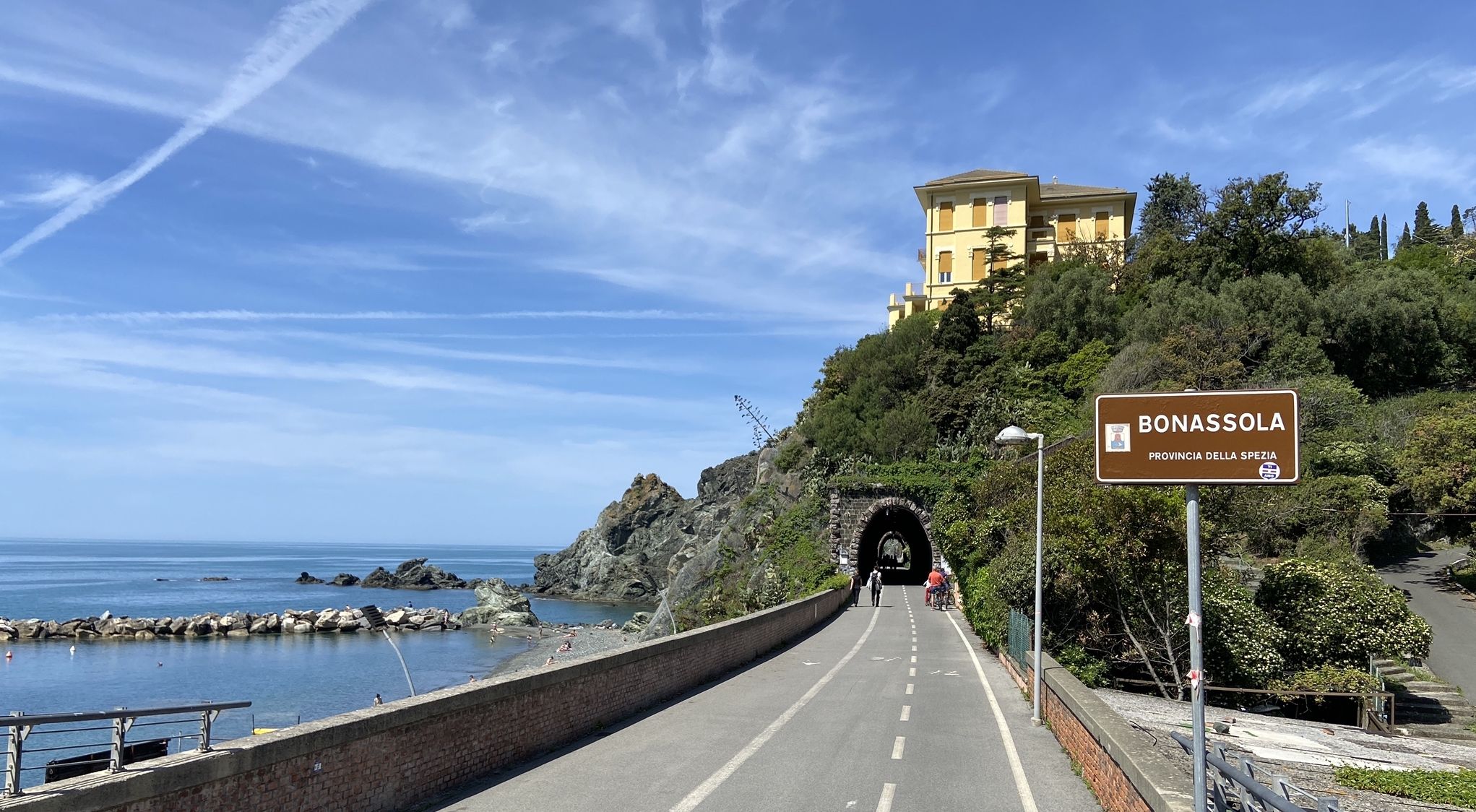
Pedalling to Portofino and the Cinque Terre — sea and mountains
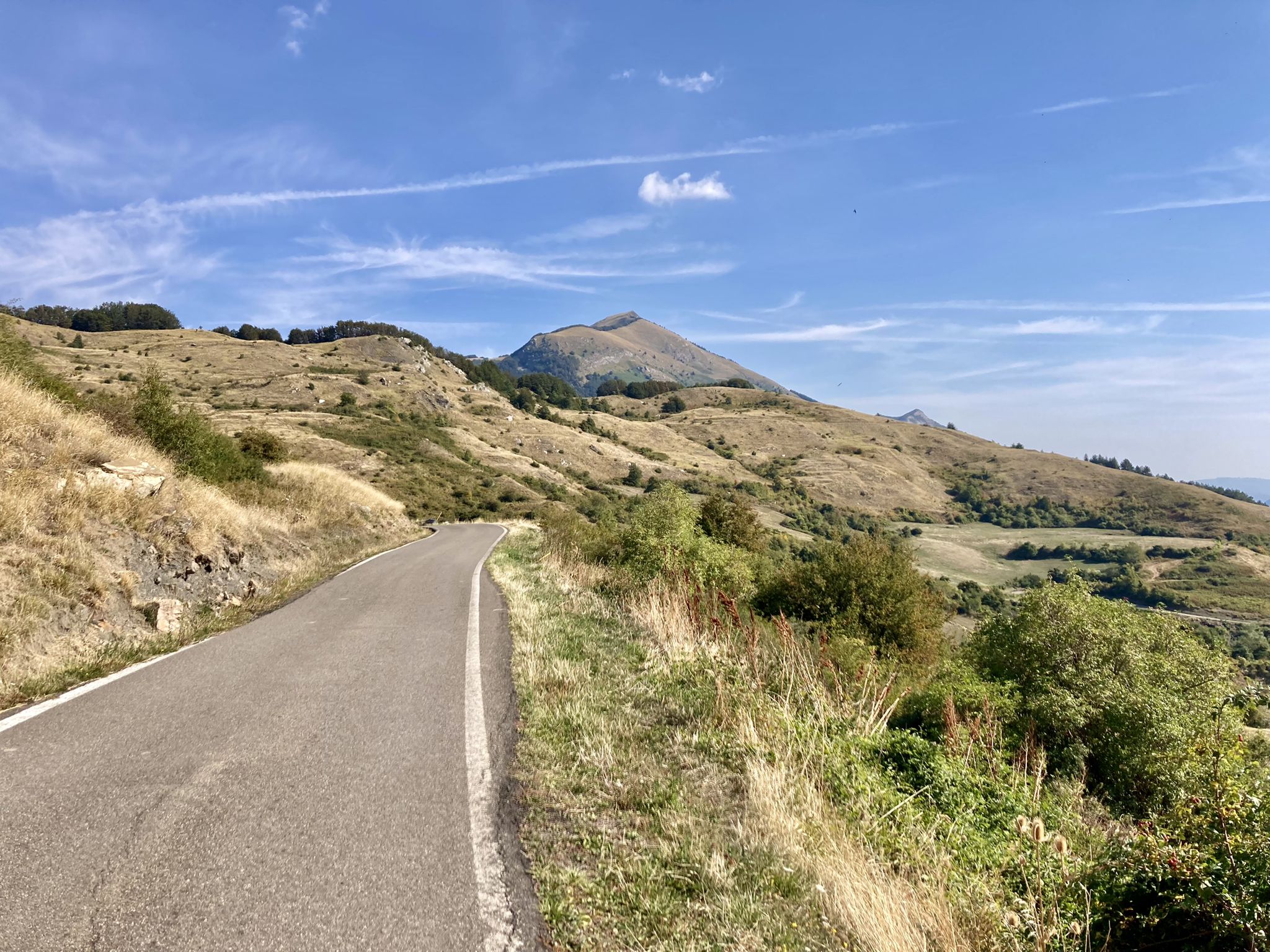
Apperò l'Appennino – five days of Italy's Emilian climbs
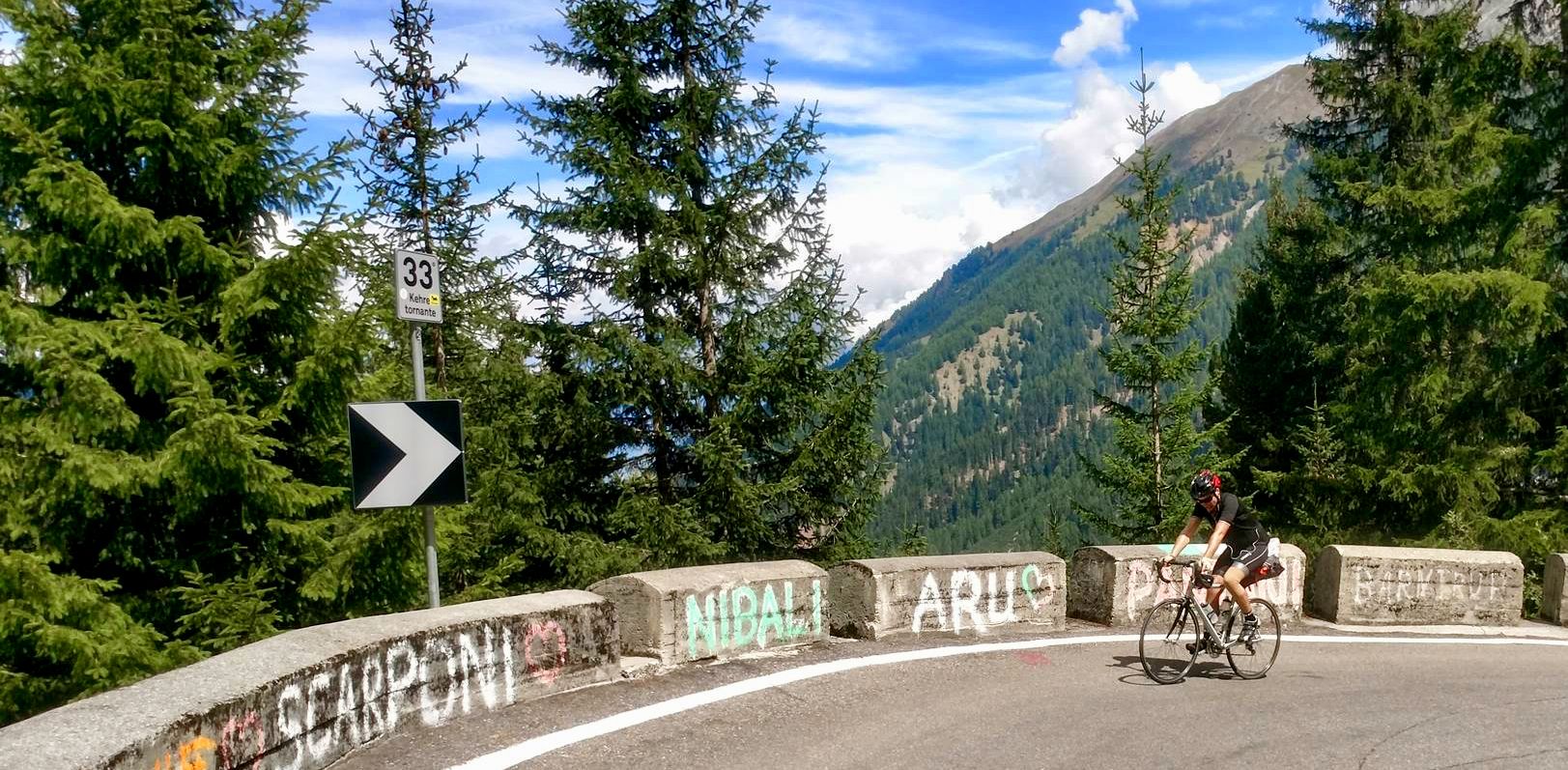
From the mountains to the sea — road cycling in Northern Italy
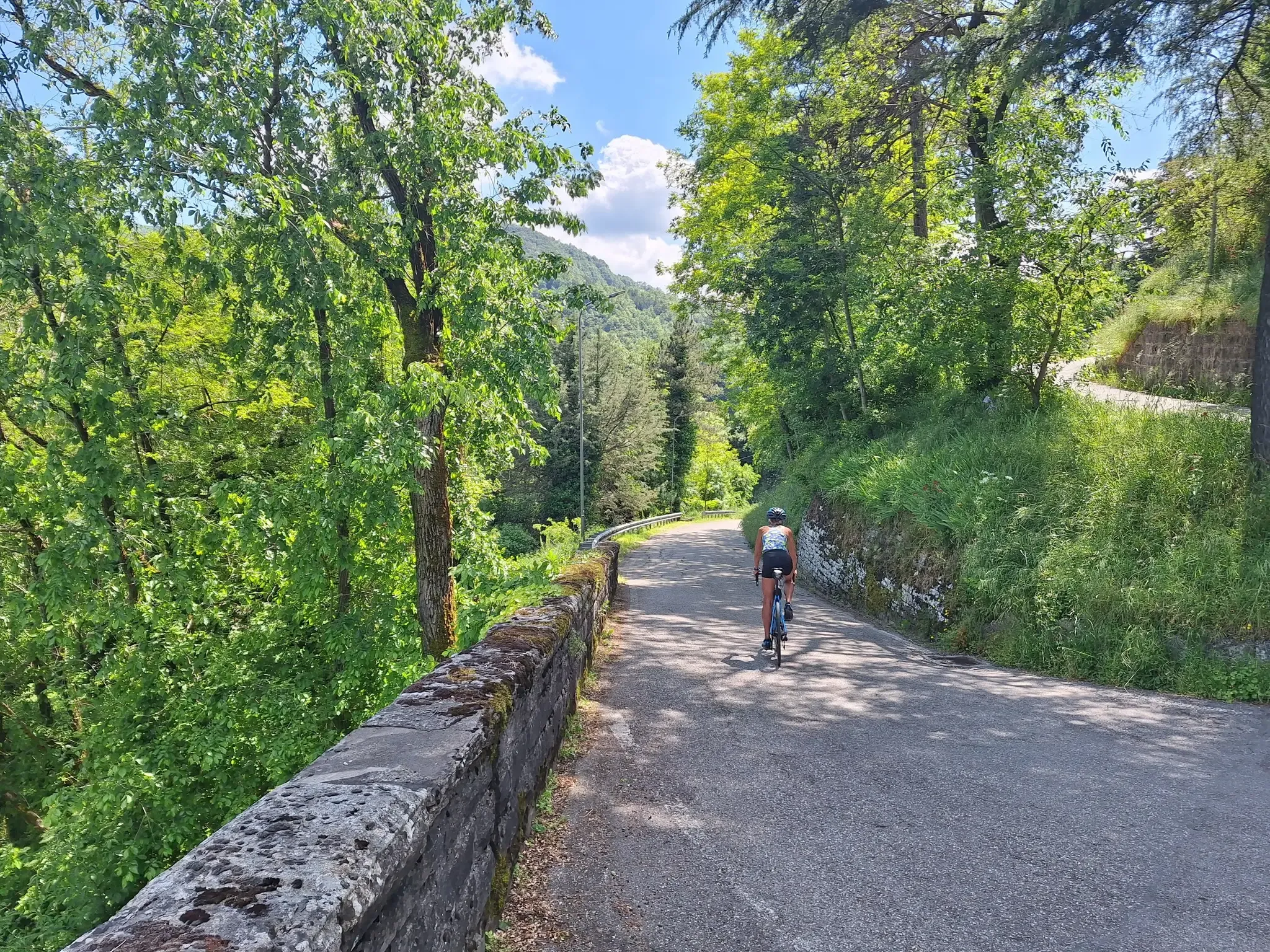
Emilia-Romagna by bike – rides between the plains and the Apennines
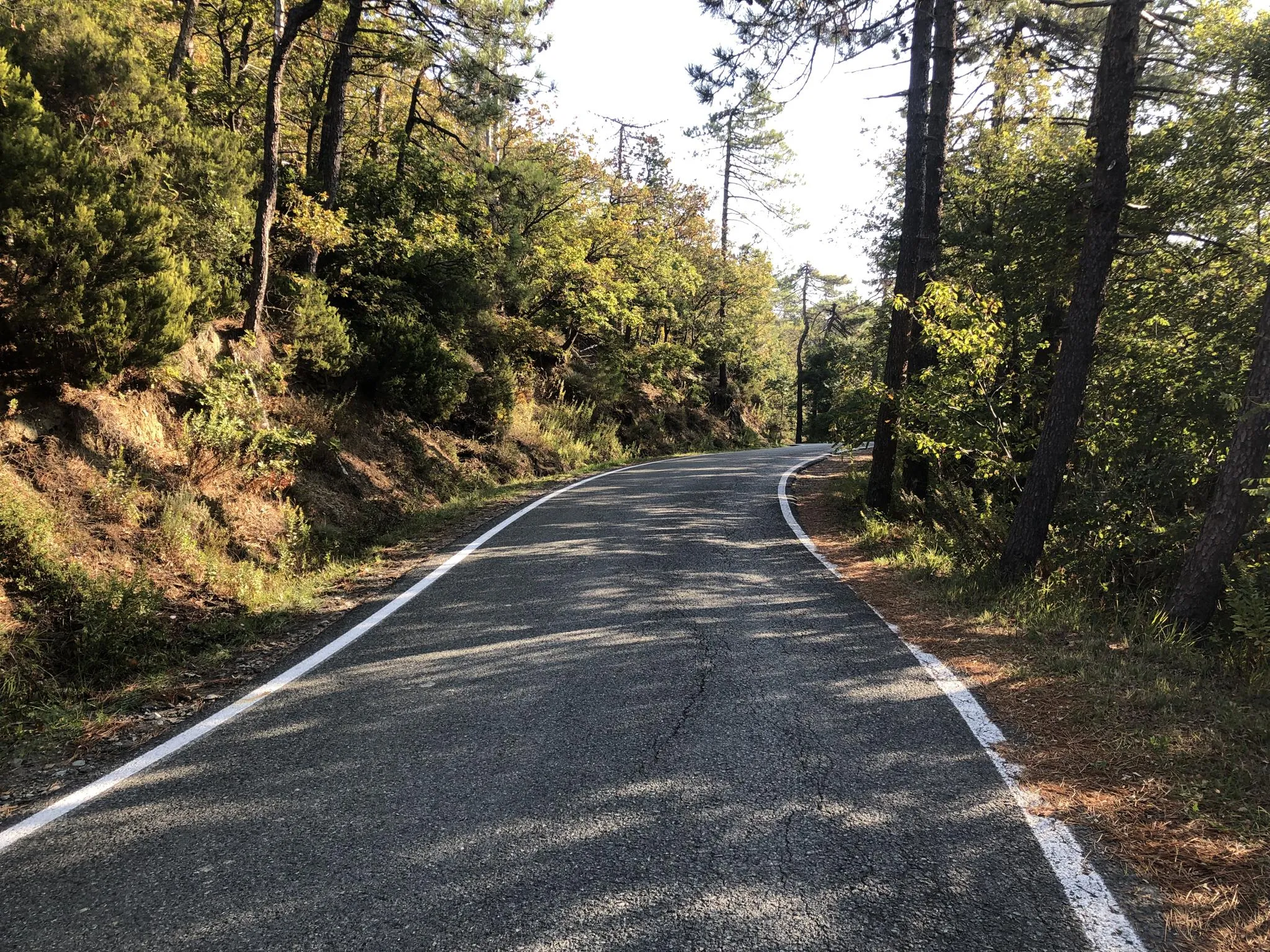
Apennine Cycle Route (Part 1) - From Liguria to Umbria
Other adventures in Parma


Tips from the Community

Wonderful to be here in the immediate vicinity of the kiosk. Just enjoy the many shady areas or find refreshment in the water features.
2
0

It is located in front of the main entrance to the park/fortress. It is in perfect working order.
0
0

La chiesa di San Quintino è una delle più antiche della città. È stata eretta Santuario mariano nel 1936 in quanto vi si venera la miracolosa Beata Vergine dell’aiuto, la cui festa si celebra il 14 luglio. Dai documenti risulta che la chiesa esisteva già nell’833 e si trovava appena fuori le mura, sul Canale Maggiore che scorreva dietro borgo San Silvestro. Con la costituzione del ducato di Parma (1545) retto dai Farnese la città assumeva il ruolo di capitale e si rinnovava architettonicamente. Anche la chiesa di San Quintino veniva ricostruita intorno al 1561 con la facciata rivolta verso via XXII luglio, su progetto dell’architetto parmigiano Gian Battista Fornovo. L’altissima e piatta facciata è suddivisa orizzontalmente in due parti e verticalmente da paraste che racchiudono nicchie, finestre e la porta sormontata dal timpano; particolarmente significativo appare il fianco su borgo del Canale (immagine a destra), che segue la conformazione interna delle cappelle, giungendo a un movimento concitato e spezzato delle pareti.   Santuario Beata Vergine dell’aiuto in San Quintino La chiesa di San Quintino è una delle più antiche della città. È stata eretta Santuario mariano nel 1936 in quanto vi si venera la miracolosa Beata Vergine dell’aiuto, la cui festa si celebra il 14 luglio. Dai documenti risulta che la chiesa esisteva già nell’833 e si trovava appena fuori le mura, sul Canale Maggiore che scorreva dietro borgo San Silvestro. Con la costituzione del ducato di Parma (1545) retto dai Farnese la città assumeva il ruolo di capitale e si rinnovava architettonicamente. Anche la chiesa di San Quintino veniva ricostruita intorno al 1561 con la facciata rivolta verso via XXII luglio, su progetto dell’architetto parmigiano Gian Battista Fornovo.L’altissima e piatta facciata è suddivisa orizzontalmente in due parti e verticalmente da paraste che racchiudono nicchie, finestre e la porta sormontata dal timpano; particolarmente significativo appare il fianco su borgo del Canale (immagine a destra), che segue la conformazione interna delle cappelle, giungendo a un movimento concitato e spezzato delle pareti. L’interno a navata unica si presenta diverso da quello originale che aveva la parete di fondo all’altezza dell’inizio dell’attuale presbiterio, in quanto dietro vi era la parte riservata alle monache di clausura. La parete è stata eliminata nel 1845 quando - dopo la soppressione del monastero benedettino (1810) e la destinazione della chiesa a parrocchia - è stato deciso di ristrutturare l’interno e di creare l’attuale zona absidale col coro. Lungo le pareti laterali si aprono quattro cappelle sul lato sinistro e tre su quello destro in quanto il primo vano è di collegamento all’ingresso laterale. Nella navata spiccano otto eleganti appliques settecentesche in legno intagliato argentato e dorato con motivi a conchiglia e a volute e con braccia a foglie. Le policrome stazioni in rilievo della Via Crucis sono degli Anni Trenta del Novecento. Di particolare rilievo artistico sono la cappella battesimale (prima a sinistra) e la cappella dedicata alla beata Orsolina Veneri (terza a sinistra).  Santuario Beata Vergine dell’aiuto in San Quintino La chiesa di San Quintino è una delle più antiche della città. È stata eretta Santuario mariano nel 1936 in quanto vi si venera la miracolosa Beata Vergine dell’aiuto, la cui festa si celebra il 14 luglio. Dai documenti risulta che la chiesa esisteva già nell’833 e si trovava appena fuori le mura, sul Canale Maggiore che scorreva dietro borgo San Silvestro. Con la costituzione del ducato di Parma (1545) retto dai Farnese la città assumeva il ruolo di capitale e si rinnovava architettonicamente. Anche la chiesa di San Quintino veniva ricostruita intorno al 1561 con la facciata rivolta verso via XXII luglio, su progetto dell’architetto parmigiano Gian Battista Fornovo.L’altissima e piatta facciata è suddivisa orizzontalmente in due parti e verticalmente da paraste che racchiudono nicchie, finestre e la porta sormontata dal timpano; particolarmente significativo appare il fianco su borgo del Canale (immagine a destra), che segue la conformazione interna delle cappelle, giungendo a un movimento concitato e spezzato delle pareti. L’interno a navata unica si presenta diverso da quello originale che aveva la parete di fondo all’altezza dell’inizio dell’attuale presbiterio, in quanto dietro vi era la parte riservata alle monache di clausura. La parete è stata eliminata nel 1845 quando - dopo la soppressione del monastero benedettino (1810) e la destinazione della chiesa a parrocchia - è stato deciso di ristrutturare l’interno e di creare l’attuale zona absidale col coro. Lungo le pareti laterali si aprono quattro cappelle sul lato sinistro e tre su quello destro in quanto il primo vano è di collegamento all’ingresso laterale. Nella navata spiccano otto eleganti appliques settecentesche in legno intagliato argentato e dorato con motivi a conchiglia e a volute e con braccia a foglie. Le policrome stazioni in rilievo della Via Crucis sono degli Anni Trenta del Novecento. Di particolare rilievo artistico sono la cappella battesimale (prima a sinistra) e la cappella dedicata alla beata Orsolina Veneri (terza a sinistra). la cappella battesimale, caratterizzata dal fonte neobizantino in marmo rosa con sopra la statua di San Giovanni Battista (1922), è arricchita con la collocazione nella parete di fondo dell’imponente quadro realizzato nel 2015 da Giovanna Scapinelli che rappresenta il Battesimo di Cristo. L’opera, ricca di significati simbolici, è suddivisa in due parti: in quella rettangolare, alta due metri, Giovanni con solennità gestuale versa l’acqua sul capo di Cristo, piegato leggermente, raccolto in un sentimento di intima partecipazione. Sopra, in una lunetta staccata, lo Spirito Santo sotto forma di colomba trasmette la luce divina della grazia. la cappella dedicata alla Beata Orsolina, (Parma 1735 - Verona 1408) che a nove anni ha sentito il forte richiamo ad impegnarsi per l’unità della Chiesa, dedicandovi la vita. Un anno dopo la sua morte il suo corpo viene riesumato per essere portato a Parma ed è trovato intatto. La salma resta esposta per quattro giorni in San Quintino con un grandissimo concorso di fedeli ed è ora conservata sotto l’altare, opera - insieme a tabernacolo, ancona e cimasa - dell’abilissimo intagliatore Ignazio Marchetti; nell’ancona è stato inserito il dipinto di Benigno Bossi rappresentante la Beata Orsolina che nel 1393, accompagnata dalla madre, parla ad Avignone con l’antipapa Clemente VII. Nel 1887 la volta è stata affrescata con una decorazione neobarocca mentre sulle pareti sono stati posti due quadri dipinti da Cecrope Barilli e rappresentanti due momenti della vita della Beata. Il presbiterio è introdotto da un imponente arco con un frontone decorato con girali e cornucopie di stucco bianco. Ai lati del presbiterio sono state poste le balaustre lignee dipinte a finto marmo, che un tempo recingevano l’area sacra. In alto si stagliano le due cantorie con motivi decorativi a rilievo. Nella cantoria di sinistra si trova l’organo fabbricato nel 1896. La mensa eucaristica è in legno con decorazioni petitotiane dorate in rilievo mentre l’altare è in marmi policromi. Il coro è composto da 28 stalli. Lungo la parete absidale, a circa tre metri di altezza, corre una loggia balaustrata sopra la quale, al centro dell’abside, si eleva l’edicola marmorea contenente l’immagine miracolosa della Madonna dell’aiuto, che era stata affrescata nell’oratorio di San Cristoforo nel secondo quarto del Cinquecento, probabilmente da Michelangelo Anselmi, e che poi era scomparsa sotto nuove intonacature. La sacra icona è casualmente riemersa nel 1723 durante lavori di restauro che provocavano la caduta dell’intonaco che la ricopriva ed è diventata oggetto di culto cittadino; così quando in seguito alla soppressione dei conventi è stato chiuso anche quello delle agostiniane di San Cristoforo, la venerata immagine l’8 dicembre del 1811 è stata trasportata nella parrocchiale di San Quintino. Il catino absidale è stato dipinto nel 1923 per celebrare il secondo centenario del rinvenimento della Madonna dell’aiuto. Il santuario della Beata Vergine dell’aiuto in San Quintino si trova a Parma in via XXII Luglio 34. FONTE: https://www.diocesi.parma.it/madonna-dellaiuto.html
0
0

An early Christian church, probably built over a pre-Christian sanctuary, stood on the site of today's cathedral square from the 4th or 5th century. From 860 onwards, the Church of St. Mary was built nearby, which became the cathedral. After its destruction by fire, construction of the present cathedral began in 1074 in several phases. The bell tower was built between 1284 and 1294 in the Gothic style. https://de.wikipedia.org/wiki/Dom_von_Parma
2
0
The Sanctuary of Santa Maria della Steccata is a Renaissance church in the center of Parma, Italy. The name derives from the fence (Italian: steccato) within the church. The Virgin Mary is dedicated to the Capuchins and was crowned on May 27, 1601, by a member of the Capuchin Order, Fray Giacomo di Forli. Pope Benedict XVI elevated the Marian shrine to the status of a minor basilica on February 9, 2008. https://en.wikipedia.org/wiki/Sanctuary_of_Santa_Maria_della_Steccata
2
0
OPENING HOURS Open Monday to Sunday from 8:30 to 10:30 and from 15:30 to 18:30. Weekday and Saturday services at 18:30, Sunday at 11:00 and 18:30. SOURCE https://parmawelcome.it/scheda/chiesa-di-santa-croce/
0
0
The Church of Santa Croce, of ancient Romanesque origins, stands along the route of the ancient Via Francigena. The building was built in 1210, while the year of consecration in 1222, with an architectural structure with three naves. The building underwent numerous modifications: it was first raised and then covered with a dome, finally enriched by a notable chapel called San Giuseppe, thus assuming its current appearance. Traces of the origins can be found in the capitals of the pillars of the three naves, which show purely medieval subjects and are decorative parts of great value. The author is among the followers of the masters who worked on the construction site of the Cathedral of Parma. The central nave is frescoed by Giovanni Maria Conti della Camera (around 1635) as is the Chapel of San Giuseppe where you can also admire a wooden group made by Angelo Fontana in the second half of the 18th century. The church also houses altarpieces and works of art from the Baroque period. SOURCE: https://parmawelcome.it/scheda/chiesa-di-santa-croce/
0
0
Frequently Asked Questions
How many urban hiking trails are available in Parma?
Parma offers a wide selection of urban hiking trails, with over 160 routes to explore. These trails range from easy strolls through city parks to moderate walks that take you through historical districts and along the Parma River.
What is the best time of year for urban hiking in Parma?
Spring and autumn are ideal for urban hiking in Parma. The weather is mild, and the city's parks and tree-lined streets are particularly beautiful. While summer can be warm, early mornings or late afternoons offer pleasant conditions for walks. Winter walks can also be charming, especially if you enjoy the crisp air and fewer crowds.
Are there family-friendly urban walks in Parma?
Yes, Parma has many family-friendly urban walks. Routes like the Cittadella of Parma – Cittadella Park loop are perfect for all ages, offering open spaces for children to play and easy, flat terrain. Many city parks provide a safe and enjoyable environment for families to explore together.
Can I bring my dog on urban hikes in Parma?
Many urban trails and parks in Parma are dog-friendly, provided your dog is kept on a leash. The Parma City and Parks Loop is a great option for walking with your canine companion, offering plenty of green spaces. Always remember to clean up after your pet to keep the trails enjoyable for everyone.
What kind of terrain can I expect on Parma's urban trails?
Parma's urban trails primarily feature easy to moderate terrain. You'll find mostly paved paths, sidewalks, and well-maintained gravel paths through parks. Elevation changes are generally minimal, making most routes accessible for a wide range of fitness levels. Some routes, like the Parma Cathedral and Baptistery – Garibaldi Square loop, might include short, gentle inclines as you navigate historical areas.
Are there circular urban walks available in Parma?
Yes, many of Parma's urban hiking routes are designed as circular loops, allowing you to start and end at the same point. The Parma City and Parks Loop is a prime example, offering a convenient way to explore the city's green spaces and historical sites without retracing your steps.
What interesting landmarks can I see along urban hiking trails in Parma?
Urban hikes in Parma offer a rich blend of historical and cultural sights. You can explore iconic landmarks such as the Parma Cathedral, the Garibaldi Square, and the Ducal Palace. Routes often weave through charming city streets, past ancient churches, and alongside the Parma River, providing a picturesque journey through the city's heritage.
How can I reach Parma's urban hiking trails using public transport?
Parma's urban hiking trails are generally well-integrated within the city, making them easily accessible by public transport. Many routes start near central bus stops or the train station. For specific routes, checking local bus schedules will help you find the most convenient starting points, allowing you to explore the city without needing a car.
Is parking available near urban hiking trailheads in Parma?
Parking is available in various locations throughout Parma, including paid parking garages and street parking zones, particularly near major parks and city attractions. For routes that venture slightly outside the immediate city center, such as the Garibaldi Square – Parma Cathedral and Baptistery loop from Valera, you may find more readily available parking options.
What do other hikers enjoy most about urban hiking in Parma?
The komoot community highly rates urban hiking in Parma, with an average score of 4.4 stars. Reviewers often praise the ease of access to historical sites, the beauty of the city's parks, and the opportunity to experience Parma's culture and architecture on foot. The well-maintained paths and the variety of routes suitable for different interests are frequently highlighted.
Are there cafes or amenities along Parma's urban hiking routes?
Absolutely! Parma's urban hiking routes often pass through or near bustling city centers and charming neighborhoods where you'll find numerous cafes, restaurants, and shops. You can easily stop for a coffee, a traditional Parmigiano Reggiano snack, or a full meal to refuel during your walk, especially on routes like the Ducal Palace, Parma – Chiesa di Santa Croce (Parma) loop.
Most popular routes in Parma
Most popular attractions in Parma

Get inspired with the komoot mobile app


Didn’t find what you were looking for?
Check out more Hikes throughout Parma below and find the perfect route in your destination.
Explore more
Browse the best Hikes in other regions.
