The best hikes from bus stations in Zaragoza
4.5
(1396)
8,853
hikers
339
hikes
Hiking in Zaragoza offers diverse landscapes, from riverine ecosystems along the Ebro River to semi-arid steppes and chalky hills. The region features limestone gorges, pine forests, and unique geological formations. This varied terrain provides options for different hiking preferences, including urban paths and more natural environments accessible by public transport.
Best bus station hiking trails in Zaragoza
- The most popular bus station hiking route is Historic center of Zaragoza — circular from Av. de Cataluña, a 4.2 miles (6.8…
Last updated: October 1, 2026
4.2
(24)
98
hikers
6.82km
01:47
50m
50m
Easy hike. Great for any fitness level. Easily-accessible paths. Suitable for all skill levels.
4.5
(13)
55
hikers
10.2km
02:43
110m
110m
Moderate hike. Good fitness required. Easily-accessible paths. Suitable for all skill levels.

4.0
(2)
7
hikers
15.4km
03:55
40m
40m
Moderate hike. Good fitness required. Easily-accessible paths. Suitable for all skill levels.
4.0
(1)
5
hikers
Easy hike. Great for any fitness level. Easily-accessible paths. Suitable for all skill levels.
8
hikers
13.9km
03:31
30m
30m
Moderate hike. Good fitness required. Easily-accessible paths. Suitable for all skill levels.
Get access to more routes and recommendations from other explorers.
Already have an account?
Our route recommendations are based on thousands of hikes, rides, and runs completed by other people on komoot.
Start today with a free account
Your next adventure awaits.
Popular around Zaragoza
Hikes from bus stations around Zaragoza
Hikes from bus stations around Cinco Villas

Hikes from bus stations around Campo de Borja
Hikes from bus stations around Caspe

Hikes from bus stations around La Almunia De Doña Godina

Hikes from bus stations around Comunidad de Calatayud

Hikes from bus stations around Campo de Daroca
The Ignatian Way - In the footsteps of Ignatius of Loyola
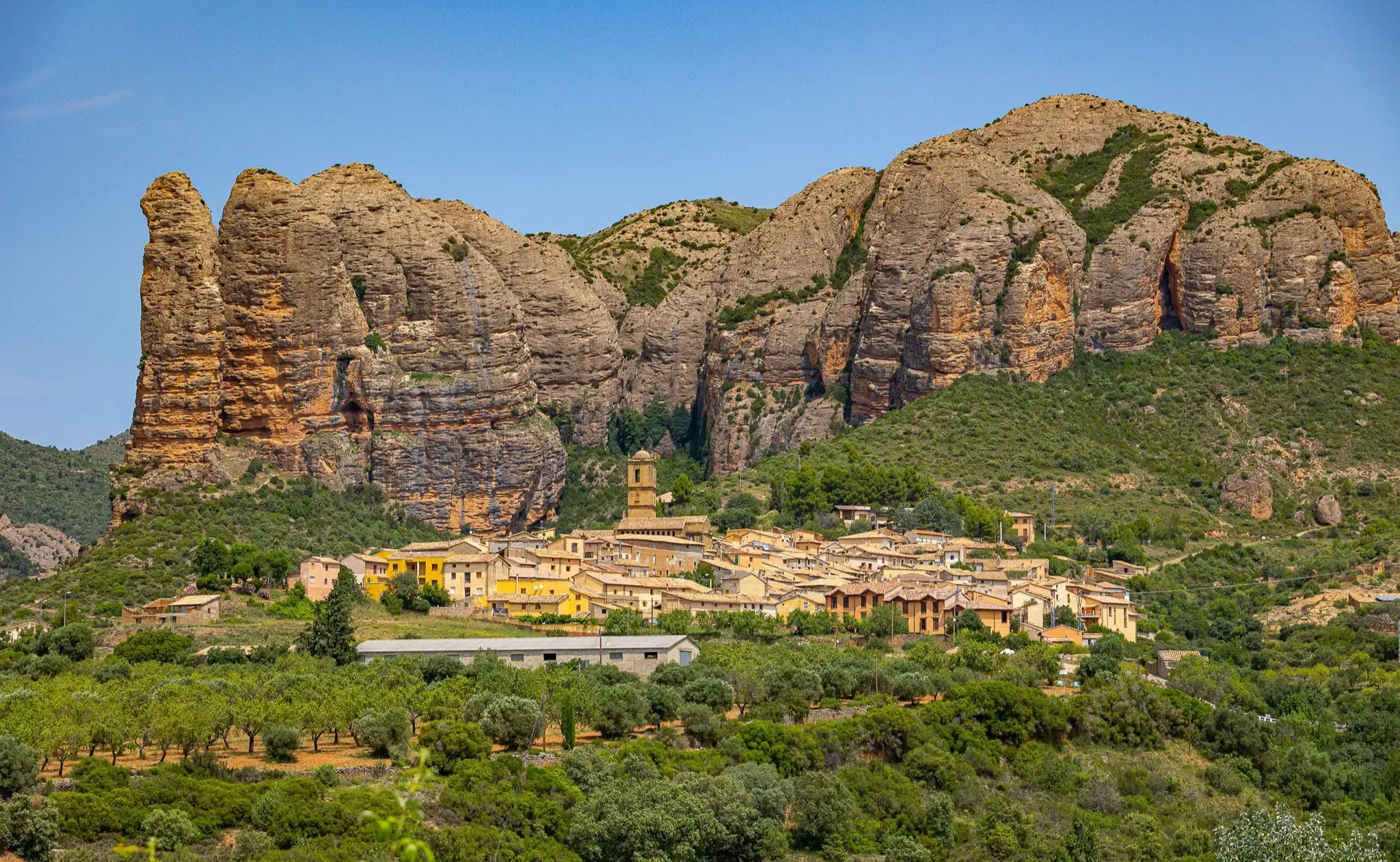
Hiking between geology and history – GR1 in Aragón
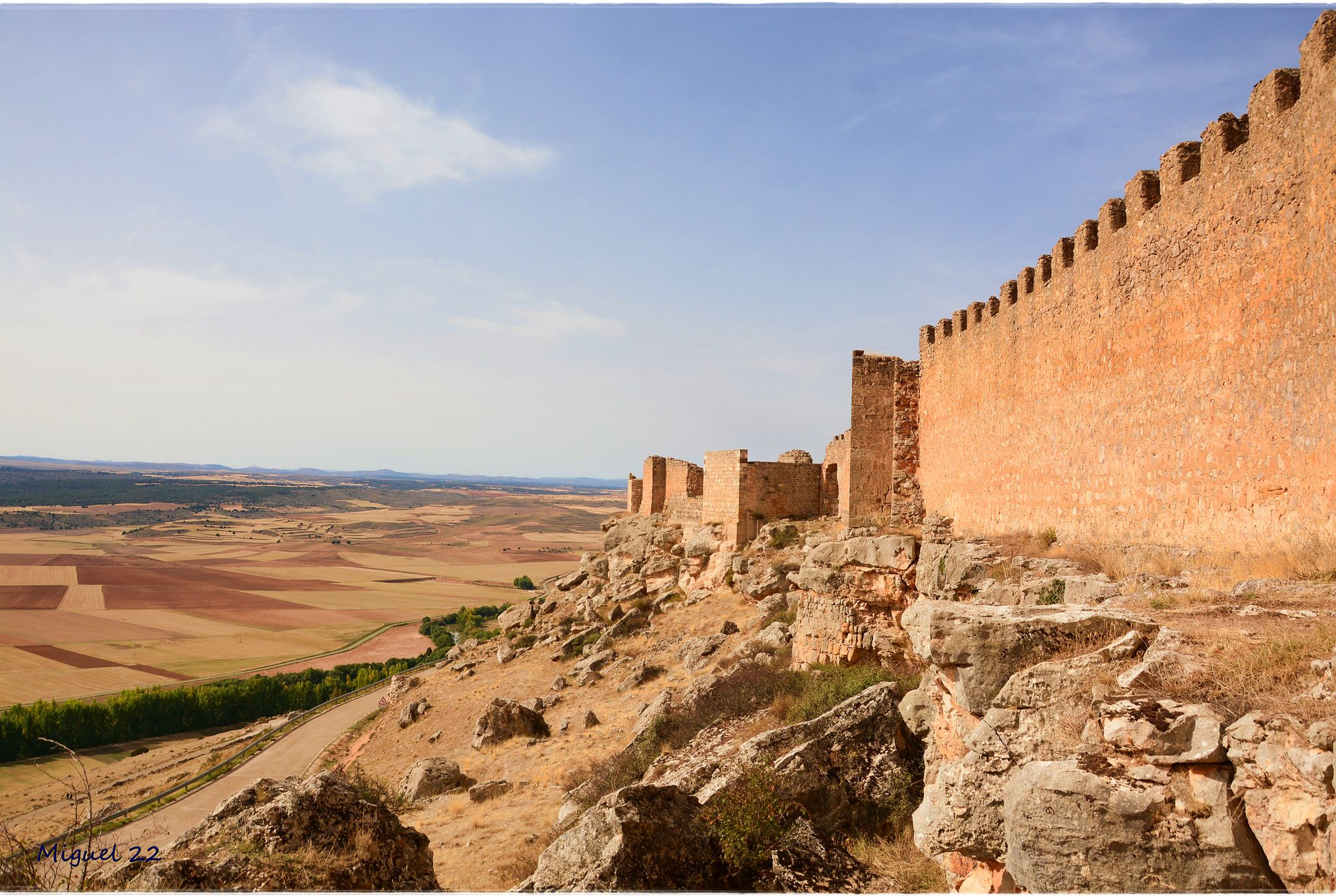
A journey through mediaeval Spain – El Camino del Cid (GR 160)
Other adventures in Zaragoza


Tips from the Community

A walk like any other outside of your usual surroundings, good for passing the morning
0
0

From Santa Isabel, go up the left bank and down the right bank. A pleasant morning, 5 hours including a break for a sandwich.
0
0

The highlight of Zaragoza. A visit is a must for its historical significance, the beauty of the basilica, and the fact that it is still active. But be prepared for crowds, often with poor manners. The Basilica of Our Lady of the Pillar: one of the two metropolitan cathedrals of the Archdiocese of Zaragoza, along with the Cathedral of the Savior. The documented history of the temple dates back to the 9th century, when the existence of a Mozarabic church in Saraqusta dedicated to Saint Mary is attested, on the same site where the Baroque basilica now stands. Architecturally, the basilica is structured with three naves resting on robust pillars. The exterior is made of brick. Free admission.
2
0


It is a beautiful, friendly and lively square that is often the setting for cultural events, markets and religious celebrations.
8
1
It is a beautiful, friendly and lively place that is often the scene of cultural events, markets and religious celebrations.
8
1
The Basilica of the Pillar in Zaragoza is an impressive Baroque church built between the 17th and 18th centuries. Located on the banks of the Ebro River, it is a major pilgrimage destination in Spain. The basilica is famous for its magnificent architecture, the exquisite frescoes by Francisco de Goya, and its distinctive towers. It is considered one of the most important religious and cultural monuments in the country. Standing in front of the basilica in the plaza, it is so vast that I couldn't even fit it into a single photograph with a wide-angle lens.
9
1
Very nice square in the old town of Zaragoza
4
2
Frequently Asked Questions
How many hiking trails are accessible from bus stations in Zaragoza?
There are nearly 300 hiking trails in Zaragoza that are easily accessible from bus stations. This includes a wide range of options, with over 130 easy routes and more than 140 moderate trails, ensuring there's something for every skill level.
Are there any easy, family-friendly hikes accessible by bus from Zaragoza?
Yes, Zaragoza offers several easy, family-friendly options. For an urban experience, consider the Historic center of Zaragoza — circular from Av. de Cataluña. For a natural setting, the Monasterio de Piedra Natural Park, known for its waterfalls and lush forests, offers an easy 2.4-mile trail and is a popular destination accessible by public transport.
Can I find circular hiking routes that start and end near bus stops?
Absolutely. Many routes are designed as circular paths for convenience. An excellent example is the Toro de Osborne and Castillo de Cornel - circular through the Montes Blancos de Alfajarín, offering a unique semi-arid landscape experience. Another option is the Ebro Natural Trail Loop from El Burgo de Ebro, which explores the riverine ecosystem.
What kind of landscapes can I expect on bus-accessible hikes around Zaragoza?
Zaragoza's bus-accessible hikes offer a diverse range of landscapes. You can explore riverine ecosystems along the Ebro River, semi-arid steppes in areas like Montes Blancos de Alfajarín, lush forests and stunning waterfalls at Monasterio de Piedra, and even unique geological formations in limestone gorges.
Are there any long-distance or pilgrimage routes accessible from Zaragoza's bus stations?
Yes, for those seeking longer journeys, parts of significant long-distance routes are accessible. The Ebro Natural Trail (GR 99) follows the Ebro river valley, offering extensive hiking opportunities. Additionally, the Via Sancti Martini - Zaragoza Way is a pilgrimage route that passes through the region.
What do other hikers say about the trails around Zaragoza?
The komoot community highly rates the hiking trails around Zaragoza, with an average score of 4.5 stars. Hikers frequently praise the diverse landscapes, from river paths to semi-arid hills, and the accessibility of many routes via public transport, making it easy to explore the region's natural beauty.
Are there any specific natural attractions or landmarks to look out for on these trails?
Yes, the region is rich in natural and historical points of interest. While hiking, you might encounter mountain passes such as Alto de San Esteban or Collado de la Luz. The Monasterio de Piedra is famous for its waterfalls and grottos. The Montes Blancos de Alfajarín offers views of the iconic Toro de Osborne and Castillo de Cornel.
What is the best time of year to go hiking from Zaragoza's bus stations?
Spring and autumn are generally the best times for hiking in Zaragoza, offering pleasant temperatures and vibrant natural scenery. Spring brings blooming wildflowers, while autumn showcases beautiful fall colors, especially in areas like Moncayo Natural Park's beech forests. Summers can be very hot, making early morning or late afternoon hikes preferable, and winters are generally mild but can be chilly.
Are there any huts or refuges along the hiking trails for breaks or overnight stays?
Yes, particularly in more remote areas or natural parks, you can find facilities like huts and refuges. Examples include Refugio Pilarotes, Refugio de la Artica, and the Majada Baja Refuge in Moncayo Natural Park. Some even offer dining options, such as the Santuario del Moncayo Restaurant and Hostel.
Are the bus-accessible hiking trails in Zaragoza dog-friendly?
Many natural areas and trails around Zaragoza are dog-friendly, especially those outside of protected wildlife zones where specific restrictions might apply. It's always recommended to keep dogs on a leash and check local regulations for specific parks or reserves, such as Monasterio de Piedra, which may have entry rules for pets. Generally, riverine paths and open landscapes are welcoming to well-behaved dogs.
What should I wear or bring for a hike in Zaragoza, especially when using public transport?
Given the varied terrain and climate, layered clothing is advisable. Comfortable hiking shoes are essential. Always carry enough water, especially during warmer months, as some routes, particularly in semi-arid areas, may have limited access to water sources. Sun protection (hat, sunscreen) is also crucial. If using public transport, ensure you have your bus tickets or relevant travel cards, and check schedules in advance.
Most popular routes in Zaragoza
Most popular attractions in Zaragoza

Get inspired with the komoot mobile app


Didn’t find what you were looking for?
Check out more Hikes throughout Zaragoza below and find the perfect route in your destination.
