The best hikes from bus stations in Castellón
4.5
(5514)
35,582
hikers
842
hikes
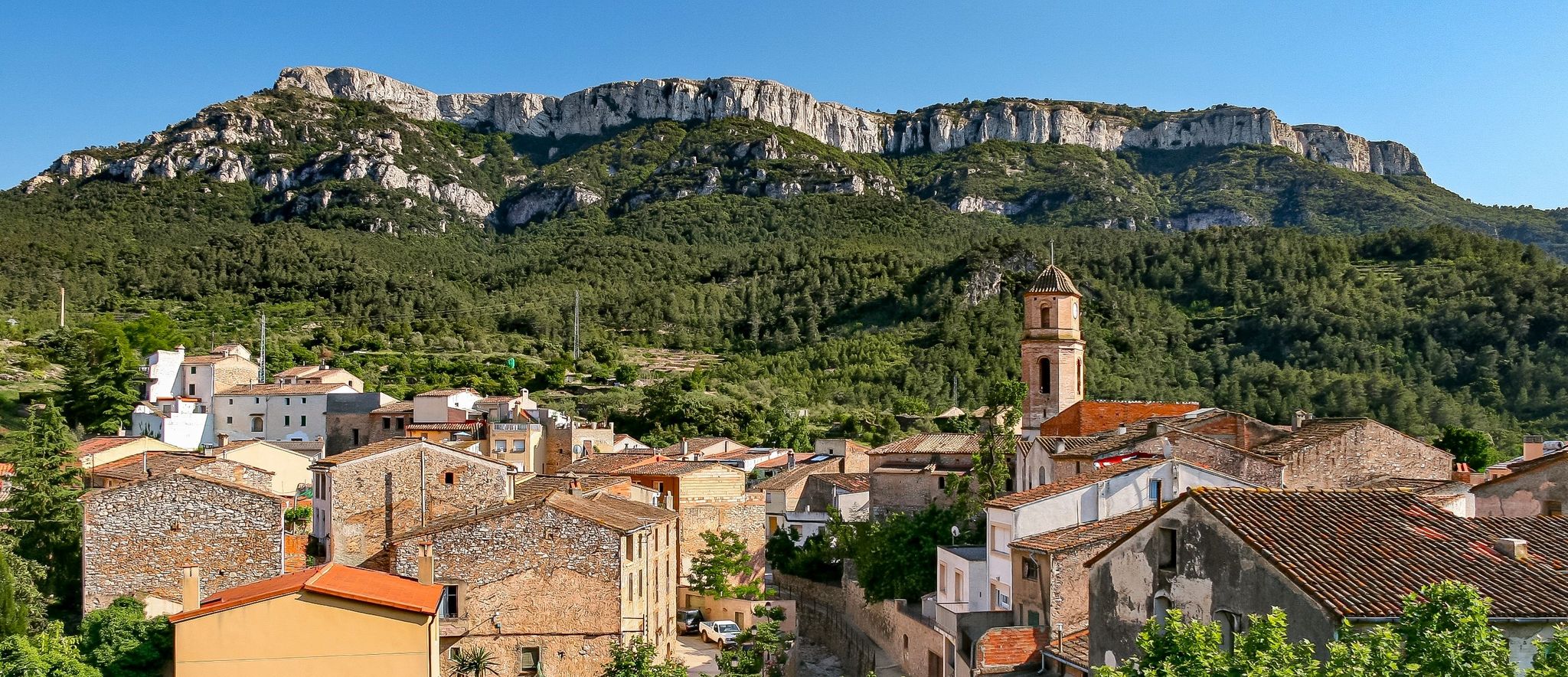
Hiking in Castellón offers diverse landscapes, from the mountainous Penyagolosa Massif to the unspoiled coastlines of Sierra d'Irta Natural Park. The region is characterized by a blend of high peaks, pine and cork oak forests, river routes, and Mediterranean scrub. This varied terrain provides a wide range of bus station hiking trails, catering to different preferences and skill levels.
Best bus station hiking trails in Castellón
- The most popular bus station hiking route is Peñíscola Marshland Trail, a 3.4 miles (5.5 km) trail that takes 1 hour 25 minutes to complete. This easy route explores the unique marshland ecosystem near the coast.
- Another top favourite among local hikers is Castro Castle and Nevera de Castro Loop, a moderate 8.0 miles (12.9 km) path. This route combines historical exploration with natural scenery, winding through hills to an ancient castle and ice house.
- Local hikers also love the La Font del Nogueret and la Font de Cabres (PR-CV 164) — Circular from Vall d'Uixó, a 9.1 miles (14.7 km) trail leading through forested areas and natural springs, often completed in about 4 hours 36 minutes.
- Hiking in Castellón is defined by its mountainous terrain, unspoiled coastlines, and extensive network of pine and cork oak forests. The region offers routes for various abilities, from easy coastal walks to challenging ascents in natural parks.
- The routes in Castellón are highly rated by the komoot community with an average score of 4.5 stars from more than 4,700 reviews. More than 31,000 hikers have used komoot to explore Castellón's varied terrain.
Last updated: August 13, 2026
4.6
(16)
63
hikers
5.26km
01:22
30m
30m
Easy hike. Great for any fitness level. Easily-accessible paths. Suitable for all skill levels.
4.7
(6)
24
hikers
12.9km
04:36
550m
550m
Moderate hike. Good fitness required. Mostly accessible paths. Sure-footedness required.

Sign up for free
3.8
(5)
14
hikers
Moderate hike. Good fitness required. Easily-accessible paths. Suitable for all skill levels.
3.8
(4)
7
hikers
10.9km
03:27
410m
410m
Moderate hike. Good fitness required. Easily-accessible paths. Suitable for all skill levels.
3
hikers
28.0km
08:27
870m
870m
Hard hike. Very good fitness required. Mostly accessible paths. Sure-footedness required.
Get access to more routes and recommendations from other explorers.
Sign up for free
Already have an account?
Our route recommendations are based on thousands of hikes, rides, and runs completed by other people on komoot.
Start today with a free account
Your next adventure awaits.
Login or Signup
Popular around Castellón

Hikes from bus stations around La Plana

Hikes from bus stations around Palancia

Hikes from bus stations around Litoral Norte
Hikes from bus stations around els Ports

Hikes from bus stations around Peñagolosa
Hikes from bus stations around Llanos Centrales

Hikes from bus stations around Bajo Maestrazgo
12 hiking gems throughout Spain
Between spiritual and earthly – Full Moon Trail (GR 33) in Spain
A land of contrasts – Tarragona to the Pyrenees on the GR 7
Other adventures in Castellón


Tips from the Community

The old town is located on an imposing rock that rises 64 m above the sea and is connected to the mainland by a strip of sand that used to be washed away by the waves during storms, temporarily turning the city into an island. The history of today's city goes back to around 1000 BC. The current old town was a castle at the time. The current castle was built by the Knights Templar between 1294 and 1307 on the ruins of a Moorish fortress. It was also the residence of the two popes Benedict XIII (Papa Luna) and Clement VIII. Source: Wikipedia
1
0


It was built in the 12th century by the Muslims who inhabited the region. Its original purpose was to retain the waters of the ravine of the same name and then use them to irrigate the fields downstream. This route is ideal for hiking lovers and offers a variety of landscapes and experiences. I hope you enjoy exploring the Ajuez Reservoir and its surroundings! 🌿🏞️
4
0

A tour through the streets is worth it; you will always find surprising views of the sea.
1
0

IRTA LIGHTHOUSE It is located in Mundina Bay in the Sierra de Irta Natural Park and was designed by Rita Lorite. This makes it, along with Nules, the only lighthouse in Spain designed entirely by women. It features an innovative design and its extreme white tone contrasts with the green tones of the area and the blue of the Mediterranean.
8
0
Ernbalse de Ajuez Unfortunately, the reservoir is almost dry and things are slowly getting tight for the fish and turtles. The Chóvar Reservoir, as it is also called, is part of an ancient local irrigation system built to retain the rushing water from the eponymous gorge. The place name is derived from Arabic, the meaning of which means “common pastureland” and indicates the importance of agriculture and livestock breeding in the region. Due to its capacity of 30,000 m³ and the lack of water sources in the nature park, it is of great value for the fauna. It is currently included in the catalog of wetlands of the Valencian Community
8
0

Castle complex/ruins with fantastic views. Unfortunately, dogs are not allowed in, so one always had to stay outside
2
0
Frequently Asked Questions
How many bus-accessible hiking trails are available in Castellón?
Castellón offers a wide variety of bus-accessible hiking trails, with over 700 routes available. These range from easy strolls to challenging mountain ascents, ensuring options for all skill levels.
What types of landscapes can I expect on bus-accessible hikes in Castellón?
The bus-accessible hikes in Castellón showcase the region's incredible diversity. You can explore coastal paths with stunning Mediterranean views, such as those in the Sierra d'Irta Natural Park, or venture into mountainous areas like the Penyagolosa Massif for panoramic vistas. Other trails traverse arid landscapes in the Desert de les Palmes Natural Park or lush cork oak forests in the Sierra de Espadán Natural Park.
Are there any easy, family-friendly bus-accessible hikes in Castellón?
Yes, Castellón has numerous easy trails perfect for families. An example is the Peñíscola Marshland Trail, which offers a gentle 5.4 km walk through a unique wetland environment. Many routes in the Natural Site of the Chico River also provide easy walks with opportunities for splashing in pools.
Can I find circular hiking routes accessible by bus in Castellón?
Absolutely. Many bus-accessible routes in Castellón are circular, allowing you to start and end at the same point. For instance, the Castro Castle and Nevera de Castro Loop is a moderate 12.8 km circular hike, and the La Font del Nogueret and la Font de Cabres (PR-CV 164) — Circular from Vall d'Uixó offers a longer 14.6 km option.
What kind of natural features or landmarks can I see along these trails?
Castellón's bus-accessible trails often lead to fascinating natural features and historical landmarks. You might discover hidden coves and ancient watchtowers along the coast, or explore river routes with picturesque cascades. Notable attractions include the Fuente de los Baños - Montanejos Lake, the historic Sant Joan de Penyagolosa Sanctuary, and various reservoirs like the Ulldecona Reservoir.
Are there any challenging bus-accessible hikes for experienced hikers?
Yes, for experienced hikers seeking a challenge, Castellón offers difficult bus-accessible routes. The Natural Park of Serra d'Irta — Circular from Alcocebre is a demanding 28 km hike with significant elevation gain, providing a rewarding experience through rugged coastal terrain.
What is the best season for hiking in Castellón, especially for bus-accessible routes?
Spring and autumn are generally considered ideal for hiking in Castellón due to mild temperatures and vibrant landscapes. However, the region can be enjoyed year-round. Coastal routes are pleasant in summer, and lower-altitude trails are suitable for winter, offering diverse experiences depending on the season.
What do other hikers enjoy most about bus-accessible hiking in Castellón?
The bus-accessible hiking trails in Castellón are highly rated by the komoot community, with an average score of 4.5 stars. Reviewers often praise the stunning variety of landscapes, from unspoiled coastlines to challenging mountain paths, and the accessibility of these natural wonders via public transport.
Are there any routes that offer historical insights or lead to ancient sites?
Many trails in Castellón weave through areas rich in history. You can find routes that pass by ancient castles, such as the one leading to the Castillo de Aín in the Sierra de Espadán Natural Park, or explore historical paths like the Camí dels Pelegrins de Les Useres. The Santa Bàrbara Hermitage and Montí Menor Trail also offers a glimpse into the region's heritage.
Can I find trails with water features like rivers or waterfalls?
Yes, Castellón features several picturesque river routes and trails with water features. The Natural Site of the Chico River in Montanejos is known for its easy walks and pools. Other trails in the region, particularly in areas like the Sierra de Espadán, boast eye-catching cascades and serene streams, offering a refreshing element to your hike.
Most popular routes in Castellón
Most popular attractions in Castellón

Get inspired with the komoot mobile app


Didn’t find what you were looking for?
Check out more Hikes throughout Castellón below and find the perfect route in your destination.
Explore more
Browse the best Hikes in other regions.
