The best hikes from bus stations in Norfolk
4.5
(5320)
43,908
hikers
1,336
hikes
Bus station hiking trails in Norfolk offer access to a diverse landscape characterized by an expansive coastline, tranquil inland waterways of the Broads, and lowland forests. The region features wide sandy beaches, salt marshes, and reedbeds, alongside significant woodland areas. The terrain is generally flat, making many routes accessible for various fitness levels.
Best bus station hiking trails in Norfolk
- The most popular bus station hiking route is Horstead to Buxton along the River Bure – autumn in the Broads…
Last updated: October 1, 2026
4.8
(17)
69
hikers
11.5km
02:56
30m
30m
Moderate hike. Good fitness required. Easily-accessible paths. Suitable for all skill levels.
4.7
(13)
69
hikers
8.31km
02:11
70m
70m
Moderate hike. Good fitness required. Easily-accessible paths. Suitable for all skill levels.

5.0
(5)
16
hikers
11.3km
02:52
20m
20m
Moderate hike. Good fitness required. Easily-accessible paths. Suitable for all skill levels.
4.0
(1)
11
hikers
12.0km
03:04
50m
50m
Moderate hike. Good fitness required. Mostly accessible paths. Sure-footedness required.
3.0
(2)
9
hikers
14.7km
03:44
30m
30m
Moderate hike. Good fitness required. Mostly accessible paths. Sure-footedness required.
Get access to more routes and recommendations from other explorers.
Already have an account?
Our route recommendations are based on thousands of hikes, rides, and runs completed by other people on komoot.
Start today with a free account
Your next adventure awaits.
Popular around Norfolk

Hikes from bus stations around North Norfolk

Hikes from bus stations around King'S Lynn And West Norfolk

Hikes from bus stations around Broadland

Hikes from bus stations around Great Yarmouth
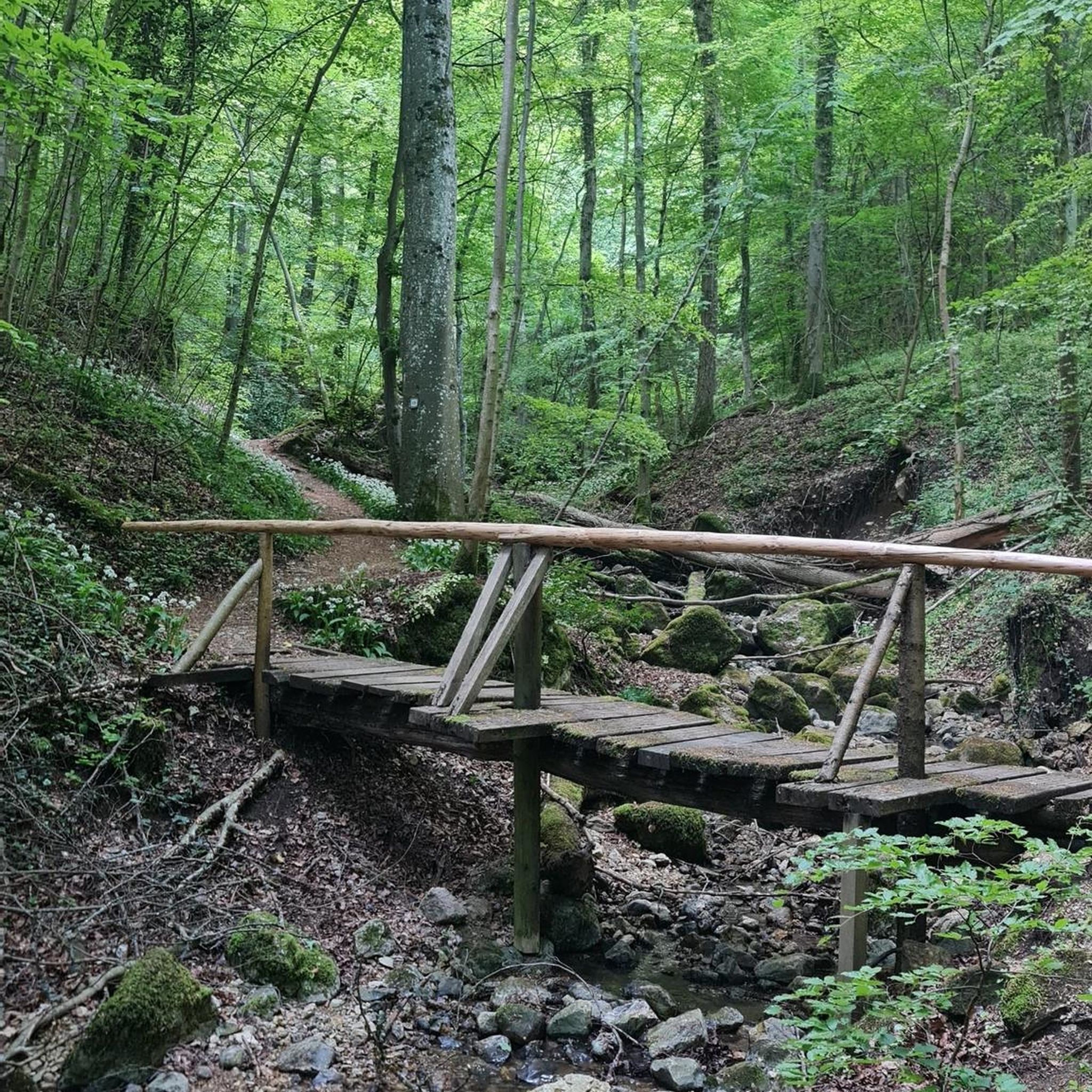
Hikes from bus stations around South Norfolk District

Hikes from bus stations around Norwich

Hikes from bus stations in the Breckland District
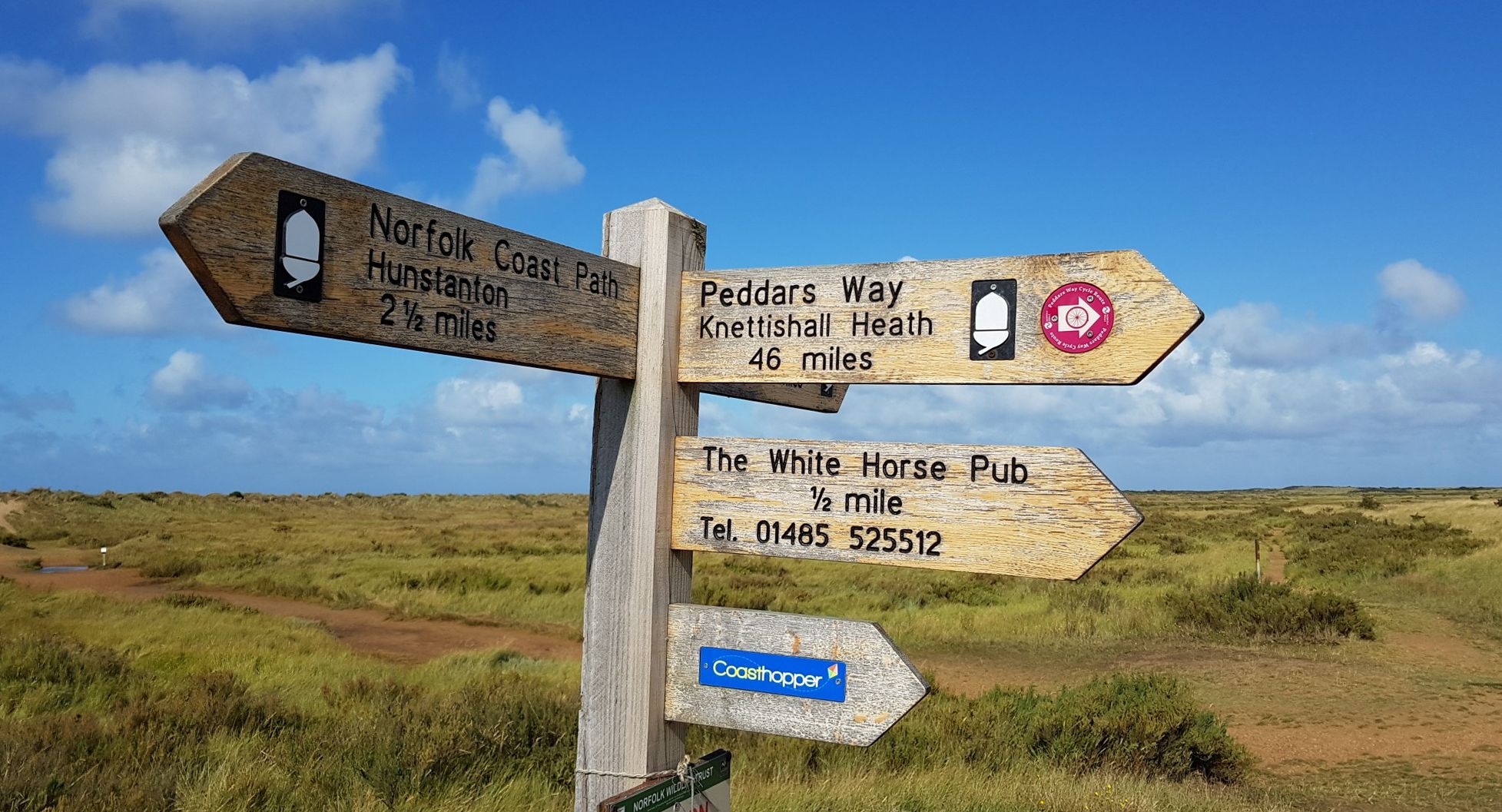
Norfolk Coast Path (National Trail)
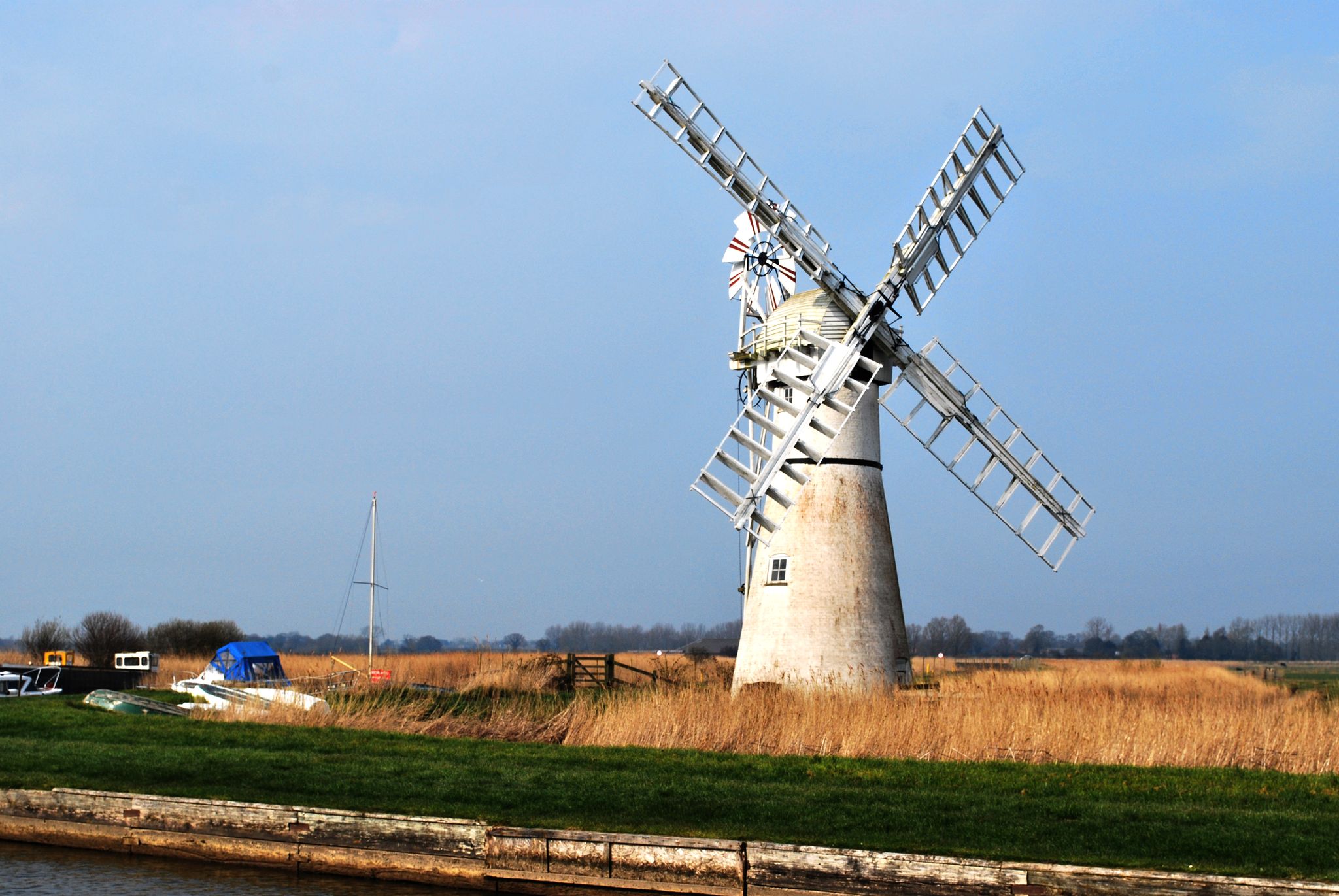
Norfolk Trails – long-distance walks
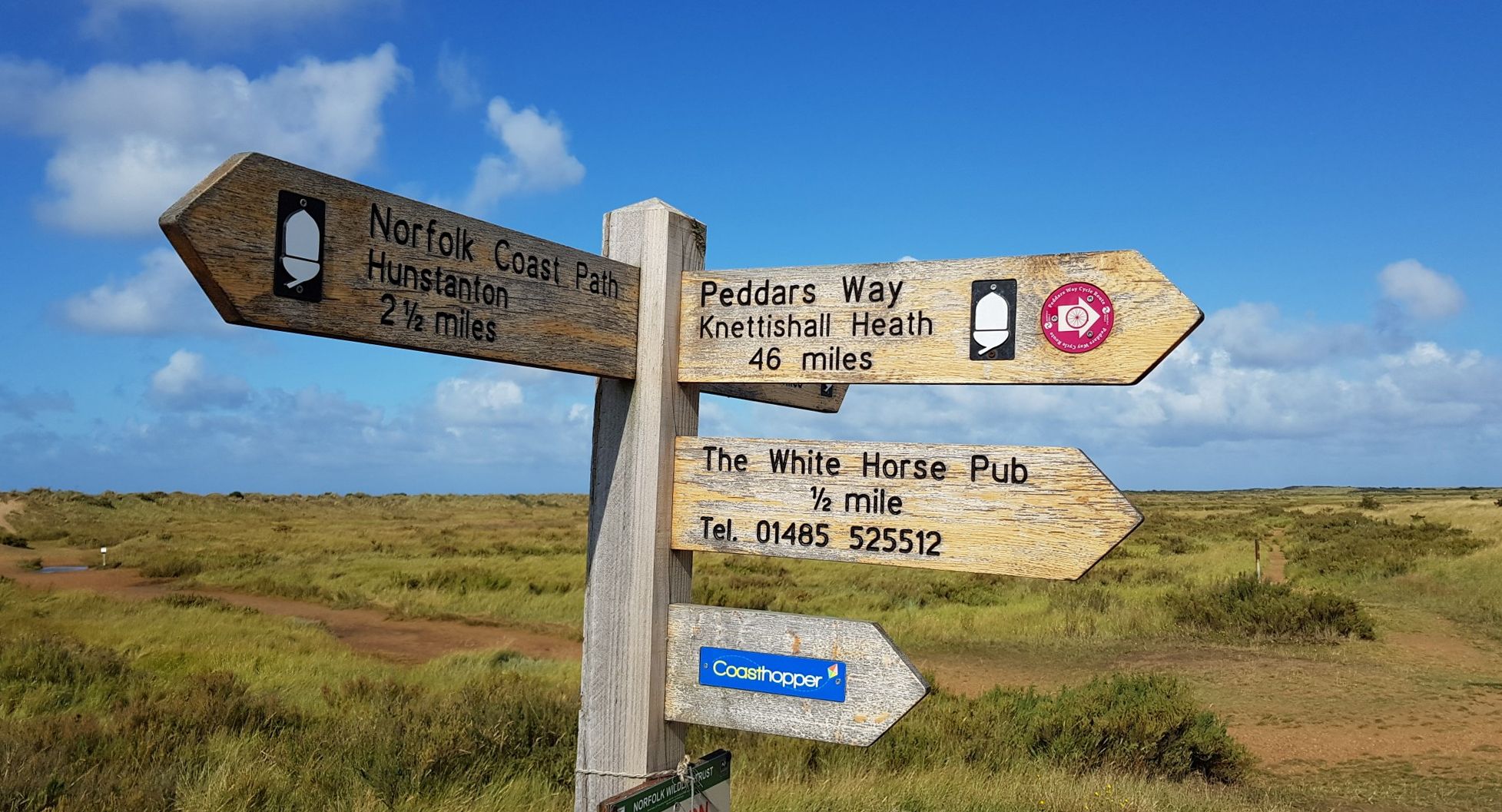
Peddars Way (National Trail)
Other adventures in Norfolk


Tips from the Community

The church dates back to the 13th century, but most of the current building is from the 15th century.
0
0
Another nature reserve managed by the Norfolk Wildlife Trust. You can do an outside tour of the reserves using public footpaths but bring your binoculars for the wildlife.
0
0

If your luck you might bump into this fabulous warden, we walked with him for about 25min he was incredibly knowledgeable about everything to do with the wildlife that visit the reserve. We were so glad we met him and learned a lot about the reserve and some of the birds that visit.
0
1

Using the power of moving water to drive a mill wheel is an ancient invention of the human spirit of discovery, the origins of which can be traced back to times long past. Thanks to such a construction, a watercourse - natural or artificial - could simply replace human or animal muscle power with the power of the natural elements, for example to grind grain into corn or to press oil from fruit. There are essentially two different ways of driving watermills: * Either the flowing water simply hits the blades of the water wheel from below to set it in motion; or * the water is guided - usually through a so-called "mill channel" - above the wheel and falls onto the blades; this type of construction is more efficient due to natural gravity.
1
0

Great view from the top of the ramp over the sea embankment, and plenty of refreshment options just below it.
0
0

An excellent, award-winning pub, the Recruiting Sergeant is a great shout for that post hike refuel and it has rooms for the night too. The building is Grade-II listed and dates back to the 18th century. There's plenty to explore in the surrounding area, with paths along the River Bure and the wider Broads National Park just a short hop away.
0
0
Horstead's pretty All Saints' Church is a delightful sight, with its trio of red-brick roofs and magnificent stained glass windows. Its collection of late 19th- and early 20th-century windows is one of the finest in the county. The church makes for a lovely stop on a walk along the River Bure.
0
0
Frequently Asked Questions
How many bus-accessible hiking trails are available in Norfolk?
Norfolk offers a vast network of hiking trails accessible by bus, with over 1300 routes available. This includes a wide range of options from easy strolls to more challenging moderate hikes, ensuring there's something for every preference.
Are there easy, family-friendly hiking routes accessible by bus in Norfolk?
Yes, Norfolk is well-suited for family-friendly walks, with over 700 easy routes accessible by bus. Many trails in areas like the Broads, such as around Whitlingham Broad, offer flat terrain and scenic views, perfect for all ages. Look for routes with shorter distances and minimal elevation gain.
Can I find circular hiking routes that start and end at a bus stop in Norfolk?
Absolutely. Many of Norfolk's bus-accessible trails are designed as circular routes, allowing you to return to your starting point without needing additional transport. An example is the Salthouse Circular Trail, which offers a varied experience of coastal village, heathland, and shingle beach.
What kind of scenery can I expect on bus-accessible hikes in Norfolk?
Norfolk's bus-accessible hikes offer incredibly diverse scenery. You can explore the stunning coastline with its sandy beaches and salt marshes, tranquil inland waterways and fens of the Broads, or peaceful lowland forests like Thetford Forest. The North Norfolk Coast, an Area of Outstanding Natural Beauty, is particularly picturesque.
Are there any bus-accessible coastal walks in Norfolk?
Yes, Norfolk's coastline is a highlight for bus-accessible walks. The 84-mile Norfolk Coast Path is well-served by public transport, allowing you to experience varied coastal landscapes. For a specific example, consider the Sea Palling to Happisburgh coastal loop, which offers dramatic sea views and unique coastal features.
What are some notable natural attractions or landmarks I can see on bus-accessible hikes?
Norfolk's bus-accessible routes often pass by significant natural attractions. You might encounter the unique landscape of Blakeney Marshes, known for its wildlife, or the serene Breydon Water Nature Reserve. The region is rich in diverse habitats, from coastal dunes to ancient woodlands.
Are there any historical sites or castles near bus-accessible hiking trails in Norfolk?
Yes, Norfolk's rich history is often intertwined with its walking routes. You might find trails leading near historic sites like Castle Rising Castle or Castle Acre Castle and Bailey Gate. These offer a chance to combine your hike with a glimpse into the past.
What do other hikers enjoy most about bus-accessible hiking in Norfolk?
The komoot community highly rates hiking in Norfolk, with an average score of 4.55 stars. Reviewers often praise the region's diverse landscapes, from the peaceful Broads to the dramatic coastline, and the accessibility of many trails via public transport, making it easy to explore without a car.
Are there bus-accessible routes that explore the Norfolk Broads?
The Broads National Park offers excellent bus-accessible hiking opportunities. You can find routes that take you through peaceful reedbeds and along waterways, providing chances to spot rare bird species. The Horstead to Buxton along the River Bure route is a great example, showcasing the beauty of the Broads in autumn.
Are bus-accessible hiking trails in Norfolk suitable for dogs?
Many trails in Norfolk are dog-friendly, especially those in open countryside, woodlands, and along the coast. However, always check local signage for specific restrictions, particularly in nature reserves or areas with livestock. Keeping dogs on a lead is often recommended for wildlife protection and safety.
When is the best time of year to go bus-accessible hiking in Norfolk?
Norfolk offers great hiking opportunities year-round. Spring brings blooming wildflowers and nesting birds, while summer provides warmer weather for coastal walks. Autumn showcases beautiful foliage in woodlands and the Broads, and winter offers crisp, quiet walks, often with seal spotting opportunities along the coast. The relatively flat terrain makes many routes accessible even in colder months.
Are there any longer, more challenging bus-accessible hikes available?
While many routes are easy to moderate, Norfolk also offers longer trails that can be broken into bus-accessible sections. Long-distance paths like the Norfolk Coast Path, Peddars Way, and Weavers' Way provide extensive hiking experiences. For a moderate, longer loop, consider the Wherryman's Way: Langley with Hardley Circular, which explores the Waveney Valley.
Most popular routes in Norfolk
Most popular attractions in Norfolk

Get inspired with the komoot mobile app


Didn’t find what you were looking for?
Check out more Hikes throughout Norfolk below and find the perfect route in your destination.
Explore more
Browse the best Hikes in other regions.
