The best family-friendly hikes and walks in Northern Territory
4.7
(632)
7,271
hikers
60
hikes
Family friendly hiking trails in Northern Territory traverse a diverse landscape, from the arid deserts and towering red rock formations of the Red Centre to the lush tropical woodlands and monsoon forests of the Top End. The region features rugged gorges, ancient geological formations, and striking ridgelines, alongside permanent waterholes and impressive waterfalls. This varied terrain offers a range of experiences for families, from easy walks to more challenging paths.
Best family friendly hiking trails in Northern Territory
- The most…
Last updated: May 19, 2026
4.9
(129)
1,487
hikers
7.51km
02:14
220m
220m
Moderate hike. Good fitness required. Easily-accessible paths. Suitable for all skill levels.
4.9
(145)
1,379
hikers
10.2km
02:37
50m
50m
Moderate hike. Good fitness required. Easily-accessible paths. Suitable for all skill levels.

Sign up for free
4.9
(107)
1,127
hikers
7.50km
02:21
270m
270m
Moderate hike. Good fitness required. Easily-accessible paths. Suitable for all skill levels.
4.8
(13)
194
hikers
Easy hike. Great for any fitness level. Easily-accessible paths. Suitable for all skill levels.
4.6
(11)
137
hikers
Easy hike. Great for any fitness level. Easily-accessible paths. Suitable for all skill levels.
Get access to more routes and recommendations from other explorers.
Sign up for free
Already have an account?
Our route recommendations are based on thousands of hikes, rides, and runs completed by other people on komoot.
Start today with a free account
Your next adventure awaits.
Login or Signup
Popular around Northern Territory
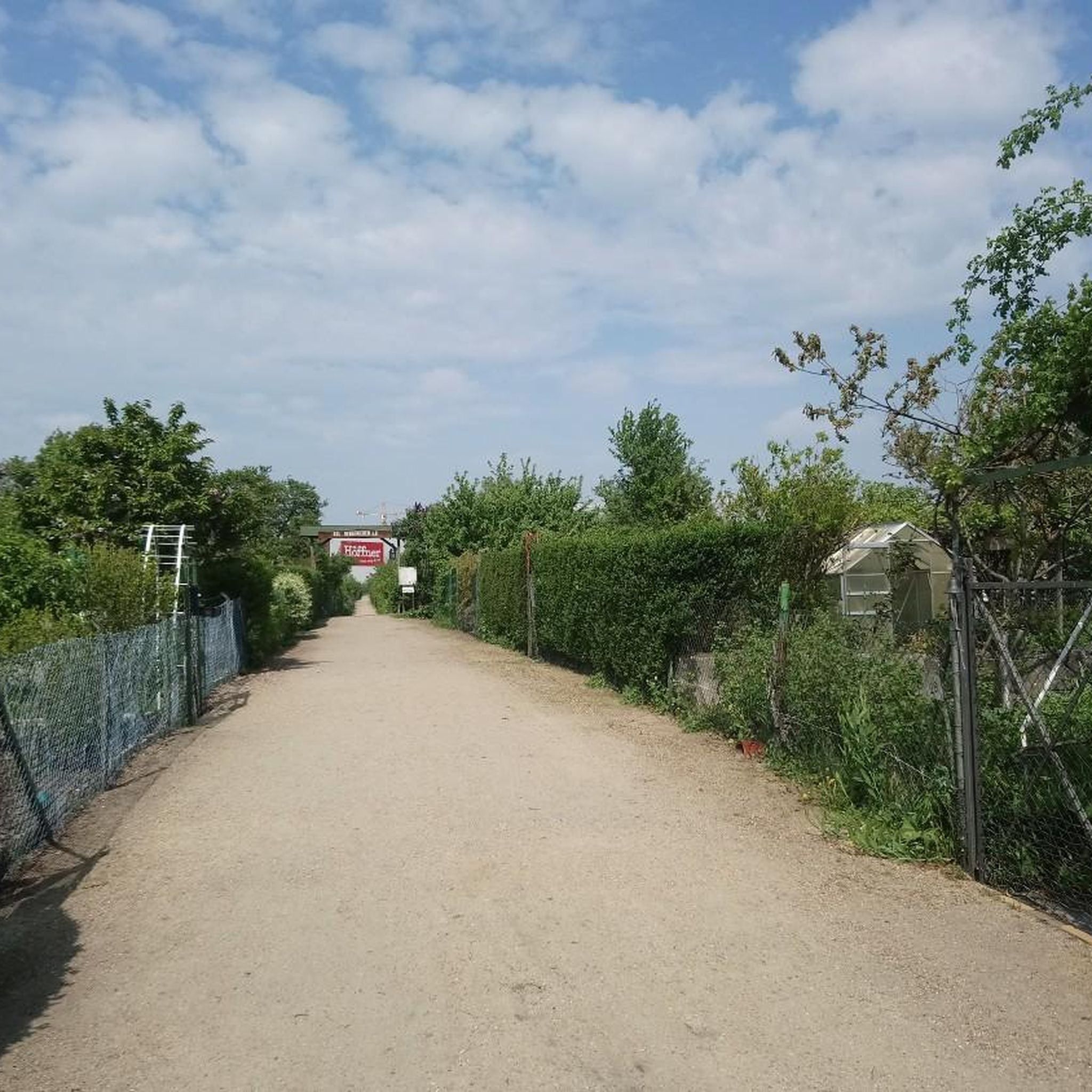
Family-friendly hikes in Nitmiluk National Park
Family-friendly hikes in Tjoritja / West Macdonnell National Park
Family-friendly hikes in Yeperenye / Emily And Jessie Gaps Nature Park
Family-friendly hikes in Joint Geological-Geophysical Reserve
Family-friendly hikes in Alice Springs Desert Park
Family-friendly hikes in Alice Springs Telegraph Station Historical Reserve
Tips from the Community

Cotterill’s Lookout is one of the most dramatic viewpoints along the Kings Canyon Rim Walk in Watarrka National Park. Reached via a short side detour from the main rim trail, the lookout sits on the edge of the canyon and offers sweeping views of the towering sandstone walls on both sides of the gorge. From here you can look down into the deep canyon and across to the rugged north and south rims, giving a real sense of the scale of Kings Canyon. It’s widely considered one of the best viewpoints on the entire rim walk.
0
0
Along the Kings Canyon Rim Walk, you'll pass a striking cluster of rounded sandstone domes often compared to beehives, or otherwise known as the “Lost City.” These unusual shapes formed as the ancient Mereenie Sandstone, laid down about 400 million years ago, fractured into blocks that were gradually rounded by wind and rain over millions of years.
0
0
Hidden within Kings Canyon, the Garden of Eden Waterhole is a rare permanent water source surrounded by lush vegetation and towering sandstone walls. To reach it from the Kings Canyon Rim Walk, a side track descends into the gorge via a series of wooden steps and boardwalks, followed by a small bridge crossing the creek. The shaded canyon floor feels noticeably cooler than the exposed rim above. The waterhole is culturally significant and an important refuge for wildlife, so swimming is not permitted.
0
0
At the end of the Kings Creek Walk, a raised viewing platform offers a close look into the heart of Kings Canyon. From here you can see the towering sandstone walls rising high above Kings Creek as it winds along the canyon floor. The easy 2.6 km return walk follows the creek into the gorge and finishes at this lookout, where the dramatic scale of the canyon becomes clear.
0
0
The Uluṟu Base Walk is the best way to experience the scale and cultural significance of Uluṟu up close. This roughly 10 km track circles the entire base of the rock, passing beneath towering red cliffs, quiet waterholes, and sections of desert woodland. Each part of the walk feels different, from shaded areas with surprising greenery to wide open stretches of red desert. Many walkers start from the Mala car park early in the morning and follow the track clockwise while temperatures are cooler. Along the way you’ll encounter native plants, wildlife, and places connected to the Tjukurpa stories of the Aṉangu people.
0
0
Tucked beneath the towering red walls of Uluṟu, Mutitjulu Waterhole is one of the few permanent water sources in the area and a place of deep cultural significance to the Aṉangu people. he waterhole sits below a cave where ancient rock art can still be seen, and interpretive signs along the path explain the Kuniya Tjukurpa story connected to this place. A short detour from the Uluṟu Base Walk leads to a viewing platform overlooking the waterhole, making it one of the most meaningful and memorable stops around the base of the rock.
0
0

Kata Tjuṯa, meaning “many heads” in Pitjantjatjara, is a striking cluster of rounded rock domes rising from the desert. Together with nearby Uluṟu, it forms one of the two great landmarks of Uluṟu–Kata Tjuṯa National Park, a place of deep cultural and spiritual importance to the local Aboriginal Traditional Owners.
0
0

Viewed from a distance, Uluru appears to be a single, massive rock, which has led to the popular term monolith. However, this term is not entirely accurate geologically. A monolith is a single, large piece of rock that rises from the surrounding rock. The word comes from the Greek and means "single stone". Uluru is part of a much larger, underground rock formation that has been brought to the surface by erosion over millions of years. The rock is made up of different layers and materials, making it more complex geologically than a simple monolith.
1
1
Frequently Asked Questions
How many family-friendly hiking trails are available in the Northern Territory?
The Northern Territory offers a fantastic selection of family-friendly hiking trails. You'll find over 60 routes suitable for families, with 42 rated as easy and 17 as moderate, ensuring there's something for every age and ability.
What kind of terrain can we expect on family hikes in the Northern Territory?
The Northern Territory's family hikes offer incredibly diverse terrain. You might traverse the iconic red sands and rocky chasms of the Red Centre, such as those found on the Uluṟu Base Walk circuit, or explore lush monsoon forests and tropical wetlands in the Top End. Many trails feature well-maintained paths, but some may include uneven surfaces, gentle ascents, and occasional rocky sections, especially near gorges and waterfalls.
Are there any family-friendly hikes with waterfalls or swimming holes in the Northern Territory?
Absolutely! The Northern Territory is famous for its stunning waterfalls and refreshing swimming holes, many of which are accessible via family-friendly trails. For example, the Wangi Falls Walk loop in Litchfield National Park leads to beautiful cascades and pools. You can also find incredible spots like Mutitjulu Waterhole near Uluru, or the Edith Falls Plunge Pool in Nitmiluk National Park, perfect for a cool dip after a walk.
What are some notable landmarks or points of interest we can see on family hikes?
Many family-friendly trails lead to breathtaking natural landmarks. You can walk around the base of the iconic Uluru (Ayers Rock), explore the majestic domes of Kata Tjuta on the Valley of the Winds Full Circuit, or experience the dramatic cliffs of Kings Canyon on the Kings Canyon Rim circuit. These trails often offer incredible viewpoints and insights into the region's unique geology and cultural significance.
What is the best time of year for family hiking in the Northern Territory?
The best time for family hiking in the Northern Territory is generally during the dry season, from May to October. During these months, the weather is cooler, drier, and more comfortable for outdoor activities, especially in the Top End. In the Red Centre, while days can still be warm, the evenings are pleasant. Always check local conditions and park alerts before heading out, as some areas may be inaccessible during the wet season due to flooding.
Are there any circular routes suitable for families?
Yes, many family-friendly trails in the Northern Territory are designed as circular routes, making them convenient for families. Examples include the Uluṟu Base Walk circuit and the Kings Canyon Rim circuit, which allow you to start and finish at the same point without needing to retrace your steps.
Is parking available at the trailheads for family hikes?
For most popular family-friendly hiking trails in the Northern Territory's national parks and reserves, designated parking areas are available at or near the trailheads. These are often well-signposted. However, during peak seasons, parking lots can fill up quickly, so arriving early is advisable. Always check specific park information for any parking fees or restrictions.
Are permits required for family bushwalks in the Northern Territory?
While many areas are freely accessible, some national parks, particularly those managed by Parks Australia or jointly with Aboriginal traditional owners, may require park entry fees or permits. For example, entry to Kakadu and Uluru-Kata Tjuta National Parks requires a pass. It's always best to check the official website for the specific national park you plan to visit for the most up-to-date information on fees and any necessary permits.
Can we bring our dog on family hikes in the Northern Territory?
Generally, dogs are not permitted on hiking trails within Northern Territory national parks and reserves, including popular spots like Kakadu, Litchfield, Nitmiluk, and Uluru-Kata Tjuta. This is to protect the sensitive wildlife and natural environment. Always check specific park regulations before planning your visit if you intend to bring a pet.
What do other hikers enjoy most about family hiking in the Northern Territory?
The Northern Territory's family-friendly hikes are highly rated by the komoot community, with an average score of 4.7 stars. Reviewers often praise the stunning natural beauty, the unique geological formations, and the opportunities for refreshing swims in natural waterholes. Many highlight the well-maintained paths and the sense of adventure, making it a memorable experience for all ages.
Are there any stroller-friendly trails or very easy walks suitable for toddlers?
While many trails in the Northern Territory feature natural, uneven surfaces, some areas do offer more accessible options. For very young children or strollers, look for paved paths or boardwalks, often found near visitor centers or popular viewpoints. For example, some sections of the Karu Lookout (Kata Tjuta) trail offer easier walking. Always check the trail description for surface information to ensure it meets your family's needs.
Most popular routes in Northern Territory
Most popular attractions in Northern Territory

Get inspired with the komoot mobile app


Didn’t find what you were looking for?
Check out more Hikes throughout Northern Territory below and find the perfect route in your destination.
Explore more
Browse the best Hikes in other regions.
