The best hikes from bus stations in Severozápad
4.6
(39673)
145,057
hikers
1,616
hikes
Bus station hiking trails in Severozápad, Czech Republic, offer access to diverse and dramatic landscapes. The region is characterized by extensive mountain ranges, including the Elbe Sandstone Mountains and the Ore Mountains, alongside areas of volcanic origin. Hikers can explore deep gorges, dense forests, and scenic river valleys, often featuring striking sandstone formations and unique "rock cities." This geographical variety provides a wide array of hiking experiences for different skill levels.
Best bus station hiking trails in Severozápad
- The most popular bus station hiking route is Tisá Walls Panorama Trail – Triumphal Arch Rock Formation loop from Tisá, a 7.1 miles (11.4 km) trail that takes 3 hours 29 minutes to complete. This moderate route explores unique rock formations and sandstone towers.
- Another top favourite among local hikers is Kamenice Gorge – Ascent to Janov and Bunker 398 loop from Mezní Louka, a difficult 12.7 miles (20.4 km) path. This trail navigates through a deep gorge with significant elevation gain.
- Local hikers also love the View of Saunstein – Sauenstein Ladder Ascent loop from Mezní Louka, a 6.3 miles (10.1 km) trail leading through varied terrain, often completed in about 2 hours 54 minutes.
- Hiking in Severozápad is defined by dramatic sandstone formations, expansive mountain ranges, and deep gorges. The network offers options for easy walks, moderate day hikes, and challenging multi-day treks.
- The routes in Severozápad are highly rated by the komoot community with an average score of 4.6 stars from more than 34,000 reviews. More than 129,000 hikers have used komoot to explore Severozápad's varied terrain.
Last updated: August 7, 2026
4.7
(618)
1,763
hikers
11.4km
03:29
320m
320m
Moderate hike. Good fitness required. Mostly accessible paths. Sure-footedness required.
4.7
(595)
2,118
hikers
20.8km
06:03
550m
550m
Hard hike. Very good fitness required. Easily-accessible paths. Suitable for all skill levels.

Sign up for free
4.7
(379)
1,059
hikers
10.1km
02:55
250m
250m
Moderate hike. Good fitness required. Easily-accessible paths. Suitable for all skill levels.
4.7
(409)
2,038
hikers
Moderate hike. Good fitness required. Easily-accessible paths. Suitable for all skill levels.
4.7
(331)
1,383
hikers
7.68km
02:03
80m
80m
Moderate hike. Good fitness required. Easily-accessible paths. Suitable for all skill levels.
Get access to more routes and recommendations from other explorers.
Sign up for free
Already have an account?
Our route recommendations are based on thousands of hikes, rides, and runs completed by other people on komoot.
Start today with a free account
Your next adventure awaits.
Login or Signup
Popular around Severozápad

Hikes from bus stations around Ústecký kraj

Hikes from bus stations around Karlovarský kraj
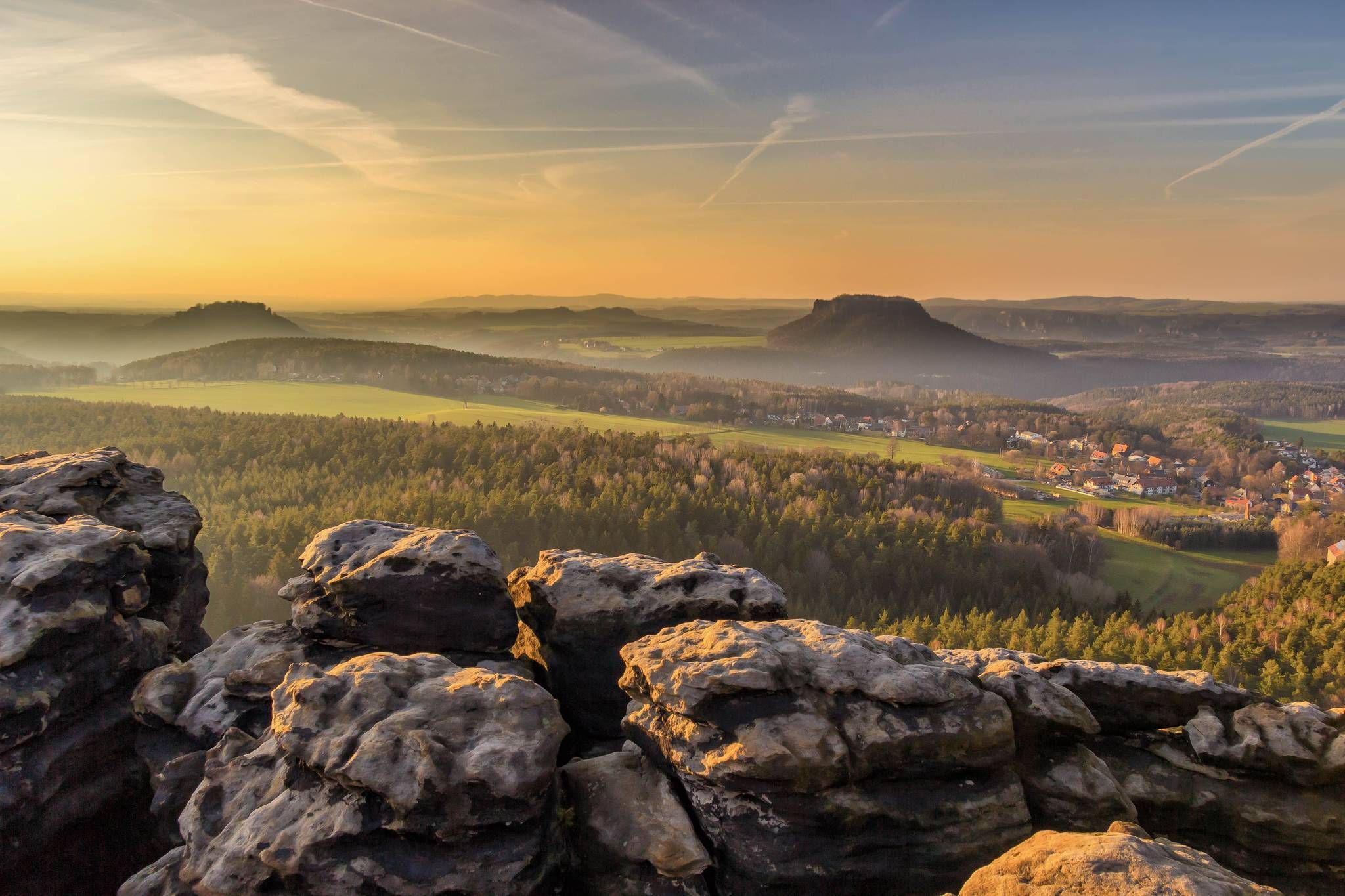
Forststeig – 7 days in the wild, remote sandstone mountains
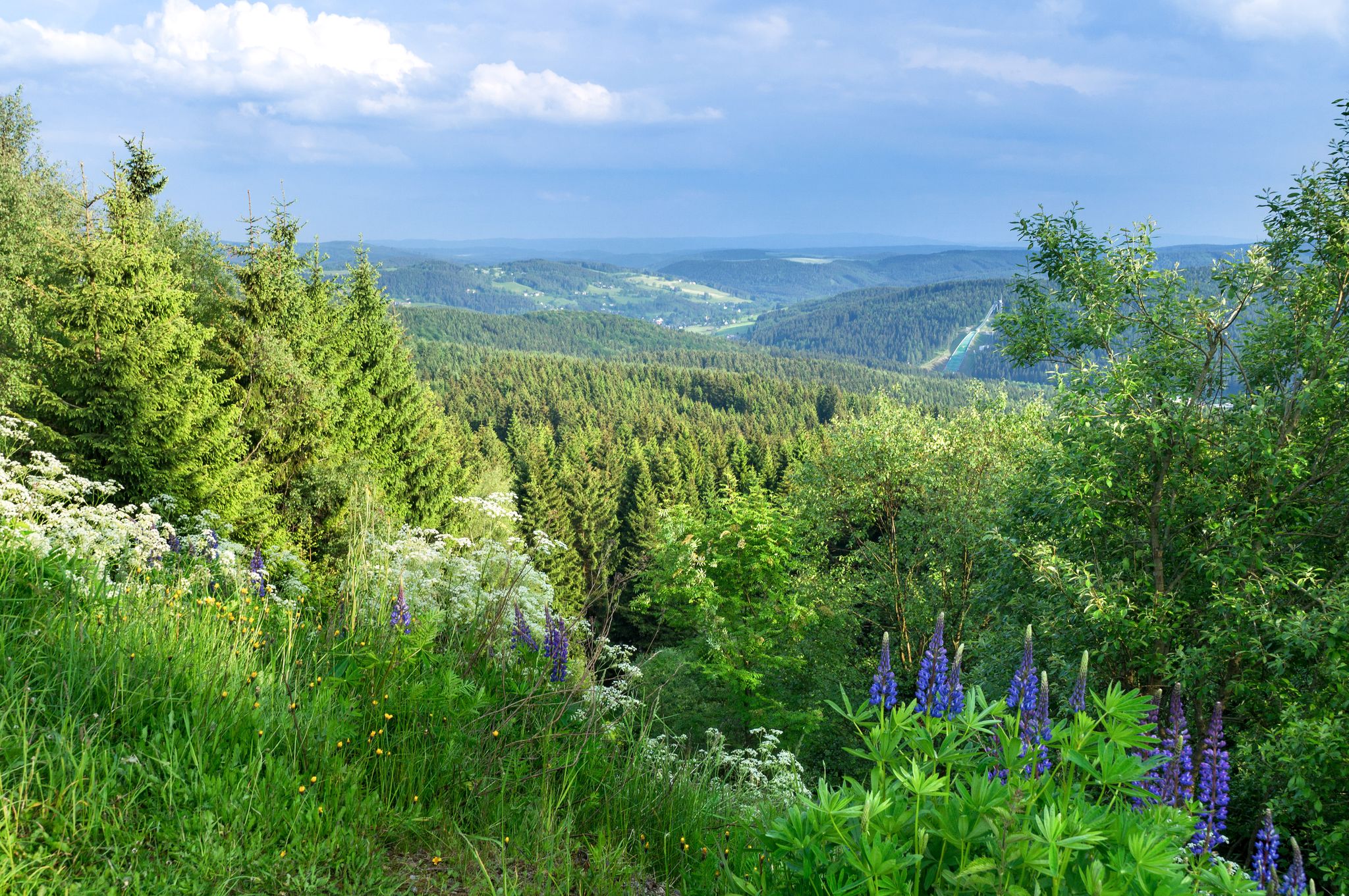
History meets nature – Erzgebirge-Vogtland Ridge Trail
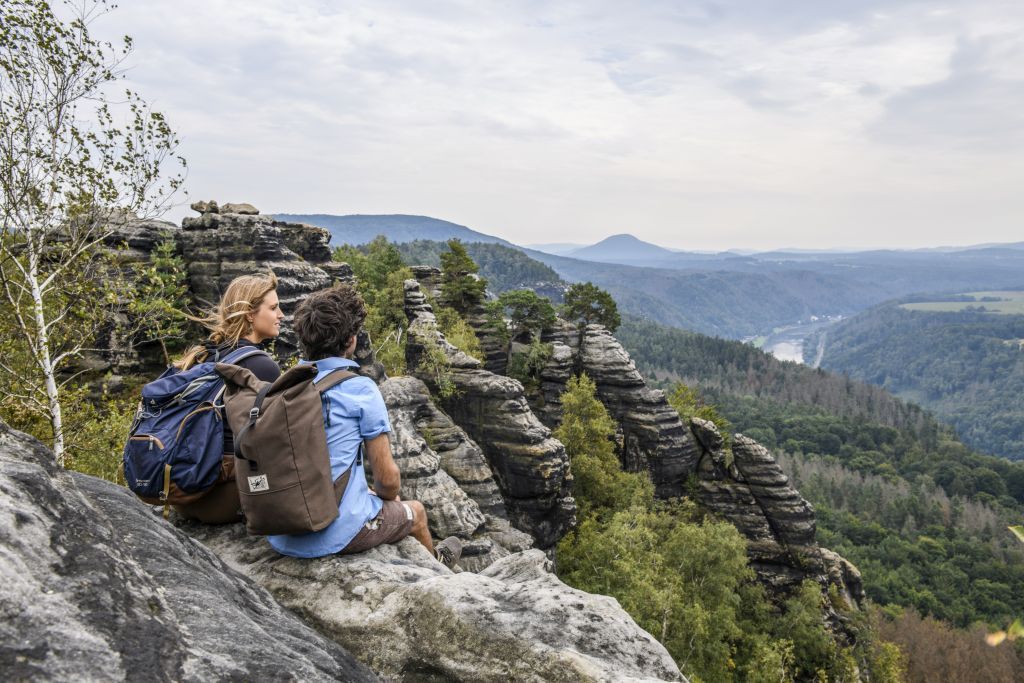
Elbe Sandstone Mountains – around Schmilka and Bad Schandau
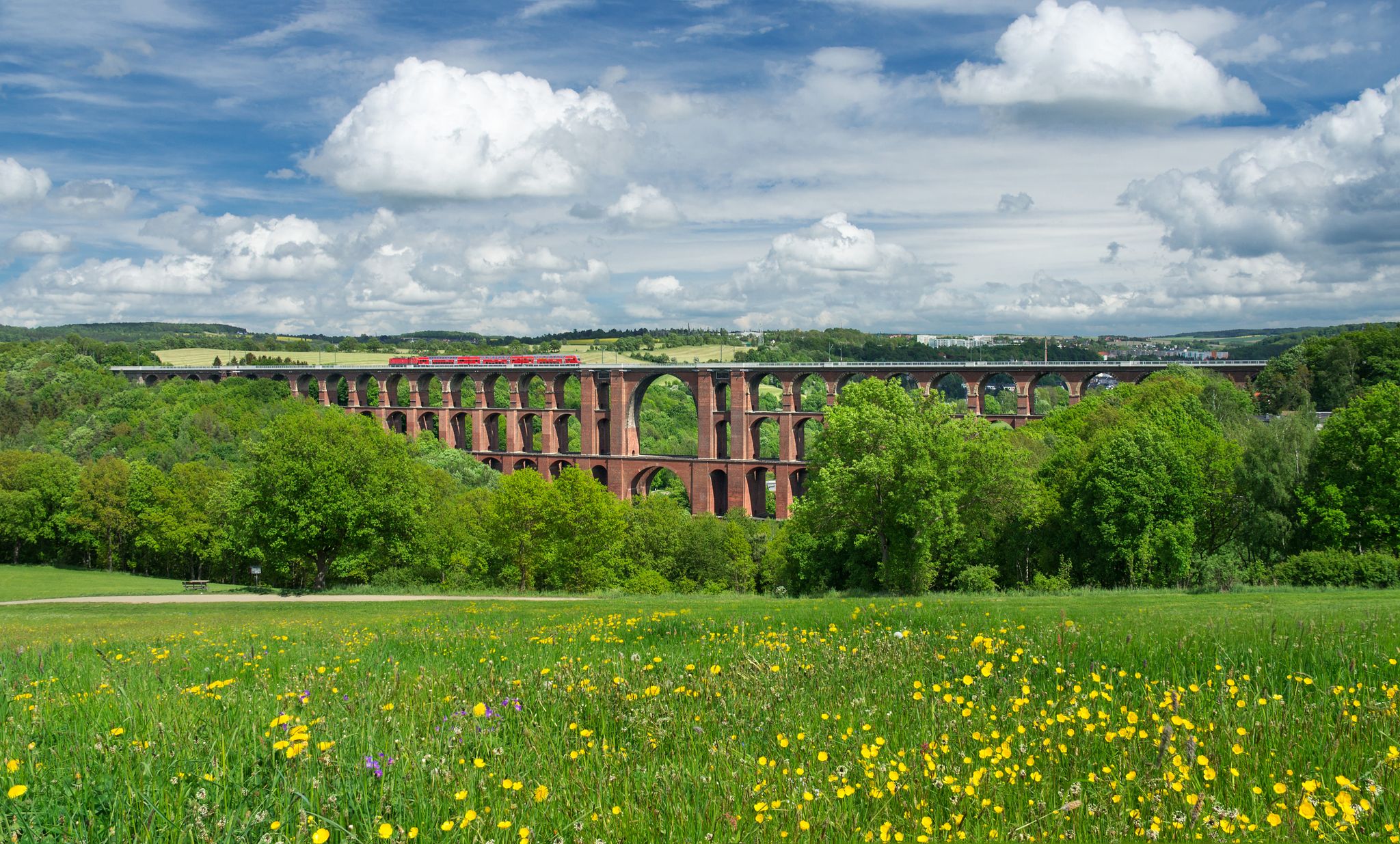
Experience nature’s symphony – Vogtland Panorama Trail
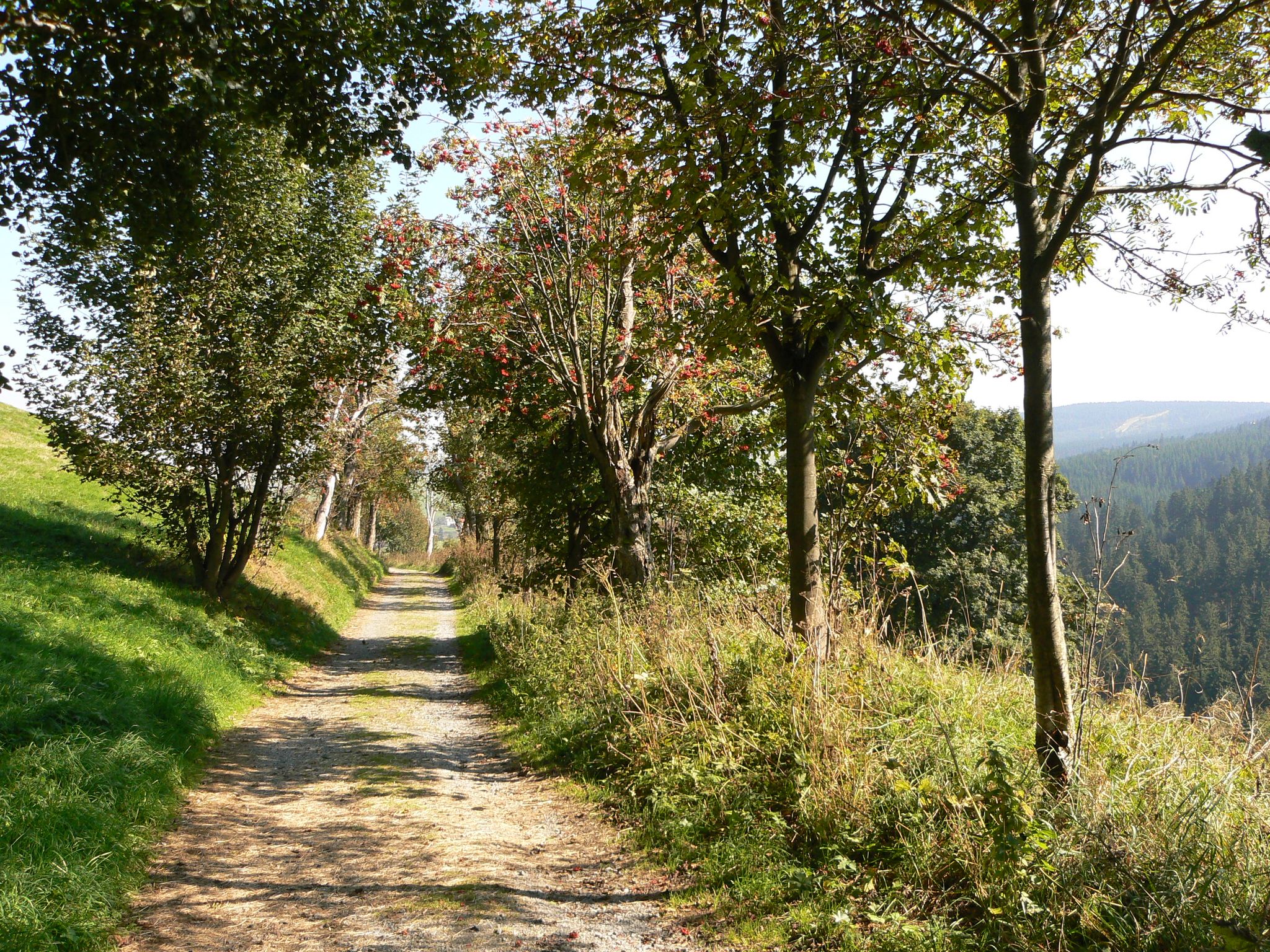
The Anton-Günther-Trail — a long weekend in the Ore Mountains

The Stoneman Trail in the Ore Mountains
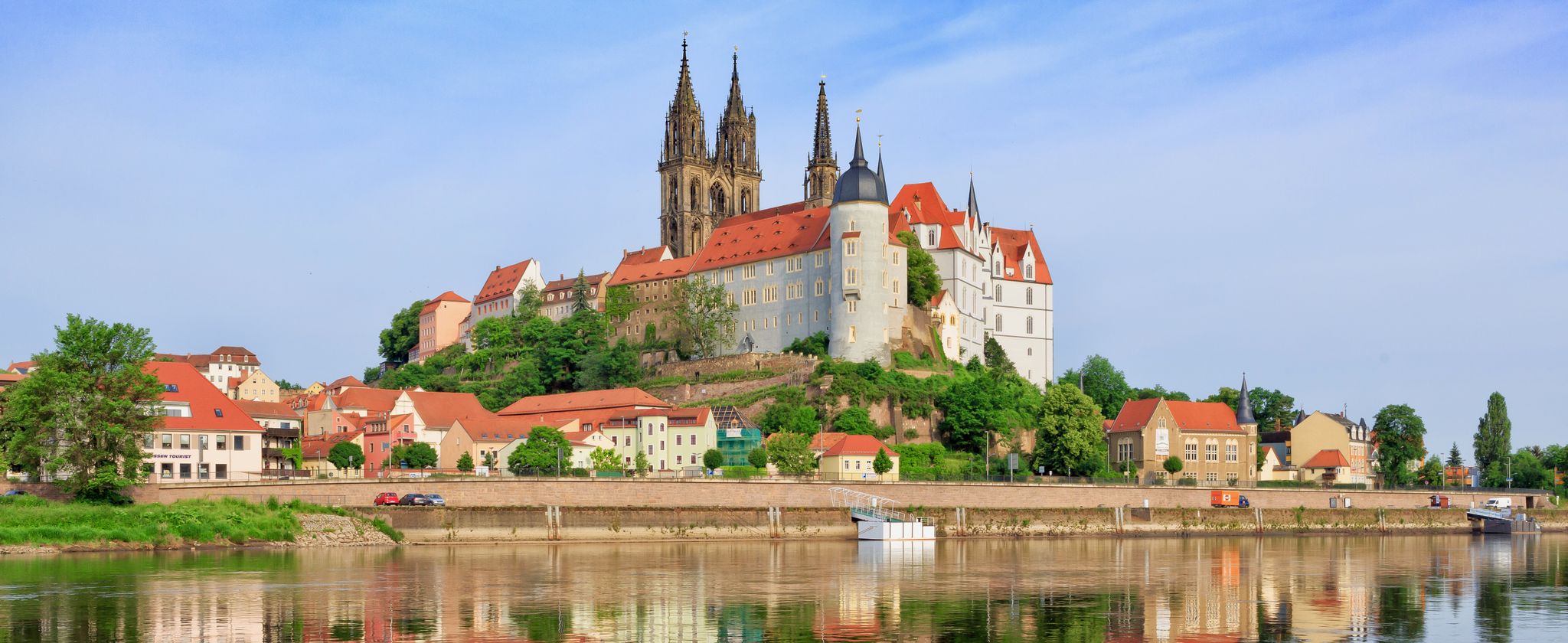
The Elbe Cycle Path — cross-border cycling pleasure
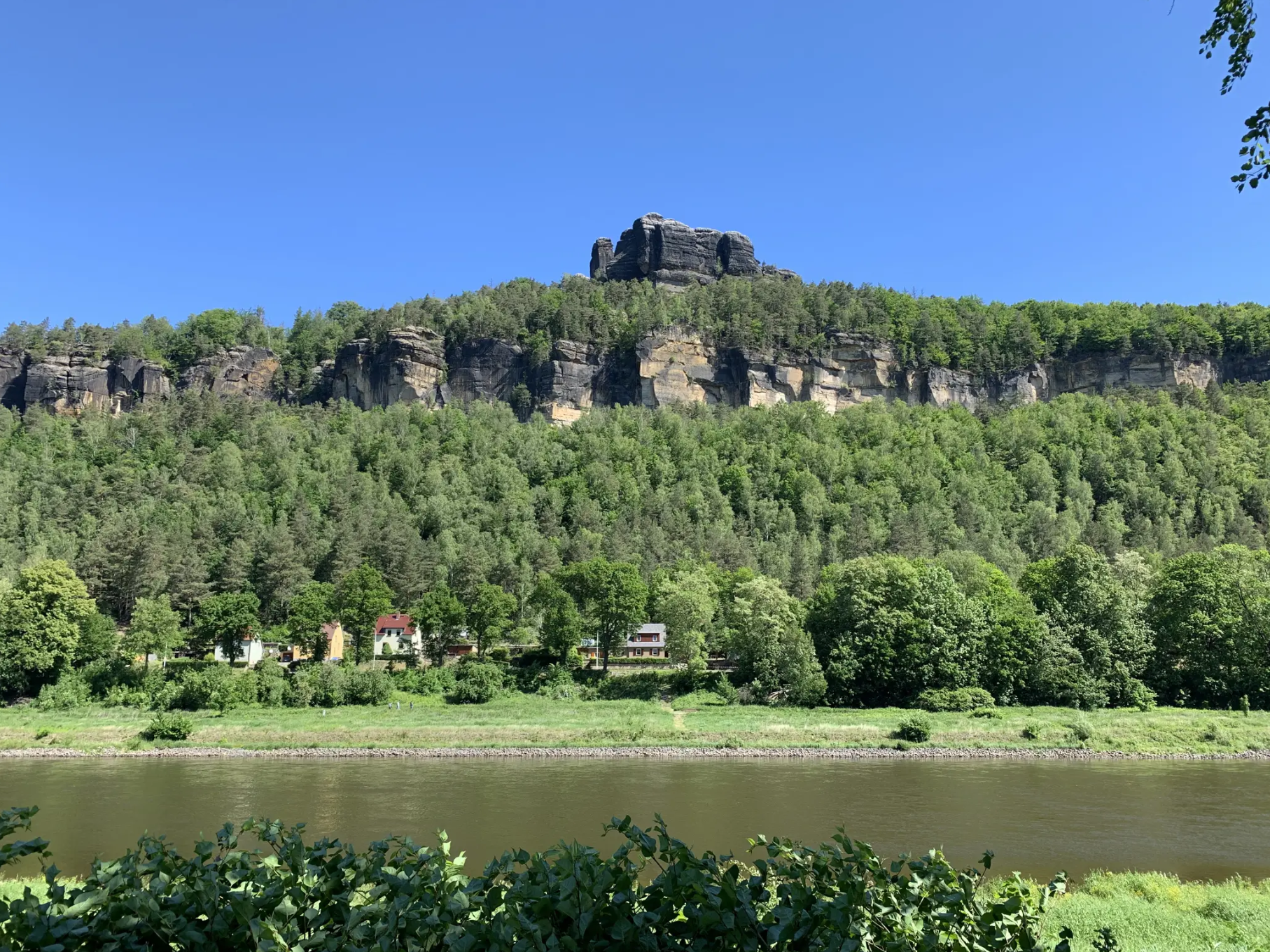
Elbe and Vltava cycle paths – From Dresden to Prague
Other adventures in Severozápad


Tips from the Community

The Pavilion of the Freedom Spring (Freiheitsquelle) is located in the spa district of Karlsbad (Karlovy Vary) and is one of the city's well-known sights. The small, octagonal wooden pavilion was erected in 1865 over the Freedom Spring. The spring is one of the Karlsbad mineral springs and has a temperature of about 61.7 °C. It was formerly called the Spa Spring and later the Franz-Joseph Spring. Since 1946, it has borne the name Freedom Spring. The pavilion is located between the Mühlbrunn Colonnade and Bad III on the bank of the Teplá River. It is about 600 meters away from the famous Sprudel Spring and can be reached on foot in about ten minutes. Today, the pavilion is freely accessible and a beautiful example of Karlsbad's historic spa architecture.
2
0
The Pavilion of the Freedom Spring, in Czech „Altán pramene Svoboda“, is located in the spa district of Karlovy Vary on the bank of the Teplá river, between the Mill Colonnade and Bath III. The octagonal wooden pavilion was built in 1865 and is one of the characteristic historical buildings of the city. Below the pavilion is the Freedom Spring, which is called „Pramen Svoboda“ in Czech and is one of the well-known healing springs of Karlovy Vary. The water has a temperature of approximately 61.7 °C. The spring was discovered in the early 1860s during construction work for Bath III. Initially, it was called Kurquelle (Spa Spring), and later it was named Franz-Joseph-Quelle (Franz Joseph Spring). Since 1946, it has borne the current name Freedom Spring. The artfully designed wooden pavilion still serves as a shelter for the spring and is freely accessible. Due to its historical significance and its beautiful location on the Teplá, the pavilion is a popular part of the Karlovy Vary spa district.
1
0
The view of the old town of Karlovy Vary (Karlsbad) impressively shows the special character of this historic spa town. The old town stretches picturesquely along the Teplá River and is surrounded by magnificent buildings, historic colonnades, and wooded hills. Especially from the higher vantage points, an impressive panorama opens up over the entire historic center. The colorful facades of the houses, the numerous towers, and the elegant colonnades together form a harmonious cityscape. Among the striking buildings are the Sprudel Colonnade with the Vřídlo, the Mill Colonnade, the Church of St. Mary Magdalene, and the historic Municipal Theatre. Numerous hotels, cafés, and historic buildings are also lined up along the river. The view over the old town makes it particularly clear how closely the architecture of Karlovy Vary is connected to the natural environment. The city lies in a narrow, wooded valley, which always offers beautiful perspectives of the historic buildings and the surrounding landscape. A vantage point above the city therefore offers a particularly beautiful opportunity to view the old town and its unique location. The panoramic view combines the magnificent spa architecture with the green landscape and gives a good impression of why Karlovy Vary is one of the most famous historic spa towns in Europe.
2
0
The view of the colonnades of Karlovy Vary (Karlsbad) is one of the most beautiful impressions of the historic spa town. The magnificent colonnades stretch along the Teplá River and, together with the historic buildings, shape the characteristic cityscape. The ensemble is particularly impressive from a higher vantage point, from which the various colonnades and the surrounding houses can be well overlooked. The best-known structures include the Sprudel Colonnade with the famous Vřídlo, the Mill Colonnade, and the Park Colonnade. Each colonnade has its own architectural style and houses various thermal springs that have played an important role in the spa tradition of Karlsbad for centuries. The colorful facades of the historic buildings, the elegant colonnades, and the wooded slopes around the valley together form a harmonious and impressive cityscape. Especially in good weather, the view of the colonnades offers an excellent opportunity to experience the special connection between architecture, nature, and spa tradition. A walk through the historic center along the Teplá allows you to discover the colonnades from different perspectives. They are among the most important sights in Karlovy Vary and are an essential part of the unique character of this traditional spa town.
2
0
The city center of Karlovy Vary, known as Karlsbad in German, is characterized by historical buildings, elegant colonnades, and the numerous thermal springs for which the city is world-renowned. Magnificent houses with ornate facades, hotels, cafés, and shops line the Teplá River. Particularly characteristic are the various colonnades where visitors can sample the famous Karlovy Vary mineral water. Among the most important sights in the city center are the Sprudel Colonnade with the Vřídlo, the most famous and strongest thermal spring in the city, as well as the Mill Colonnade and the Market Colonnade. The Park Colonnade in the nearby Dvořák Park is also easily accessible on foot from here. The historic old town, with its pedestrian zones and numerous cafés and restaurants, invites you to stroll and linger. The center of Karlovy Vary uniquely combines the historical spa tradition with an elegant and lively atmosphere. Many buildings date from the 18th and 19th centuries and give the city its characteristic appearance. Together with the thermal springs, the colonnades, and its location in the narrow Teplá valley, this mix makes Karlovy Vary one of the most famous spa towns in the Czech Republic.
2
0

These bunkers were built between 1936 and 1938. Czechoslovakia at the time felt massively threatened by Nazi Germany and built a huge fortification wall along the entire border in record time – inspired by the French Maginot Line. The tragic thing about these bunkers is that they never served their defensive purpose. Due to the Munich Agreement in September 1938, Czechoslovakia had to cede the Sudetenland to the German Reich without a fight.
0
0

However, you only see many of these blocks from above here
3
0
Can be traversed in multiple directions
3
0
Frequently Asked Questions
How many bus station hiking trails are available in Severozápad?
Severozápad offers an extensive network of over 1600 hiking trails accessible directly from bus stations. This includes a wide range of difficulties, with more than 550 easy routes, nearly 900 moderate options, and over 160 challenging trails for experienced hikers.
What makes Severozápad a unique region for bus-accessible hiking?
The region is renowned for its diverse and dramatic landscapes, including striking sandstone formations, expansive mountain ranges like the Elbe Sandstone Mountains and Ore Mountains, and areas of volcanic origin. You'll find deep gorges, dense forests, and scenic river valleys, all easily reachable by public transport for a varied hiking experience.
Are there easy bus-accessible hikes suitable for beginners or families?
Yes, Severozápad has over 550 easy routes perfect for beginners or families. Many of these trails offer gentle terrain and shorter distances. For example, the Sandman Wooden Statue – Boží Dar loop from LSG Fichtelberg is a moderate, family-friendly option that's just over 7.5 km long.
What do other hikers say about the bus station trails in Severozápad?
The bus-accessible trails in Severozápad are highly regarded by the komoot community, boasting an average rating of 4.6 out of 5 stars from over 34,000 reviews. Hikers frequently praise the region's unique natural beauty, well-maintained paths, and the convenience of reaching trailheads by bus.
Are there any circular routes starting from bus stations?
Yes, many bus-accessible trails in Severozápad are circular, allowing you to start and end your hike at the same bus stop. An excellent example is the Tisá Walls Panorama Trail – Triumphal Arch Rock Formation loop from Tisá, which offers stunning sandstone scenery.
Can I bring my dog on these bus-accessible trails?
Generally, dogs are welcome on most hiking trails in Severozápad. However, it's always advisable to check local regulations for specific routes or protected areas, especially regarding leash requirements. Public transport rules for dogs may also vary, so confirm with the bus operator before your trip.
What kind of natural attractions can I expect to see along these bus station routes?
You can discover a wealth of natural wonders. The region is famous for its dramatic sandstone formations, such as the Rock Square (Skalní náměstí), Tiské Walls and the impressive Tisa Walls (Tiské stěny). You'll also find deep gorges like the Kirnitzsch Gorge, and scenic river valleys.
Are there any challenging hikes accessible by bus for experienced hikers?
Absolutely. Severozápad offers over 160 difficult routes for those seeking a challenge. The Kamenice Gorge – Ascent to Janov and Bunker 398 loop from Mezní Louka is a demanding 20 km hike with significant elevation changes, perfect for experienced adventurers.
What is the best time of year to hike these bus-accessible trails?
Spring, summer, and early autumn are generally the best times for hiking in Severozápad, offering pleasant temperatures and lush scenery. Spring brings blooming wildflowers, while autumn showcases vibrant foliage. Some trails may also be accessible in winter, but conditions can be challenging, requiring appropriate gear.
Are there any trails that offer scenic views or viewpoints?
Many trails in Severozápad lead to breathtaking viewpoints. The region's elevated plateaus and mountain ranges provide numerous opportunities for panoramic vistas. A notable highlight is the View of Pravčická Brána, offering an iconic perspective of Europe's largest natural sandstone arch.
Are there any trails that pass through historic or cultural points of interest?
Yes, some bus-accessible routes in Severozápad blend natural beauty with cultural heritage. You can explore areas with historical mining landscapes or discover architectural gems. For instance, the Karlovy Vary Spa Promenade loop from Parkhotel Richmond takes you through the famous spa town, passing the elegant Market Colonnade (Tržní kolonáda).
Can I experience boat trips or unique gorge explorations on these routes?
Yes, some bus-accessible routes offer unique experiences like boat trips through gorges. For example, you can combine hiking with a serene boat ride through the Obere Schleuse boat trip in the Kirnitzsch Gorge, which is a popular attraction in the region.
Most popular routes in Severozápad
Most popular attractions in Severozápad

Get inspired with the komoot mobile app


Didn’t find what you were looking for?
Check out more Hikes throughout Severozápad below and find the perfect route in your destination.
Explore more
Browse the best Hikes in other regions.
