The best hikes from bus stations in Uppsala
4.5
(1243)
5,428
hikers
218
hikes
Bus station hiking trails in Uppsala offer access to a diverse natural landscape characterized by dense woodlands, open fields, and scenic waterways. The region features an undulating surface with rounded hills and river valleys, shaped by geological processes since the Ice Age. Hikers can explore areas along the Fyris River and near Lake Mälaren, Sweden's third-largest lake. Notable natural features include several nature reserves and the Uppsalaåsen, a glacial ridge.
Best bus station hiking trails in Uppsala
- The most popular bus station hiking route is Uppsala Yellow Trail – Gula Stigen, a 5.6 miles (9.0 km) trail that takes 2 hours 20 minutes to complete. This route offers varied scenery, including ancient forests and lake views.
- Another top favourite among local hikers is Haga Ångar Shelter loop from Haga, an easy 4.1 miles (6.6 km) path. This trail leads through scenic meadows and grazing pastures.
- Local hikers also love the Lunsentorpet Cabin – Sandy beach on Lake Ekoln loop from Lugnet, a 11.7 miles (18.8 km) trail leading through varied landscapes with views of Lake Ekoln, often completed in about 4 hours 53 minutes.
- Hiking in Uppsala is defined by dense woodlands, scenic waterways, and ancient historical sites, with options available for various ability levels.
- The routes in Uppsala are highly rated by the komoot community with an average score of 4.6 stars from over 1000 reviews. More than 4000 hikers have used komoot to explore Uppsala's varied terrain.
Last updated: August 19, 2026
4.6
(11)
45
hikers
13.8km
03:32
50m
60m
Moderate hike. Good fitness required. Easily-accessible paths. Suitable for all skill levels.
5.0
(4)
20
hikers
8.96km
02:20
70m
60m
Moderate hike. Good fitness required. Easily-accessible paths. Suitable for all skill levels.

Sign up for free
4.0
(1)
6
hikers
6.56km
01:41
30m
30m
Easy hike. Great for any fitness level. Easily-accessible paths. Suitable for all skill levels.
4
hikers
9.22km
02:22
30m
30m
Moderate hike. Good fitness required. Easily-accessible paths. Suitable for all skill levels.
2.99km
00:48
30m
30m
Easy hike. Great for any fitness level. Easily-accessible paths. Suitable for all skill levels.
Get access to more routes and recommendations from other explorers.
Sign up for free
Already have an account?
Our route recommendations are based on thousands of hikes, rides, and runs completed by other people on komoot.
Start today with a free account
Your next adventure awaits.
Login or Signup
Popular around Uppsala

Hikes from bus stations in Vedyxaskogen

Hikes from bus stations in Hedesundafjärden

Hikes from bus stations in Nåsten

Hikes from bus stations around Hågadalen-Nåsten
Hikes from bus stations around Norra Lunsen
Hikes from bus stations around Lunsen
Hikes from bus stations in Skokloster
Hikes from bus stations in Storskogen
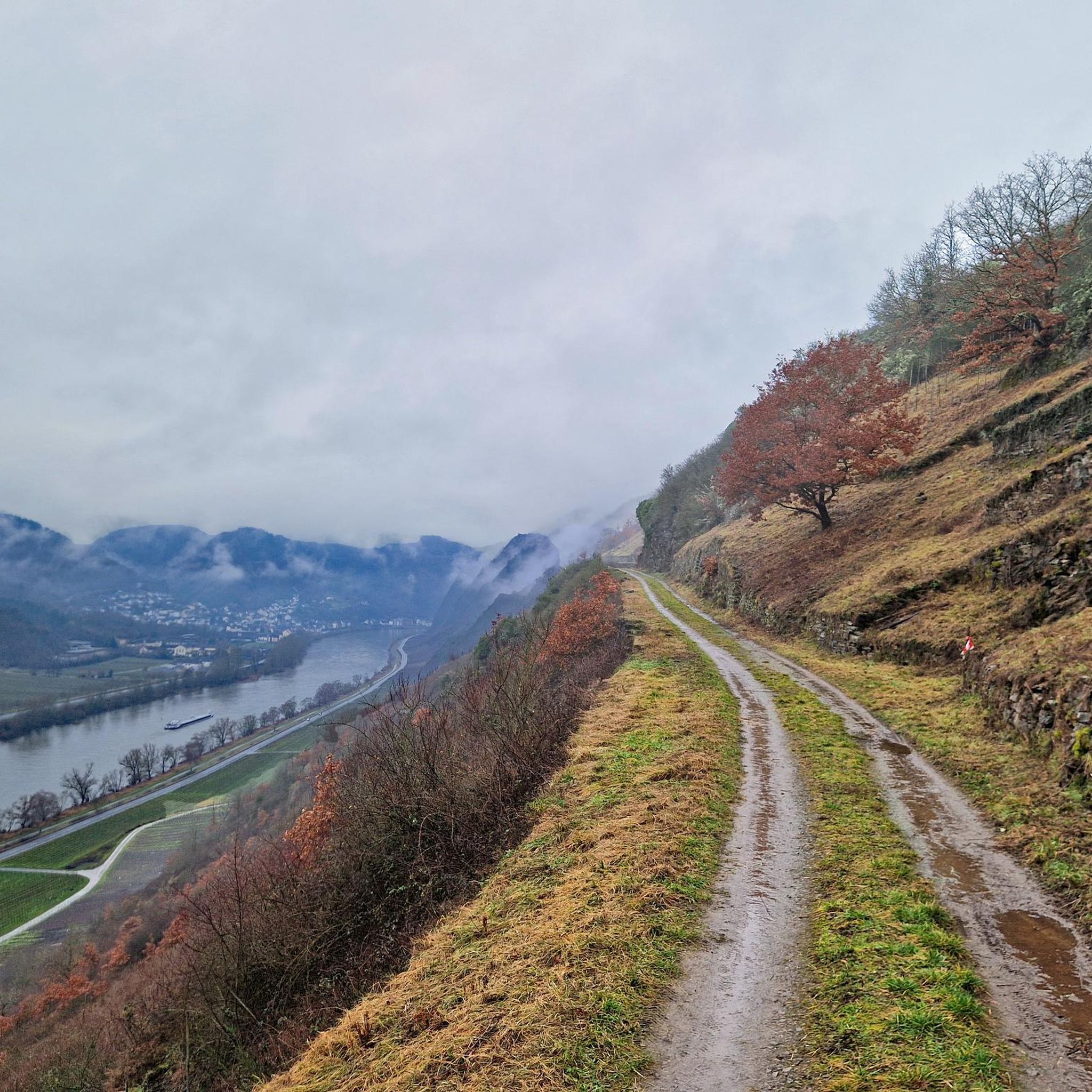
Hikes from bus stations in Storskogen
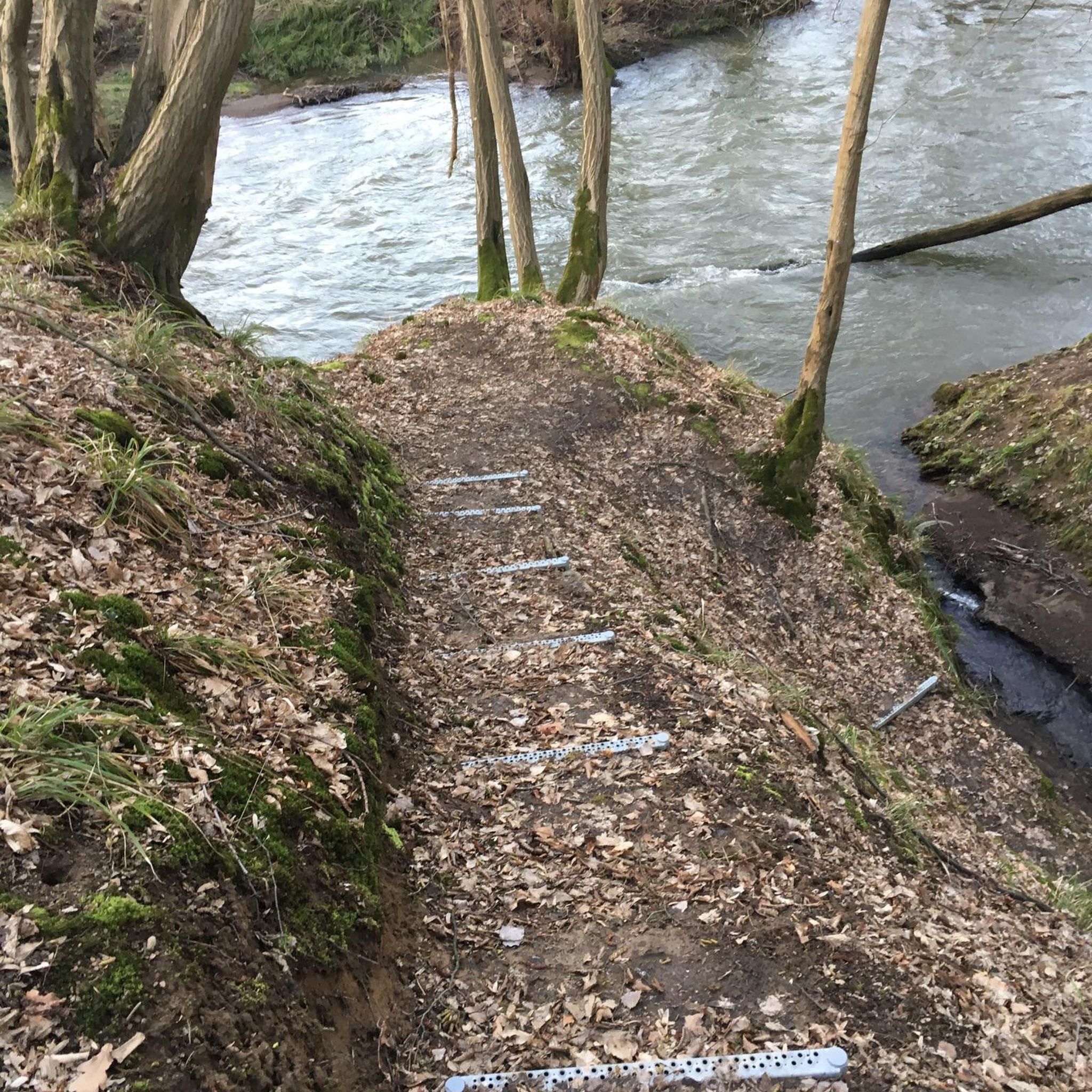
Hikes from bus stations in Arnöhuvud
Tips from the Community

A large, man-made waterfall on the Dalälven River. Famous for salmon fishing - but it's a very impressive sight in its own right. Very noisy!
0
0
Walk the little forest path here to emerge onto a lovely picnic spot (with picnic benches!) for some peace, quiet and a good amount of blue water marvelling!
0
0
A wonderful observation tower rising above the lake here - a total must!
0
0

The anatomy hall is really worth seeing and is worth the visit alone.
2
0

The obelisk on Cathedral Hill honors Gustavus Adolphus II. It was erected in 1832 under Charles XIV John to commemorate the 200th anniversary of the Battle of Lützen. On the battlefield ten kilometers southwest of Leipzig, one of the major battles of the Thirty Years' War took place on November 6, 1632. The Swedish army under Gustavus Adolphus II clashed with the imperial troops under Albrecht von Wallenstein. For the Swedes, the battle ended in a Pyrrhic victory. Approximately 10,000 soldiers, including the king, lost their lives.
13
0
A unique feature of this building is the medical lecture hall, the "Anatomical Theater" (Theatrum anatomicum). The dome in the center of the building was constructed between 1662 and 1663. Medical professor Olof Rudbeck the Elder intended to perform dissections here before an audience of colleagues and students. The Anatomical Theater rises above the other roofs of the Gustavianum, allowing ample light to enter through its many windows. Its basic structure is modeled on the classical Greek amphitheater, but it is built at a significantly steeper angle and offers only standing room for spectators, enabling them to get as close as possible. The theater could accommodate 200 spectators. Rudbeck's lecture hall was long considered the most important theater of its kind in Europe. The hall still exists and is occasionally used for concerts, lectures, or other events.
11
0
The Gustavianum is the oldest surviving building of Uppsala University. It has housed the University Museum since 1997. After a five-year renovation, it reopened on June 24, 2024. Construction of this new, larger building, intended to supplement the teaching facilities of the Academia Carolina, began in 1622. It contained lecture halls, a printing press, a student dining room, student dormitories, and later, a library. With the demolition of the old Academia Carolina in 1778, the Gustavianum became the university's main building until the new university building was constructed in 1887.
12
0
The Saluhallen, designed in 1907 by architect Ture Stenberg in the National Romantic style and inaugurated in 1909, is one of Sweden's oldest surviving market halls. Stenberg gave the building a basilica-like form with three naves and a semicircular apse to the east facing the Fyrisån river. This, along with its original purpose, likely explains the local nickname: "Meat Basilica." The market hall was intended to allow meat vendors to offer their wares not outdoors in the square, but in a sheltered hall with improved hygiene. The wooden roof structure caught fire and collapsed on May 9, 2002; only the outer walls survived. The hall was rebuilt in a slightly simplified form in 2003 and 2004. The building houses six shops and three restaurants.
10
0
Frequently Asked Questions
How many hiking trails are accessible from bus stations in Uppsala?
There are over 200 hiking trails in Uppsala that are easily accessible from various bus stations. These routes offer a wide range of experiences, from easy strolls to more challenging treks, catering to different fitness levels and preferences.
Are there family-friendly hiking trails accessible by bus in Uppsala?
Yes, Uppsala offers several family-friendly hiking trails that are convenient to reach by bus. Many routes feature gentle terrain and interesting sights for all ages. For example, the Vårdsätra Shore Walk, mentioned in regional research, is known for being accessible for wheelchairs and strollers. You can also explore routes like Haga Ångar Shelter loop from Haga, which is rated as easy and offers a pleasant outing.
Can I bring my dog on these bus-accessible hiking trails in Uppsala?
Generally, dogs are welcome on hiking trails in Uppsala, provided they are kept on a leash and you follow local regulations, especially within nature reserves. It's always a good idea to check specific rules for each trail or reserve before you go. Many of the natural areas, like Hågadalen-Nåsten Nature Reserve, are popular with dog walkers.
Are there circular hiking routes available from Uppsala bus stations?
Yes, many of the trails accessible by bus in Uppsala are circular, allowing you to start and end at the same point without needing to retrace your steps. An example is the Forest Campfire Site – King Björn's Mound loop from Håga, which offers a rewarding circular experience.
What kind of natural landscapes can I expect to see on these bus-accessible hikes?
Uppsala's bus-accessible hikes showcase a diverse range of natural landscapes. You can expect to traverse dense woodlands, open fields, blooming meadows, and scenic waterways like the Fyris River and Lake Mälaren. Many trails also pass through significant nature reserves such as Hågadalen-Nåsten, offering unique geological features shaped since the Ice Age.
What historical or cultural attractions can I explore along these hiking routes?
Uppsala's trails often intertwine with its rich history. You can discover ancient hillfort remains, visit significant burial sites like King Björn's Mound (accessible via the Forest Campfire Site – King Björn's Mound loop from Håga), or explore the impressive burial mounds at Gamla Uppsala Archaeological Park. Some routes also pass through culturally significant areas like Linnaeus' Hammarby.
Are there any huts or shelters available along the bus-accessible trails for breaks?
Yes, several trails feature huts or shelters where you can take a break, have a snack, or even spend the night. For instance, the Haga Ångar Shelter loop from Haga includes the Håga Ångar Shelter. Another option is the Lunsentorpet Cabin – Sandy beach on Lake Ekoln loop from Lugnet, which features the Lunsentorpet Cabin.
What is the best time of year to go hiking from bus stations in Uppsala?
Uppsala offers hiking opportunities year-round, with each season providing a unique experience. Spring brings blooming meadows and fresh greenery, while summer is ideal for long daylight hours and warmer temperatures. Autumn showcases vibrant fall foliage, and winter offers serene, snow-covered landscapes for those prepared for colder conditions. The best time depends on your preference for weather and scenery.
Are there any trails that offer views of Lake Mälaren?
Yes, some bus-accessible trails provide picturesque views of Lake Mälaren, Sweden's third-largest lake. The regional research mentions the Kungshamn-Morga Trail as offering panoramic views of Lake Mälaren, and the Vårdsätra Shore Walk runs along Ekoln Bay, which is part of the lake system. You can also find highlights like Birdwatching Spot at Lake Ekoln along some routes.
What is the general difficulty level of these bus-accessible hiking trails?
The bus-accessible hiking trails in Uppsala cater to a range of difficulty levels. Out of over 200 routes, 148 are rated as easy, 76 as moderate, and only 3 as difficult. This means you'll find plenty of options for leisurely walks and moderately challenging hikes, making it easy to choose a route that suits your experience and fitness.
Are there any specific trails known for their unique natural features?
Yes, the region boasts trails with distinctive natural features. For example, the Uppsala Yellow Trail – Gula Stigen offers varied scenery including ancient forests. The Florarna Nature Reserve, accessible via some routes, is known for its unique trees and red cabins. Fiby Urskog, an old-growth forest, provides unspoiled, wildlife-rich nature for hikers.
What do other hikers say about the bus-accessible trails in Uppsala?
The komoot community highly rates the hiking experiences in Uppsala, with an average score of 4.56 out of 5 stars from over 1000 ratings. Reviewers often praise the accessibility of the trails from public transport, the diverse natural beauty, and the well-maintained paths that make exploring the region enjoyable.
Most popular routes in Uppsala
Most popular attractions in Uppsala

Get inspired with the komoot mobile app


Didn’t find what you were looking for?
Check out more Hikes throughout Uppsala below and find the perfect route in your destination.
Explore more
Browse the best Hikes in other regions.
