The best traffic-free bike rides around Esterholz
4.6
(1049)
5,886
riders
213
rides
No traffic touring cycling routes around Esterholz traverse a landscape shaped by the ancient Ries Crater, offering unique geological formations and expansive views. The region features winding rivers like the Danube and Wörnitz, creating lush floodplains and natural biotopes. Cyclists will find a mix of dense forests, rolling hills, and heathland, with elevations generally under 200 meters. This diverse terrain provides varied experiences for touring cyclists.
Best no traffic touring cycling routes around Esterholz
- The most popular no traffic touring…
Last updated: July 25, 2026
4.0
(1)
4
riders
16.3km
00:57
100m
100m
Easy bike ride. Great for any fitness level. Mostly paved surfaces. Suitable for all skill levels.
5
riders
16.8km
01:04
120m
120m
Easy bike ride. Great for any fitness level. Mostly paved surfaces. Suitable for all skill levels.

Sign up for free
3
riders
26.9km
01:35
130m
130m
Easy bike ride. Great for any fitness level. Mostly paved surfaces. Suitable for all skill levels.
4.5
(2)
15
riders
44.5km
02:44
250m
250m
Moderate bike ride. Good fitness required. Mostly paved surfaces. Suitable for all skill levels.
3.0
(1)
10
riders
24.4km
01:27
130m
130m
Easy bike ride. Great for any fitness level. Mostly paved surfaces. Suitable for all skill levels.
Get access to more routes and recommendations from other explorers.
Sign up for free
Already have an account?
Our route recommendations are based on thousands of hikes, rides, and runs completed by other people on komoot.
Start today with a free account
Your next adventure awaits.
Login or Signup
Popular around Esterholz
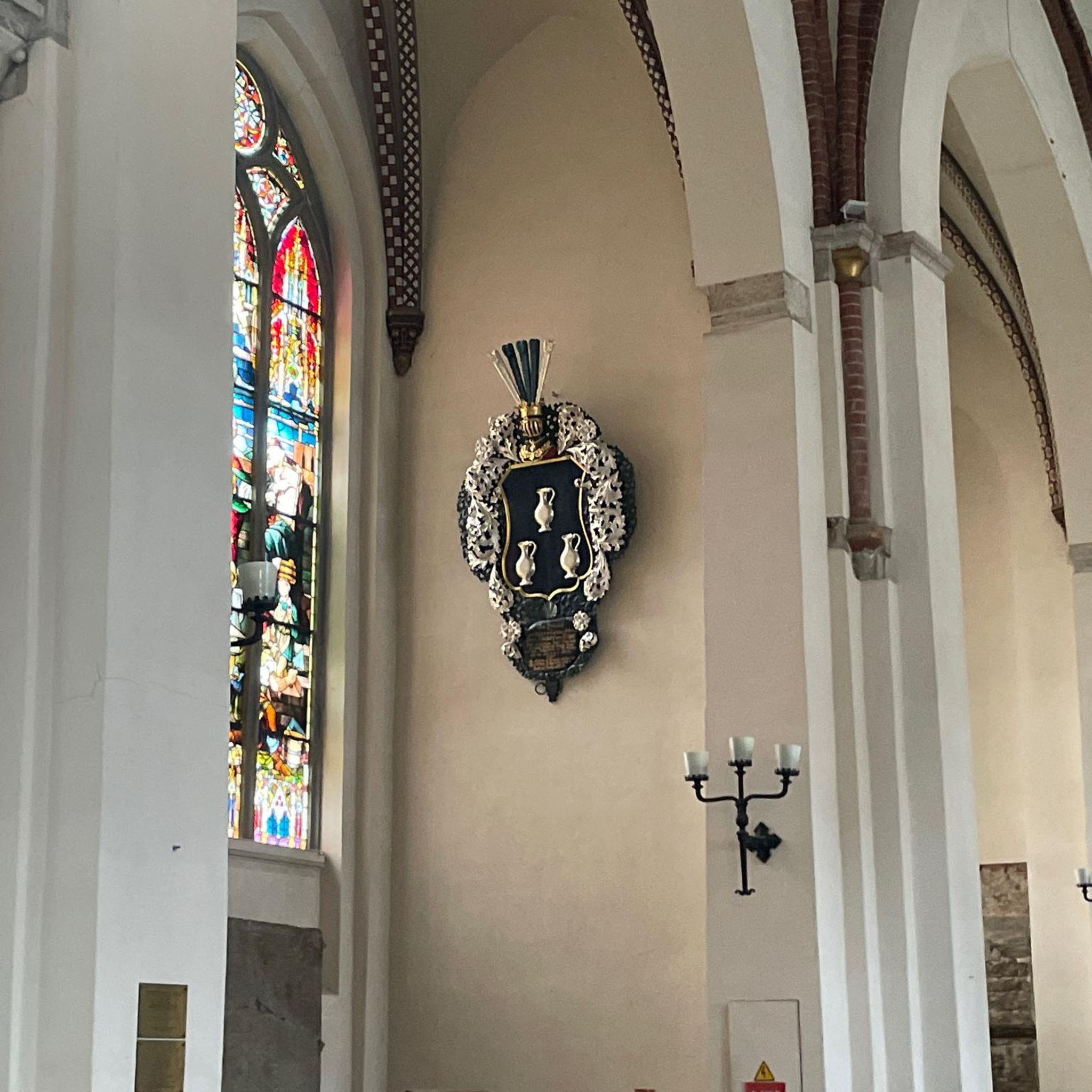
Tips from the Community

The forest paths in the Thierhaut Forest are very well maintained and wonderful to ride.
0
0
You should definitely pause and take a contemplative break at this gem.
0
0

A beautiful park for a break during a tour of the region. A Kneipp pool invites you to refresh your feet.
0
0

The paths along the Danube and Lech are wonderful for cycling
0
0

Nature and garden lovers shouldn't miss the Dehner Show Garden! It's beautifully laid out, offers plenty of inspiration and instruction, and is simply beautiful to look at.
0
0

The exhibits are simply beautiful and you can really relax.
0
0

The Maria im Elend pilgrimage chapel is located in the Baar municipality between Baar (Swabia) and Thierhaupten. The patronal feast of a Maria-Elend church is celebrated on September 15th. In 1704, the cowherd Nikolaus Kiegele, whose three cows from the Unterbaar castle estate had escaped in the chaos of war and hidden in the estate forest, vowed to build a chapel dedicated to the Virgin Mary. After they were fortunately found, he built a small wooden chapel at the site and prayed the rosary there every day. After Kiegele moved away, the small chapel fell into disrepair over the years. As an emergency solution, the figure of the Virgin Mary inside, a work by the wood sculptor Michael Nieß from Bayerdilling, was placed in a small wooden shrine by the Unterbaar carpenter Matthias Kunn and attached to a tree. In 1742, Beneficiary Friedrich Obersteiner from Unterbaar had a new stone chapel built with the permission of the landowner. This became very popular among the population thanks to Obersteiner's promotion of pilgrimages and was replaced by a new building in 1822. This chapel was demolished in 1958. Pastor Karl Schwab from the parish of St. Laurentius in Oberbaar laid the foundation stone for a new chapel on August 15, 1957, because the old chapel was too dilapidated. The new chapel was built according to the plans of the architect Herbert Schineis about 200 meters from the original location on a building site provided by the city of Augsburg and was consecrated on November 20, 1958 by the Augsburg bishop Josef Freundorfer. While the original statue of Mary is no longer there, two statues of Mary from the 18th century that are now placed in the apse of the chapel have been preserved. The furnishings of the demolished chapel (both figures of Mary, a scourged Savior and several votive tablets) were transferred to the new chapel, as far as they were preserved, and the main altar was redesigned. The sacristy extension on the north side dates from 2001. Today the pilgrimage chapel is a popular destination for hikers and cyclists. The chapel is also used for weddings, and numerous votive offerings in the interior are evidence of the pilgrimage. In May, Sunday May devotions and the annual warrior and soldier pilgrimage take place. Contrary to other assumptions, the addition "in misery" has nothing to do with the chapel's interim deterioration. ..... Source: https://de.wikipedia.org/wiki/Maria_im_Elend_(Baar)
2
0
The Maria im Elend pilgrimage chapel is located in the Baar municipality between Baar (Swabia) and Thierhaupten. The patronal feast of a Maria-Elend church is celebrated on September 15th. In 1704, the cowherd Nikolaus Kiegele, whose three cows from the Unterbaar castle estate had escaped in the chaos of war and hidden in the estate forest, vowed to build a chapel dedicated to the Virgin Mary. After they were fortunately found, he built a small wooden chapel at the site and prayed the rosary there every day. After Kiegele moved away, the small chapel fell into disrepair over the years. As an emergency solution, the figure of the Virgin Mary inside, a work by the wood sculptor Michael Nieß from Bayerdilling, was placed in a small wooden shrine by the Unterbaar carpenter Matthias Kunn and attached to a tree. In 1742, Beneficiary Friedrich Obersteiner from Unterbaar had a new stone chapel built with the permission of the landowner. This became very popular among the population thanks to Obersteiner's promotion of pilgrimages and was replaced by a new building in 1822. This chapel was demolished in 1958. Pastor Karl Schwab from the parish of St. Laurentius in Oberbaar laid the foundation stone for a new chapel on August 15, 1957, because the old chapel was too dilapidated. The new chapel was built according to the plans of the architect Herbert Schineis about 200 meters from the original location on a building site provided by the city of Augsburg and was consecrated on November 20, 1958 by the Augsburg Bishop Josef Freundorfer. While the original statue of Mary is no longer there, two statues of Mary from the 18th century that are now placed in the apse of the chapel have been preserved. The furnishings of the demolished chapel (both figures of Mary, a scourged Savior and several votive tablets) were transferred to the new chapel, as far as they were preserved, and the main altar was redesigned. The sacristy extension on the north side dates from 2001. Today the pilgrimage chapel is a popular destination for hikers and cyclists. The chapel is also used for weddings, and numerous votive offerings in the interior are evidence of the pilgrimage. In May, Sunday May devotions and the annual warrior and soldier pilgrimage take place. Contrary to other assumptions, the addition "in misery" has nothing to do with the chapel's interim deterioration. ..... Source: https://de.wikipedia.org/wiki/Maria_im_Elend_(Baar)
1
0
Frequently Asked Questions
How many no-traffic touring cycling routes are available in Esterholz?
Esterholz offers a wide selection of over 220 no-traffic touring cycling routes. This includes more than 115 easy routes, 90 moderate routes, and 20 challenging options, ensuring there's something for every skill level.
What makes Esterholz a good region for no-traffic touring cycling?
The Esterholz region, particularly in Bavaria, is characterized by its unique landscape shaped by the Nördlinger Ries meteorite crater, offering distinct geological formations and expansive vistas. Combined with the serene river valleys of the Danube and Wörnitz, dense forests, and rolling hills, it provides a diverse and naturally beautiful backdrop for cycling away from traffic. The area also boasts a rich history with ancient sites and picturesque towns like Nördlingen and Harburg.
What kind of terrain can I expect on no-traffic touring cycling routes in Esterholz?
The terrain in Esterholz is varied. You'll find routes traversing the unique geological formations of the Ries Crater, which can include some rolling hills. River valleys, such as those along the Danube and Wörnitz, offer flatter sections. Many routes are designed for touring, featuring mostly paved surfaces or well-maintained gravel paths suitable for a comfortable ride. For example, the route Thierhaupten Monastery – Rain Town Hall loop from Wallerdorf covers a mix of terrain over 45 km.
What is the best time of year to enjoy no-traffic touring cycling in Esterholz?
The spring and autumn months generally offer the most pleasant conditions for touring cycling in Esterholz. During these seasons, the weather is typically mild, and the natural landscapes are particularly vibrant with blooming flowers or colorful foliage. Summer can also be excellent, though it's advisable to start earlier in the day to avoid the midday heat. Winter cycling is possible, but some paths might be less accessible due to snow or ice, and amenities may have reduced hours.
Are there options for family-friendly no-traffic cycling in Esterholz?
Yes, Esterholz offers numerous easy, no-traffic routes perfect for families. These routes often feature gentle gradients and scenic surroundings, allowing for a relaxed cycling experience. An example of an easy route suitable for families is the View of Düing (Bayerdilling) – View of Nördlingen loop from Wallerdorf, which is just over 16 km with minimal elevation gain.
Can I bring my dog on the no-traffic touring cycling routes in Esterholz?
Many no-traffic cycling routes in Esterholz are suitable for cycling with dogs, especially those on wider paths or quiet country roads. However, it's always recommended to keep your dog on a leash, especially when passing through nature reserves, agricultural areas, or near livestock. Always carry water for your dog and be mindful of local regulations regarding pets in specific areas or on public transport.
Where can I find parking for no-traffic cycling routes in Esterholz?
Parking is generally available in or near the starting points of many routes, particularly in the smaller towns and villages that serve as gateways to the cycling paths. Look for designated parking areas in towns like Nördlingen, Rain am Lech, or Wallerdorf. It's often advisable to check local municipality websites or komoot tour descriptions for specific parking recommendations for your chosen route.
How can I reach the no-traffic cycling routes in Esterholz using public transport?
The Donau-Ries district, where the Bavarian Esterholz is located, has a regional public transport network that can help you access cycling routes. Trains often allow bicycles outside of peak hours, connecting larger towns like Nördlingen. Regional buses might also accommodate bikes, though space can be limited. It's best to check the specific public transport provider's website for their bicycle transport policies and schedules before planning your trip.
Are there any interesting landmarks or natural features to see along these routes?
Absolutely! The region is rich in both natural beauty and historical significance. You can cycle through the unique landscape of the Nördlinger Ries meteorite crater, explore the lush natural biotopes of the Danube and Wörnitz river valleys, or discover dense forests and rolling hills. Historic towns like Nördlingen, with its completely preserved medieval city wall, and Harburg, with its impressive castle, offer cultural stops along the way. The View of Nördlingen – View of Düing (Bayerdilling) loop from Esterholz offers scenic views of the crater landscape.
Are there cafes, pubs, or accommodation options along the no-traffic touring cycling routes?
Yes, you'll find various options for refreshments and overnight stays, especially in the charming towns and villages that dot the Esterholz region. Historic towns like Nördlingen and Rain am Lech offer a good selection of cafes, restaurants, and hotels. Even smaller villages often have traditional Gasthäuser (inns) where you can enjoy local cuisine and find accommodation. It's a good idea to plan your stops in advance, especially during peak season, as some smaller establishments might have limited hours.
Are there any circular no-traffic touring cycling routes in Esterholz?
Many of the no-traffic touring cycling routes in Esterholz are designed as circular loops, making them convenient for day trips. This allows you to start and end your ride at the same point, often where you've parked your car or accessed public transport. An example is the Rain am Lech City Park – Schwabtor, Rain am Lech loop from Etting, which is a pleasant 26 km circular route.
Most popular routes around Esterholz

Get inspired with the komoot mobile app


Explore more
Browse the best Cycling routes in other regions.
