The best hikes from bus stations around Geismar
4.6
(6906)
24,649
hikers
26
hikes
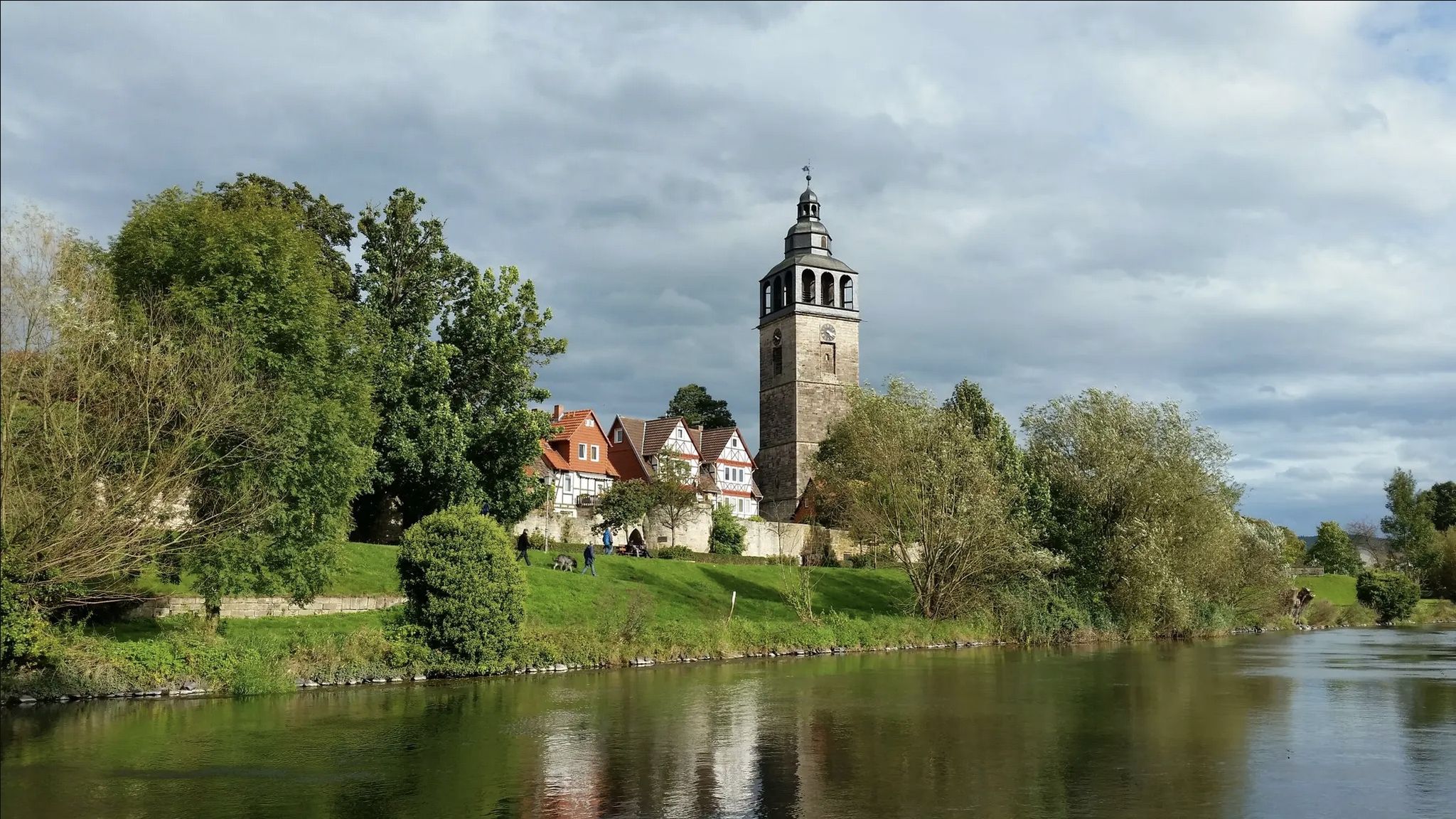
Bus station hiking trails around Geismar provide access to the diverse landscapes of the Eichsfeld region in Germany. The area is characterized by rolling hills, dense forests, and verdant meadows, with the Ohm Mountains forming a prominent natural feature. Trails often follow the Leine River, offering views of historical sites. The terrain includes varied elevations, suitable for different hiking abilities.
Best bus station hiking trails around Geismar
- The most popular bus station hiking route is Eichsfeld Cross – Boniface Chapel…
Last updated: May 31, 2026
4.9
(20)
64
hikers
6.84km
02:09
250m
250m
Moderate hike. Good fitness required. Easily-accessible paths. Suitable for all skill levels.
5.0
(3)
17
hikers
11.1km
03:26
390m
390m
Moderate hike. Good fitness required. Easily-accessible paths. Suitable for all skill levels.

Sign up for free
4.5
(8)
17
hikers
4.84km
01:36
220m
220m
Easy hike. Great for any fitness level. Easily-accessible paths. Suitable for all skill levels.
5.0
(1)
15
hikers
9.54km
02:47
240m
240m
Moderate hike. Good fitness required. Easily-accessible paths. Suitable for all skill levels.
4.0
(1)
9
hikers
4.71km
01:39
270m
270m
Easy hike. Great for any fitness level. Easily-accessible paths. Suitable for all skill levels.
Get access to more routes and recommendations from other explorers.
Sign up for free
Already have an account?
Our route recommendations are based on thousands of hikes, rides, and runs completed by other people on komoot.
Start today with a free account
Your next adventure awaits.
Login or Signup


Tips from the Community

Here you have a wide view into Eichsfeld and Hesse.
0
0

The Dr. Konrad Martin Cross on Hülfensberg was erected in 1933 in honor of the confessional bishop Konrad Martin from Geismar and is a widely visible symbol of faith in the Eichsfeld region. It consists of an 18.6-meter-high, copper-clad steel structure with lighting and commemorates Martin's steadfast commitment to the church during the Kulturkampf (Culture Struggle) of the 19th century. As a religious and cultural monument, it stands on the northern plateau of Hülfensberg and was extensively restored in 1991.
0
0
The Boniface Chapel on Hülfensberg is an important religious building in the Eichsfeld region of Thuringia, near Geismar. It was built in 1903 and stands on the foundations of an earlier princely chapel, donated in 1716 by Landgrave Christian of Hesse-Wanfried. The chapel belongs to the Franciscan monastery of Hülfensberg and is part of the parish of St. Ursula Geismar in the Diocese of Erfurt. Hülfensberg itself was already a place of worship in pre-Christian times. Popular belief connects it with the legendary felling of the Danube Oak by Saint Boniface – although historically, Geismar near Fritzlar in Hesse is more likely to be the location. The chapel bears the patronage of Saint Boniface, who is venerated as the "Apostle of the Germans." Architecturally, it is a rectangular building with a three-sided chancel in the Romanesque style. Particularly impressive is the high altar, which depicts the felling of the Danube Oak – a work by the artist Franz Albermann. The chapel is attached to the larger pilgrimage church, which is in the early Gothic style. This church measures 22.24 meters in length and 17.12 meters in width. A special feature is the slope of the interior floor: from the main portal to the communion rail, the floor drops by a full 64 centimeters. Hülfensberg is one of the oldest and most important pilgrimage sites in the Eichsfeld region. The pilgrimage tradition dates back to the Middle Ages, with the first documented mention in 1351. A special destination for pilgrims is the famous Romanesque cross from the 11th century, depicting Christ as a victorious king. According to legend, it was brought by a crusader from the Holy Land.
0
0

A very impressive church
6
0
A beautiful chapel with a beautiful altar
6
0
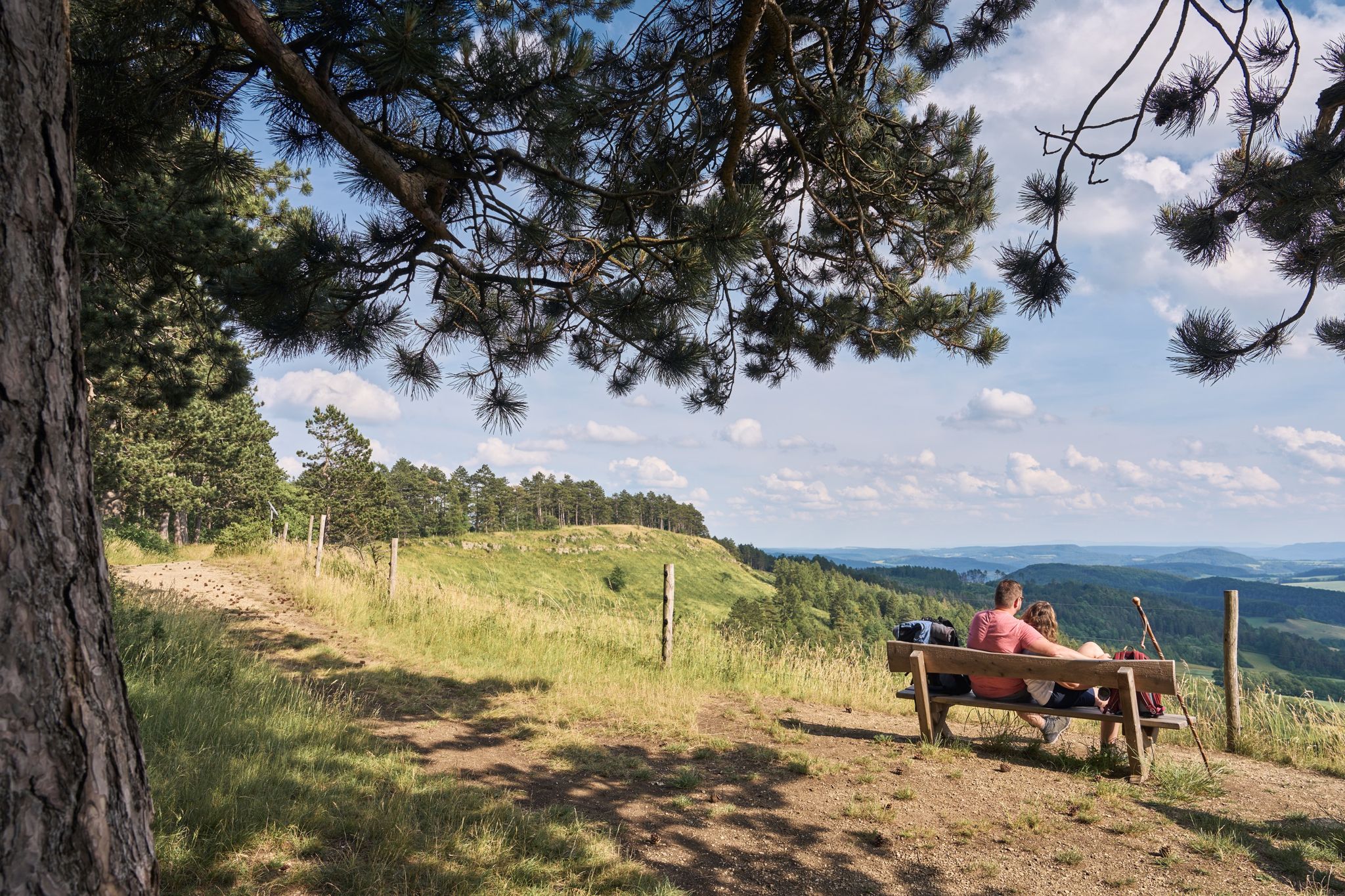
A great view of the surrounding area
6
0
From this rest area you have a great view
6
0
From the cross you have a beautiful view of the surrounding area
6
0
Frequently Asked Questions
How many hiking trails are accessible from bus stations around Geismar?
There are over 25 hiking trails around Geismar that are easily accessible from local bus stations. These routes offer a fantastic way to explore the diverse landscapes of the Eichsfeld region without needing a car.
What kind of difficulty levels can I expect on bus-accessible trails in Geismar?
The trails accessible from Geismar's bus stations cater to a range of abilities. You'll find approximately 9 easy routes, perfect for a leisurely stroll, alongside 16 moderate trails for those seeking a bit more challenge. There are also 2 more difficult routes for experienced hikers looking for a strenuous adventure through the Ohm Mountains.
Are there any circular hiking routes available from Geismar's bus stations?
Yes, many of the trails accessible by bus are circular, allowing you to start and end your hike at the same bus stop. For example, the Eichsfeld Cross – Boniface Chapel loop from Geismar is a moderate 6.8 km circular route, offering scenic views and historical points of interest.
What natural features or landmarks can I see along these bus-accessible trails?
The trails around Geismar offer a rich tapestry of natural beauty and historical landmarks. You can discover stunning viewpoints like Dietzenröder Stein and Vatteröder Stein, or visit the tranquil Meinhardsee. For a unique natural spectacle, consider a route that passes the Großbartloff Waterfall.
Are there any castles or historical sites along the bus station hiking routes?
Absolutely! The region is rich in history. Many routes will lead you past impressive historical sites. For instance, the Green Belt – Kolonnenweg – Greifenstein Castle Ruins loop from Geismar takes you along the historic former German-German border and past the fascinating Greifenstein Castle Ruins. Other routes might offer views of Gleichenstein Castle or Ruins of Altenstein Castle.
What is the best time of year to hike around Geismar using public transport?
Spring and autumn are particularly recommended for hiking in the Geismar region. In spring, you'll witness blooming nature and vibrant flowers, while autumn transforms the forests into a spectacular display of reds, oranges, and yellows. The well-maintained trails are enjoyable throughout these seasons, offering comfortable temperatures for exploration.
Are there family-friendly hiking options accessible by bus in Geismar?
Yes, Geismar offers several child-friendly options, including trails like the 'dwarf trail' mentioned in regional research, which are perfect for families. Many of the easy routes are suitable for younger hikers, providing gentle paths through forests and meadows. Always check the route details for distance and elevation to ensure it's appropriate for your family's fitness level.
Can I bring my dog on the hiking trails accessible from Geismar bus stations?
Most hiking trails in the Geismar region are dog-friendly, allowing you to enjoy the beautiful scenery with your canine companion. It's always advisable to keep your dog on a leash, especially in nature reserves or areas with livestock, and to carry waste bags. Always check specific trail regulations if posted.
What do other hikers enjoy the most about hiking in Geismar?
The area is highly rated by the komoot community, with an average score of 4.65 stars from over 6,500 ratings. Reviewers often praise the quiet woodlands, the panoramic views from the Ohm Mountains, and the well-marked paths that make navigation easy. The blend of natural beauty and historical sites is also frequently highlighted as a major draw.
Are there any trails that offer views of the historic German-German border?
Yes, the Geismar region is uniquely positioned along the former German-German border, now part of the 'Green Belt'. The Green Belt – Kolonnenweg – Greifenstein Castle Ruins loop from Geismar is an excellent example, allowing you to walk along sections of the historic border, including the Kolonnenweg, and experience this significant landscape.
Can I find routes that include a monastery or chapel?
Certainly. The region has several spiritual landmarks. For instance, the Hülfensberg Monastery – Boniface Chapel loop from Geismar is an easy 4.8 km route that takes you past the significant Hülfensberg Monastery and the Boniface Chapel, offering both natural beauty and cultural insights.
Are there any longer, more challenging routes for experienced hikers?
For experienced hikers seeking a longer challenge, the Boniface Chapel – Bonifatiusblick Viewpoint loop from Geismar is a moderate 15.9 km route with significant elevation gain, offering extensive views and a rewarding experience. Another option is the Rollsberg – Shelter with a view of Wilbich loop from Geismar, a moderate 11.1 km trail with varied terrain.
Most popular attractions around Geismar

Get inspired with the komoot mobile app


Explore more
Browse the best Hikes in other regions.
