The best hikes from bus stations around St. Johann
4.6
(4541)
16,751
hikers
88
hikes
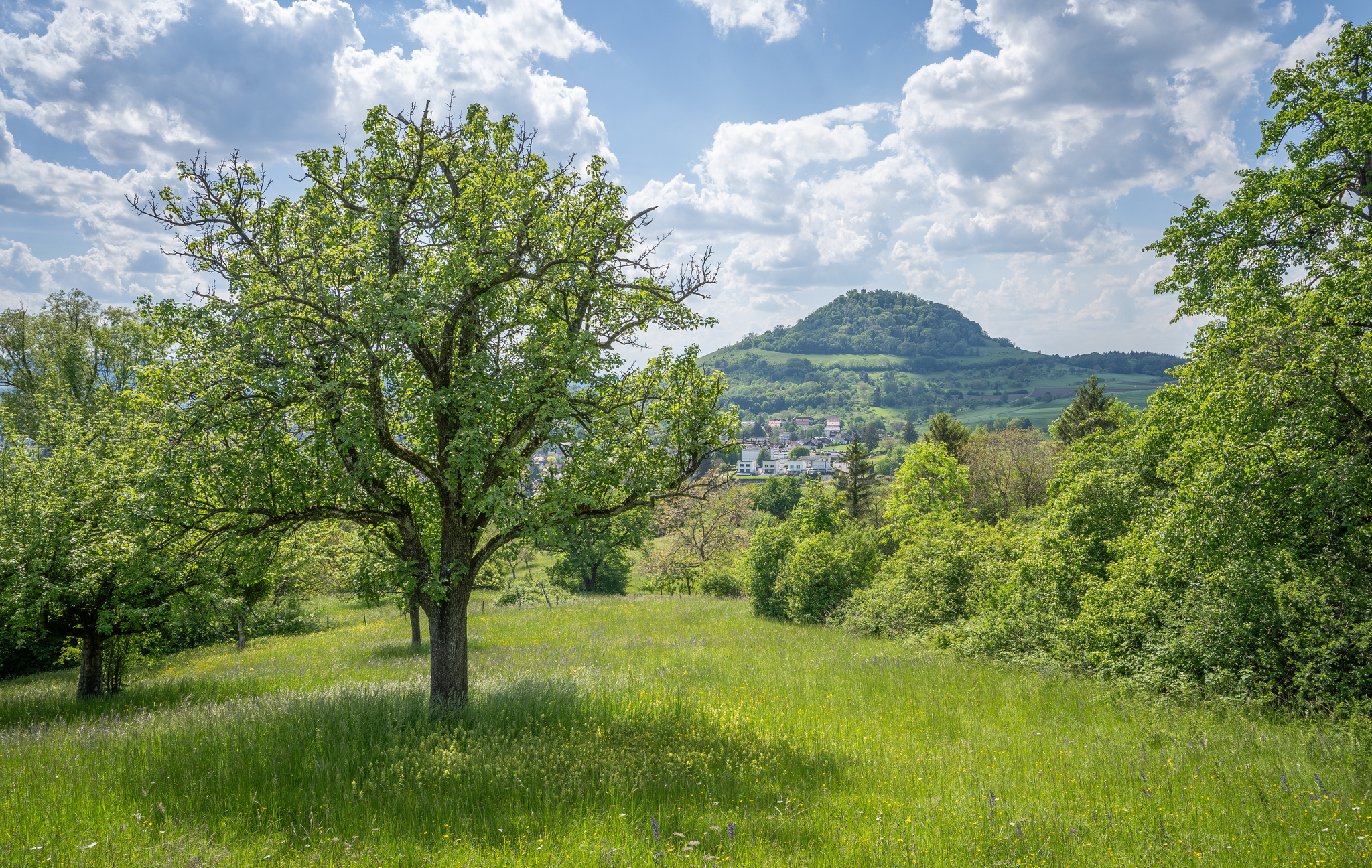
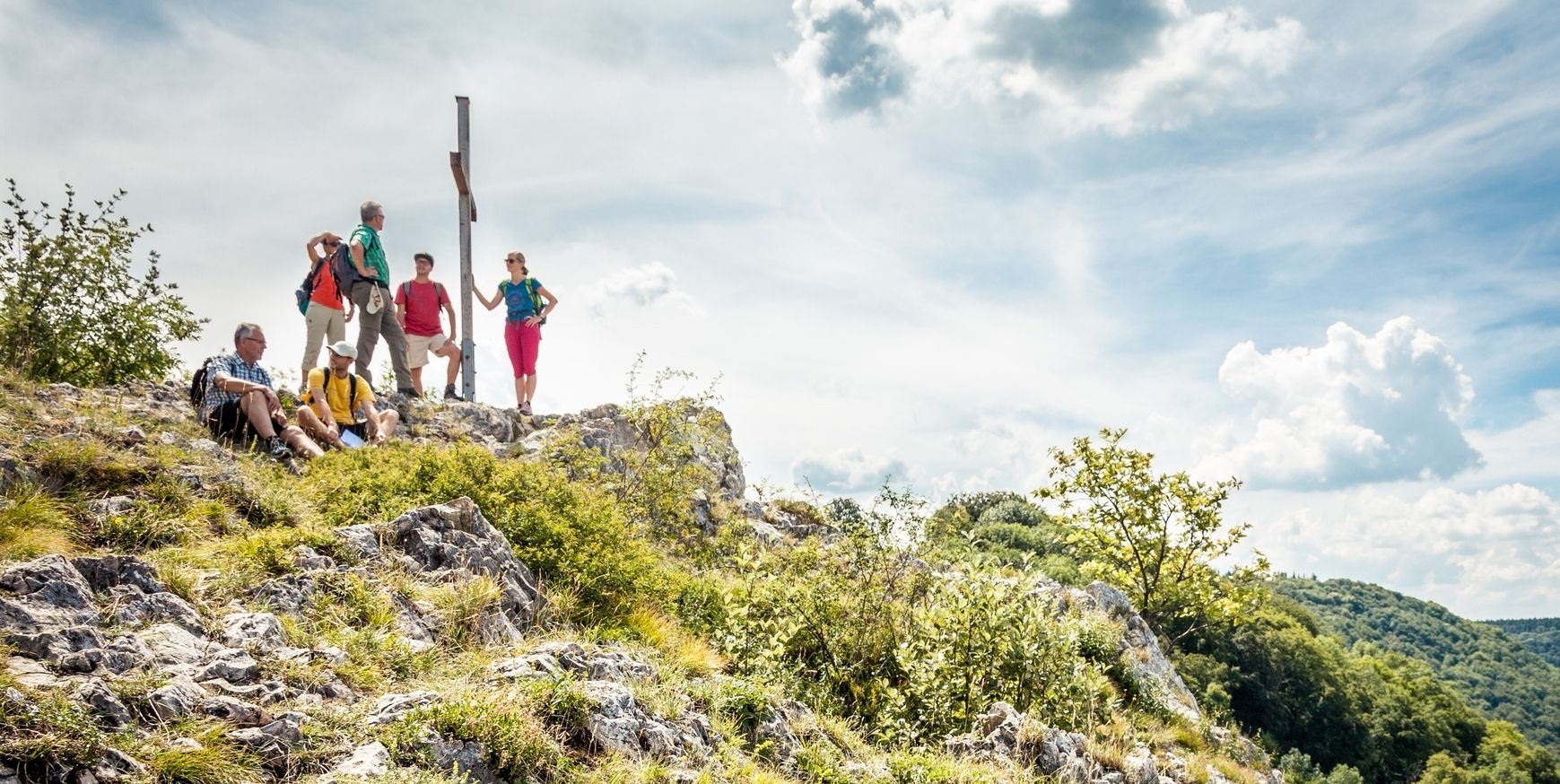
Bus Station hikes St. Johann in Tyrol offer access to a diverse alpine landscape situated between the Kitzbüheler Alpen and the dramatic peaks of the Wilder Kaiser mountain range. The region features varied terrain, from gentle alpine meadows to rugged rock faces, alongside impressive natural spectacles like gorges and waterfalls. Lush Alpine meadows, clear mountain lakes, and unique moorland landscapes characterize the area, providing a wide array of hiking experiences.
Best bus station hiking trails around St. Johann
- The most…
Last updated: July 7, 2026
4.7
(71)
309
hikers
Moderate hike. Good fitness required. Easily-accessible paths. Suitable for all skill levels.
4.7
(26)
76
hikers
Moderate hike. Good fitness required. Easily-accessible paths. Suitable for all skill levels.

Sign up for free
4.1
(20)
69
hikers
7.93km
02:10
120m
120m
Moderate hike. Good fitness required. Mostly accessible paths. Sure-footedness required.
4.7
(20)
65
hikers
11.1km
03:00
150m
150m
Moderate hike. Good fitness required. Easily-accessible paths. Suitable for all skill levels.
3.6
(12)
38
hikers
Moderate hike. Good fitness required. Easily-accessible paths. Suitable for all skill levels.
Get access to more routes and recommendations from other explorers.
Sign up for free
Already have an account?
Our route recommendations are based on thousands of hikes, rides, and runs completed by other people on komoot.
Start today with a free account
Your next adventure awaits.
Login or Signup
Other adventures around St. Johann


Tips from the Community


Forest kindergarten. We saw the happy children playing.
0
0


A wide, gentle meadow valley between Kohlstetten and Lonsingen, nestled in the open hills of the Swabian Alb. Quiet paths, expansive views, and often only wind, grasses, and a few curious sheep for company. Perfect for a quiet break and a few long breaths of nature.
0
0

Nice to walk, if you're lucky with horse accompaniment.
0
0

The Glems pumped-storage power plant is located on the edge of the Swabian Alb. Due to the steep slope of the terrain between the artificially created reservoir and the turbine house, the pumped-storage power plant can utilize a head of almost 300 m. Around the upper reservoir are beautiful hiking trails and a beautifully landscaped barbecue area. A game reserve is also located nearby.
3
0

A little to the south lies the Rutschenhof Brünnele, probably the shortest stream on the Alb
1
0

The Glems pumped-storage power plant is located on the edge of the Swabian Alb. Due to the steep slope between the artificially created upper reservoir and the powerhouse, the pumped-storage power plant can utilize a head of almost 300 m. In Glems, two sets of machines, each consisting of a Francis turbine, a pump, and an electric motor, produce energy. The machines operate as generators in turbine mode and as motors in pump mode. The turbine output is regulated as needed via adjustable blades of the guide vanes. With a maximum output of 45 MW, the turbines require little more than six hours to fill the upper reservoir (810,000 m³), producing 560,000 kilowatt hours of electricity. Within eleven hours, with a maximum output of 34 MW per pump, the water can be pumped from the lower reservoir back to the upper reservoir via the pipeline. The special feature of the Glems pumped-storage power plant is that it can provide control power not only in turbine mode but also in pump mode. This is made possible by a process known as hydraulic short-circuit operation. In hydraulic short-circuit operation, the pump extracts water from the lower reservoir and pumps it toward the upper reservoir. Depending on demand, more or less water is diverted to the turbine, thus making more or less power available to the grid. Given the current grid situation, this so-called control power is very valuable, as fluctuations in the grid can be compensated for immediately.
6
0
Frequently Asked Questions
How many bus-accessible hiking trails are there around St. Johann?
There are over 80 hiking routes around St. Johann that are easily accessible from bus stations. These include a wide variety of trails, with nearly 50 considered easy and around 40 moderate, catering to different fitness levels.
What kind of natural features can I expect to see on these bus-accessible hikes?
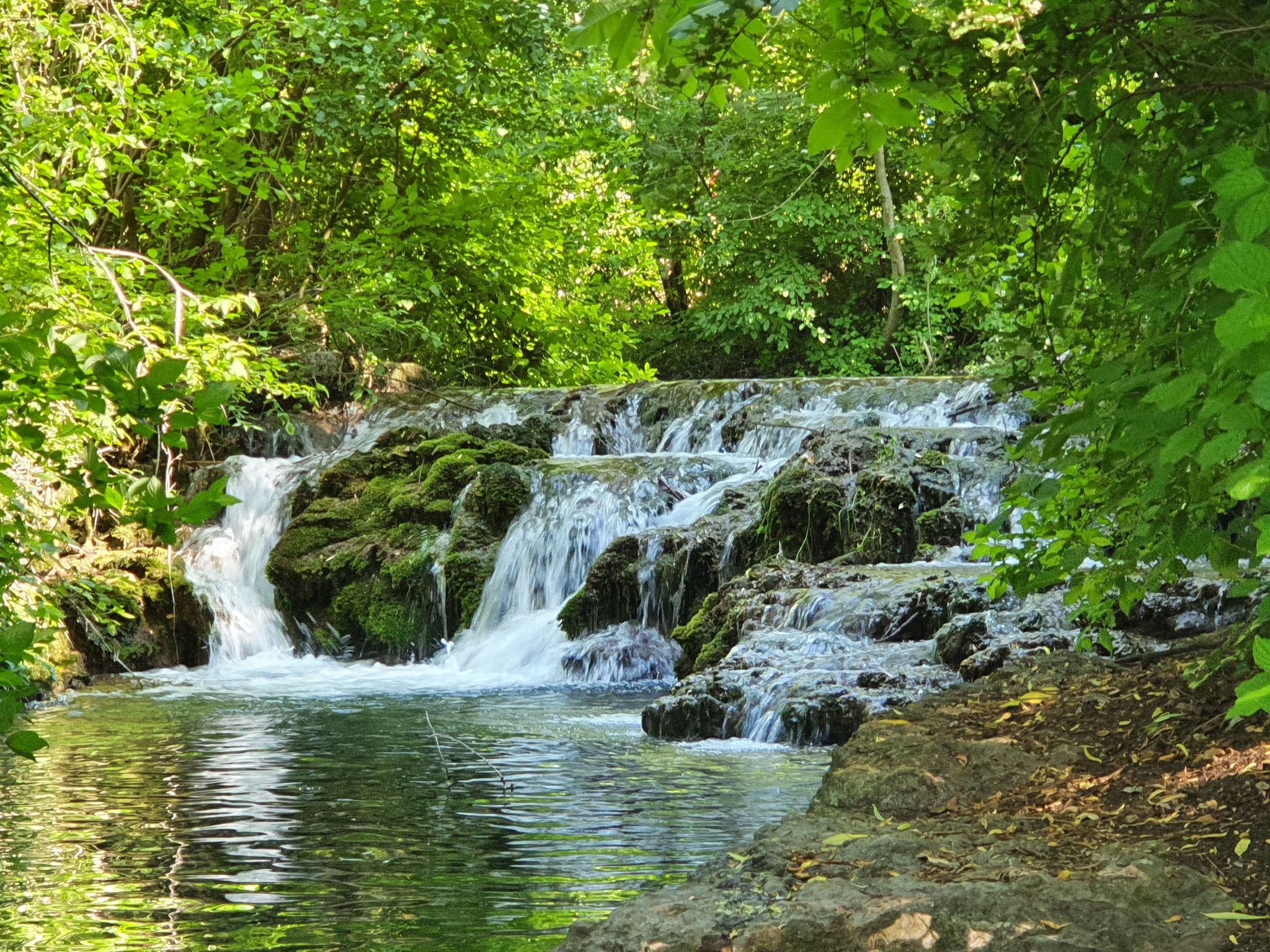
The region around St. Johann, nestled between the Kitzbüheler Horn and Wilder Kaiser, offers diverse natural beauty. You can explore impressive gorges like the Hell Holes Dettingen or the Wolfsschlucht Gorge. There are also beautiful waterfalls such as the Urach Waterfall and the Güterstein waterfall, providing refreshing stops along your journey.
Are there any family-friendly hiking options accessible by bus in St. Johann?
Yes, St. Johann is well-suited for families. Many of the easy trails are pram-friendly, and the region offers themed trails like the 'Moor & more adventure world' on the Wilder Kaiser, which has interactive elements for children. While specific family-focused routes from bus stations aren't listed, the abundance of easy trails ensures suitable options for all ages.
Can I find circular hiking routes starting from bus stations in St. Johann?
Absolutely. Many routes are designed as loops, allowing you to start and end at the same bus stop. For example, consider the Rutschenfelsen Viewpoint loop from Fünffingerfels, which offers scenic views over approximately 8 km. Another option is the Beautiful Beech Trail loop from Fünffingerfels, covering about 7.9 km.
What is the best time of year for hiking around St. Johann using public transport?
The hiking season in St. Johann generally runs from spring through autumn. Spring brings lush meadows and blooming flowers, while summer offers warm weather for higher alpine routes. Autumn is particularly beautiful with vibrant foliage. Many trails are well-maintained, but always check local conditions, especially for higher elevations, during early spring or late autumn.
Are there any viewpoints or landmarks accessible on these bus-friendly trails?
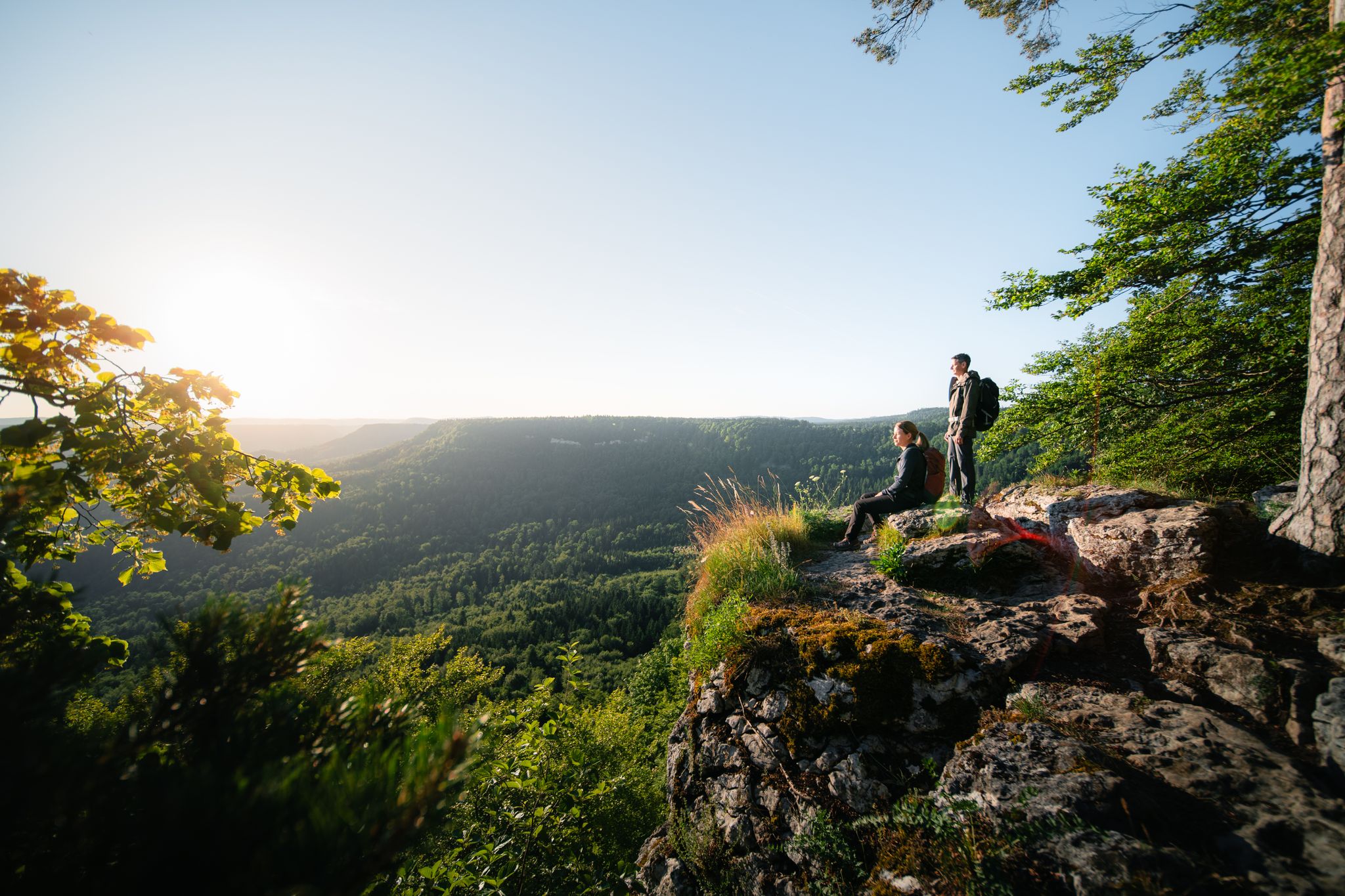
Yes, several trails lead to stunning viewpoints and historical landmarks. The Rutschenfelsen Viewpoint is a popular spot, accessible via routes like the Rutschenfelsen Viewpoint loop from St. Johann. You can also find historical sites such as the Hohenwittlingen Castle Ruins, offering a glimpse into the region's past.
What do other hikers say about the bus-accessible trails in St. Johann?
The komoot community highly rates the hiking experiences around St. Johann, with an average score of 4.6 stars from over 4,000 ratings. Reviewers often praise the well-maintained trails, the stunning alpine scenery of the Kitzbüheler Alps and Wilder Kaiser, and the convenience of accessing diverse routes directly from bus stations.
Are there any longer, more challenging hikes from bus stations?
While most bus-accessible routes are easy to moderate, there are longer options for those seeking more challenge. For instance, the Lonsinger Valley loop from St. Johann covers over 11 km and offers a moderate challenge through varied terrain. There is also one difficult route available, though specific details would require further exploration.
Can I find places to eat or rest along the bus-accessible hiking trails?
Yes, the region is known for its numerous Alpine huts and traditional inns located along hiking trails. These provide excellent opportunities for refreshments, a warm meal, and a taste of local treats, enhancing your hiking experience. Many are conveniently situated to be part of a day hike from a bus stop.
Are there any specific bus routes that are particularly scenic for hikers?
The public transport network in St. Johann is designed to connect various villages and trailheads within the picturesque Kitzbüheler Alps. While specific 'scenic bus routes' aren't highlighted, the journey itself through the valleys and past the Wilder Kaiser range offers beautiful views, serving as a prelude to your hike. The convenience allows you to focus on the trail ahead.
Are dogs allowed on the bus-accessible hiking trails in St. Johann?
Generally, dogs are welcome on hiking trails in the St. Johann region. However, it's always advisable to keep them on a leash, especially in nature reserves, near livestock, or in crowded areas. Check local regulations for specific trails or public transport rules regarding pets before you go.
Most popular routes around St. Johann
Most popular attractions around St. Johann

Get inspired with the komoot mobile app


Explore more
Browse the best Hikes in other regions.
