The best city hikes and walks around Quakenbrück
4.6
(132)
695
hikers
11
hikes
Urban hiking trails around Quakenbrück offer diverse experiences within a region characterized by the meandering Hase River and surrounding green spaces. The town is situated in a landscape featuring rolling hills and forests, part of the wider Artland region. Many routes follow the river, which forms an inland delta, providing opportunities for observing local nature. The area also features historic oak and beech forests, contributing to varied urban walking environments.
Best urban hiking trails around Quakenbrück
- The most popular urban…
Last updated: October 1, 2026
4.0
(2)
4
hikers
Easy hike. Great for any fitness level. Easily-accessible paths. Suitable for all skill levels.
5.0
(1)
3
hikers
Easy hike. Great for any fitness level. Easily-accessible paths. Suitable for all skill levels.

3
hikers
4.40km
01:06
0m
0m
Easy hike. Great for any fitness level. Easily-accessible paths. Suitable for all skill levels.
4
hikers
Easy hike. Great for any fitness level. Easily-accessible paths. Suitable for all skill levels.
4
hikers
3.59km
00:54
0m
0m
Easy hike. Great for any fitness level. Easily-accessible paths. Suitable for all skill levels.
Get access to more routes and recommendations from other explorers.
Already have an account?
Our route recommendations are based on thousands of hikes, rides, and runs completed by other people on komoot.
Start today with a free account
Your next adventure awaits.
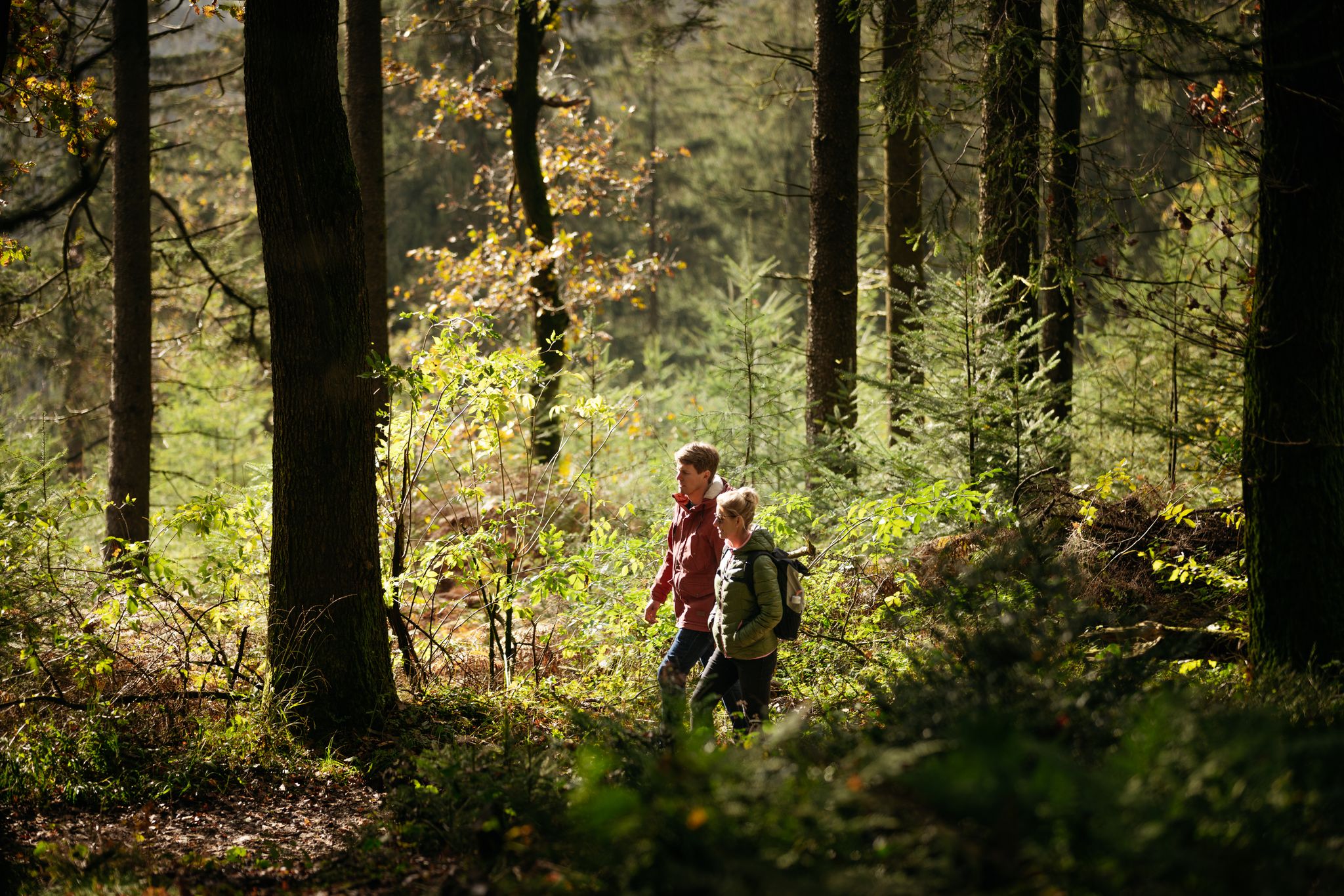
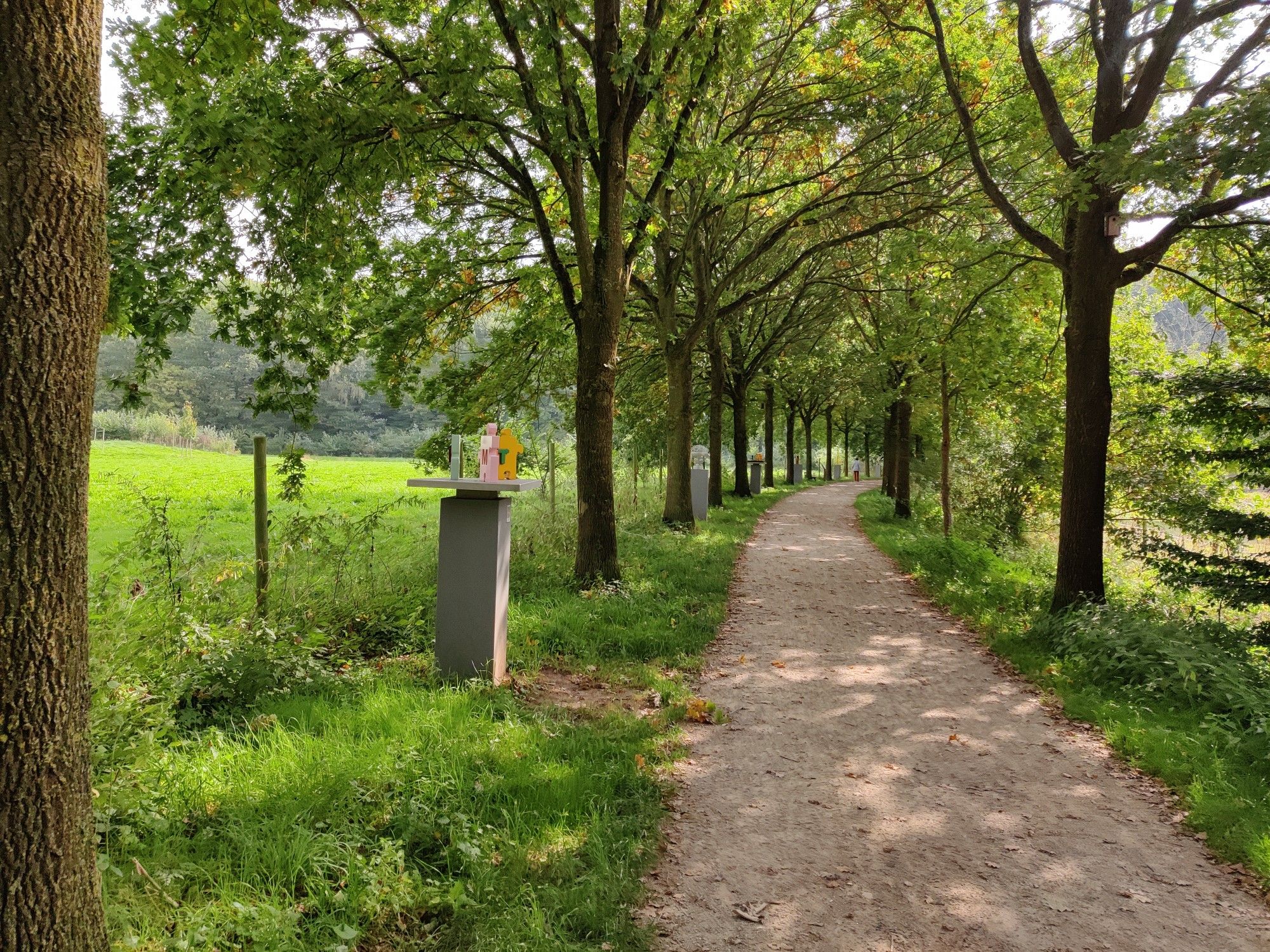
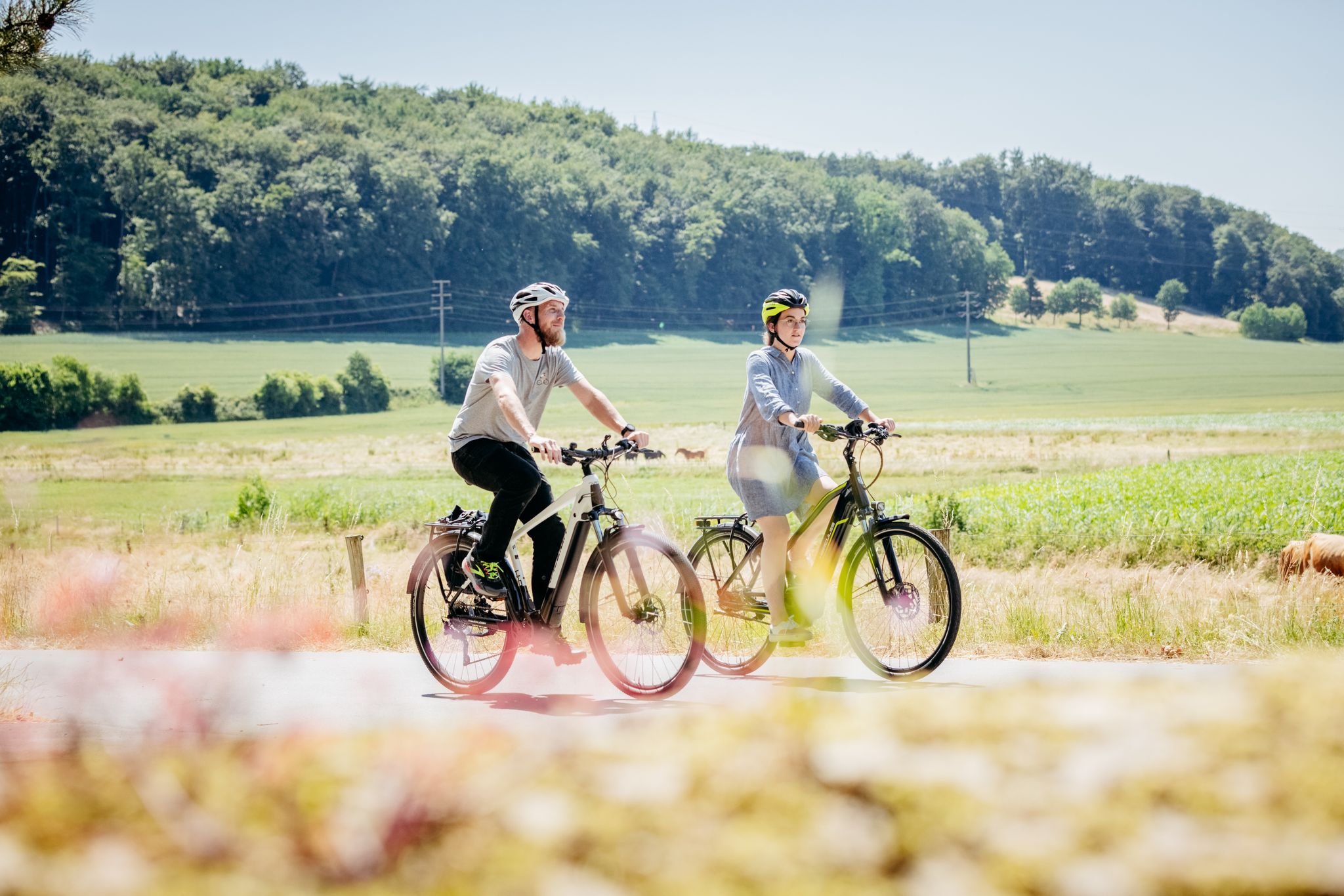
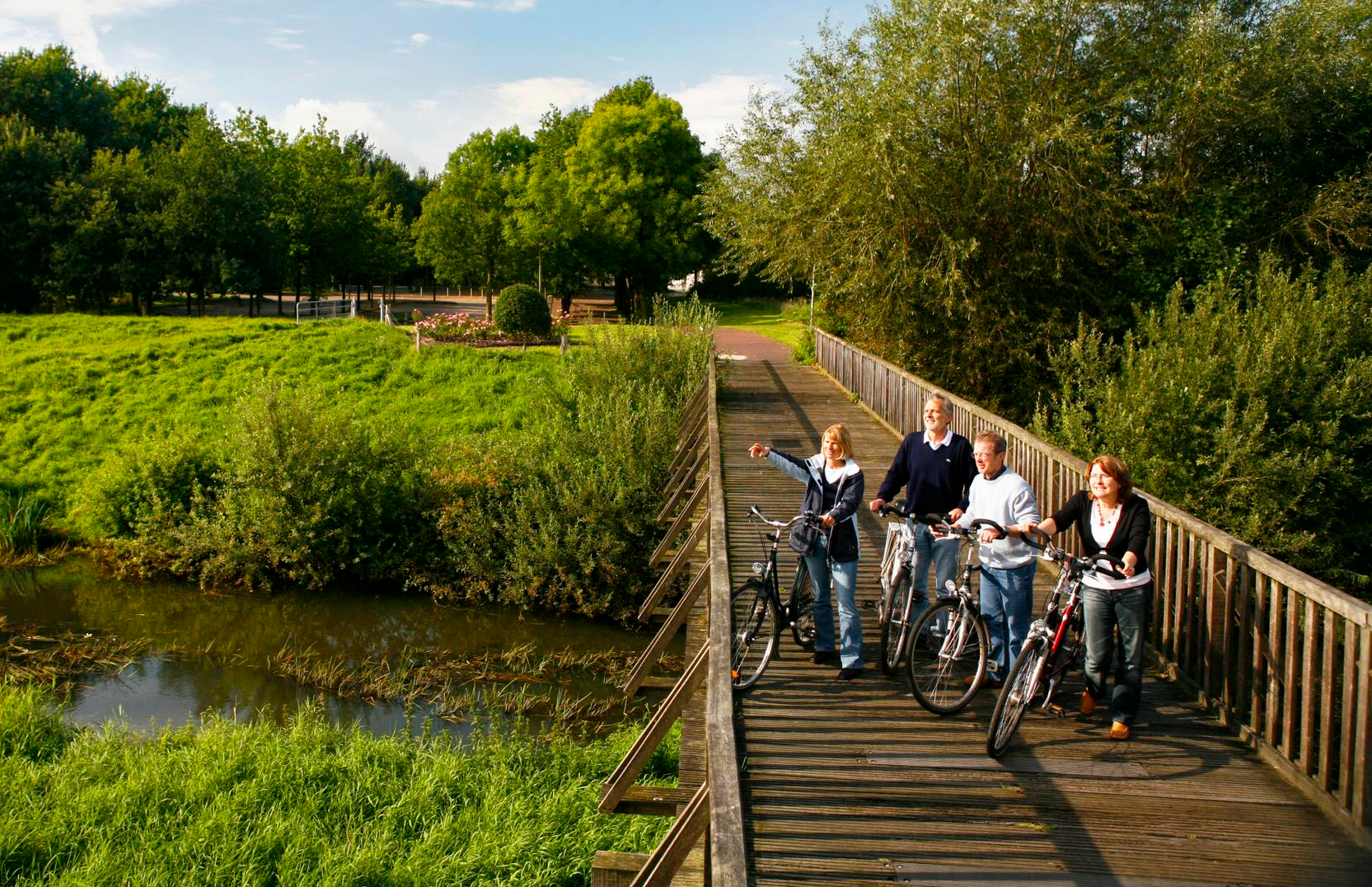
Other adventures around Quakenbrück


Tips from the Community

The tax office is in here today.
0
0

nice place to linger outside the everyday hustle and bustle
0
0

A little further on you will find the current train station.
0
0

Quakenbrück (Low German: Quokenbrügge) is a town in the Osnabrück district of Lower Saxony, situated on the Hase River. It is the administrative seat of the Samtgemeinde (collective municipality) of Artland, which it forms together with the municipalities of Badbergen, Menslage, and Nortrup. Quakenbrück is the historical, economic, and cultural center of the Artland region, located between the Osnabrück Northland and the Oldenburg Münsterland. (Source: https://de.wikipedia.org/wiki/Quakenbr%C3%BCck)
3
0

The town hall is located on a large square in the heart of Quakenbrück. There are several restaurants and snack bars nearby.
1
0

In front of the post office building in Quakenbrück stands a mighty "Artland Dragon," created by Gisela Spengler in 1985. Dragons are the symbol and heraldic animal of the Artland region. They also appear on various house gables and frequently in St. Sylvester Church. The Artland Dragon is a common figure in heraldry and has a proper name. It is a fictional heraldic animal. It differs from the well-known heraldic dragon in that it is wingless and legless. The Artland Dragons are also a German basketball team from Quakenbrück. https://de.wikipedia.org/wiki/Artl%C3%A4nder_Drache https://www.artland.de/portal/seiten/poggenpad-900000243-31440.html https://de.wikipedia.org/wiki/Artland_Dragons#:~:text=The%20Artland%20Dragons%20are%20a,Bundesliga%20ProA.
2
0
This neoclassical building, dating from 1818, dominates the market square. The open staircase leading directly to the upper floor and the war memorial in front of the town hall are particularly worth seeing. https://artland-regional.de/altstadt-von-quakenbrueck/
4
0
At the end of Lange Straße on the right, the inn still bears the form of a Quakenbrück burgher's house from the 17th century. Until the beginning of the 20th century, "burghers" were citizens who ran their own farms within the city limits. The building's current round-arched entrance door served as a gateway for farm wagons. If you look closely, you can see the building's extension on the gable. https://www.artland.de/portal/seiten/poggenpad-900000243-31440.html
2
0
Frequently Asked Questions
How many urban hiking trails are available in Quakenbrück?
There are 12 easy urban hiking trails around Quakenbrück, all suitable for a relaxed exploration of the town and its immediate surroundings. These routes are generally flat and well-maintained, perfect for a leisurely stroll.
What are the typical distances and durations for urban hikes in Quakenbrück?
Urban hikes in Quakenbrück are generally short and accessible. For example, the Gatehouses of Quakenbrück – Quakenbrück railway station loop from Quakenbrück is about 1.5 kilometers, taking around 25 minutes. Longer options like the Deichhase (Quakenbrück) – Quakenbrück railway station loop from Quakenbrück cover approximately 4.5 kilometers, which can be completed in just over an hour.
Are the urban hiking trails in Quakenbrück suitable for families with children?
Yes, the urban hiking trails in Quakenbrück are very family-friendly. The routes are predominantly easy, with minimal elevation changes, making them suitable for all ages. The town's "Frog's Path" (Poggenpad) is a particularly engaging sightseeing route that guides visitors past medieval landmarks and half-timbered houses, which can be fun for children to explore.
Can I bring my dog on the urban hikes in Quakenbrück?
Most urban trails in Quakenbrück are dog-friendly, offering pleasant walks along the Hase River and through green spaces. Always keep your dog on a leash, especially in populated areas or near wildlife habitats. The Hase River loop from Quakenbrück is a great option for a walk with your canine companion.
What kind of natural features can I expect to see on urban hikes in Quakenbrück?
Urban hikes in Quakenbrück often feature the picturesque Hase River, which meanders through the town and forms an inland delta. You'll also encounter green spaces, historic oak and beech forests, and the park-like arable landscape of the Artland region. The Überfallhase (Hase River Weir) is a notable natural monument along the river.
Are there any interesting historical landmarks or attractions along the urban trails?
Absolutely! Quakenbrück is rich in history. Many urban trails will lead you past significant sites such as the Quakenbrück Market Square, over a hundred half-timbered houses, and the St. Sylvester and St. Marien Churches. The Quakenbrück City Museum – Quakenbrück railway station loop from Quakenbrück is a good route to explore some of these historical points.
What is the best time of year for urban hiking in Quakenbrück?
Spring and autumn are ideal for urban hiking in Quakenbrück. The weather is mild, and the natural surroundings are particularly vibrant, with blooming flowers in spring and colorful foliage in autumn. However, the well-maintained paths make winter walks enjoyable too, offering a different, serene perspective of the town.
Are there circular urban walks available in Quakenbrück?
Yes, many of the urban hiking trails in Quakenbrück are designed as circular routes, allowing you to start and end at the same point. For instance, the Quakenbrück railway station loop from Quakenbrück is a convenient circular option for exploring the town.
What do other hikers enjoy most about urban hiking in Quakenbrück?
The urban hiking trails in Quakenbrück are highly rated by the komoot community, with an average score of 4.6 stars. Reviewers often praise the easy accessibility, the charming blend of historical architecture and natural river landscapes, and the overall relaxed atmosphere of the walks.
Are there any lakes or water bodies to see near the urban hiking routes?
While the Hase River is a central feature, the wider region around Quakenbrück also offers beautiful lakes. You can explore highlights like the Märschendorfer Lakes or the Heckenkölke (Hase oxbow lake), which are perfect for birdwatching and enjoying tranquil waterscapes.
Is parking readily available for urban hikes in Quakenbrück?
Yes, Quakenbrück generally offers convenient parking options within the town, especially near the railway station or central areas, providing easy access to the urban hiking trails. Specific parking details can often be found on local signage or tourist information.
Can I reach the urban hiking trails in Quakenbrück using public transport?
Quakenbrück is well-connected by public transport, including a railway station. Many urban hiking trails, such as those starting from the railway station, are easily accessible by train or bus, making it convenient to explore without a car.
Most popular routes around Quakenbrück
Most popular attractions around Quakenbrück

Get inspired with the komoot mobile app


Explore more
Browse the best Hikes in other regions.
