The best city hikes and walks around Tangermünde
4.6
(944)
3,890
hikers
20
hikes
Urban hiking trails around Tangermünde offer a blend of historical exploration and natural river landscapes. The town is situated on a glacial terminal moraine, providing slight elevation above the Elbe River. The region is characterized by broad floodplains, tranquil riverside forests, and picturesque green scenery. Many routes integrate Tangermünde's well-preserved medieval architecture, including its town wall and historic gates.
Best urban hiking trails around Tangermünde
- The most popular urban hiking route is Tangermünde Old Town – Eulenturm (Owl Tower), Tangermünde…
Last updated: October 1, 2026
4.7
(91)
420
hikers
Easy hike. Great for any fitness level. Easily-accessible paths. Suitable for all skill levels.
2.0
(1)
9
hikers
Moderate hike. Good fitness required. Easily-accessible paths. Suitable for all skill levels.

5.0
(1)
7
hikers
Easy hike. Great for any fitness level. Easily-accessible paths. Suitable for all skill levels.
4
hikers
Moderate hike. Good fitness required. Easily-accessible paths. Suitable for all skill levels.
3
hikers
Easy hike. Great for any fitness level. Easily-accessible paths. Suitable for all skill levels.
Get access to more routes and recommendations from other explorers.
Already have an account?
Our route recommendations are based on thousands of hikes, rides, and runs completed by other people on komoot.
Start today with a free account
Your next adventure awaits.
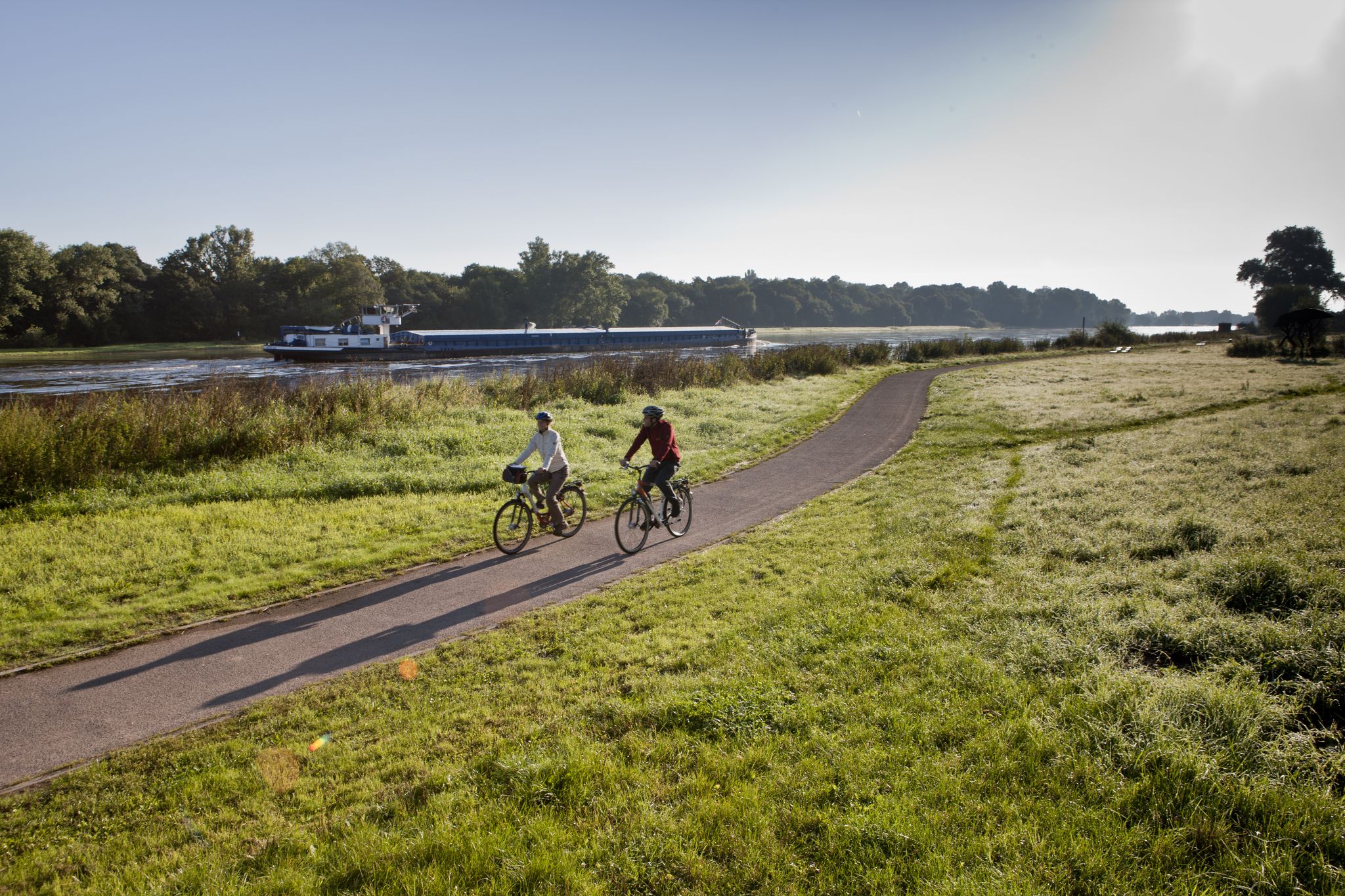
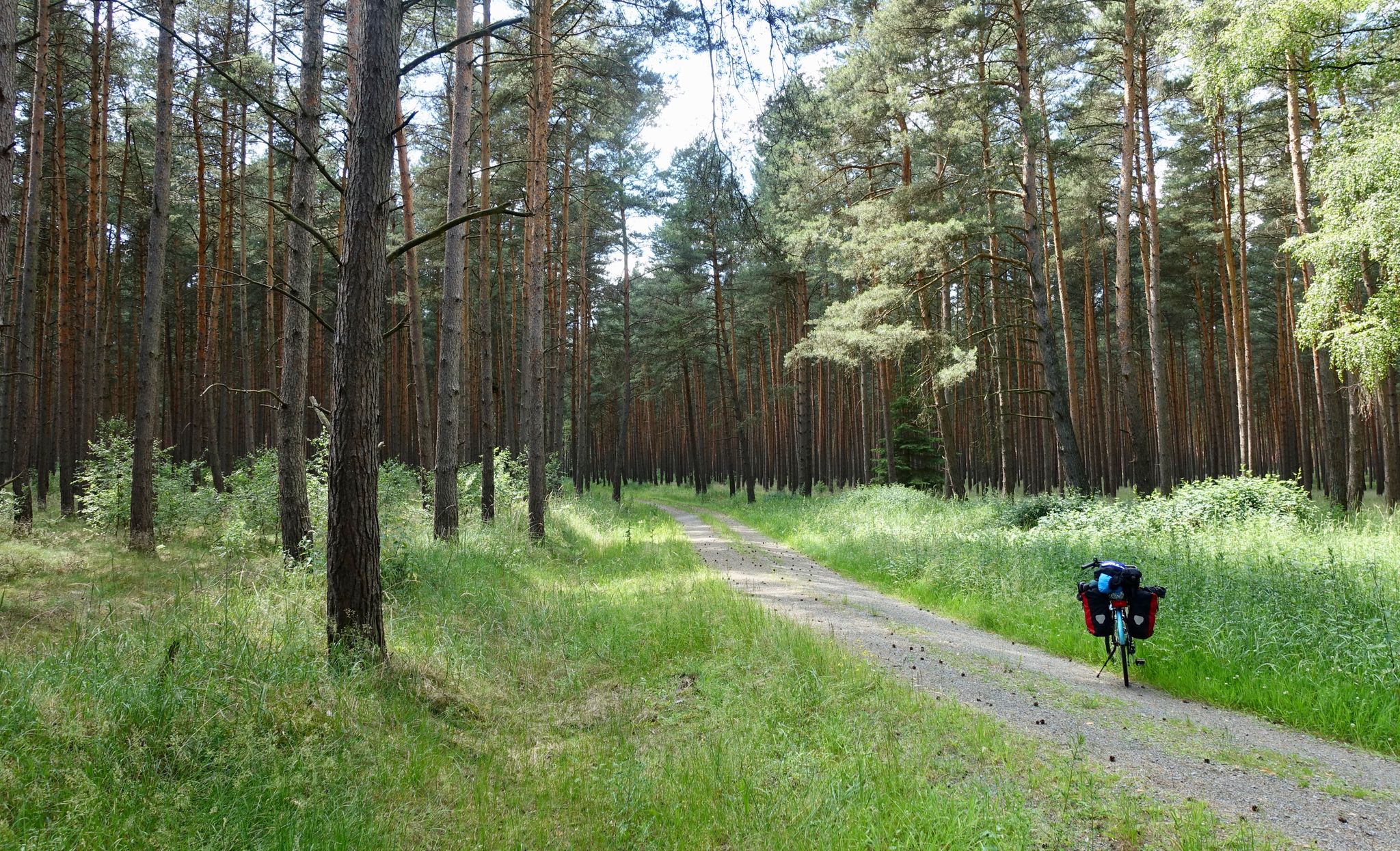
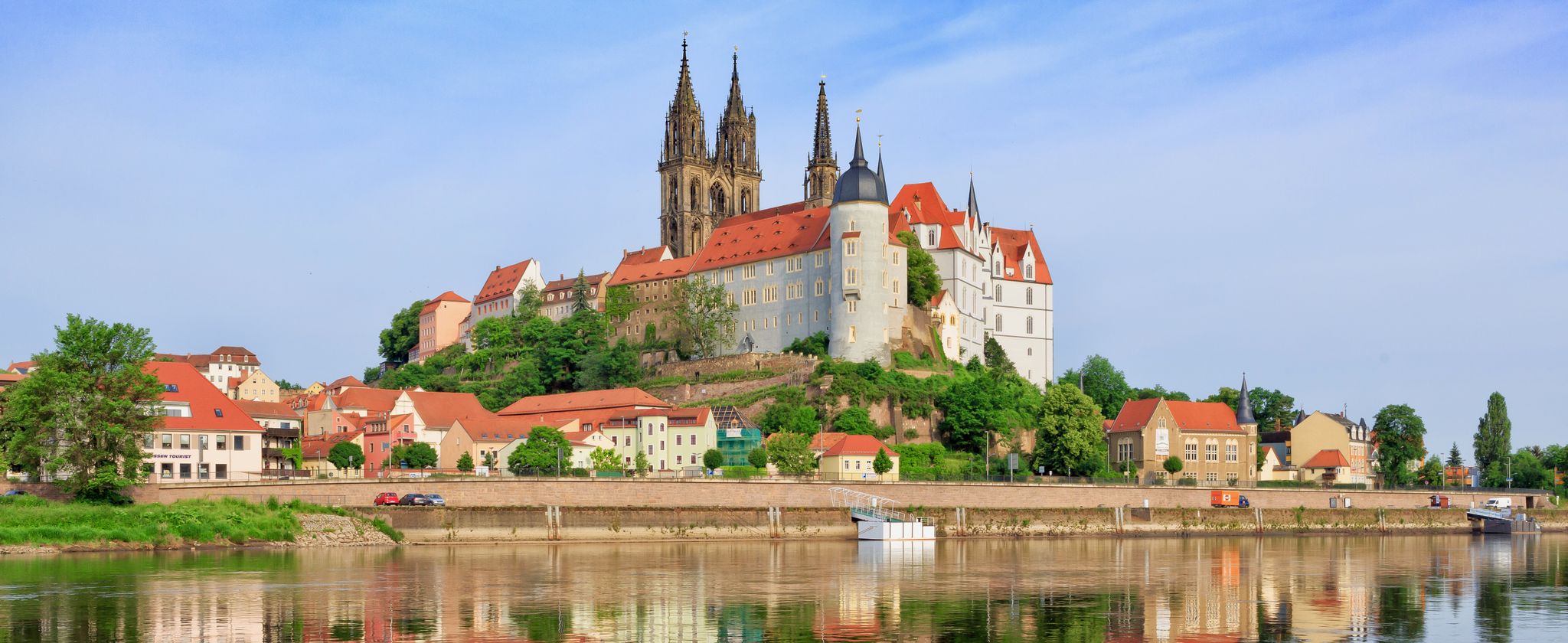
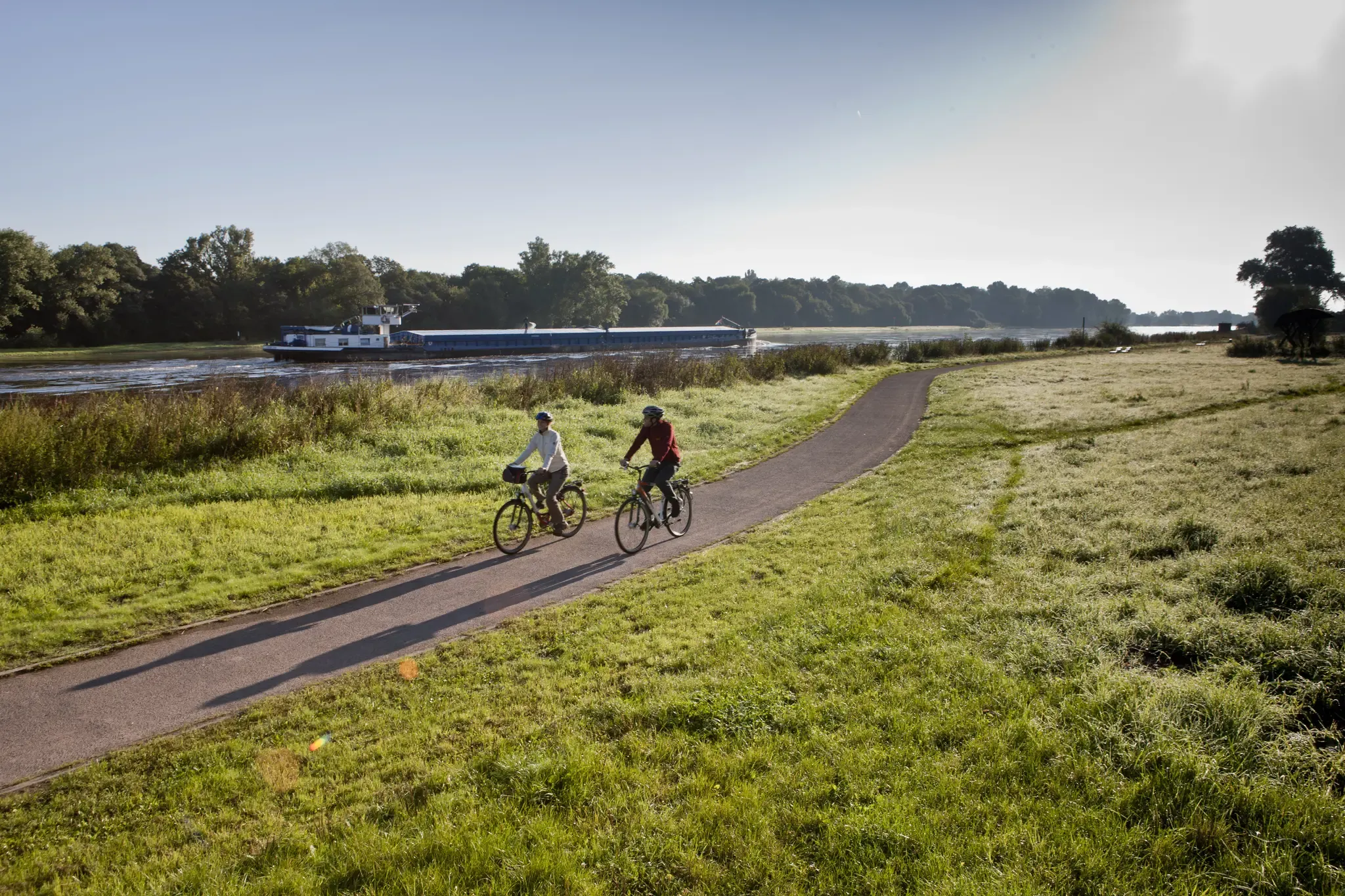
Other adventures around Tangermünde


Tips from the Community

The Grete-Minde-Haus in Tangermünde is a reminder of one of the most tragic chapters in the city's history. The historical Margarete von Minden was falsely executed on the pyre in 1619 as an arsonist after the devastating city fire. Her fate became world-famous through Theodor Fontane's novella Grete Minde. Today, the striking brick building houses social and cultural facilities, including the Grete-Minde-Haus after-school care. An absolute must-see on the historical circular route through the old town.
2
0

Beautiful park and great view of the Elbe river.
1
0

The warehouse is a very tall building on the harbor basin.
1
0
The towers are easily accessible from outside the wall and are well signposted.
3
0
The museum in the castle should also be visited. From above you have a wonderful view over the city and the surrounding area.
4
0

The Rosspforte is located at the Elbe Gate and, together with the Rossfurt, formed the only access road from the Elbe into the town of Tangermünde for a long time. The Rossfurt is a 100-meter-long hollow way. The Elbe Gate once had a portcullis, the niches of which are still recognizable today, and features faithful replicas of the gate wings and the Elbe's water level marks. In 2013, it reached its highest level to date at 8.38 meters. Source: https://www.blutana.de/sehenswuerdigkeiten/Rosspforte-Tangermuende-2155.html
1
1
The Marktstraße leads on to the Putinnen. These are two towers, standing about 30 meters apart on the city wall. They protect a small staircase that serves as access to the river. The people of Tangermünde frequently relied on the water of the Tanger. For instance, in the 18th century, the city had only 12 wells, which could sometimes barely supply the necessary drinking water. The eastern tower served as a citizens' jail for a time. The already mentioned staircase leads through the western tower. Both towers were built around 1470. Source: https://www.portalsaeule.de/index.php?cat=Mauern%2C%20Tore%20und%20T%C3%BCrme%2FStadtbefestigungen%20in%20Deutschland&page=Tangerm%C3%BCnde_2
3
0
The Stephanskirche is located on the highest elevation of Tangermünde – the Prälatenberg. It is one of the outstanding buildings of North German Brick Gothic. Various sources attributed a height of 94 meters to the tower. A few Tangermünde residents and also tourists expressed doubts about this enormous height for many years. Only the measurement of the tower during the renovation (1998-2000) proved the skeptics right and resulted in a height of "only" 87.5 meters. But even with this height, St. Stephan can continue to claim to be the tallest church tower in the Altmark. Source: https://www.tangermuende.info/st.-stephan.html
1
0
Frequently Asked Questions
How many urban hiking trails are available in Tangermünde?
There are over 20 urban hiking trails around Tangermünde, ranging from easy strolls through the historic town to moderate routes that explore the surrounding natural beauty. This variety ensures options for different fitness levels and interests.
What makes urban hiking in Tangermünde unique?
Urban hiking in Tangermünde offers a compelling blend of historical charm and natural beauty. You can explore the well-preserved medieval architecture, including the town wall and half-timbered houses, while also enjoying picturesque views along the Elbe River and through surrounding green landscapes. The town's location on a glacial terminal moraine provides a scenic setting for exploration.
What is the best time of year for urban hikes in Tangermünde?
The spring, when nature blossoms, and autumn, with its vibrant colors, are particularly recommended seasons for urban hiking in Tangermünde. The generally flat terrain makes many paths accessible throughout these seasons, offering pleasant conditions for exploration.
What do other hikers say about the urban trails in Tangermünde?
The urban trails in Tangermünde are highly rated by the komoot community, with an average score of 4.7 stars from over 280 ratings. Hikers often praise the well-preserved historical sites, the tranquil riverside paths, and the ease of combining cultural exploration with nature walks.
Are the urban hiking trails in Tangermünde suitable for families with children?
Yes, many urban hiking trails in Tangermünde are suitable for families. The terrain is generally flat, and there are numerous easy routes that are perfect for shorter outings. For example, the Tangermünde Old Town – Eulenturm (Owl Tower) loop is a relatively short and engaging option for all ages.
Can I bring my dog on the urban hiking trails in Tangermünde?
Tangermünde's urban and surrounding natural trails are generally dog-friendly. While exploring the historic town, ensure your dog is on a leash. When venturing into natural areas like the Elbe floodplains or local forests, always be mindful of local regulations and wildlife. Always carry waste bags and keep your dog under control.
Are there circular urban walks available in Tangermünde?
Yes, Tangermünde offers several excellent circular urban walks. These routes allow you to start and end in the same location, often encompassing historical landmarks and scenic river views. A great example is the Tangermünde Town Hall – Neustädter Gate loop, which takes you through key parts of the town.
What historical landmarks can I see along the urban hiking trails?
Tangermünde's urban trails are rich with history. You can explore the well-preserved medieval town wall, the charming half-timbered houses, and prominent structures like the Tangermünde Town Hall, considered one of the most beautiful late medieval buildings in Northern Germany. The Neustädter Tor and Hünerdorfer Tor are also notable medieval gates to discover. Don't miss the Confluence of the Tanger and Elbe Rivers for a scenic historical perspective.
Is parking available near the urban hiking trails in Tangermünde?
Yes, parking is generally available in and around Tangermünde, especially near the town center and main attractions. Look for designated parking areas within walking distance of the historic old town, which serves as a common starting point for many urban hikes.
How can I reach the urban hiking trails in Tangermünde by public transport?
Tangermünde is accessible by public transport, primarily via train connections to Stendal, from where local buses can take you into the town center. The town itself is compact, making it easy to start many urban hikes directly from the main public transport stops.
Are there any permits required for urban hiking in Tangermünde?
No, permits are not required for urban hiking on the public trails and paths within Tangermünde or its immediate surroundings. You are free to explore the town and its natural areas responsibly.
Are there any viewpoints along the urban trails in Tangermünde?
Yes, several urban trails offer excellent viewpoints. The town itself is situated on a glacial terminal moraine, providing elevated perspectives over the Elbe River. You can also find scenic spots along the Elbe Promenade and from parts of the old town wall. The Bölsdorfer Haken Nature Observation Tower, though slightly outside the immediate urban core, offers panoramic views of the surrounding natural landscape.
Can I find places to eat and drink along or near the urban hiking routes?
Absolutely. Tangermünde's historic old town, which many urban hiking routes traverse, offers a variety of cafes, restaurants, and pubs where you can enjoy a meal or a refreshing drink. You'll find options ranging from traditional German cuisine to cozy cafes perfect for a break.
Most popular routes around Tangermünde
Most popular attractions around Tangermünde

Get inspired with the komoot mobile app


Explore more
Browse the best Hikes in other regions.
