The best traffic-free bike rides around Waldleiningen
4.6
(423)
6,474
riders
4
rides
Road cycling around Waldleiningen offers a network of no traffic road cycling routes through the diverse natural features of the Kaiserslautern district. The region is characterized by rolling hills and dense forests, providing varied terrain for cyclists. Paved roads wind through woodlands and open landscapes, suitable for different skill levels. The area, including the broader Palatinate Forest, features routes with both gentle inclines and more demanding climbs.
Best no traffic road cycling routes around Waldleiningen
- The most popular no traffic…
Last updated: October 1, 2026
4.5
(2)
92
riders
Moderate road ride. Good fitness required. Some segments of this route may be unpaved and difficult to ride.
4.0
(2)
24
riders
Easy road ride. Great for any fitness level. Mostly well-paved surfaces and easy to ride.

11
riders
Moderate road ride. Good fitness required. Some segments of this route may be unpaved and difficult to ride.
4
riders
Moderate road ride. Good fitness required. Mostly well-paved surfaces and easy to ride.
Our route recommendations are based on thousands of hikes, rides, and runs completed by other people on komoot.
Start today with a free account
Your next adventure awaits.
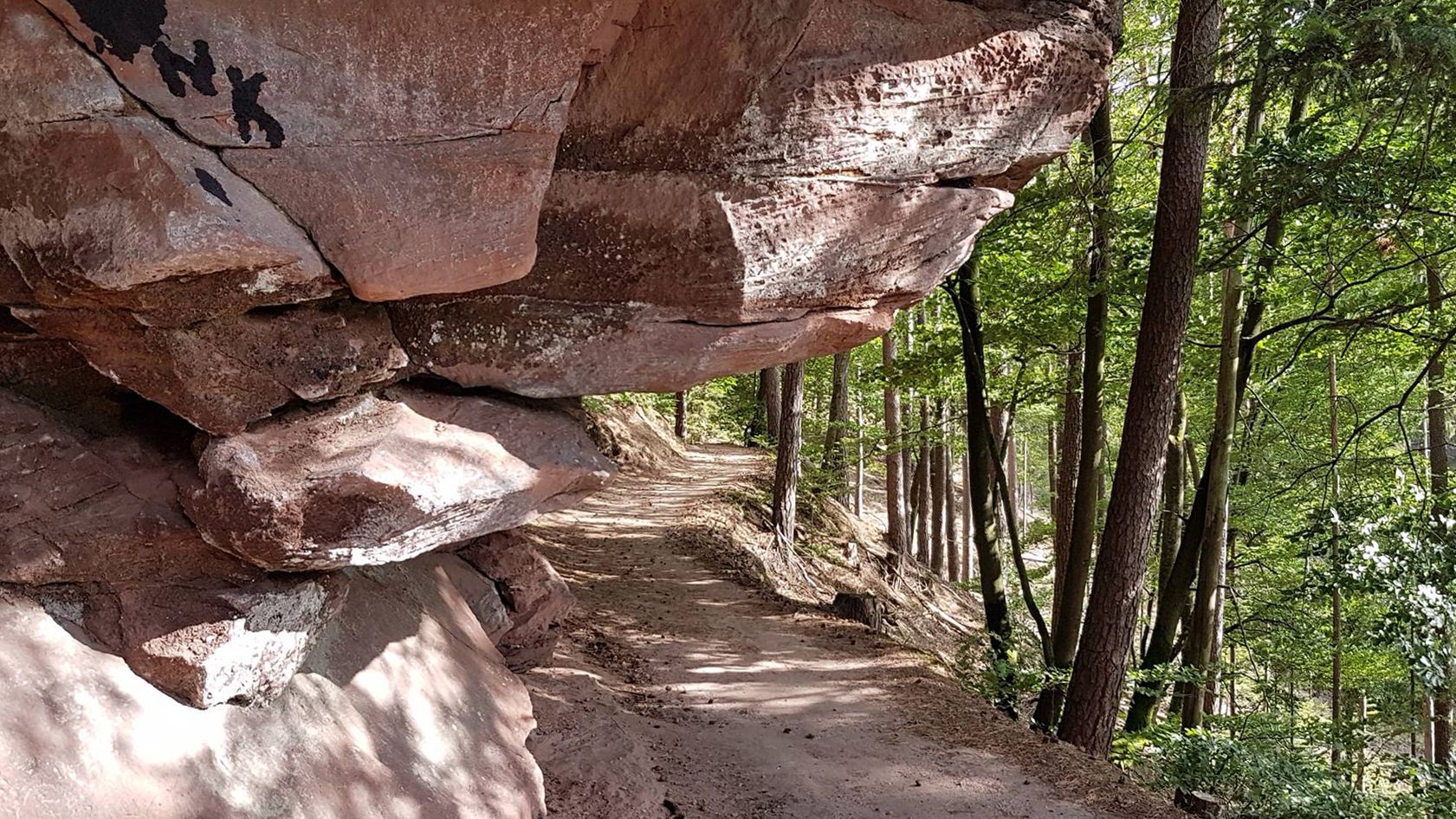
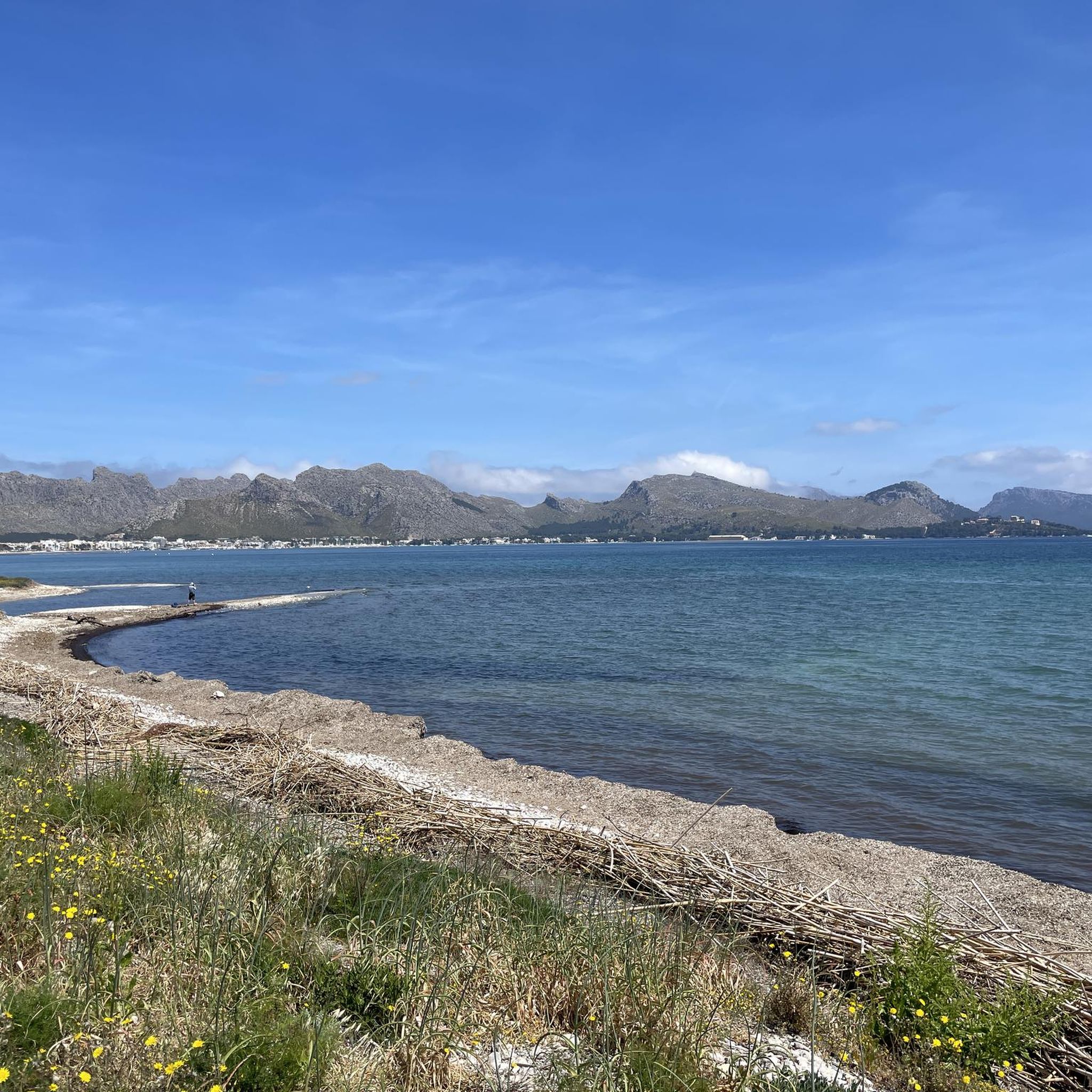
Other adventures around Waldleiningen

Tips from the Community

nicely done that part
0
0
very good bike path
0
0
very beautiful this garden show
0
0
always beautiful this path again
0
0

Wonderful cycle path along the Lauter.
0
0

An unpaved path runs along the top of the forest, better for the joints.
0
0

Old steam locomotive that is now exhibited as a tourist attraction in Otterbach
2
0
Frequently Asked Questions
How many no-traffic road cycling routes are available around Waldleiningen?
There are 6 dedicated no-traffic road cycling routes around Waldleiningen featured in this guide. These routes offer a variety of distances and elevations, ensuring options for different fitness levels.
What kind of terrain can I expect on no-traffic road cycling routes in Waldleiningen?
The region around Waldleiningen is characterized by rolling hills and dense forests, providing a scenic backdrop for cycling. You'll find a mix of paved roads, often winding and away from heavy traffic, with some routes incorporating gentle inclines and others offering more demanding climbs. The dense forests also provide pleasant, shaded sections, particularly enjoyable on warmer days.
Are there any easy, family-friendly no-traffic road cycling routes near Waldleiningen?
Yes, there are easy routes suitable for families. For instance, the Gelterswoog – St. Rochus Church Hohenecken loop from Kaiserslautern Pfaffwerk is an easy option covering about 23.6 km. Another accessible choice is the Kaiserslautern Central Station – Bee hotel loop from Kaiserslautern Hauptbahnhof, which is around 13.3 km.
What are some notable landmarks or natural features I might see on these routes?
The area is rich in natural beauty and historical sites. You might encounter the romantic Karlstal Gorge, offering picturesque views. The 'Weltachs' (World Axis), located at 461 meters elevation between Kaiserslautern and Johanniskreuz, is a unique landmark. Historic structures like the Ruins of Hohenecken Castle or the Neidenfels Castle Ruins can also be found nearby, adding historical charm to your ride.
What is the best time of year for no-traffic road cycling in Waldleiningen?
Spring, summer, and early autumn generally offer the best conditions for road cycling in Waldleiningen. The dense forests provide pleasant shade during warmer summer days, and the rolling hills are particularly beautiful when adorned with spring blossoms or autumn colors. Always check local weather forecasts before heading out.
Are there any circular no-traffic road cycling routes available?
Yes, all the routes listed in this guide are circular, allowing you to start and end your ride at the same point. An example is the Cycle path at Silbersee – View of Ramstein Air Base loop from Kaiserslautern West, which is a moderate 50.6 km loop.
Where can I find places to eat or rest along the no-traffic road cycling routes?
The region offers several welcoming spots for refreshments. The Wolf Gorge Hut (Wolfsschluchthütte) is known for hearty Palatinate food and has a small playground. Another popular destination is the "Waldhaus Lambertskreuz", which features a beer garden and extensive outdoor areas, making it a great stop for cyclists.
What do other road cyclists enjoy most about cycling in Waldleiningen?
The komoot community highly rates the road cycling experience in Waldleiningen, with an average score of 4.63 stars from 364 ratings. Reviewers often praise the tranquil, traffic-free roads, the scenic beauty of the Palatinate Forest, and the varied terrain that caters to different skill levels.
Are there any longer, more challenging no-traffic road cycling routes?
For those seeking a longer ride, the Vogelwoog – Weilerbach Celtic Wagon Grave loop from Kaiserslautern Hauptbahnhof offers a moderate challenge at approximately 44.4 km with significant elevation gain. Another moderate option is the Johanniskreuz Junction loop from Kaiserslautern Hauptbahnhof, spanning about 34 km with over 430 meters of ascent.
Is parking available near the starting points of these routes?
Many routes in the region start from towns like Kaiserslautern, where public parking facilities are generally available. For specific routes, it's advisable to check the individual tour details on komoot for recommended parking spots near the starting points.
Can I combine road cycling with other outdoor activities in the Waldleiningen area?
Absolutely. The region is also popular for hiking, with long-distance trails like the 'Pfälzer Höhenweg' and 'Pfälzer Hüttensteig' offering scenic viewpoints. You can easily combine a cycling trip with short walks to explore attractions like the Karlstal Gorge or visit historic huts. Some areas also cater to mountain biking, offering a diverse outdoor experience.
Most popular routes around Waldleiningen
Most popular attractions around Waldleiningen

Get inspired with the komoot mobile app


Explore more
Browse the best Road cycling routes in other regions.
