The best family-friendly hikes and walks around Wildeshausen
4.6
(976)
3,931
hikers
280
hikes
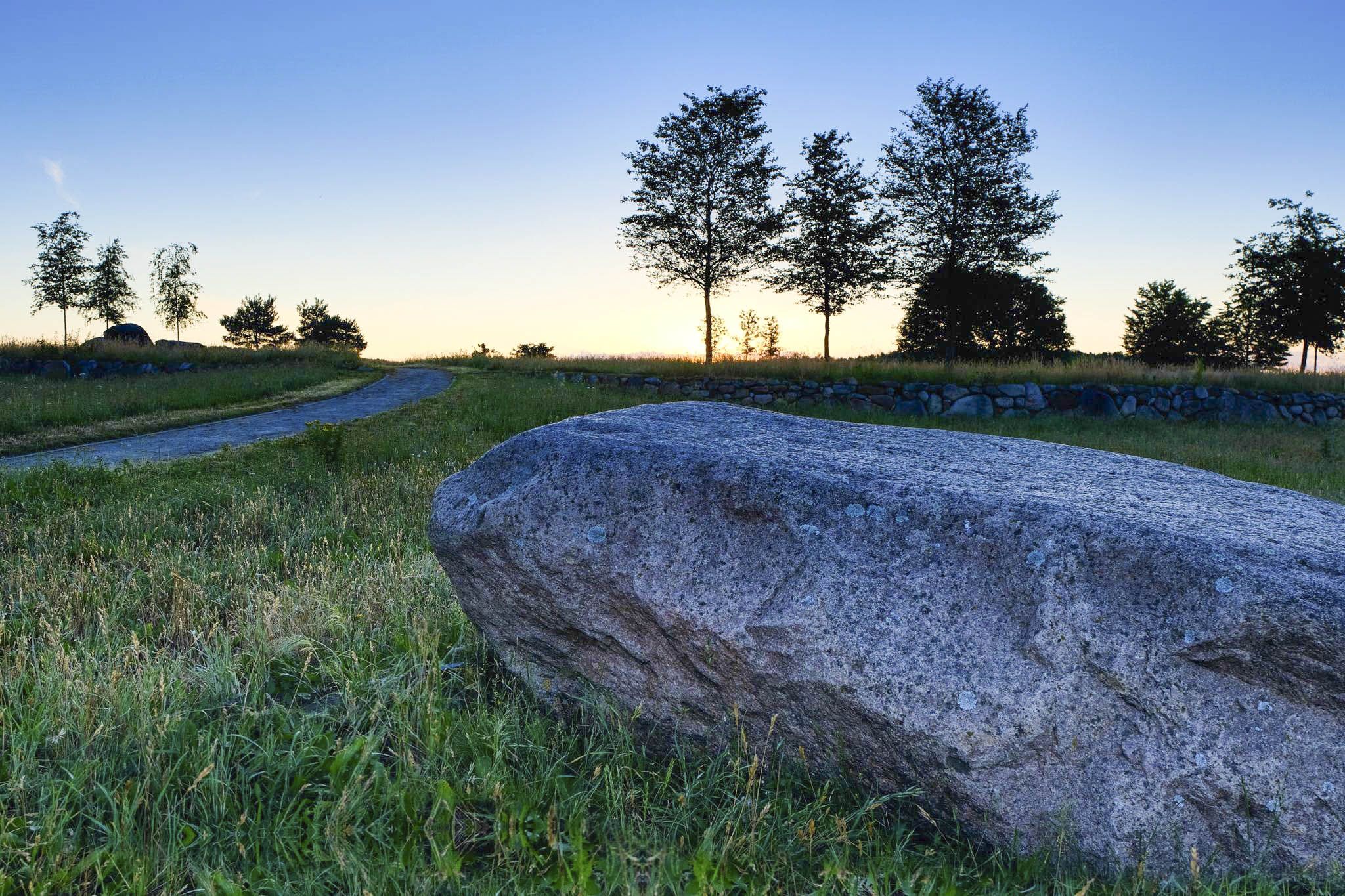
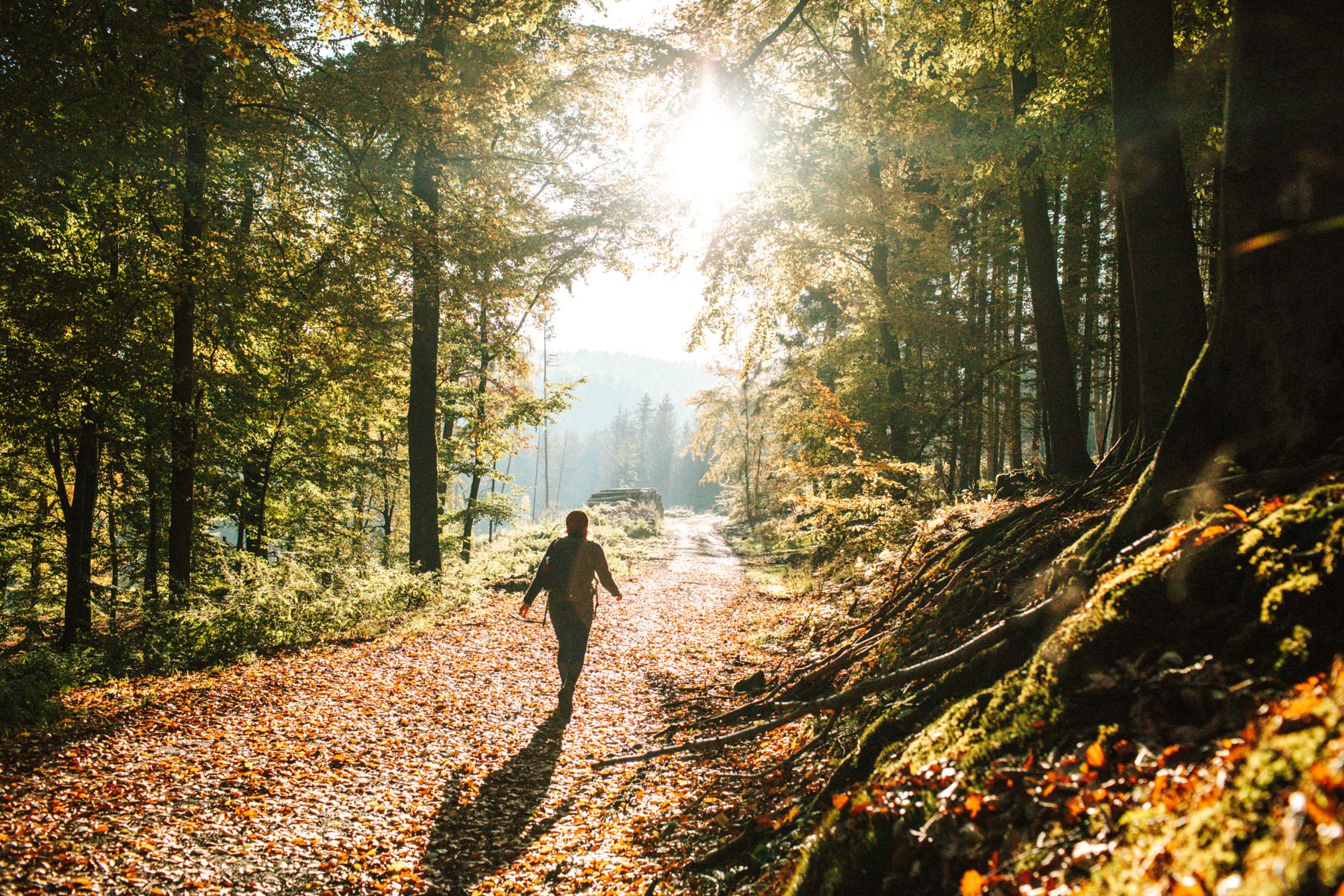
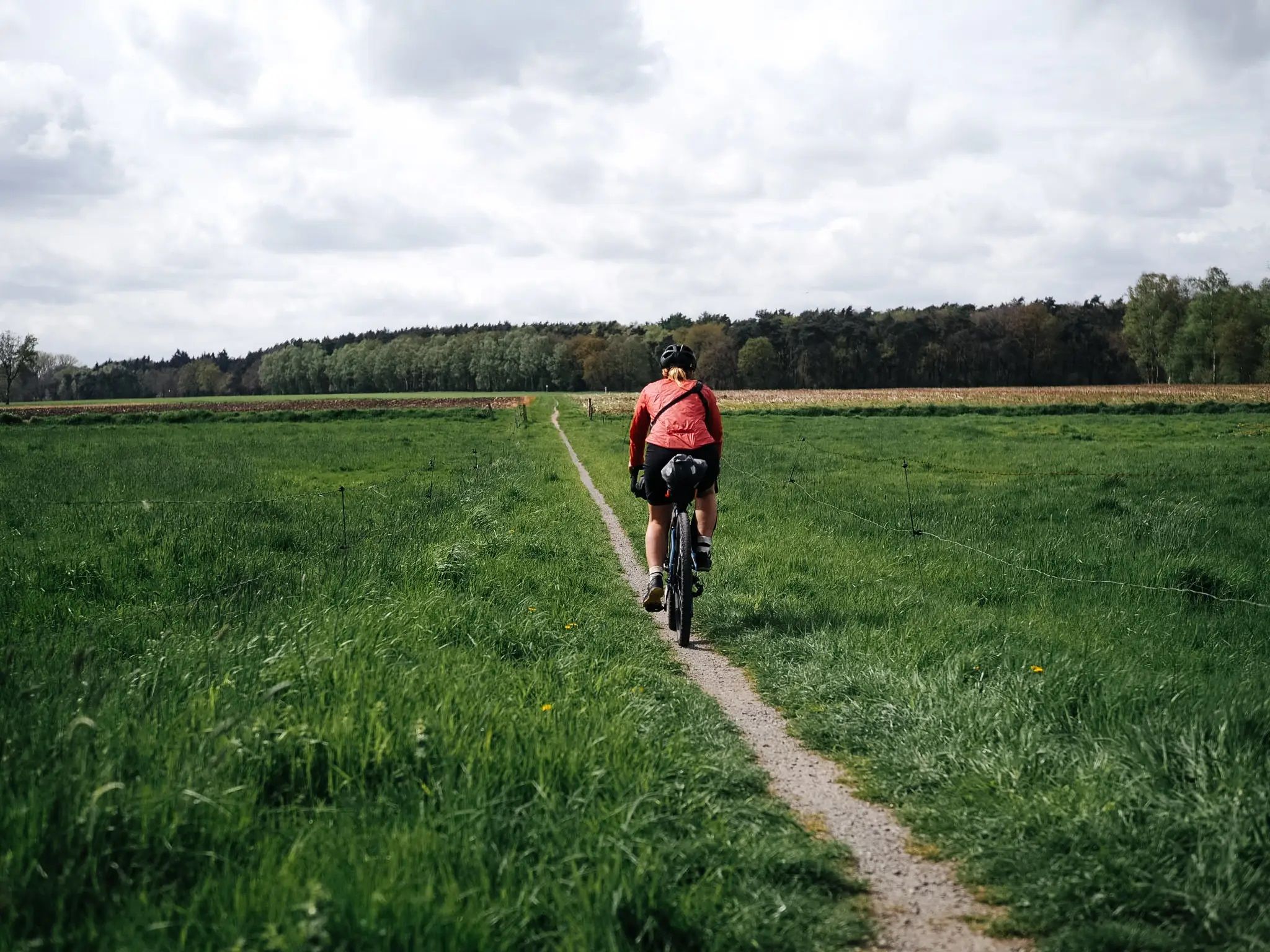
Family friendly hiking trails around Wildeshausen are set within the Naturpark Wildeshauser Geest, an "Old Drift" landscape shaped by Ice Age deposits. The region features diverse scenery, including species-rich mixed forests, expansive heathlands, and river valleys carved by the Hunte, Delme, and Hache. Hikers will find tranquil mill ponds, unique moorland areas, and intriguing sand dunes. The terrain is generally flat to gently undulating, making it accessible for various activity levels.
Best family friendly hiking trails around Wildeshausen
- The most…
Last updated: May 15, 2026
4.7
(80)
241
hikers
12.3km
03:09
50m
50m
Moderate hike. Good fitness required. Easily-accessible paths. Suitable for all skill levels.
4.7
(126)
448
hikers
Moderate hike. Good fitness required. Easily-accessible paths. Suitable for all skill levels.

Sign up for free
4.6
(65)
247
hikers
Moderate hike. Good fitness required. Easily-accessible paths. Suitable for all skill levels.
4.6
(48)
162
hikers
Easy hike. Great for any fitness level. Easily-accessible paths. Suitable for all skill levels.
4.4
(45)
127
hikers
Moderate hike. Good fitness required. Easily-accessible paths. Suitable for all skill levels.
Get access to more routes and recommendations from other explorers.
Sign up for free
Already have an account?
Our route recommendations are based on thousands of hikes, rides, and runs completed by other people on komoot.
Start today with a free account
Your next adventure awaits.
Login or Signup
Other adventures around Wildeshausen


Tips from the Community

When the heather is in bloom, it's a beautiful landscape, but it's also always charming at other times.
0
0

Around 1938, Dietrich Schwarting built a sheepfold on his property at the Pestrup burial ground. He began breeding Heidschnucke sheep and thus acquired a flock, which he tended at the burial ground. After Dietrich Schwarting's death, his son Georg continued the breeding. The sheepfold became dilapidated and too small. The large flock could no longer be accommodated in the sheepfold. The Düngstrup Local History Society planned to build a new sheepfold in 1968. In order to be independent of Schwarting, the building had to be constructed on a different property. On Saturday, February 22, 1969, the new building was handed over to Schwarting, the shepherd, in the presence of many honored guests. In April 1973, disagreements arose with the shepherd. Schwarting sold the flock and his property to emigrate to Canada. At intervals, several shepherds took over the Pestrup burial ground with their flocks. On April 10, 1976, the sheepfold burned down (children playing). After several discussions, it was decided to rebuild the sheepfold. The topping-out ceremony was held on October 15, 1976. Many shepherds followed suit. On August 18, 1981, a barn for straw, fodder, and hay was built behind the sheepfold. Afterward, the sheepfold was no longer used. Politicians suggested another use, which the local history society did not approve. The forestry administration now takes over grazing the burial ground and finds a suitable herd of Heidschnuck sheep in Wagenfeld-Ströhen. The Teerling family, from the Teerling shepherd's farm, makes the herd available twice a year. This is how the three-way alliance works: Teerling the sheep, the forestry office the burial ground, and the Düngstrup local history society the sheepfold complex. On the night of February 26, 1981, the sheepfold was taken over. On February 27, 2011, the sheepfold burned down again (arson). The local history society was not discouraged and began rebuilding. On May 12, 2012, the sheepfold was dedicated with an ecumenical service. Source: https://heimatverein-duengstrup.de/der-schafkoben-auf-dem-pestruper-graeberfeld/
1
0
The 39-hectare heathland of the Pestrup burial ground contains 531 burial mounds from the late Bronze Age (900–200 BC). It is the largest burial ground in Northern Europe that is still visible. As with the megalithic tombs, the ducal government in Oldenburg also undertook conservation work here. In 1909, the burial ground became state property through government purchase and has since been protected as a natural and cultural monument. Source: https://heimatverein-duengstrup.de/der-schafkoben-auf-dem-pestruper-graeberfeld/
3
1
The entire area is heavily waterlogged and partly impassable. A nature reserve. In places, shallow peat bogs are cut by farmers. Paths are overgrown and mostly impassable. Remains of old Hunte River loops with open water.
2
0
The Wildeshausen Geest is considered an insider tip for a journey into worlds long past and a true paradise for archaeology enthusiasts. It's not for nothing that experts refer to this region as the "classic square mile of prehistory." Here, visitors can expect to discover countless nationally renowned prehistoric masterpieces that offer a deep dive into the history of humanity. In the Wildeshausen Geest, you will encounter fascinating relics from the Stone Age, Bronze Age, and Iron Age, offering an exciting journey through the development of early human civilizations. The 5,000-year-old monumental megalithic tombs characterize the landscape. These burial sites, scattered throughout the region, bear witness to a time when humans first formed a cultural landscape here and cultivated it for agriculture and settlement. They are among the oldest and most fascinating archaeological sites in the Wildeshausen Geest and amaze visitors with the technological capabilities and community spirit of the societies of that time. Source: https://www.wildeshausergeest.org/erholt-erleben/ausflugsziel-gehenswuerdigkeiten/archaeologie
1
0
Burgwiese City Park, the former town site of Wildeshausen Castle, hosts regular events such as Summer Culture (every Sunday morning during the summer months) and the opening event of the Guild Festival on Whitsun Sunday, with a tattoo and fireworks. The bandshell, a fountain, a Kneipp pool, a large green area, a children's playground, and its direct location on the Hunte River make Burgwiese a central meeting place in the climatic health resort. From here, you can set off on foot or by bike along various signposted trails into the beautiful natural surroundings. Source: https://tourismus.meinestadt.de/poi-detail/2076
3
0

The heath is in full bloom. August and September are the best months to enjoy this splendor.
2
0

It's really beautiful here. It's definitely worth a visit.
2
0
Frequently Asked Questions
What kind of terrain can we expect on family-friendly hikes around Wildeshausen?
The Wildeshauser Geest region offers a diverse and generally flat to gently undulating landscape, making it ideal for families. You'll find species-rich mixed forests, expansive heathlands, and picturesque river valleys carved by waterways like the Hunte. The trails often feature tranquil mill ponds, unique moorland areas, and intriguing sand dunes, providing varied scenery without strenuous climbs.
Are there many easy hiking options suitable for families with young children or prams?
Yes, Wildeshausen is very family-friendly! There are over 190 easy routes available, many of which are suitable for families with young children. The terrain is generally flat, making it easier for prams or smaller legs. For a pleasant and accessible walk, consider the Hunte Bridge in the Pestruper Moor – Pestruper Moor Nature Reserve loop, which is an easy 6.1 km route.
What are some interesting natural or historical sights we can see along the trails?
The region is rich in natural beauty and historical significance. You can explore ancient burial mounds and megalithic tombs, such as the Glaner Braut Megalithic Tomb, or the extensive Pestruper Gräberfeld Heathland with its prehistoric monuments. Don't miss the Old Village Oak (Dötlingen), a magnificent natural monument, or the unique Ozeanbrücke (Ocean Bridge) Over the Moor.
Are there any circular routes suitable for families?
Absolutely! Many of the family-friendly trails around Wildeshausen are circular, allowing you to start and end at the same point. A great option is the Huntepadd Trail – Glaner Braut — Megalithic Tombs loop from Wildeshausen, which offers a diverse experience through nature and history.
When is the best time of year for family hiking in Wildeshausen?
The best seasons for hiking in Wildeshausen are typically spring and autumn. During these times, temperatures are pleasant, and nature is at its most picturesque, with blooming flowers in spring and vibrant foliage in autumn. The flat terrain also makes it enjoyable during milder winter days, though some paths might be muddy.
Can we bring our dog on the family-friendly trails?
Many trails in the Wildeshauser Geest are dog-friendly, but it's always recommended to keep your dog on a leash, especially in nature reserve areas or near wildlife. Please be mindful of local regulations and other hikers. The natural landscapes offer plenty of space for your furry friend to enjoy the outdoors with your family.
Are there places to stop for a rest or a picnic along the routes?
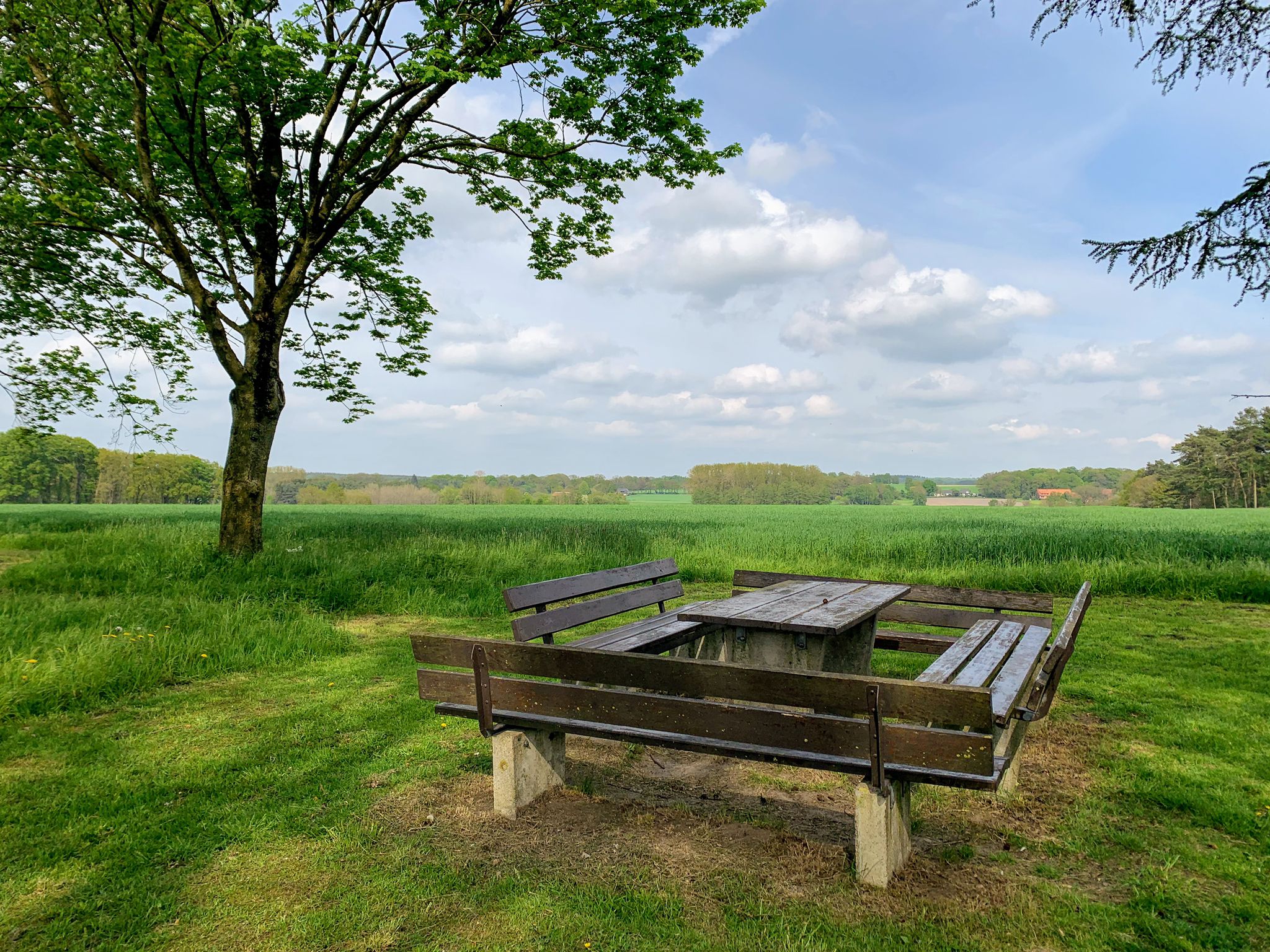
Yes, the region is well-equipped with rest areas and shelters. You'll find spots like the Poggenpohl's Eck Rest Area or the Fillerkuhle Rest Area, perfect for a picnic or a short break. Some routes also pass by charming villages where you might find cafes or restaurants.
What do other hikers enjoy most about the family-friendly trails in Wildeshausen?
The komoot community highly rates the trails around Wildeshausen, with an average score of 4.65 stars. Reviewers often praise the quiet woodlands, the well-marked paths, and the diverse natural scenery that makes hiking enjoyable for all ages. The accessibility and variety of routes, from river walks to heathland explorations, are frequently highlighted.
Is there good parking available near the trailheads?
Yes, parking is generally well-provided near popular trailheads and attractions throughout the Wildeshauser Geest Nature Park. Specific parking information is usually available on individual route pages, making it easy to plan your family's starting point.
Can we reach the hiking trails using public transport?
While some areas are accessible by public transport, it's often more convenient to reach many of the trailheads by car, especially when hiking with a family. For specific routes, checking local bus schedules in Wildeshausen and surrounding villages is recommended to see if they align with your chosen starting point.
Are there any longer, moderate family hikes for older children?
For families with older children looking for a bit more of a challenge, there are several moderate routes. The Hunte, Heath, and Burial Mounds Trail is a fantastic 12.3 km option that combines natural beauty with historical sites, offering a rewarding experience for active families.
Most popular routes around Wildeshausen
Most popular attractions around Wildeshausen

Get inspired with the komoot mobile app


Explore more
Browse the best Hikes in other regions.
