The best traffic-free bike rides around Berenbach
4.5
(138)
1,963
riders
5
rides
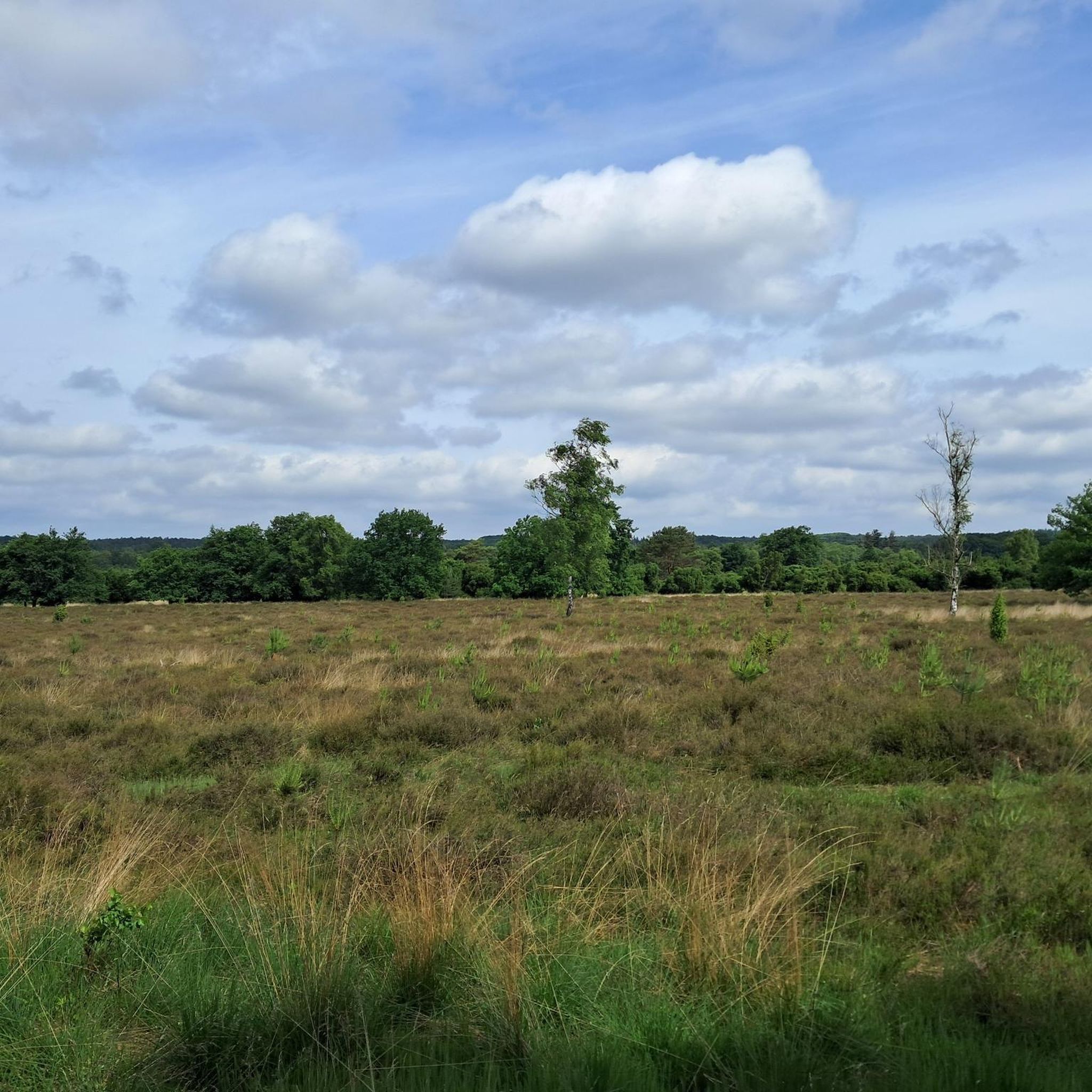
Road cycling around Berenbach offers routes through the Vulkaneifel district, characterized by its unique volcanic landscapes. The terrain features rolling hills, ancient volcanic cones, and deep river valleys, providing a varied backdrop for rides. Cyclists will encounter impressive geological formations and maars, which are crater lakes formed by volcanic activity. The region's topography includes significant ascents, often leading to panoramic views over the surrounding landscape.
Best no traffic road cycling routes around Berenbach
- The most popular no traffic road cycling…
Last updated: May 15, 2026
19
riders
24.5km
01:10
310m
310m
Moderate road ride. Good fitness required. Mostly well-paved surfaces and easy to ride.
5.0
(5)
15
riders
Moderate road ride. Good fitness required. Some segments of this route may be unpaved and difficult to ride.

Sign up for free
5.0
(7)
99
riders
74.8km
03:32
810m
810m
Moderate road ride. Good fitness required. Some segments of this route may be unpaved and difficult to ride.
4.7
(7)
16
riders
49.4km
02:19
590m
590m
Moderate road ride. Good fitness required. Mostly well-paved surfaces and easy to ride.
3.0
(1)
4
riders
27.7km
01:25
430m
430m
Moderate road ride. Good fitness required. Some segments of this route may be unpaved and difficult to ride.
Our route recommendations are based on thousands of hikes, rides, and runs completed by other people on komoot.
Start today with a free account
Your next adventure awaits.
Login or Signup
Popular around Berenbach
Tips from the Community


What a great tunnel, over 500m Video on Instagram "biketime1979"
0
0

A beautiful former railway bridge. It's beautiful to look at from both above and below.
1
0

From 13:00 o'clock many people are out and about when the sun ☀️ shines
0
0

A very well-maintained tunnel. A highlight for the kids.
0
0

Very good surface, pleasantly shady in summer
0
0
Very good surface, lots of deciduous forest
0
0

"Old Station" Schalkenmehren Passenger service between Daun and Wittlich was discontinued on November 1, 1981. Schalkenmehren. Approaching the Old Station in Schalkenmehren on the former railway line, today's Maare-Mosel cycle path, and seeing the station building, it's hard to believe that it was opened as a fourth-class railway station exactly 100 years ago. But how did it all begin 100 years ago? Surveying for the Daun-Wittlich railway line began as early as 1897. General preparatory work for the single-track line began in 1907. But it would take some time before the Daun-Schalkenmehren-Gillenfeld section opened on December 1, 1909, with the line running over the 28-meter-high Daun viaduct and through the 560-meter-long Schalkenmehren railway tunnel, "Großes Schlitzohr" (Great Sly Fox). The extension from Gillenfeld to Manderscheid to Pantenburg was completed on May 1, 1910, and the extension from Manderscheid-Pantenburg to Wittlich, signifying the completion of the entire line, was completed on July 1, 1910. The completion of the Daun-Wittlich railway line brought rapid development to the village of Schalkenmehren. In the first year of the line's existence (1910), 18,968 tickets were sold in Schalkenmehren, followed by 25,057 in 1913, 27,969 in 1919, and even 30,279 in 1922. In addition, Schalkenmehren station was designed for general cargo traffic and the receipt and dispatch of wagonloads. Text / Source: www.volksfreund.de/ https://www.volksfreund.de/region/vulkaneifel/ein-schmuckstueck-fuer-nostalgiker_aid-5712448
13
0
Frequently Asked Questions
How many no traffic road cycling routes are available around Berenbach?
There are 5 dedicated no-traffic road cycling routes around Berenbach featured in this guide. These routes offer a range of distances and elevations, providing diverse options for exploring the Vulkaneifel region without vehicle interference.
Are there any easy no traffic road cycling routes suitable for beginners in Berenbach?
While all routes in this guide are rated moderate to difficult, the Vulkaneifel region does offer paths that are generally easier, often utilizing disused railway lines. For a moderate route that provides a good introduction to the area's quiet roads, consider the St. Remaclus Parish Church – Bergkrone Mine Tunnel loop from Gunderath, which is the shortest at just over 15 km.
Are there family-friendly no traffic road cycling routes around Berenbach?
Yes, the Vulkaneifel region is known for its family-friendly cycling options, particularly those built on old railway lines. For a moderate route that families with some cycling experience might enjoy, the Bergkrone Mine Tunnel loop from Sassen offers a pleasant 24.5 km ride through the scenic landscape.
What is the best time of year for no traffic road biking in Berenbach?
The Vulkaneifel region is beautiful throughout the warmer months. Spring and autumn offer pleasant temperatures and vibrant scenery, while summer provides longer daylight hours. The region's volcanic terrain and maars are particularly stunning when the weather is clear, allowing for breathtaking panoramic views.
Are there any circular no traffic road bike routes in Berenbach?
Yes, all the no-traffic road cycling routes listed in this guide are circular, meaning you will start and end at the same point. This makes planning your ride and return journey straightforward. An example is the Daun Viaduct – Großes Schlitzohr Tunnel loop from Daun, a moderate 27.6 km circular route.
What kind of viewpoints can I expect on these traffic-free road bike trails?
The hilly nature of the Vulkaneifel means you'll often be rewarded with breathtaking panoramic views. Routes frequently pass by the region's iconic maars (volcanic lakes), such as the Ulmener Maar and Maar Manderscheid. You can also find specific viewpoints like the View of the Weinfelder Maar (Totenmaar) or the View of Totenmaar from the panoramic bench, offering stunning vistas of the volcanic landscape.
What are some cultural or historical attractions along these routes?
The Vulkaneifel is rich in history and culture. Along your rides, you might encounter medieval structures like the Upper Castle of Ulmen or the Romantik Castle Hotel Kurfürstliches Amtshaus Daun. The region also offers insights into its geology at places like the Maar-Museum Manderscheid. The Nürburgring, a world-renowned racetrack, is also visible from parts of the Volcanic Eifel Cycle Route.
Are there any advanced or challenging car-free road bike paths in Berenbach?
While this guide focuses on no-traffic routes, the Vulkaneifel region is known for its challenging terrain. The routes here are rated moderate to difficult, with significant elevation changes. For a longer and more demanding ride, the Grünewald Tunnel – Pleiner Viaduct loop from Mehren covers nearly 75 km with over 800 meters of elevation gain, providing a good test for experienced cyclists.
What do other road cyclists enjoy most about road cycling in Berenbach?
The area is highly rated by the komoot community, with an average score of 4.4 stars. Reviewers often praise the unique volcanic landscapes, the serene maars, and the well-maintained paths that allow for peaceful cycling away from traffic. The rewarding panoramic views after challenging climbs are also frequently highlighted.
Can I access these no traffic road bike trails using public transport?
The Vulkaneifel region has some public transport options, though direct access to every trailhead might vary. Many towns in the area, such as Daun, are connected by bus services. It's advisable to check local public transport schedules and bike carriage policies in advance to plan your journey to the starting points of routes like the Großes Schlitzohr Tunnel – View of Daun from Daun Viaduct loop from Utzerath.
Are there any waterfalls or natural monuments to see along the routes?
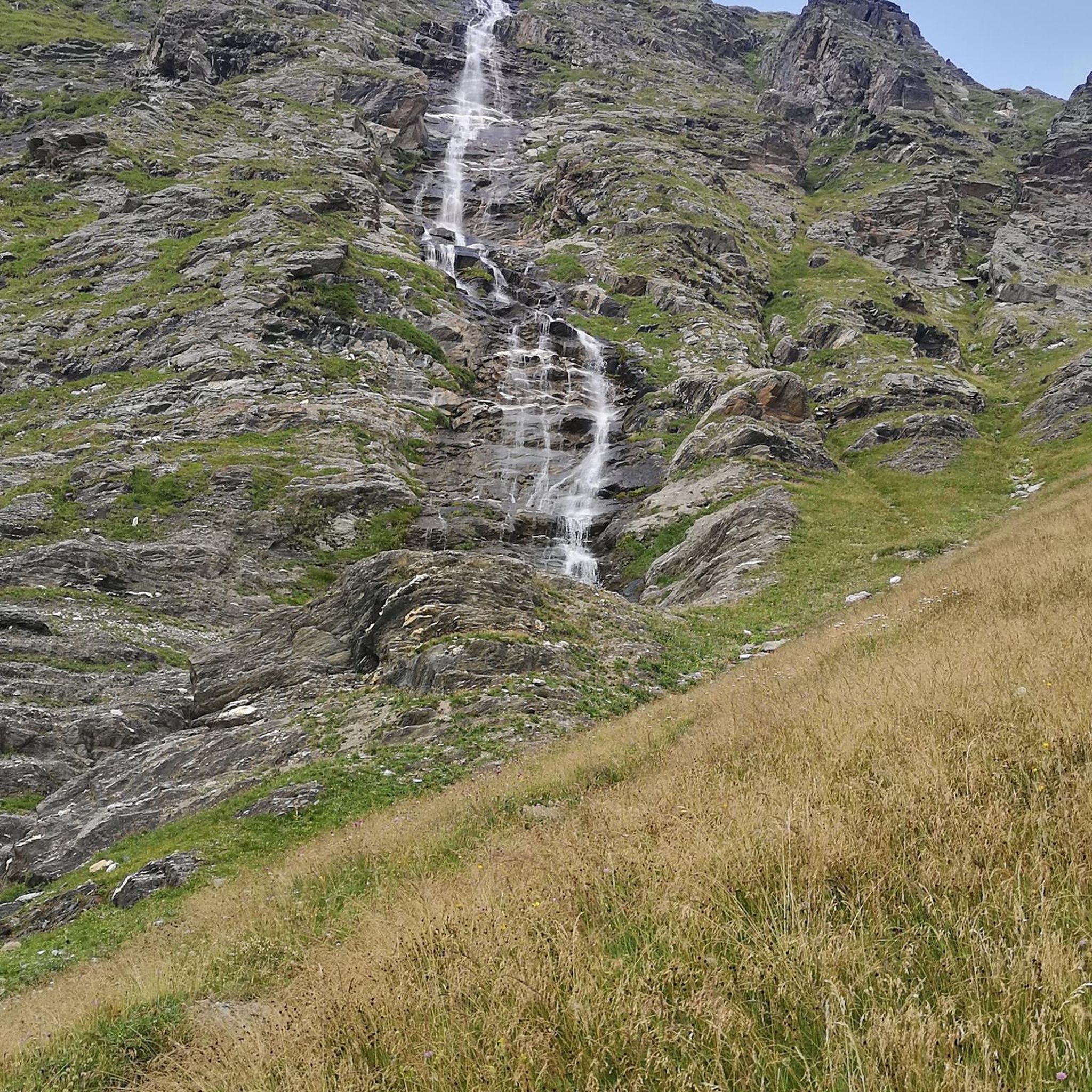
Yes, the Vulkaneifel is home to several natural wonders. You can visit the impressive Rausch Waterfall, or explore the unique volcanic lakes like Schalkenmehrener Maar. The region's volcanic origin means cyclists will encounter impressive geological formations and unique natural features throughout their rides.
Most popular attractions around Berenbach

Get inspired with the komoot mobile app


Explore more
Browse the best Road cycling routes in other regions.
