Attractions and Places To See around Holtingerveld - Top 20
Best attractions and places to see around Holtingerveld include a captivating nature reserve in Drenthe, rich in natural beauty and historical significance. This area features diverse landscapes such as heathlands, fens, drifting sands, and old oak forests, supporting numerous plant and animal species. It also holds ancient monuments like dolmens and traces of World War II history, including former airstrips and bomb craters. Holtingerveld offers a unique combination of natural landscapes, ancient history, and more recent wartime events.
Best attractions and places to see around Holtingerveld
- The most popular attractions is Dolmen D53, a historical site that is the third largest dolmen in the Netherlands, measuring about 18 meters long. It was reassembled after World War II, having been dismantled by the German air force.
- Another must-see spot is Bomb Craters on the Havelteberg, a historical site within a nature reserve. These craters formed during Allied bombings in WWII and now often hold water, serving as breeding grounds for amphibians.
- Visitors also love Dolmen D54, a historical site with six capstones. This dolmen is beautifully situated next to the Havelterberg heathland, approximately 150 meters from Dolmen D53.
- Holtingerveld is known for its historical sites, diverse natural features, and extensive network of trails. Visitors can explore ancient dolmens, WWII remnants, heathlands, and forests.
- The attractions around Holtingerveld are appreciated by the komoot community, with over 480 upvotes and 119 photos shared across the highlights.
Last updated: May 27, 2026
Dolmen D53
Highlight • Historical Site
D53 is located next to the smaller dolmen D54.
Translated by Google •
Tip by

Bomb Craters on the Havelteberg
Highlight • Historical Site
Translated by Google •
Tip by

Sign up now to discover places like this
Get recommendations on the best single tracks, peaks, & plenty of other exciting outdoor places.
Sign up for free
Dolmen D54
Highlight • Historical Site
The hunebed is beautifully situated next to the Havelterberg heathland. The larger hunebed D53 is 150 metres away.
Translated by Google •
Tip by
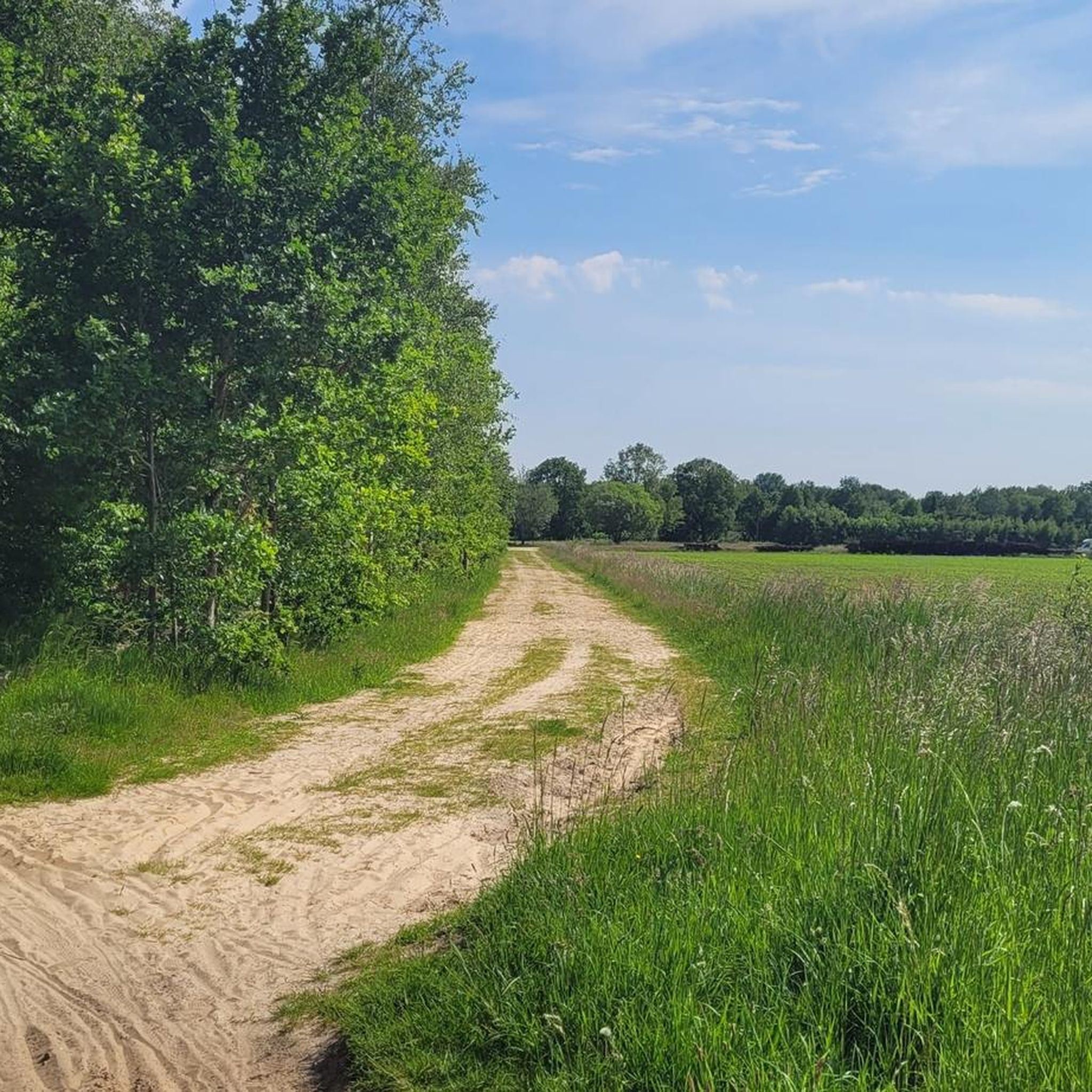
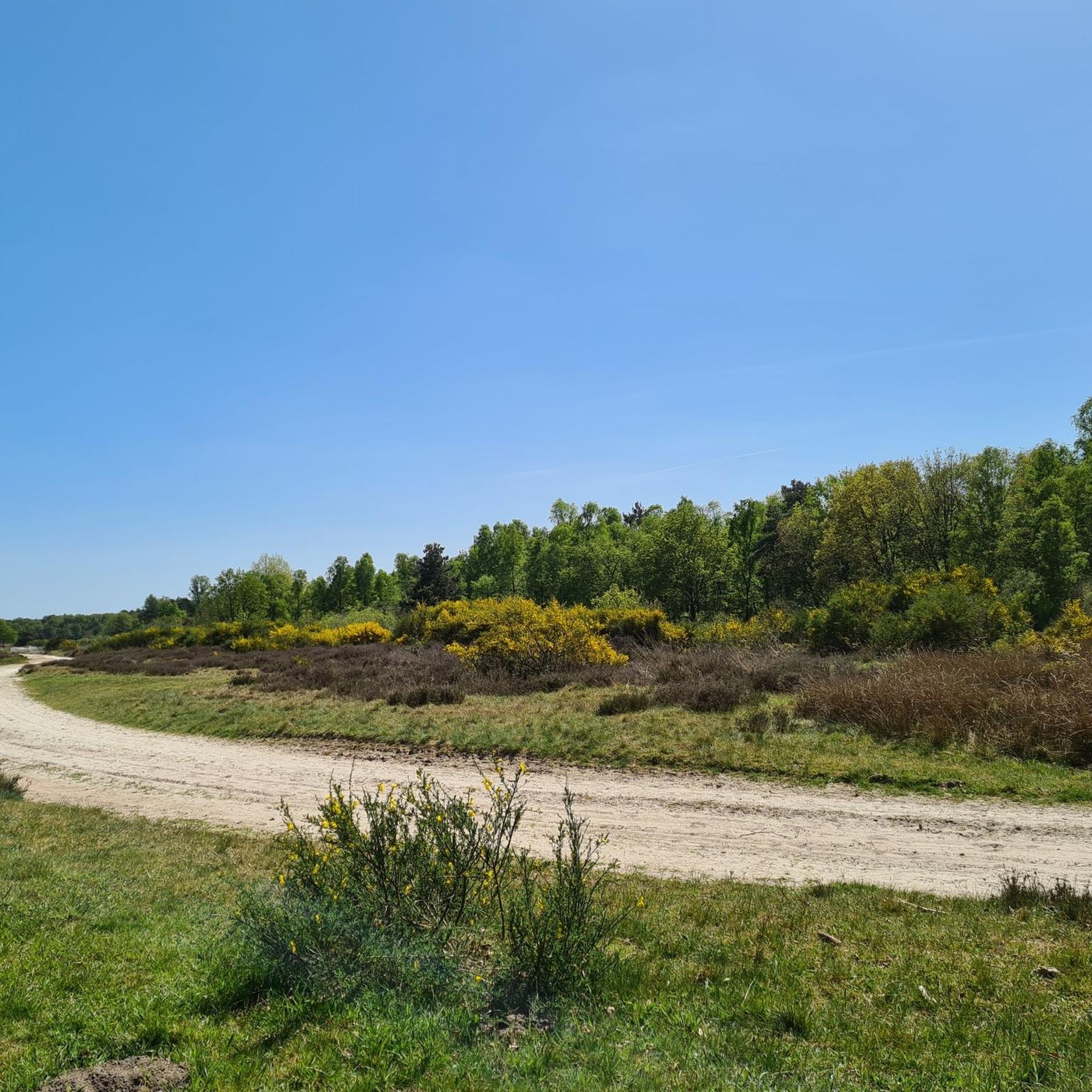
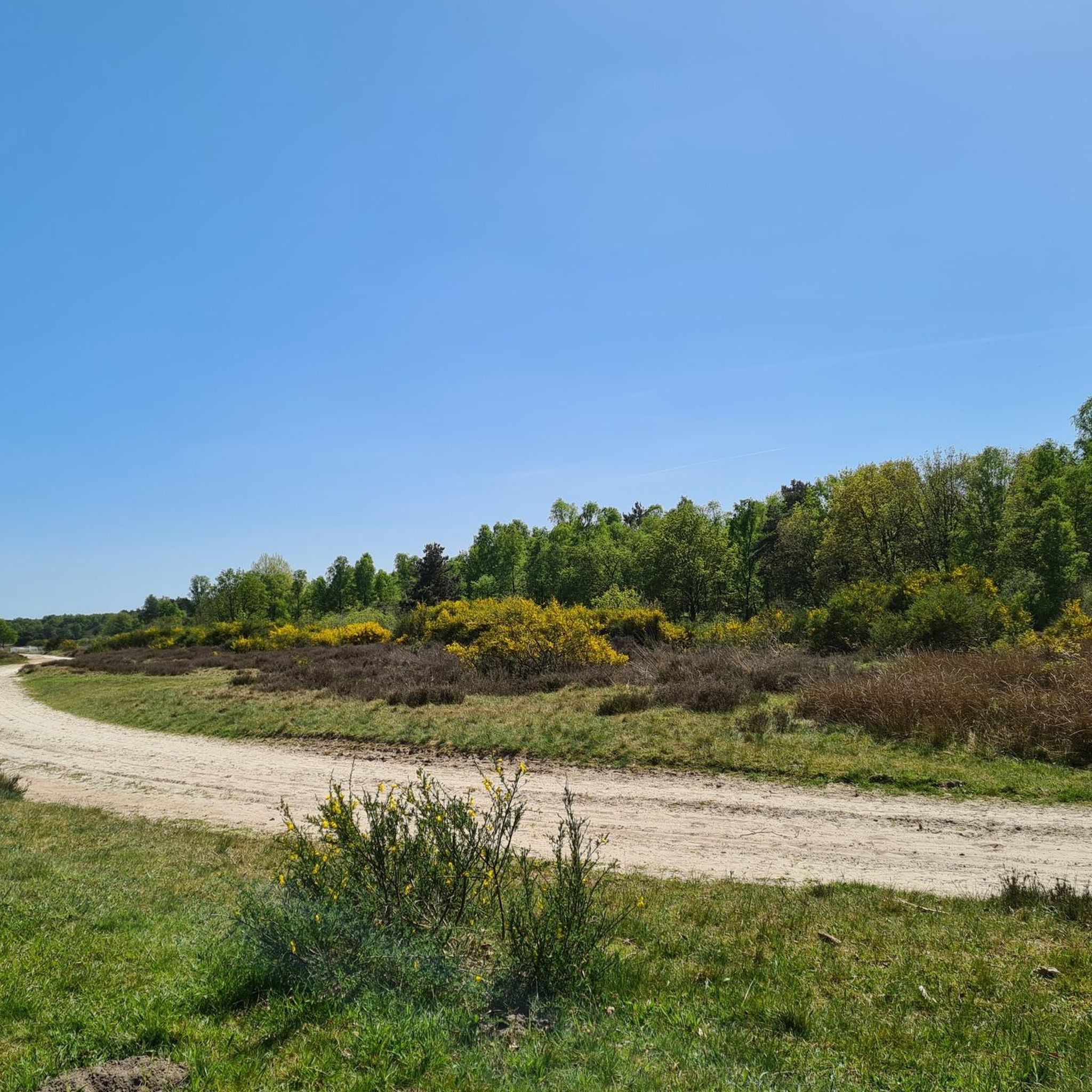
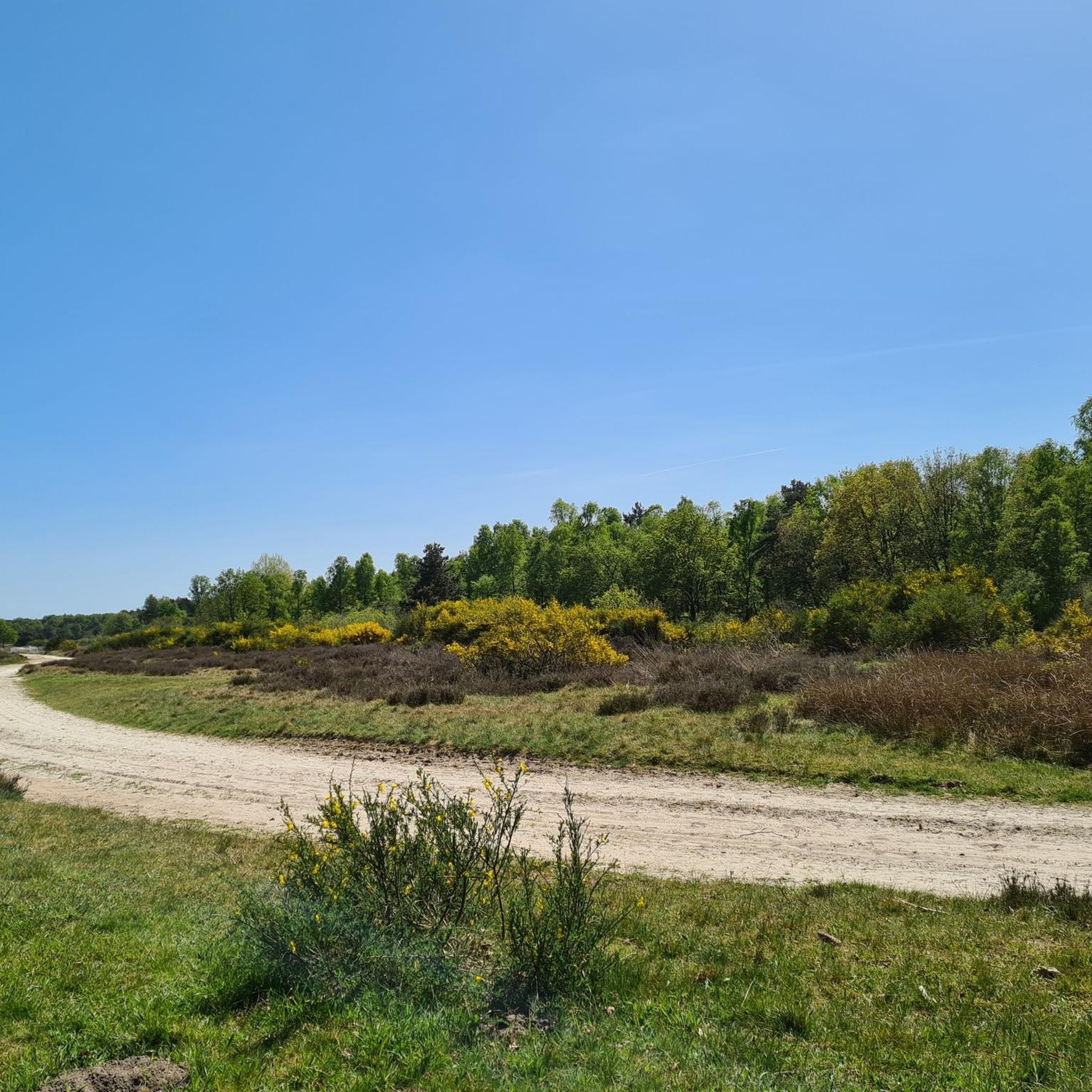
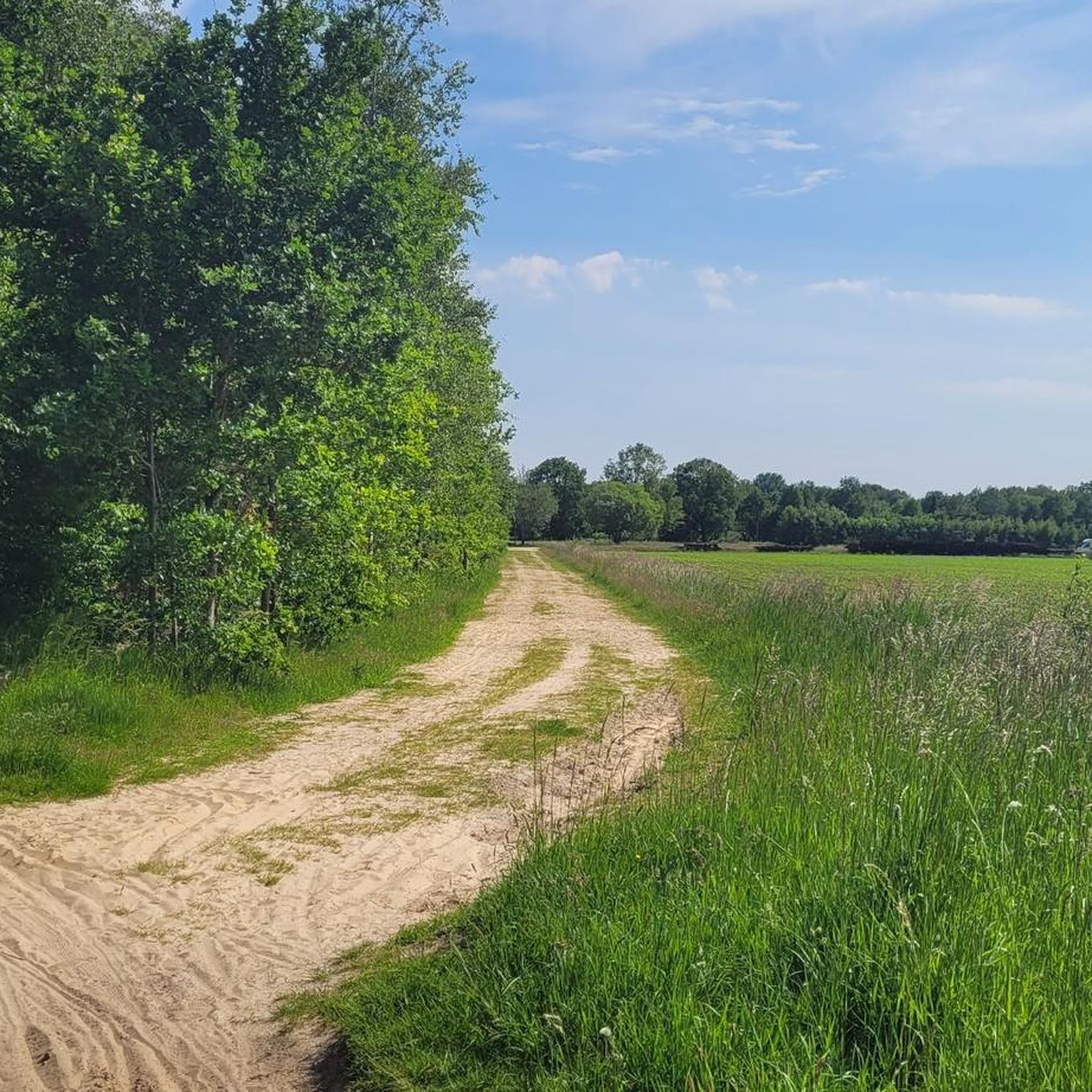
Sandy Heathland Trails of Holtingerveld
Highlight • Natural
Translated by Google •
Tip by

Holtingerveld narrow-gauge railway
Highlight • Historical Site
This railway section was once part of the extensive railway network that was built by the Germans during the Second World War for the establishment of Havelte airport. The presence of bomb craters in this area testifies to Allied bombings intended to disrupt the construction of the airfield.
At the visitor center nearby you can still see some of the "tipper carts" that were once used during the airport's construction.
The parking lot at the visitor center is always open, but access to the Holtingerveld itself is only possible during the day.
Translated by Google •
Tip by

Sign up for free to discover even more attractions around Holtingerveld.
Sign up for free
Already have an account?
Start today with a free account
Your next adventure awaits.
Login or Signup
Tips from the Community

The second-largest dolmen in the Netherlands can be found in Havelte. Dolmen D53 is the only dolmen damaged during the war. The German air force wanted to build an airfield at this location, so the stones were moved. The airfield was bombed to pieces, and the dolmen was excavated and reassembled. The dolmen is approximately 18 meters long, almost complete, and lies on the edge of a heathland. Along with dolmens D54 and D52, it is one of the few in this part of Drenthe. Dolmen D54 is slightly smaller than D53. It lies in the middle of a small sandy plain surrounded by grass. It is a beautiful walking area around these dolmens, as the small sandy plain is surrounded by heathland, small forests, and meadows. Dolmen D53 and D54 are a must-see on your dolmen tour because they are complete, well-maintained, and impressive. If you're coming from Havelte, you can follow the main road, which will take you past a side road. If you take this, the dolmen is almost immediately on your left. Continue driving a little further, and you'll find dolmen D54. Source: https://www.drenthe.nl/locaties/1800662783/hunebed-d53-en-d54-1
1
0
At the end of World War II, several Allied bombings were carried out over the German military airfield on Havelterberg. The numerous bomb craters, visible in the landscape as "round pools," are silent witnesses to this turbulent period. Source: https://www.drenthe.nl/locaties/4065299428/bomkrater
1
0

Throughout the field you will encounter several bomb craters from when the Allies bombed the Germans here in WWII. Both "wet" and "dry" bomb craters are present that are now an important place for frogs and salamanders.
1
0
The narrow gauge route has been removed.
1
0

Dolmen D53 is the third largest dolmen in the Netherlands, measuring about 18 meters long. The dolmen is almost complete and is beautifully situated on the edge of the heath. However, it was taken apart by the German air force during the Second World War to make room for an airfield. Fortunately, there were drawings and the dolmen was reassembled after the war. D53 is located next to the smaller dolmen D54.
1
0
Dolmen D53 is the third largest dolmen in the Netherlands, measuring about 18 meters long. The dolmen is almost complete and is located on the edge of a heathland. However, it was taken apart by the German air force during the Second World War to make room for an airfield. Fortunately, there were drawings and the dolmen was reassembled after the war. D53 is located next to the smaller dolmen D54.
1
0
Hunebed D54 has six capstones, four of which rest completely on the supporting stones. The easternmost capstone is missing, as is the keystone below it. However, all fourteen sidestones are present, and there is still one gate sidestone to be found. The hunebed is beautifully situated next to the Havelterberg heathland. The larger hunebed D53 is 150 metres away.
1
0
Hunebed D53 is located on the Hunestromenweg near Havelte. With a length of almost 18 meters, this is one of the largest dolmens in the Netherlands, only dolmen D27 located a little further away in Borger is larger. On the side of the road is the smaller dolmen D54. Today the dolmen has 21 side stones, 4 keystones and 9 covering stones, which have rested on the supporting stones since a restoration in 1991. Originally it would have consisted of more than 40 stones. During excavations in 1918, many pottery shards were found, from which many hundreds (some researchers say more than 600) pots could be traced back. This made it the largest find ever in a dolmen in Drenthe. In addition, three flint axes, an arrowhead, a hammer axe, three beads of jet and one of amber were found.
1
0
Frequently Asked Questions
What historical sites can I explore in Holtingerveld?
Holtingerveld is rich in history, featuring several significant sites. You can visit the prehistoric burial monuments, Dolmen D53 and Dolmen D54, which are among the southernmost dolmens in the Netherlands. The area also bears traces of World War II, including the Bomb Craters on the Havelteberg, remnants of a former airstrip, and the Holtingerveld narrow-gauge railway, which was part of the German airfield construction. A monument also stands at the site of a former Jewish forced labor camp.
What natural features define the Holtingerveld landscape?
Holtingerveld is a diverse natural area, designated as a Natura 2000 site. It features a mix of wet and dry heathlands, fens, drifting sands, and old oak forests. The Sandy Heathland Trails of Holtingerveld offer beautiful walks, especially when the heather is in bloom. The Havelterberg, a glacial ridge, provides unique soil conditions supporting rare plants, and the Finse Meertje (Finnish Lake) is an important breeding ground for amphibians like the crested newt.
Are there family-friendly activities or attractions in Holtingerveld?
Yes, Holtingerveld offers several family-friendly attractions. The ancient Dolmen D53 and Dolmen D54 are accessible and engaging for all ages. The Sandy Heathland Trails of Holtingerveld are suitable for walks with children. Additionally, the Poort Holtingerveld (Access Gate) provides a children's playground and serves as a starting point for various routes.
What kind of walking and cycling routes are available in Holtingerveld?
Holtingerveld offers dozens of kilometers of paths for walkers and cyclists. Notable walking routes include the 2.75-kilometer Hunebedroute, which passes dolmens and bomb craters, and the 9-kilometer War Route, detailing WWII remnants. There's also a 5-kilometer Ice Route focusing on Ice Age traces. For cyclists, there are specific MTB routes with a dedicated washing area, and you can find many cycling tours around the area, such as those listed in the Cycling around Holtingerveld guide.
Where can I see the Holtinger sheep flock?
The Holtinger sheep flock is an important part of maintaining the heathlands. You can often see the shepherd leading the flock from the Holtinger Sheepfold into the fields. They typically depart around 9:30 AM and return around 4:30 PM in summer. Information boards are usually available to indicate the flock's current location.
What is the significance of the Bomb Craters on the Havelteberg?
The Bomb Craters on the Havelteberg are historical remnants from Allied bombings during World War II, targeting the airfield built by the Germans. Many of these craters now hold water, creating unique breeding grounds for amphibious creatures like the crested newt, making them both a historical and ecological point of interest.
Are there any viewpoints in Holtingerveld?
Yes, the Havelterberg, a more than 15-meter-high glacial ridge, offers beautiful views over the Holtingerveld area. The Hunebedroute also leads to the highest point with scenic views of the landscape and dolmens.
What is the Poort Holtingerveld?
The Poort Holtingerveld (Access Gate) is an ideal starting point for exploring the area, located north of Havelte. It features a large car park, an information center, a brasserie, and a children's playground. It also serves as the starting point for various hiking and cycling routes.
Can I go running in Holtingerveld?
Yes, Holtingerveld offers several routes suitable for running. You can find various running trails, including loops that pass by the dolmens and through the nature reserve. For more options, refer to the Running Trails around Holtingerveld guide.
What is the best time of year to visit Holtingerveld?
Holtingerveld is beautiful year-round, but if you wish to see the heather in bloom, the months of August and September are particularly stunning. The diverse landscape also offers different experiences across seasons, from lush greenery in spring to vibrant autumn colors.
What do visitors enjoy most about Holtingerveld?
Visitors frequently praise the beautiful natural scenery, especially the heathlands and forests, which are wonderful for walking. The historical significance of the dolmens and WWII remnants also captivates many. The peaceful atmosphere and the chance to see the heather in bloom are often highlighted as favorite aspects of the area.
Most popular routes around Holtingerveld
Most popular attractions around Holtingerveld

Get inspired with the komoot mobile app


Explore more
Still not found the Highlight you’re looking for? See guides of the top attractions in other regions:
